
We are planning an academic visit to a district hospital in Kigali to provide structured educational opportunities for medical students, obstetrics and gynecology residents, and maternal–fetal medicine fellows. Our team will deliver formal lectures on high-yield obstetric topics, facilitate hands-on simulation training for common and high-risk procedures, and provide intraoperative teaching to strengthen surgical skills during complex cases. The goal of this initiative is to enhance clinical knowledge, procedural competency, and multidisciplinary collaboration in the care of high-risk obstetric patients.
Pregnant patients in Rwanda—and the broader community—will benefit directly and sustainably from this initiative through strengthened obstetric knowledge and procedural skills among local providers. By offering structured educational opportunities for medical students, obstetrics and gynecology residents, and maternal–fetal medicine fellows, we aim to enhance clinical competence, confidence, and evidence-based decision-making.
Training will include didactic lectures, simulation of common and high-risk procedures, and hands-on surgical mentorship during complex cases. This capacity-building approach promotes long-term sustainability by empowering local clinicians to apply and disseminate best practices. Ultimately, improved provider education supports safer pregnancies, better management of complications, and improved maternal and neonatal outcomes across the region.
Our group has partnered with colleagues in Rwanda for many years, building sustainable academic and clinical relationships. At the request of the Ministry of Health, we were specifically invited to provide targeted obstetric education to support ongoing workforce development. This initiative is designed to strengthen local capacity by enhancing the knowledge, technical skills, and clinical confidence of medical students, obstetrics and gynecology residents, and maternal–fetal medicine fellows.
The expected impact is both immediate and long term. In the short term, trainees will gain practical skills in evidence-based obstetric management, emergency response, and complex surgical care. Over time, these clinicians will serve as educators and leaders within their institutions, multiplying the effect of the training. By investing in local expertise, we anticipate improved management of maternal complications, safer deliveries, and measurable improvements in maternal and neonatal outcomes across the region.


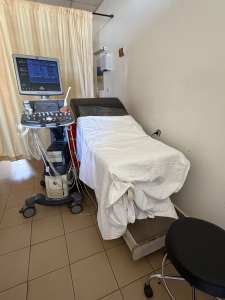





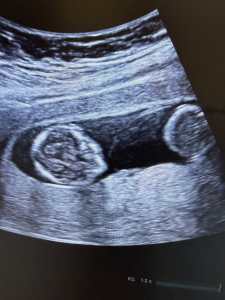

We impacted the residents and teaching them ultrasound helped all the pregnant women that they will care for!