On June 13, our multidisciplinary team of endoscopists, nurses, and anesthetists will travel to Guatemala to provide gastrointestinal healthcare services to a community with limited access to specialty medical care. We will work at Hospitalito Atitlán, a small but vital hospital serving communities around Lake Atitlán, where many residents face geographic and financial barriers to diagnostic and therapeutic care.
During the week of our visit, our team expects to evaluate and treat approximately 70–100 patients. Many individuals in this region have lived with chronic gastrointestinal symptoms for years without access to procedures such as endoscopy. Our goal is to provide both diagnostic and therapeutic endoscopic services so patients can receive care that might otherwise require extensive travel or remain unavailable.
Beyond performing procedures, our mission emphasizes service, partnership, and sustainability. We work closely with local physicians, nurses, and staff at Hospitalito Atitlán to support continuity of care after our team departs and to strengthen the hospital’s ongoing ability to care for its community.
As an anesthetist, I also hope to use my Spanish language skills, developed during my clinical training in California, to communicate directly with patients before their procedures. Speaking with patients in their own language can help reduce anxiety and build trust during what can be a stressful experience. I hope these conversations allow me to form meaningful connections with patients and help them feel comfortable and cared for before anesthesia is administered.
This project will benefit patients living in the communities surrounding Lake Atitlán in Guatemala who have limited access to specialty gastrointestinal care. Many individuals in this region face significant barriers to healthcare, including geographic isolation, limited medical resources, and financial constraints. For many patients, diagnostic procedures such as endoscopy are not readily available, and untreated gastrointestinal conditions can persist for years without evaluation or treatment. By providing diagnostic and therapeutic endoscopic services during our visit to Hospitalito Atitlán, our team hopes to help address this gap in care and provide relief to patients who might otherwise go without necessary medical evaluation.
This population was chosen because of the hospital’s important role as a community health resource for surrounding rural areas. Hospitalito Atitlán serves a diverse population of patients who rely on the hospital for accessible, compassionate care. By partnering with this facility, our team hopes to support the important work already being done by local clinicians and staff while expanding access to specialized procedures during our visit.
In addition to the patients we serve, this experience will have a meaningful impact on me as a healthcare provider. Working in a different healthcare environment will provide a valuable opportunity to gain perspective on global health and the challenges faced by resource-limited systems. I hope to return with a deeper respect for the strength of community-based healthcare, the importance of public health initiatives, and the dedication of colleagues who provide care in diverse settings. This experience will broaden my understanding of medicine and strengthen my commitment to compassionate, collaborative care in my own practice.
The expected impact of this project is both immediate and lasting. In the short term, patients in the Lake Atitlán region will gain access to diagnostic and therapeutic gastrointestinal procedures that may otherwise be unavailable to them. By evaluating and treating 70–100 patients during our visit, our team hopes to help identify underlying conditions, relieve symptoms, and provide patients with clearer paths toward ongoing care. For many individuals, this may represent their first opportunity to receive specialized diagnostic evaluation for chronic gastrointestinal concerns.
Beyond direct patient care, this mission emphasizes collaboration with the clinicians and staff at Hospitalito Atitlán. Working alongside local providers allows for shared learning and strengthens professional relationships that can support continued care for patients after our team departs. These partnerships help ensure that the benefits of the mission extend beyond the duration of our visit.
Personally, I expect this experience to have a meaningful impact on how I view healthcare delivery. Practicing medicine in a resource-limited setting provides an opportunity to step outside the systems I work in every day and gain a broader perspective on global health and medical equity. I hope to return with a deeper appreciation for the role of community-based healthcare, the importance of public health infrastructure, and the resilience of both patients and providers working in underserved settings.
These lessons will carry forward into my own practice by reinforcing the importance of adaptability, teamwork, and compassionate patient care. Experiences like this help shape more thoughtful clinicians who are better prepared to care for diverse patient populations and to approach medicine with humility, perspective, and a renewed commitment to service.


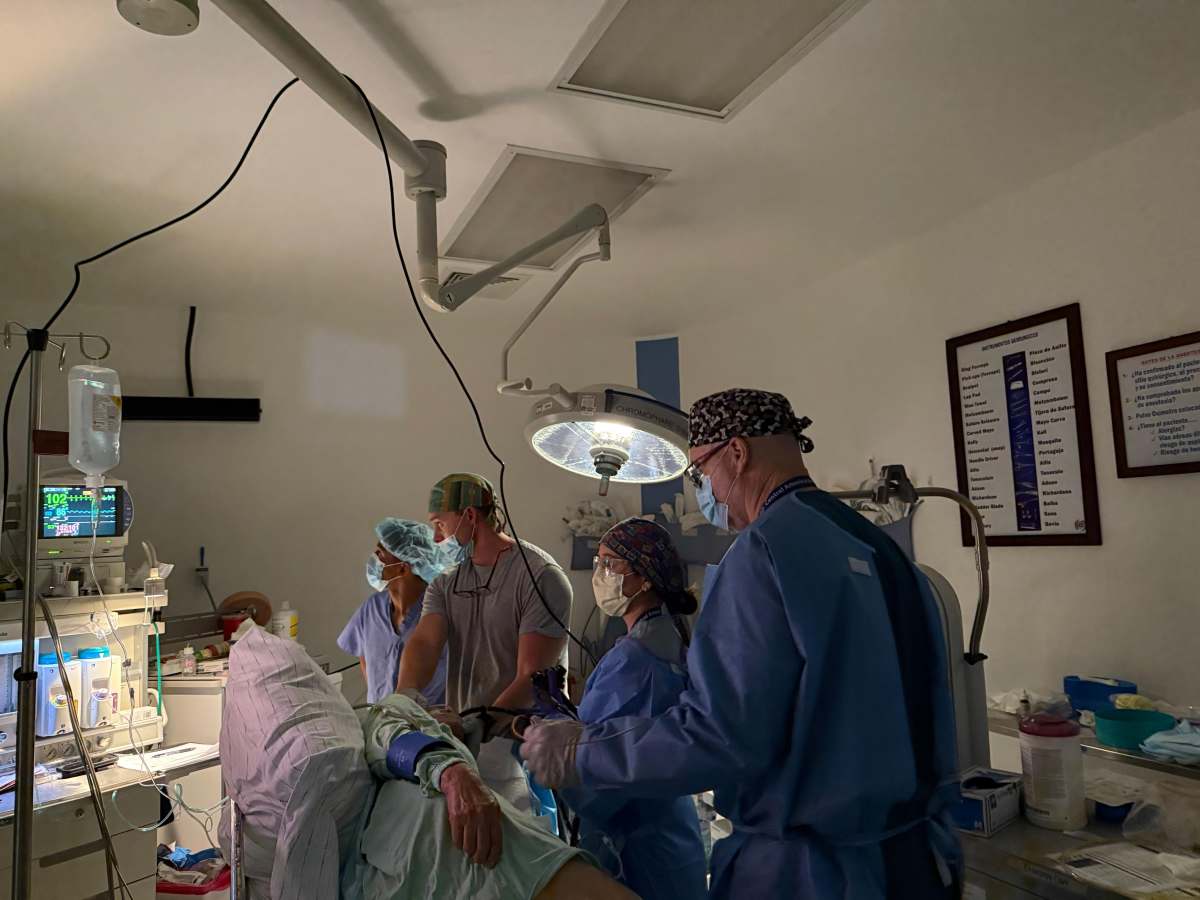
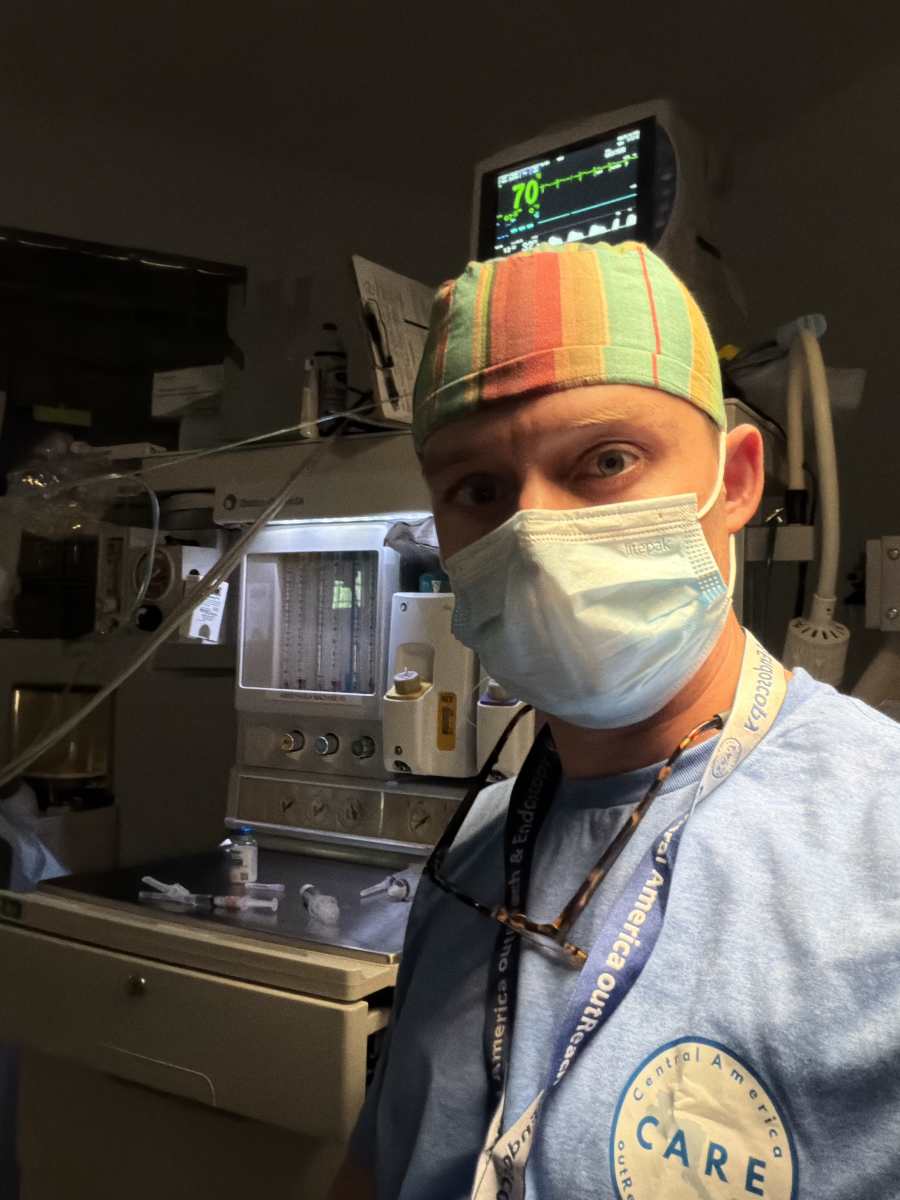

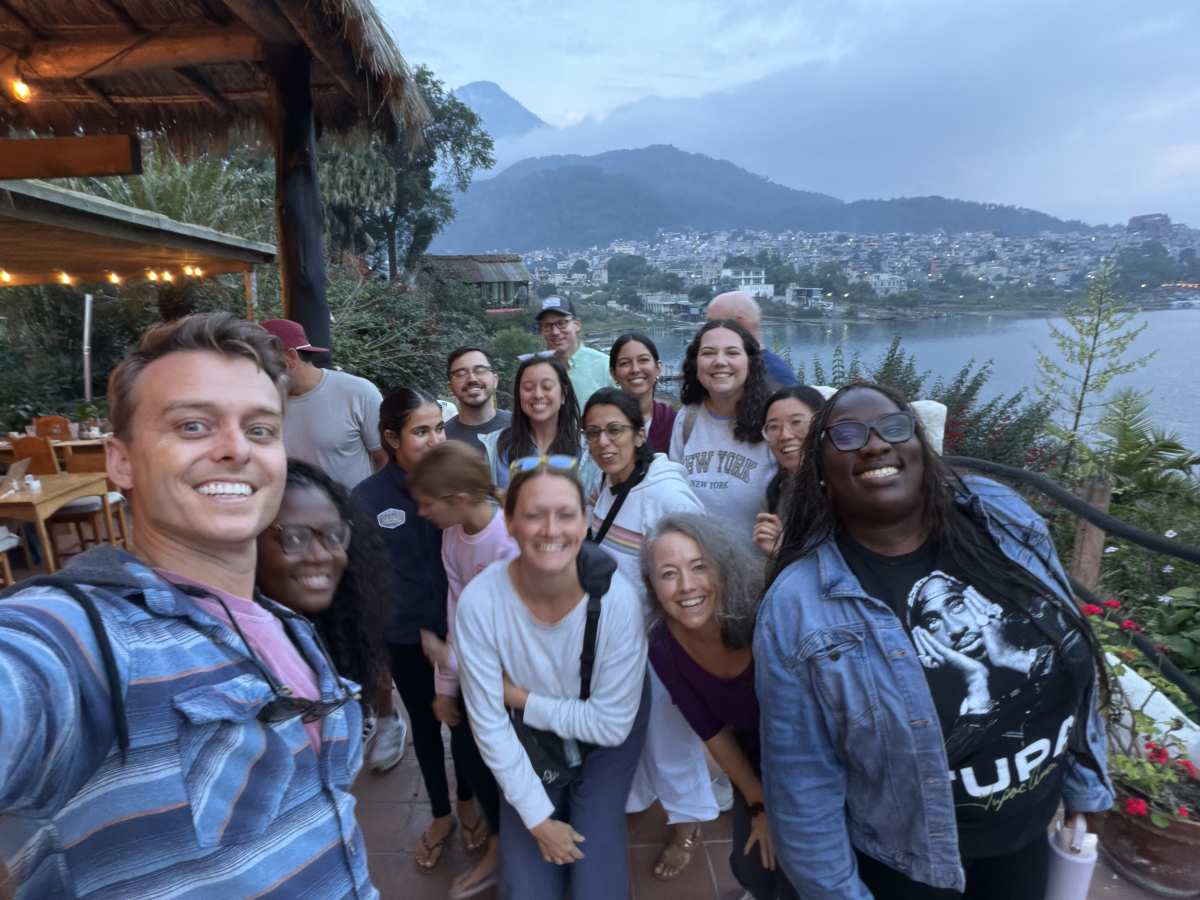
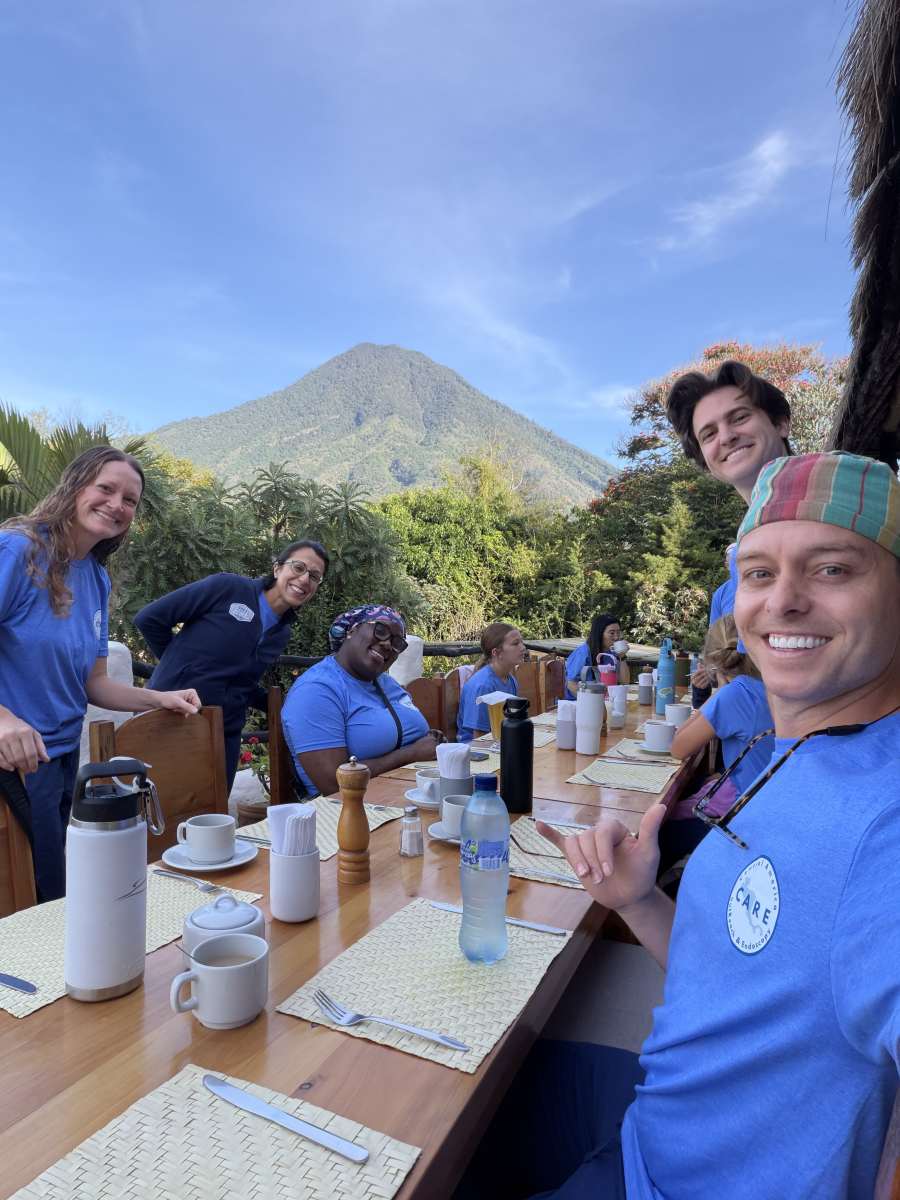


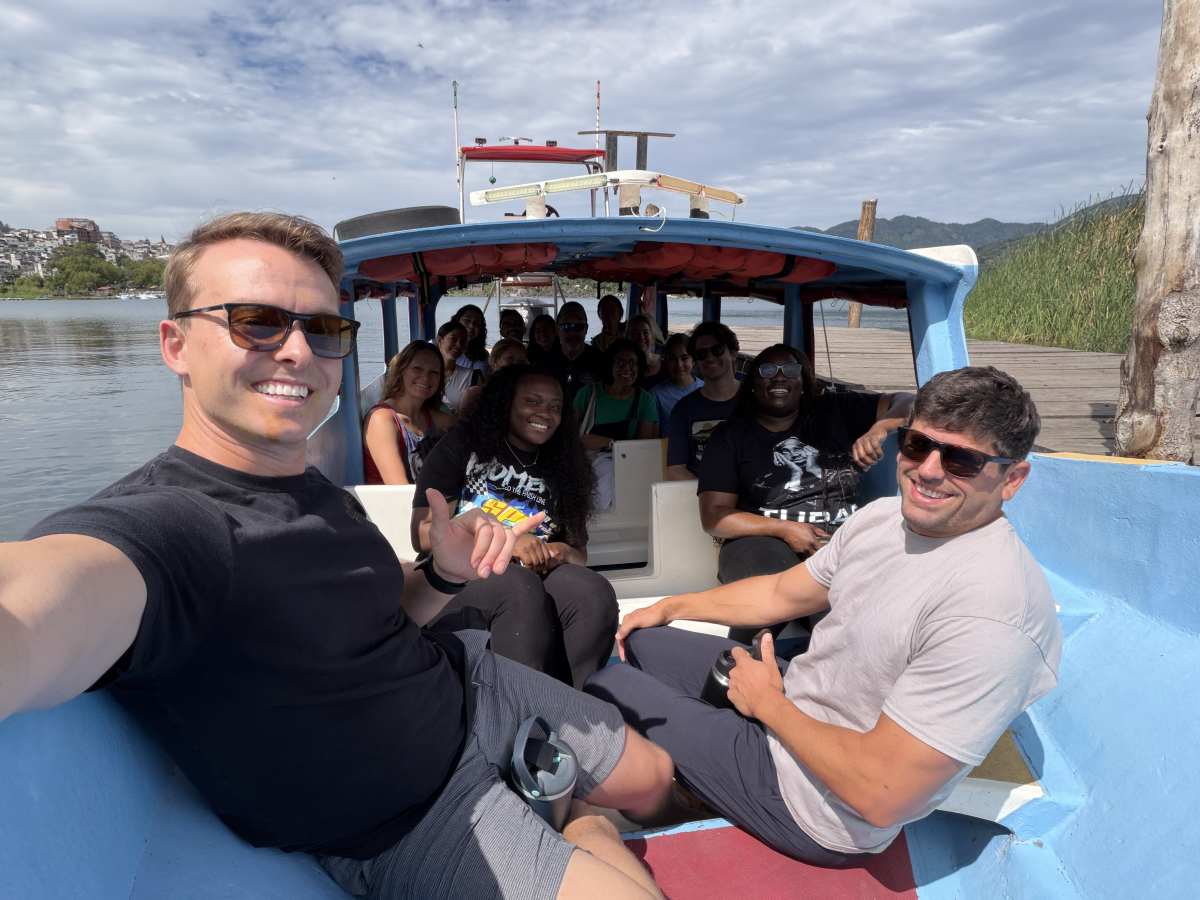




All of the nurses and physicians at Hospital Atitlán were incredible hosts for our medical mission trip. Our MUSC endoscopy team performed more than 50 procedures for patients who otherwise may not have received care.
Our entire team worked seamlessly together—whether bringing patients back, keeping supplies stocked, assisting with translations, or supporting patient care. Every person played an important role.
In addition, our expert clinic team—Mark, Julie, and Matt (formerly known as MJM)—provided support and a variety of diagnostic services for patients throughout the week. Half of our team also traveled to the Western Highlands of Guatemala to paint a school with School of the World.
Needless to say, the mission was more successful than we could have imagined, and I feel fortunate to have been one of only two anesthesia providers on the trip.
The experience filled us with joy each day and rekindled our passion for what we do as healthcare providers. We made unforgettable memories and formed bonds that will last a lifetime. It truly was an incredible group, full of passion, fun, and laughter all week long.
None of this would have been possible without the support of our medical community and sponsors. A huge thank you to our MUSC community for helping us raise the funds and supporting our mission. We would also like to give a special shoutout to our grant partners, The Doximity Foundation and CHG Healthcare Foundation, for helping make this mission possible.
Rob