
Together with Dr. Amon Ngongola, a pediatric surgeon at University Teaching Hospital in Lusaka, and colleagues from the American College of Surgeons and the Zambia Association of Pediatric Surgeons (ZAPS), I plan to participate in a collaborative pediatric surgical outreach program in Livingstone, Zambia. In Zambia, specialized surgical services remain concentrated in urban centers, leaving families in rural areas to navigate prohibitive travel costs and vast distances — often resulting in delayed or absent treatment for manageable pediatric conditions including hernias, tumors, congenital anomalies, and burns. This locally-run outreach program addresses this gap by delivering timely, elective pediatric surgical care directly to underserved communities.
Our surgical team will perform both routine and complex surgical care — from hernia repairs to interventions for congenital anomalies — bringing essential care to children who would otherwise go without. Equally important is our commitment to sustainable impact: through hands-on training and mentorship, we work to transfer critical surgical skills to local healthcare providers, strengthening the long-term capacity of rural Zambia to care for its own. This mission builds on our outreach in Kabwe, Zambia in January 2026, where our team provided surgical care to approximately 60 pediatric patients over just three days. The upcoming Livingstone program will go further, with a dedicated focus on evaluating how nutritional status influences surgical readiness, postoperative outcomes, and overall program effectiveness.
Local general surgeons, surgical trainees, and pediatric patients will be the principal beneficiaries of our outreach program. Livingstone serves a catchment area of roughly 1.2 million people across Zambia's southern region, yet only around 500 pediatric surgeries are performed annually — underscoring a critical gap in access and capacity. This concentrated effort addresses immediate patient need while creating meaningful opportunities for local skill development. Working alongside experienced mentors, local surgeons and trainees will gain hands-on experience in advanced techniques, forge lasting collaborative relationships, and build the expertise needed to sustain high-quality pediatric surgical care long after the outreach concludes.
This outreach initiative will drive meaningful impact across three interrelated dimensions: patient access, provider development, and knowledge exchange.
For patients, the program directly confronts the urgent shortage of pediatric surgical care in one of Zambia's most underserved regions — delivering timely interventions for children who would otherwise face prolonged delays or no treatment at all. For local providers, it strengthens professional networks and builds lasting capacity through targeted skills transfer, mentorship, and collaborative practice that extends beyond surgical technique to encompass perioperative workflows and pediatric-specific management. The initiative also advances a collective understanding of how nutritional status shapes surgical readiness and outcomes, weaving this focus into both direct patient care and the educational opportunities offered to local clinicians.
For me, the impact is personal and profound. Working cross-culturally in a resource-limited setting has sharpened my clinical reasoning, challenged my assumptions, and deepened my ability to adapt across diverse environments. Witnessing how skilled teams deliver high-quality care under significant resource constraints reframes what is truly essential in medicine — a perspective of immense value in the United States, where rising costs increasingly threaten equitable access to effective care.
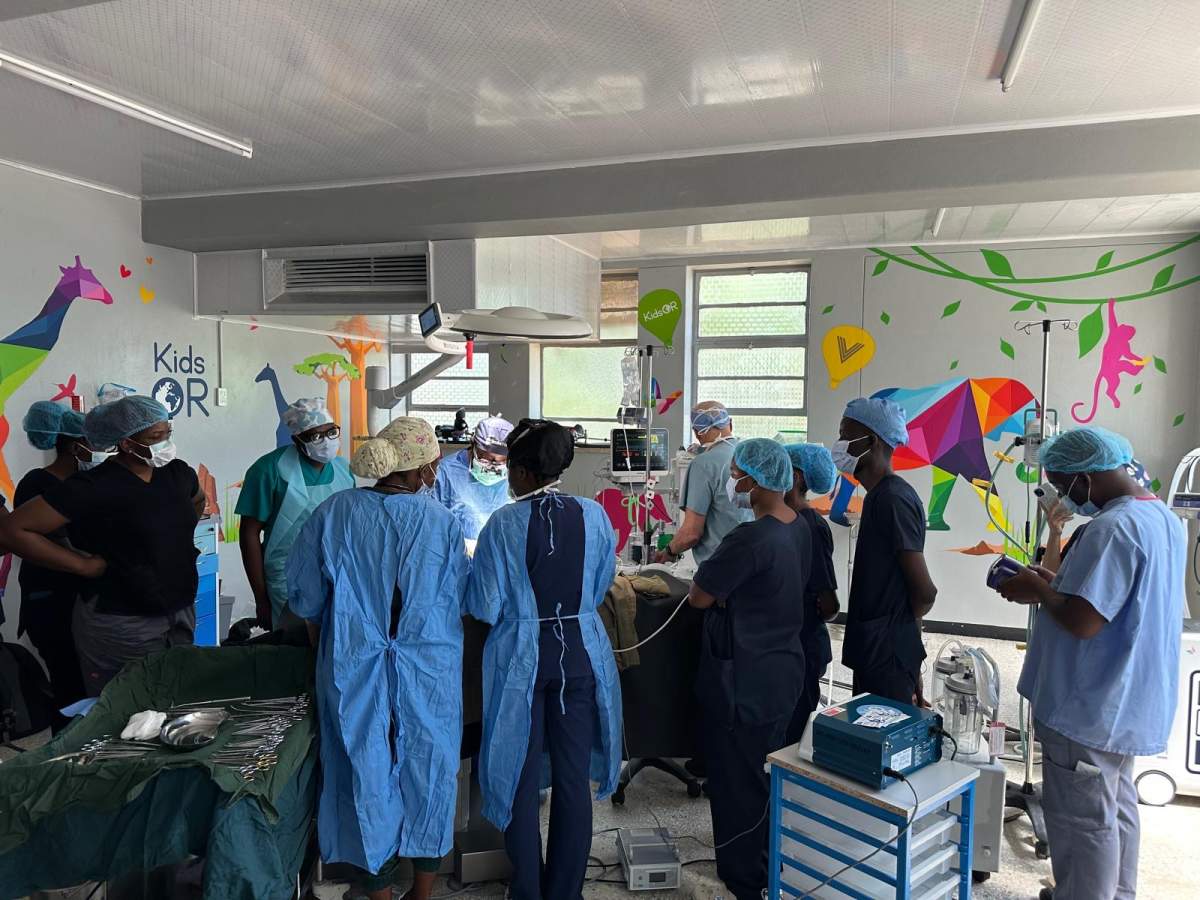
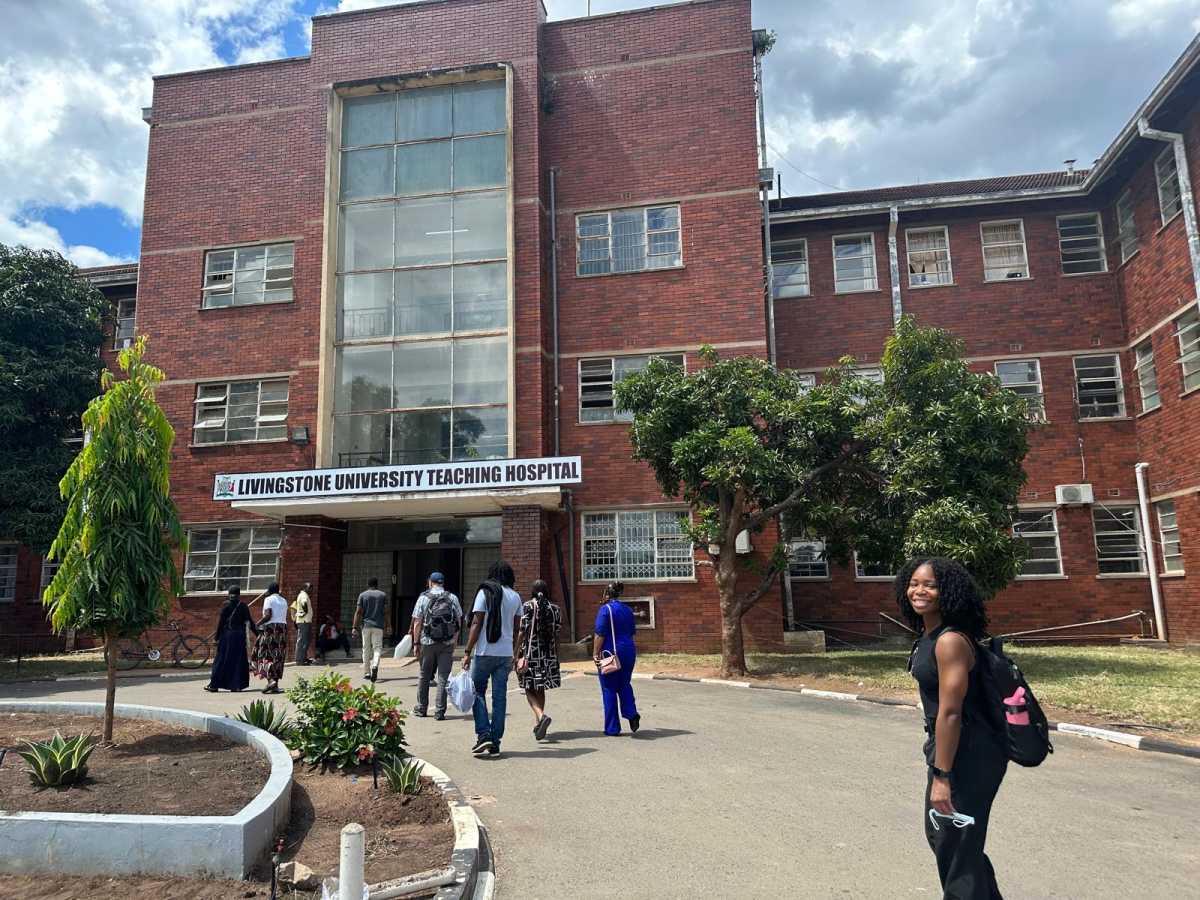
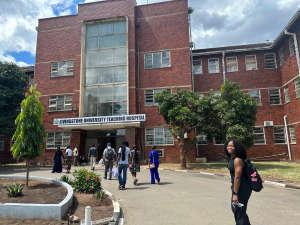
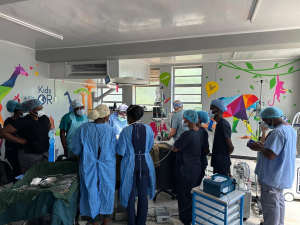
In this outreach, we provided surgical care to more than 30 children during the course of 3 days. Some of these children were from remote areas around Livingstone and traveled more than 2 hours to receive care from an experienced team of pediatric surgeons and pediatric anesthesiologists. We also provided educational training to surgical registrars, anesthesia interns, and nursing students on the preoperative care of children.