This is a medical mission to an underserved region of Vietnam. During this trip, our surgical team will provide specialized care to pediatric patients with limited or no access to reconstructive surgery. The primary focus will be cleft lip and cleft palate repair, along with other essential procedures such as correction of polydactyly and syndactyly and removal of benign masses.
These conditions, while often treatable with routine surgery in well-resourced settings, can have profound consequences when left untreated. Children born with cleft lip and palate frequently experience difficulty with feeding, speech development, hearing problems, and recurrent infections. Surgical repair significantly improves their ability to eat, speak, and grow normally while also reducing long-term medical complications. Similarly, correcting hand anomalies such as polydactyly and syndactyly can greatly enhance hand function, dexterity, and independence during critical developmental years.
Beyond the physical benefits, these procedures can have a transformative effect on a child’s social well-being and self-confidence. In many communities, visible congenital differences can lead to social stigma, isolation, or barriers to education. Restorative surgery not only improves physical health but also helps children integrate more fully into school and community life.
The mission also provides an opportunity to collaborate with local physicians and healthcare staff, helping to share surgical techniques and strengthen long-term capacity for treating these conditions locally. This partnership fosters sustainable impact beyond the duration of the mission itself.
The primary beneficiaries of this project are pediatric patients in underserved regions of Vietnam who have untreated congenital conditions such as cleft lip, cleft palate, polydactyly, syndactyly, and other benign masses. Many of these children come from rural or low-resource communities where access to specialized surgical care is extremely limited. Without intervention, these conditions can lead to significant challenges with feeding, speech development, hand function, recurrent infections, and overall physical development.
This population is prioritized because many families lack the financial resources, geographic access, or specialized healthcare infrastructure required for reconstructive procedures that are routine in higher-resource settings. In some areas, pediatric reconstructive surgery is either unavailable or limited to major urban centers that are difficult for rural families to reach.
By focusing on pediatric patients in underserved communities, this project addresses conditions that are highly treatable but often neglected due to barriers in access to care. Early surgical intervention can create lifelong improvements in health, function, and quality of life, benefiting not only the individual child but also their family and community.
The expected impact of this mission is the delivery of life-changing surgical care to children who otherwise have little access to reconstructive services. Beyond the physical outcomes, these surgeries often have a profound psychosocial impact by reducing stigma and improving self-confidence and social integration for pediatric patients.
In addition to direct patient care, the mission emphasizes collaboration with local healthcare providers. Working alongside local surgeons, anesthesiologists, and nursing staff creates opportunities to exchange knowledge, discuss surgical techniques, and strengthen local capacity for managing similar conditions in the future. Even small improvements in shared protocols, perioperative care, and surgical approaches can help expand the ability of local teams to treat patients after the mission concludes.
The learnings from this experience will also carry forward after returning home. Exposure to practicing medicine in a resource-limited environment strengthens adaptability, efficiency, and thoughtful resource utilization—skills that are valuable in any healthcare setting. Observing how different health systems manage barriers to care can also inform future work with underserved populations in the United States.
Finally, the experience will be shared with colleagues and trainees through discussion, case review, and education, helping to encourage continued global health engagement and service. These insights will help inform future mission participation and strengthen ongoing partnerships that aim to provide sustainable surgical care to underserved communities.


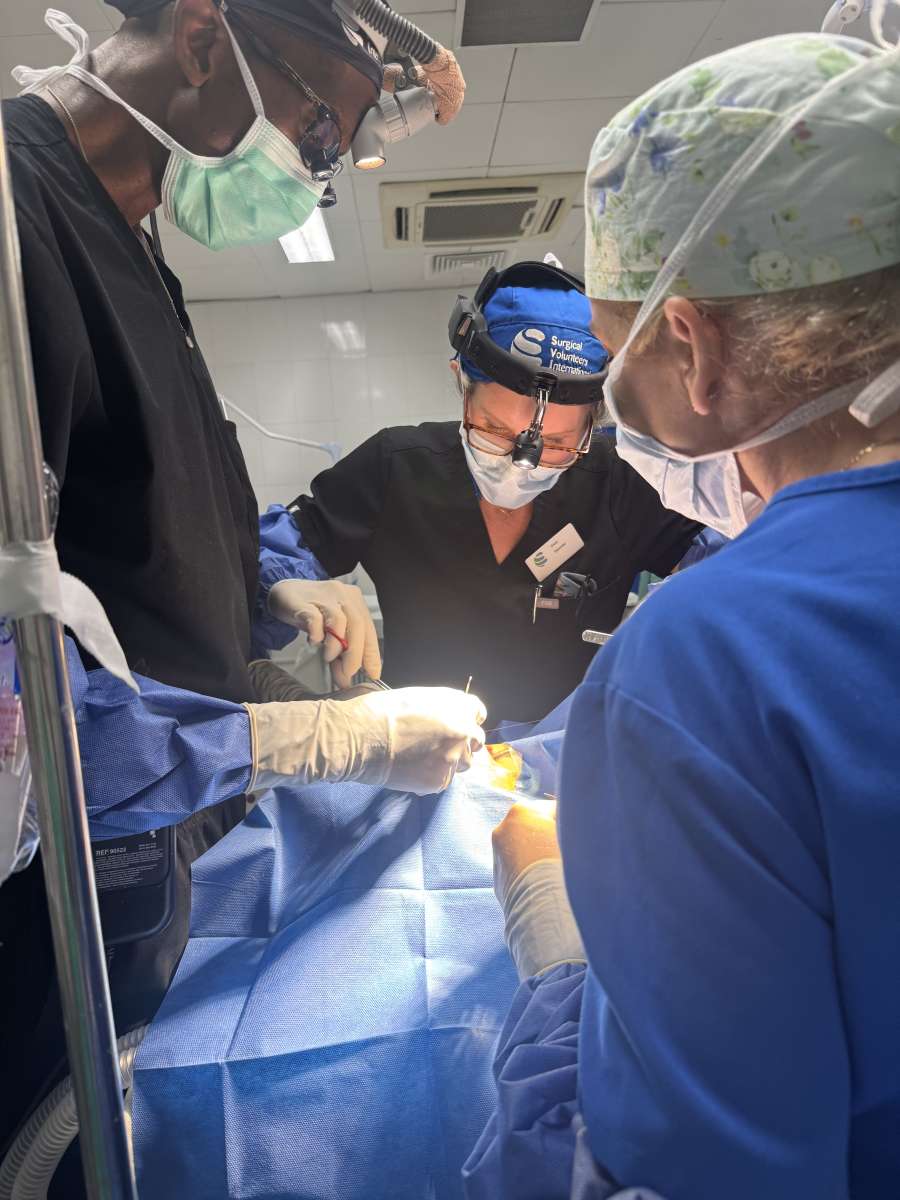






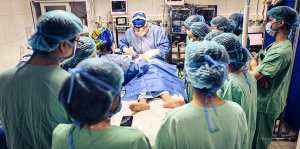


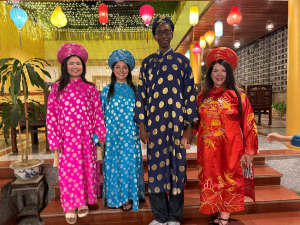
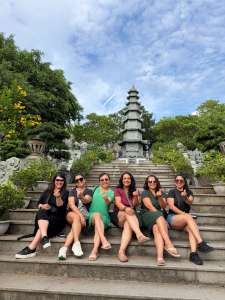
Our team had the privilege of serving at the Hue University of Medicine and Pharmacy Hospital in Hue, Vietnam, where we provided surgical care to children with cleft lips and palates, hernias, hypospadias, burn scar contractures, and other congenital and acquired conditions. During our week long mission, we successfully performed 51 surgeries, restoring function, improving quality of life, and giving many children and their families renewed hope.
In addition to caring for patients, our mission focused on education and sustainability. Our pediatric surgeons and pediatric anesthesiologists delivered daily lectures to local residents, sharing techniques and best practices to strengthen future surgical care. Medical students and residents also observed and scrubbed into cases, gaining valuable hands on experience and a deeper understanding of these complex reconstructive procedures.
Like many international medical missions, we encountered challenges, including deficiencies in anesthesia equipment and resources. Through teamwork, careful planning, and adaptability, we developed safe solutions that allowed us to provide the highest standard of care possible despite these limitations. These experiences reinforced that outstanding patient care depends not only on technology but also on preparation, collaboration, and clinical judgment.
This mission was an incredibly rewarding reminder of why I chose medicine. Witnessing the immediate transformation in these children’s lives and the gratitude of their families was profoundly moving. Equally meaningful was helping educate the next generation of Vietnamese physicians, creating an impact that will continue long after our team has returned home.
The experience strengthened my appreciation for the resilience of our patients, the dedication of our local colleagues, and the privilege of using my skills to serve those with limited access to specialized surgical care. It also reminded me that even one week of volunteering can create lasting change for dozens of patients and inspire lifelong partnerships in global health. I hope others will consider participating in medical missions, as the opportunity to heal, teach, and learn is every bit as life changing for the volunteer as it is for the patients we serve.