I plan to travel to Trujillo, Peru to participate in a Medical Spanish Immersion program combined with weekly community health fairs with Medical Electives Peru. Through this experience, I will strengthen my ability to communicate directly with Spanish-speaking patients in a clinical setting, improving not only my language skills but also my cultural understanding of the populations I serve.
While in Peru, I will assist in health fairs that provide basic medical care, education, and resources to underserved communities. These experiences will allow me to engage with patients in a meaningful way, build trust, and contribute to improving access to care for individuals who may otherwise face barriers to healthcare.
As part of the program, each week I will take part in community health fairs in Trujillo, working with local organisations to support underserved communities. These communities often include low-income families, individuals with limited access to regular healthcare, and those facing language, financial, or geographic barriers to care. This population will benefit from increased access to basic medical services, health education, and early screenings that can help prevent or better manage chronic conditions. Focusing on this population is especially important because gaps in access to care can lead to delayed diagnoses and poorer health outcomes, making community-based outreach both impactful and necessary.
This opportunity will have a lasting impact beyond my time abroad. At my current residency in Centreville, Alabama, nearly half of my patients are Spanish-speaking, and language differences can create significant challenges in delivering safe and effective care. By gaining confidence in medical Spanish and cultural competency, I will be better equipped to reduce these communication barriers, improve patient understanding, and enhance overall health outcomes.

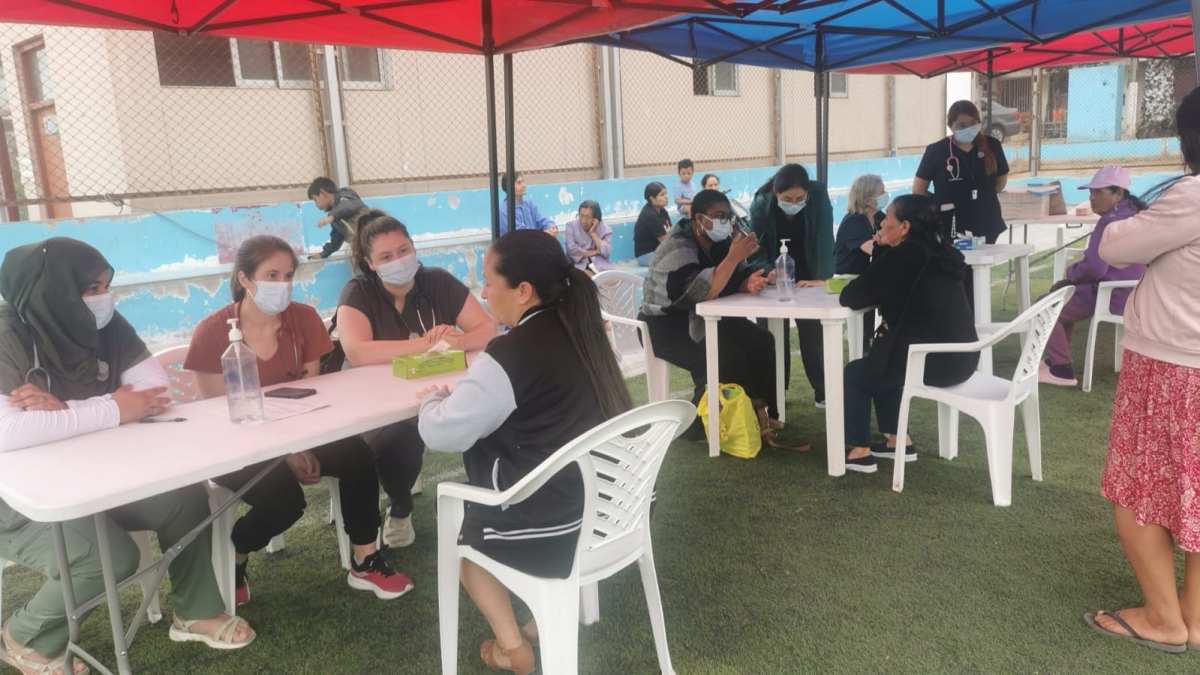
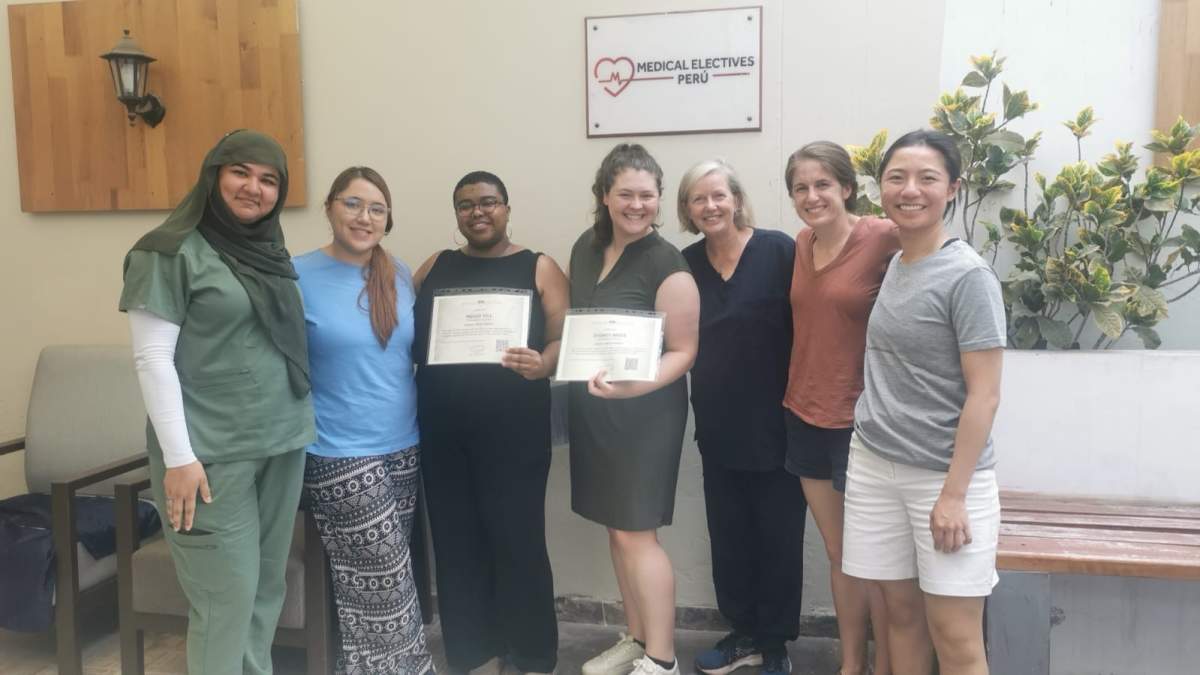
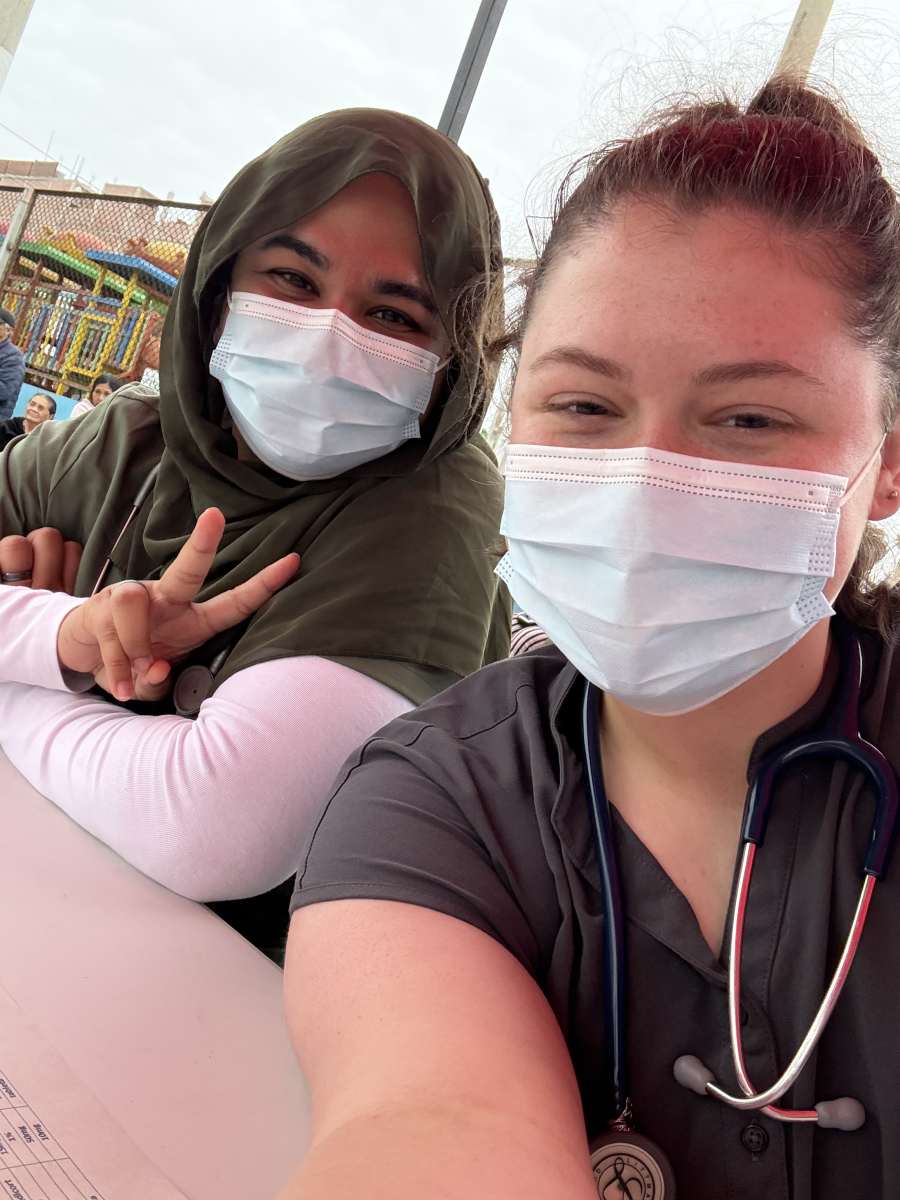


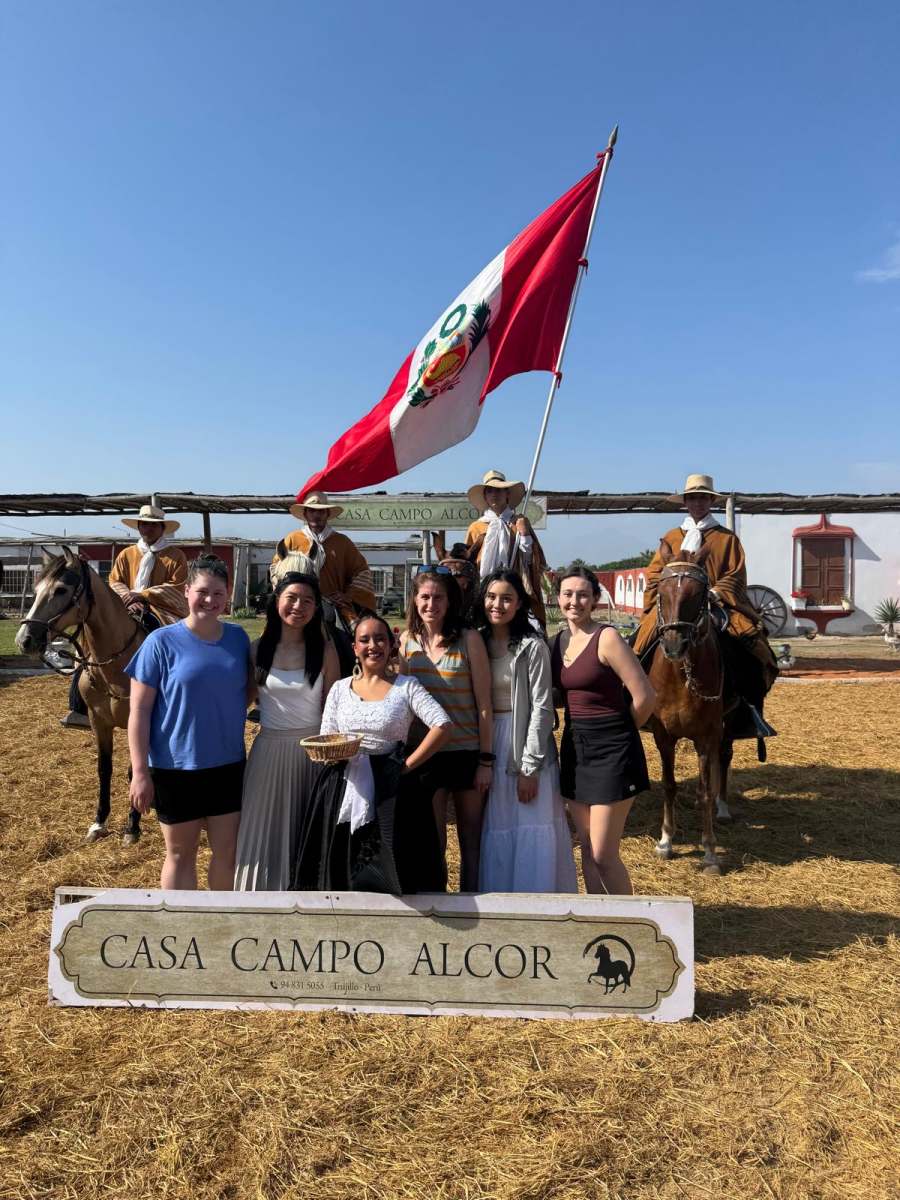
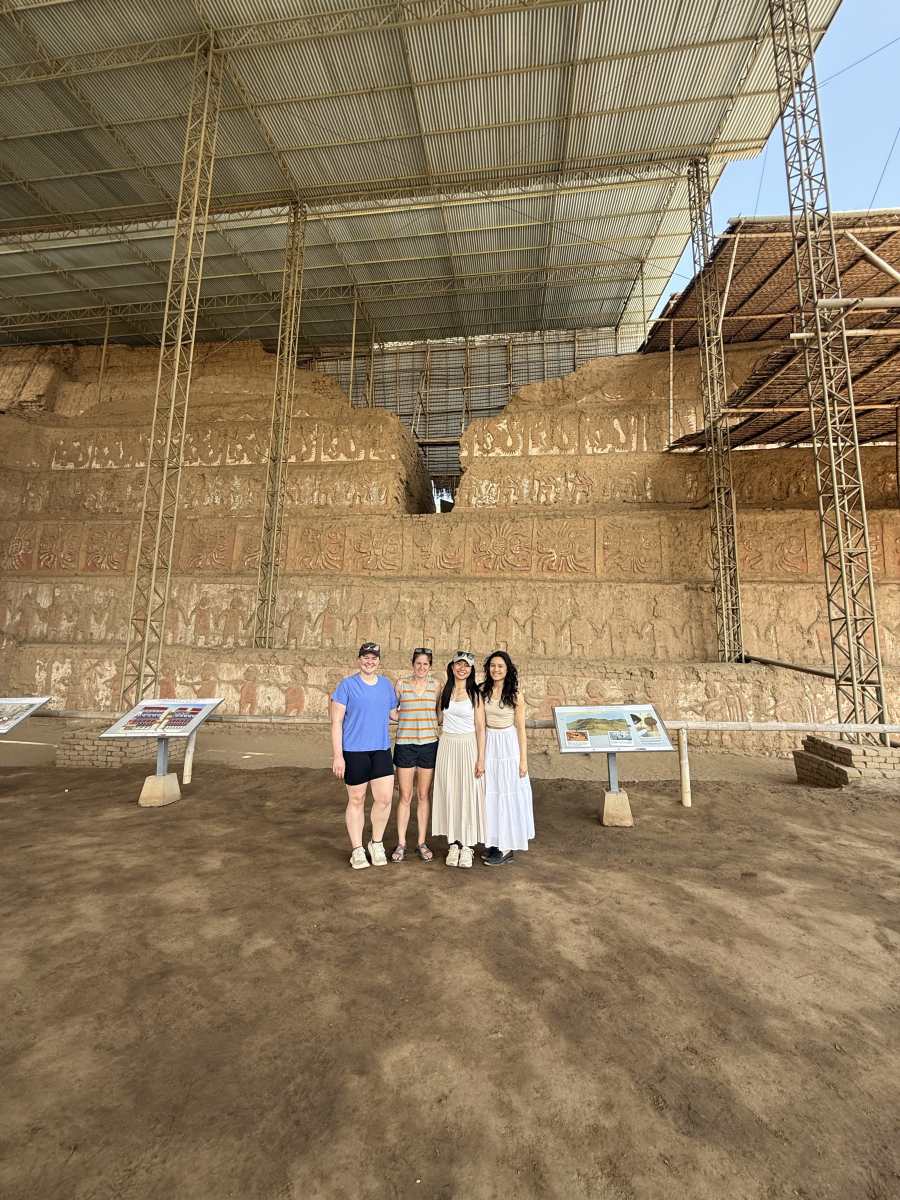
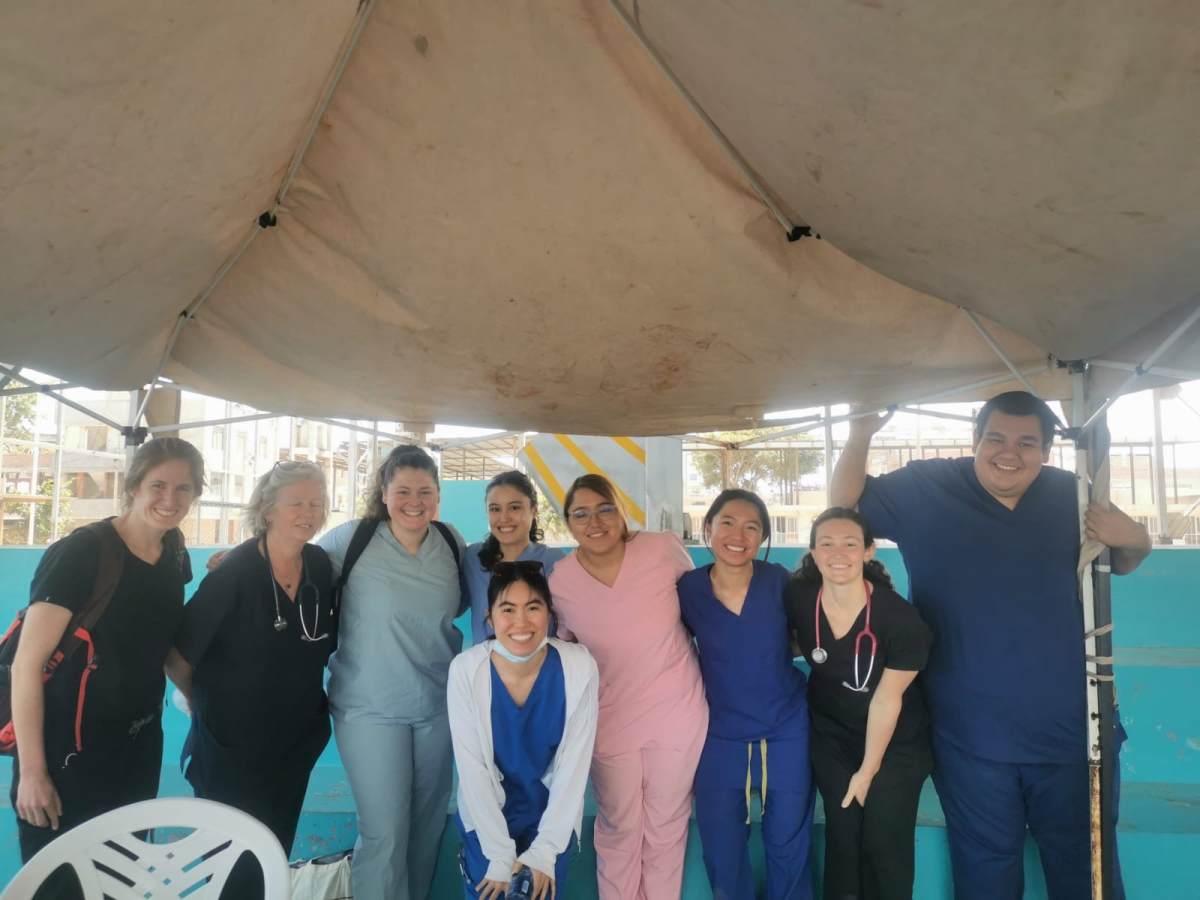
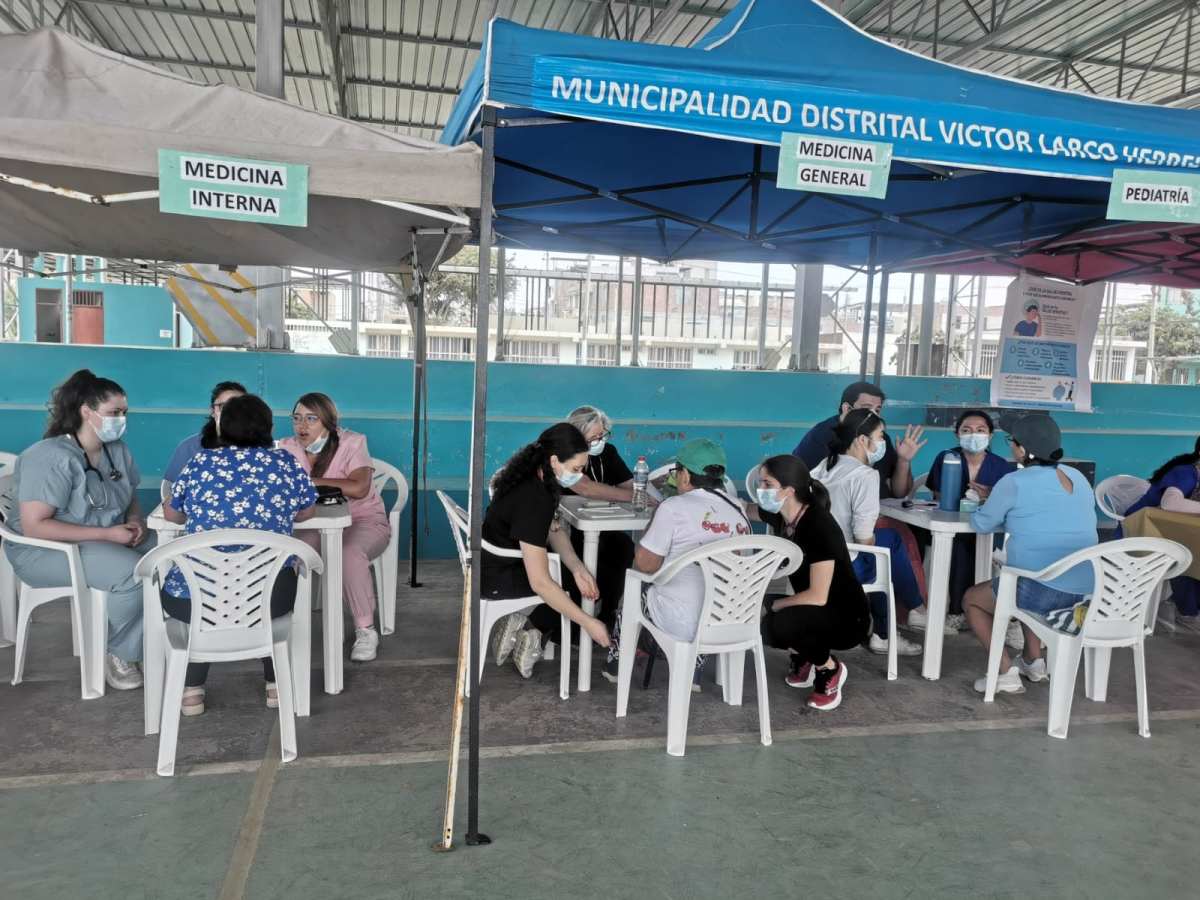
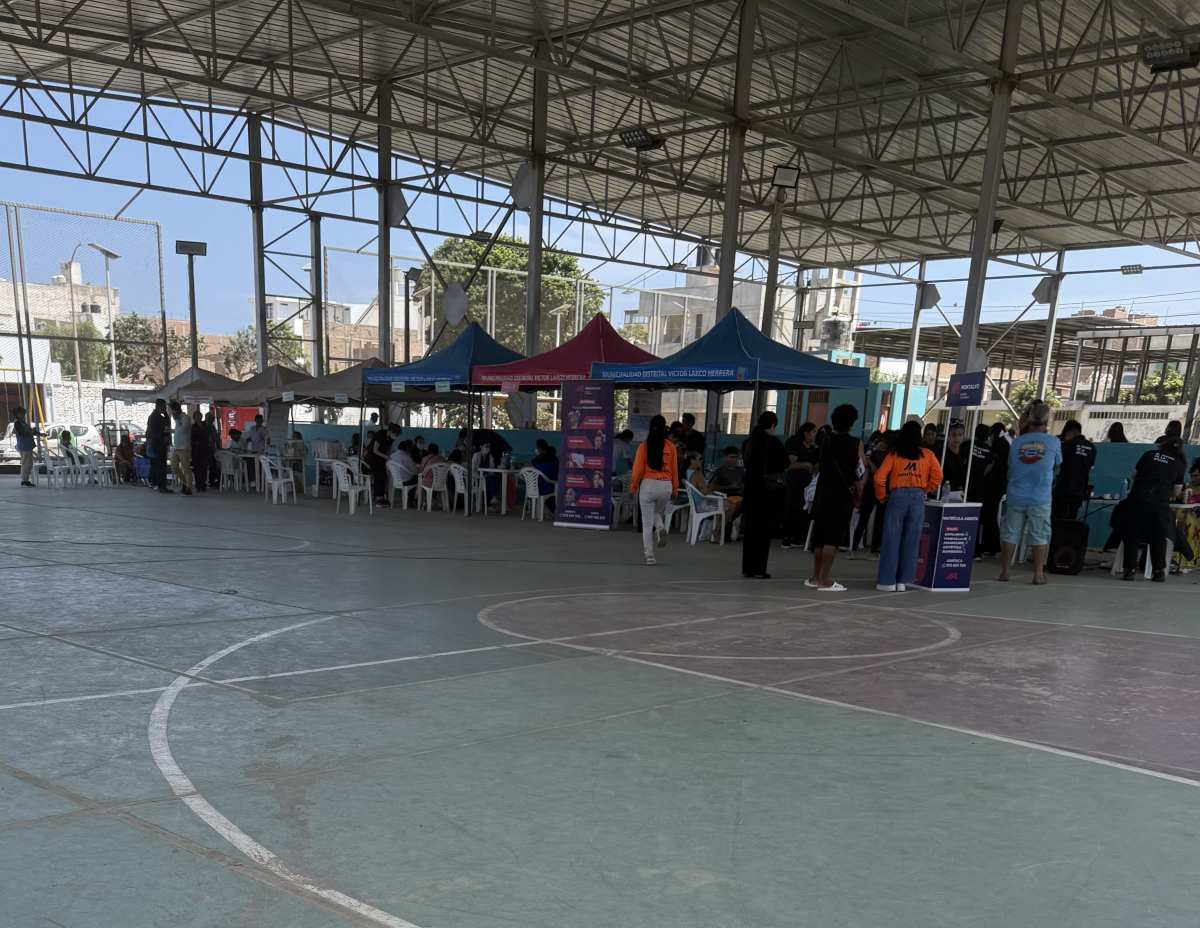

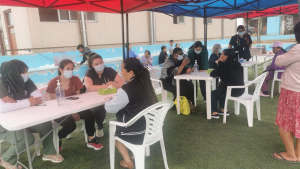
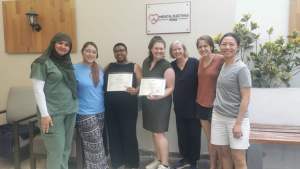
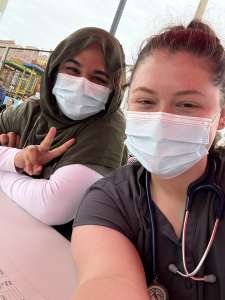


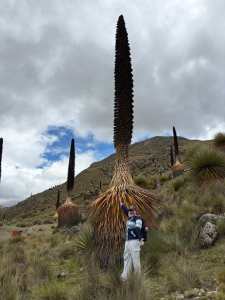
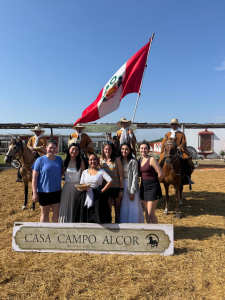
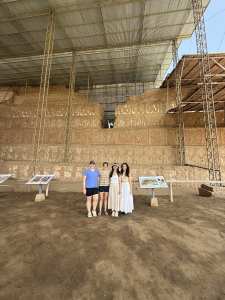
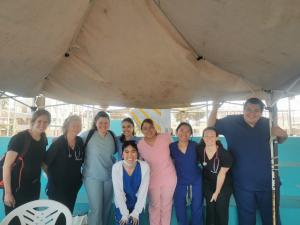
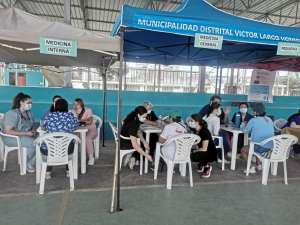
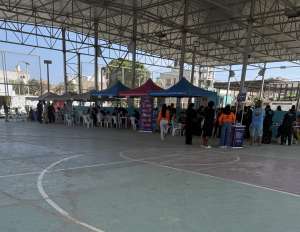
I participated in a three-week medical mission in Trujillo, Peru, through Medical Electives Peru. The program offers participants the opportunity to focus on intensive Spanish language acquisition alongside weekly health fairs, known as "campañas." Alternatively, those with intermediate proficiency may opt for hospital clinical rotations in the morning followed by afternoon language instruction. Based on an initial assessment, I was placed in the beginner track, which consisted of seven hours of daily Spanish instruction and Friday health fairs providing free medical care to the local community. Many of the patients presented with conditions common in the United States-such as diabetes, hypertension, and lower back pain-though the primary challenge was communicating exclusively in Spanish. This immersion significantly enhanced my medical Spanish proficiency and provided a deep cultural experience, further enriched by living with a local host family. Since returning to the United States, I have found that my improved language skills have already significantly enhanced my ability to communicate with and care for my Spanish-speaking patients. I highly recommend this comprehensive and transformative program to any healthcare professional seeking to improve their Spanish proficiency.