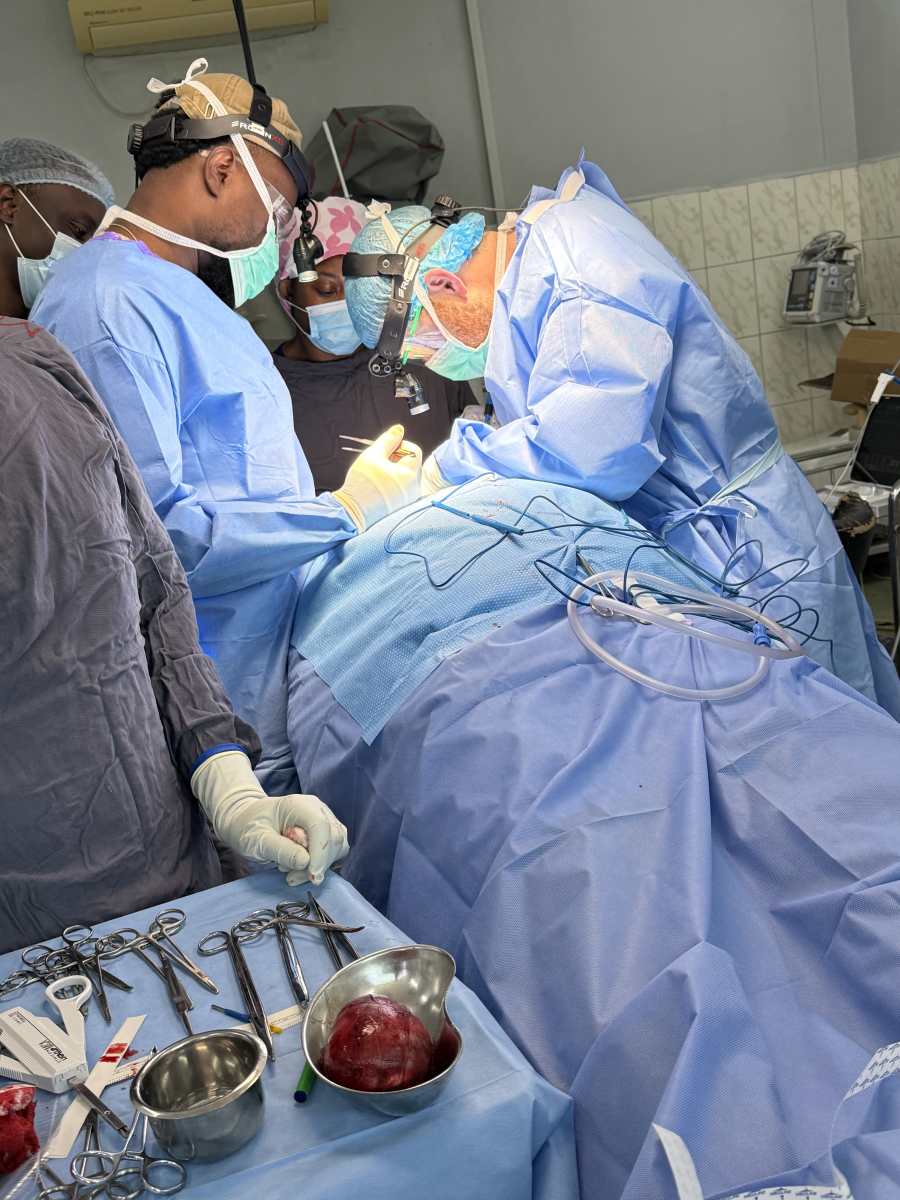
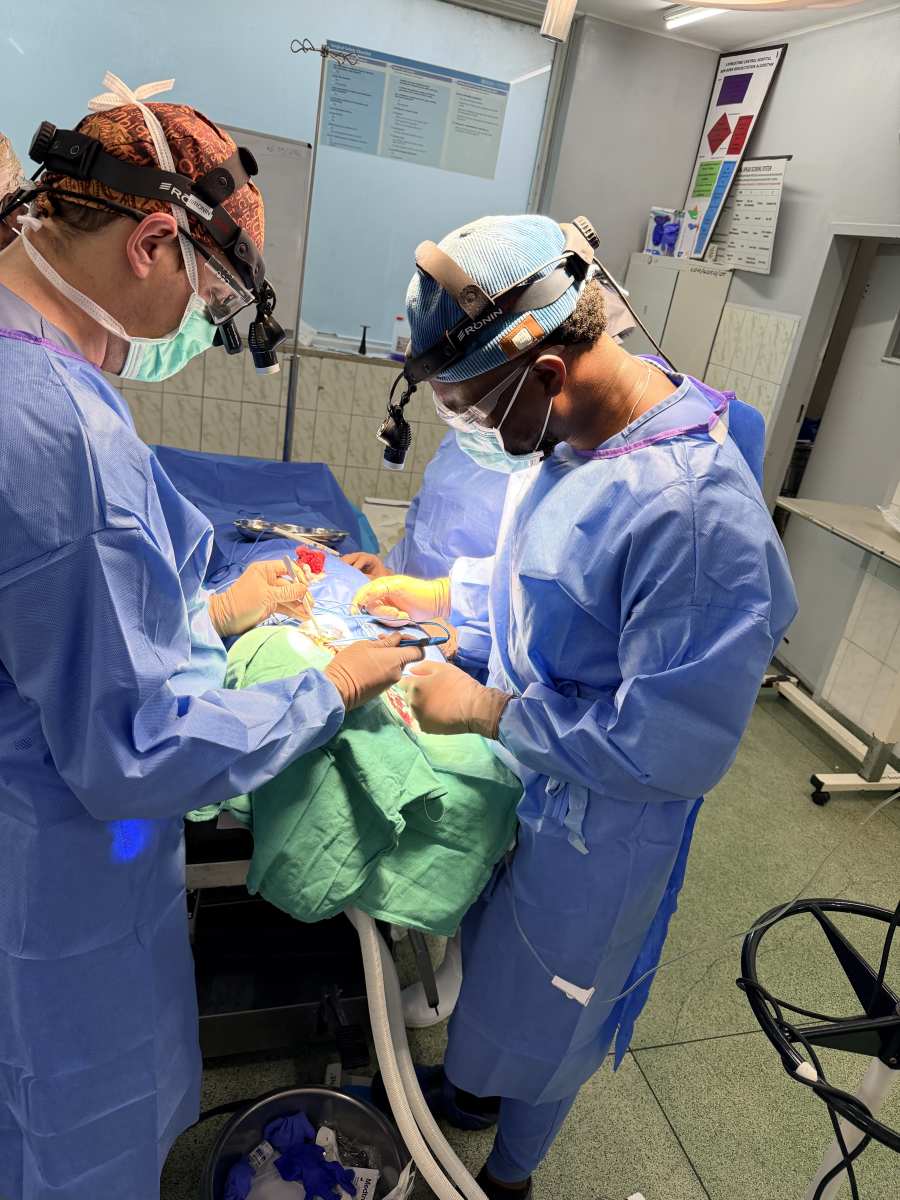
Establish a new operating site in Zambia. Team Heart of Texas will embark on their second mission to Zambia. Last year we performed over 85 life changing surgeries in Uganda. Our team is focused on complex head and neck surgery for thyroid goiters and neck masses in adults and children.
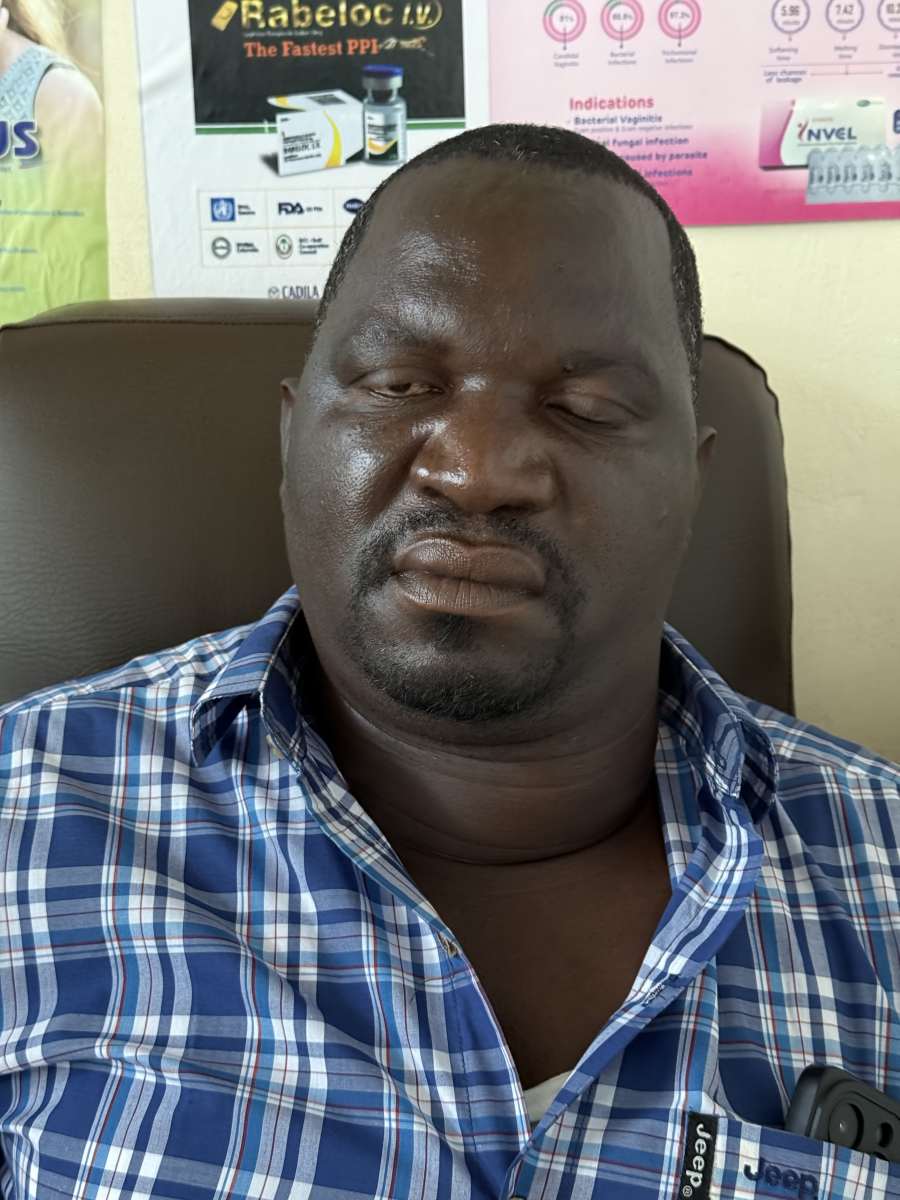
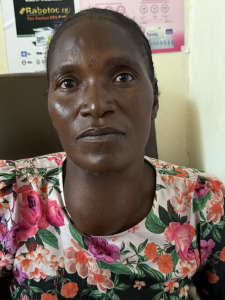
Poor people of Zambia in need of surgical care.
Expect to complete 75-100+ surgeries. Establish relationship with local teaching hospitals and government. Educating local doctors and residents.









Mosi-oa-Tunya - “the smoke that thunders”.
Despite a long history of indigenous knowledge about one of the most magnificent waterfalls in the world, the site was renamed by David Livingstone in1855 with the inferior moniker “Victoria Falls.” This is one example of many in which westerners can erase African culture with imperial sentiment.
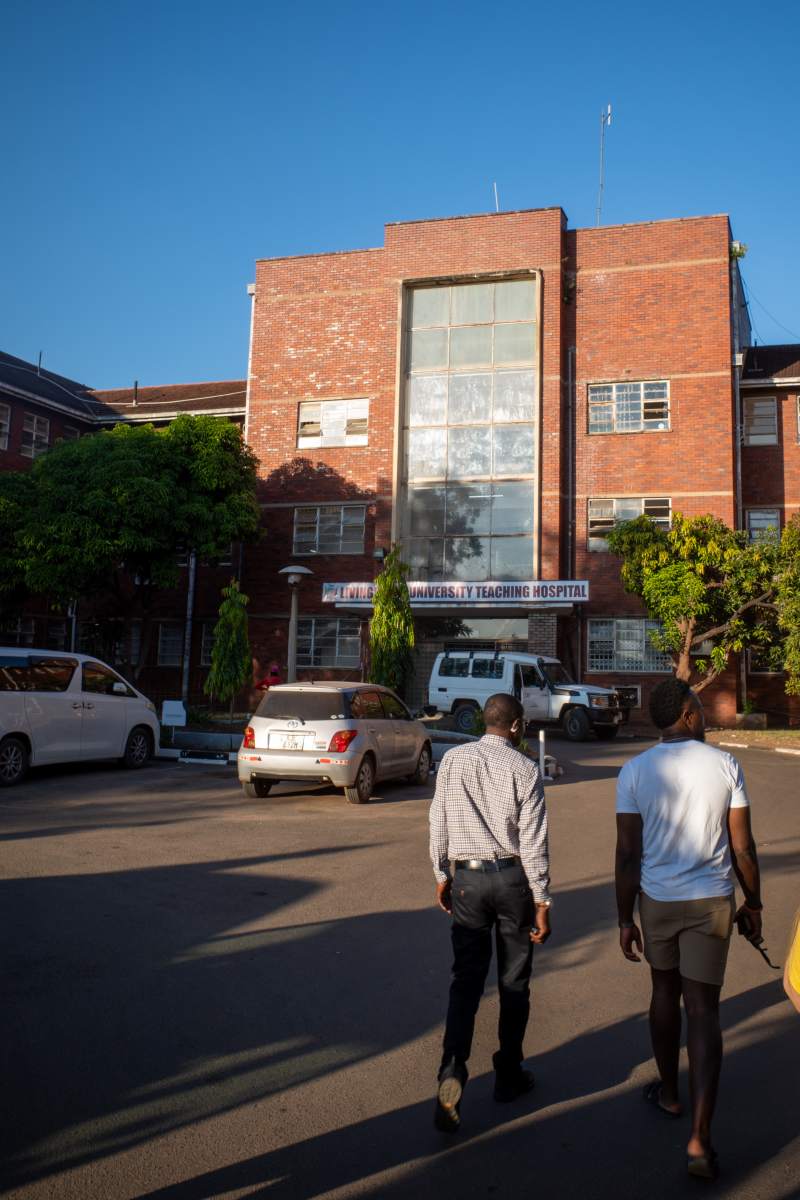
A mere 20 minute drive from Mosi-Oa-Tunya, up the Zambezi River, Livingstone University Teaching Hospital stands as an active, bustling teaching hospital with its own needs and rhythms. When we arrived to set up for surgeries in a way that worked last year in Uganda, I was reminded that I still feel so new to global health work and the different regions and cultures we serve. This year, we were the first western surgical team to visit LUTH in many years. As we sought to establish a new site and form solid relationships with the local medical team, the fraught legacy of David Livingstone remained on our minds.
The staff of LUTH takes great pride in their work. They expect to play an active role in the care of patients entering their hospital; prior to our surgeries, they ensured every patient was pre-screened with labs/exams often with imaging. This is a marked change from last year’s experience in Uganda, as prior medical work-ups there were few and far between. This proactive approach helped improve patient safety, especially for ruling out hyperthyroidism within the patients we were treating.
We experienced difficulty, however, in the way our two OR suites were run as separate distinct units. We faced cultural challenges, as our team members crossing between the two units were required to change out of scrubs and change shoes each time. Especially for our anesthesia members, who would need to cross over between units frequently, this became a particular source of friction. These rules were intended to prevent surgical site infections, but such restrictions have long fallen by the wayside in the west. Our team was used to well-equipped facilities containing resources that LUTH lacked. Our hosts were trying to control with the only levers available to them. Likewise, our need for OR space was an adjustment for the LUTH surgeons. While we expanded their surgical capacity, we also limited their surgeons’ abilities to manage their own cases. Then when our surgeries got bumped for their cases, such as a C-section or pediatric exploratory laparotomy, our team had to find the grace to support the local teams and adapt.
Despite these challenges, our hosts were eager to learn from our experience. Numerous registrars, nurses, and scrub techs would join our cases, often seeing surgeries performed they had only read about in textbooks. Our residents/junior doctors led a surgical boot camp on suturing and sterile technique for the local medical students. This training gave the students hands-on experience, which may be lacking in their structured formal education. Lastly, we partnered with other OI critical care team members, who led a critical care medicine course allowing senior residents to experience ventilator settings first hand and practical approach to patients in the ICU. We were thankful to have the support from hospital administration, who had a clear vision for growing the hospital and expanding its capacity to care for patients. They saw the real problem of brain drain and losing good trainees to the capitol city of Lusaka. Their hope was to stem this loss of talent with our assistance in education, thereby expanding their ability to care for complex surgical patients.
I saw our team perform admirably and complete over 71 surgeries in five days. We operated on every case that was appropriate. Some of our members even ventured into the local market to recruit patients with conditions like goiters we were there to treat. Our team was extremely generous, often “passing the hat” to pay for patient expenses like IV contrast, CT scans, labs, and co-pays. Although first impressions were strained, ultimately, our team and our hosts were able to work through our own differences and find commonality in the care of patients. By the end of our time at LUTH, our team and our hosts had fully bonded and gained a greater appreciation of each others’ capabilities and strengths. We look forward to returning to LUTH in the future. We are honored to partner with the proud, hard working staff of surgeons and nurses and help them grow and expand their care for the people of Zambia.
After our surgical equipment was packed up and we had said our good-byes, we ventured down to the falls. The absolute splendor and majesty of the natural world is most apparent there, whether crossing the “Knife” bridge, scrambling up to ‘Danger point”, or just feeling the back draft of mist permeating the meager raincoats failing to keep us dry. The prismatic effect of the mist surrounded us in rainbows at every turn. The embrace of the mist and hospitality of the people will be carried with us.
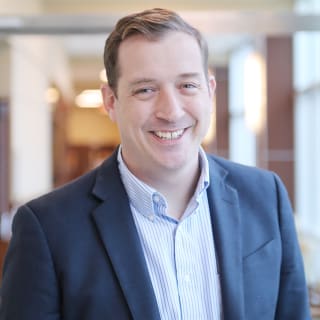
Evan Longfield, MD
Team Leader Heart of Texas: Operation International