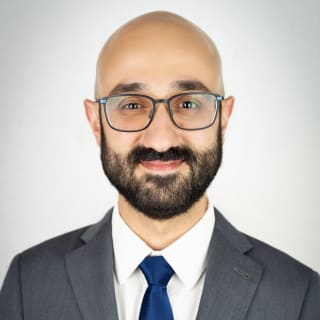
I have spent the last 6 months in Rwanda developing a registry of patients with anorectal malformations (ARMs), which represents 25% of congenital defects worldwide. As congenital defects are the 5th most common cause of pediatric death < 5 years old worldwide, there is significant opportunity to improve care. In Rwanda, the mortality rate for these patients is nearly 70%, compared with <1% in HICs.
My project is to return to Rwanda and implement a prospective data registry and quality improvement initiative. I am going to train local coordinators to follow up with patients, keep track of their care and appointments, and help develop a system in the hospital to keep track of these patients.
Another part of my strategy is to implement a "patient passport" system. I will be printing and delivering passports for families to use to keep track of their own care and reduce the stigma associated with ARMs. A similar passport system has proven to be effective in Kenya, and I hope to model their success in Rwanda. Right now, there is effectively one tertiary referral hospital that manages these patients (University Teaching Hospital of Kigali), and I will focus my efforts here.
Once I arrive in Rwanda, I will spend my time implementing the above strategies. I will also be traveling to Uganda during this trip to implement this plan at Mbarara hospital. Making this a multinational project will help me expand this in the future, beyond East Africa.
Patients with anorectal malformations (a broad spectrum of disorders classified as congenital defects) will benefit from this, as well as their parents and family members. Additionally, the passport system will be useful for clinicians in Rwanda and Uganda to better keep track of their care and ensure patients are not getting lost to follow-up, leading to significant complication and delays in care.
The expected impact is broad - surely there will be scholarly output and literature produced, which I hope will be a model that can be adapted in other low-resource settings. Additionally, as ARM's represent a significant portion of congenital anomalies, and have high mortality rates in East Africa, by establishing this project in Rwanda and Uganda, we can help better improve the outcomes for these patients. By expanding my registry to include prospective data with the implementation of the passport system and tracking system, we should be able to quantify the improvement in the care for these patients.
I will return to Rwanda in the future to ensure continuation, as well as continue to seek funding for this project to continue. I will also be traveling with a medical student who intends to continue work in Rwanda for the next year during her MPH year, which will ensure continuity of this projection the near future.

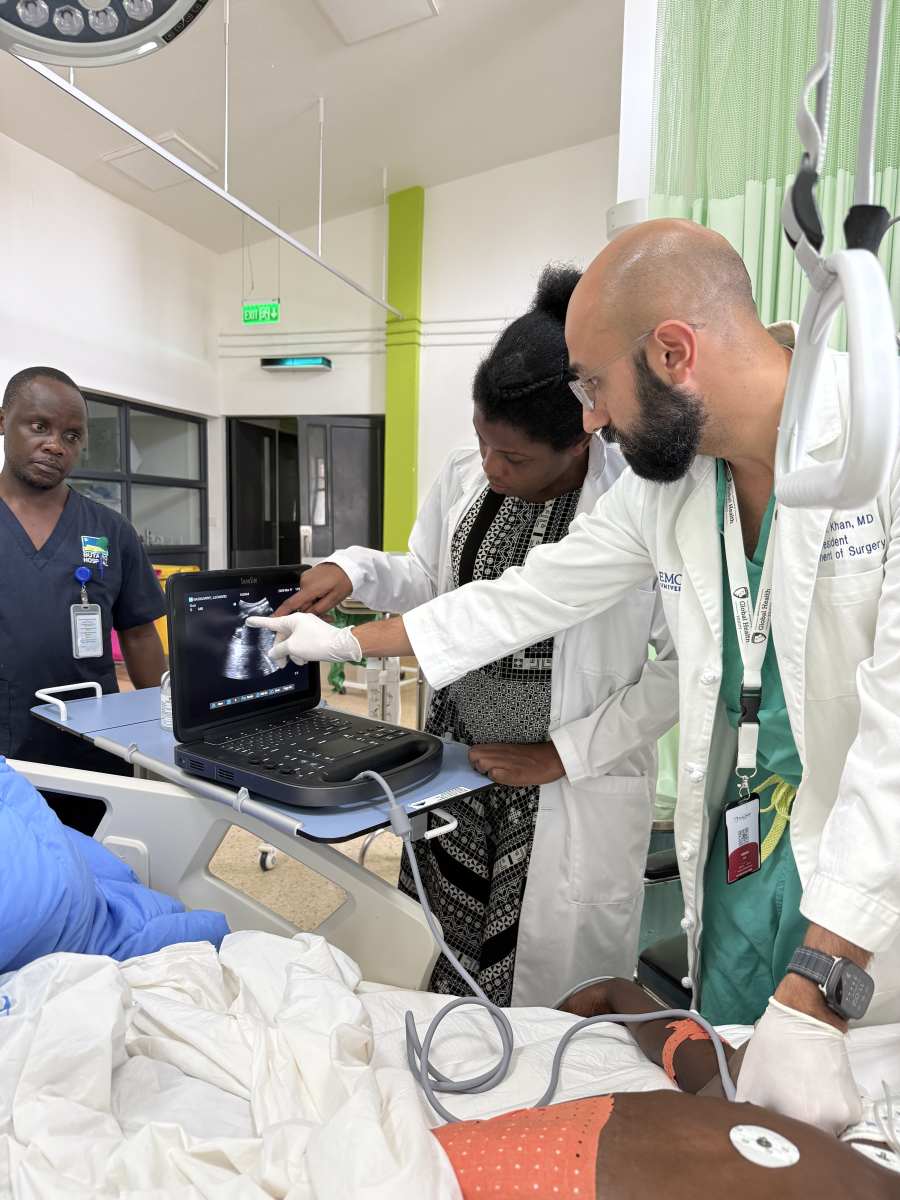
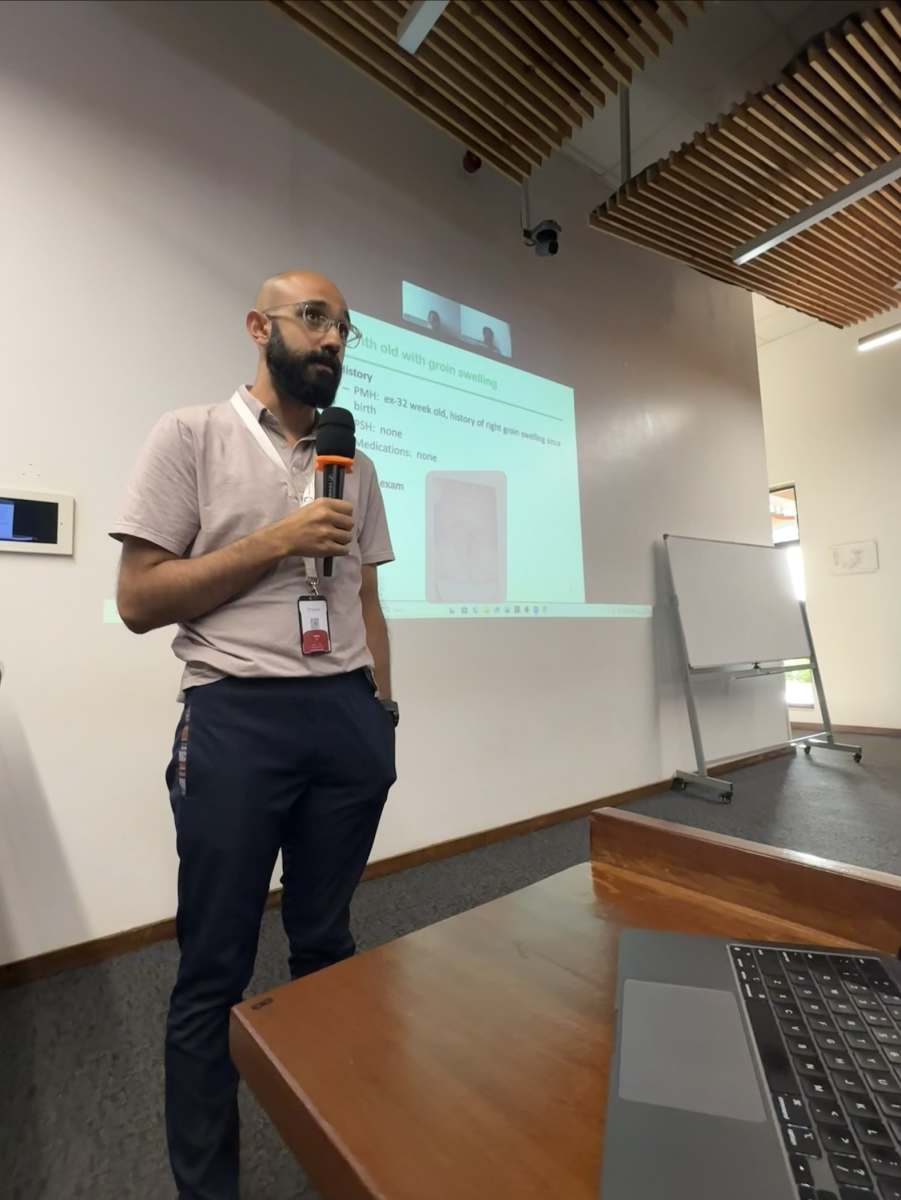


During this quick trip, I was able to work directly with several pediatric surgery residents and some of the pediatric surgeons in Rwanda to help propel a research study that I recently initiated to investigate surgical outcomes for patients with anorectal malformations, which accounts for a significant amount of pediatric congenital malformations. I was able to trains several data collectors for this study and introduce concepts for a quality improvement initiative, developed in conjunction with local surgeons, to help improve long term care for these patients.
During my time in Rwanda, I was also able to observe and assist in several operations to learn more about surgical delivery in the country. I was also able to get connected with universities and teach medical students in a lecture-based format as well as bedside teaching.
I enjoyed getting to learn more about healthcare delivery in Rwanda, and cannot wait to return in the future. As my research project is officially collecting data, I hope to continue to make an impact in the community to help these pediatric patients improve their long-term outcomes and care.