
This project will strengthen Rwanda’s cervical cancer prevention efforts by increasing screening, early and efficient precancer treatment, and provider training. Our work will consist of visual inspection with acetic acid(VIA) based cervical cancer screening and same‑day treatment of precancerous lesions using thermoablation. One our main goals is to support local providers and help clinicians gain the tools and confidence to lead this work. I will work with our Gyn Onc team to train nurses, midwives, Ob/Gyn residents, and gynecologists to independently and confidently perform screening, recognize abnormalities, and deliver appropriate treatment.
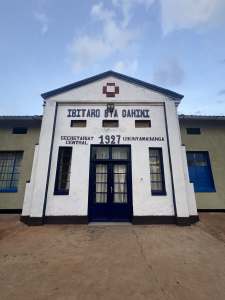
The project will contribute to hands‑on clinical teaching at Kibagabaga Hospital and participate in resident education at the University Teaching Hospital of Kigali (CHUK).
By increasing the number of trained clinicians and expanding access to early detection, this project addresses one of Rwanda’s most urgent women’s health needs. We will strive for cervical cancer prevention that is sustainable, scalable, and integrated into routine care.
The project primarily serves Rwandan women, who face a disproportionate burden of cervical cancer. Rwanda reports 1,229 new cases annually with 829 deaths (Rwanda ICO/IARC Information Centre on HPV and Cancer Human Papillomavirus and Related Cancers, Fact Sheet 2023). Cervical cancer is the #1 cancer among Rwandan women ages 15–44 and yet very preventable.
The project also serves Rwandan healthcare providers, the providers who are essential to sustaining cervical cancer prevention and screening programs.
Cervical cancer is preventable and highly treatable when caught early. Improving access to screening and strengthening the clinical workforce has a profound impact on women, families, and community health at large.
The project is expected to increase the number of women screened and treated for precancerous lesions, addressing a preventable disease that causes too many deathers per year in Rwanda. By contributing to both direct patient care and provider education, our project supports long‑term reductions in cervical cancer incidence and mortality.
Once local clinicians are fully trained in screening, thermoablation, they can continue providing care independently and efficiently. This ensures that prevention measures continue and can become further engrained into the Rwandan healthcare system.
As a Women’s Health Nurse Practitioner, this experience will build upon my expertise in cervical cancer prevention, procedural care, and global health systems. Working in a high‑burden, low‑resource setting strengthens my clinical judgment, adaptability, and teaching skills—skills that will directly enhance my own practice and benefit my patients at home. The insights gained will continue to inform how I approach patient education and collobarative care, alongside my committment to advancing equitable access to life saving care.
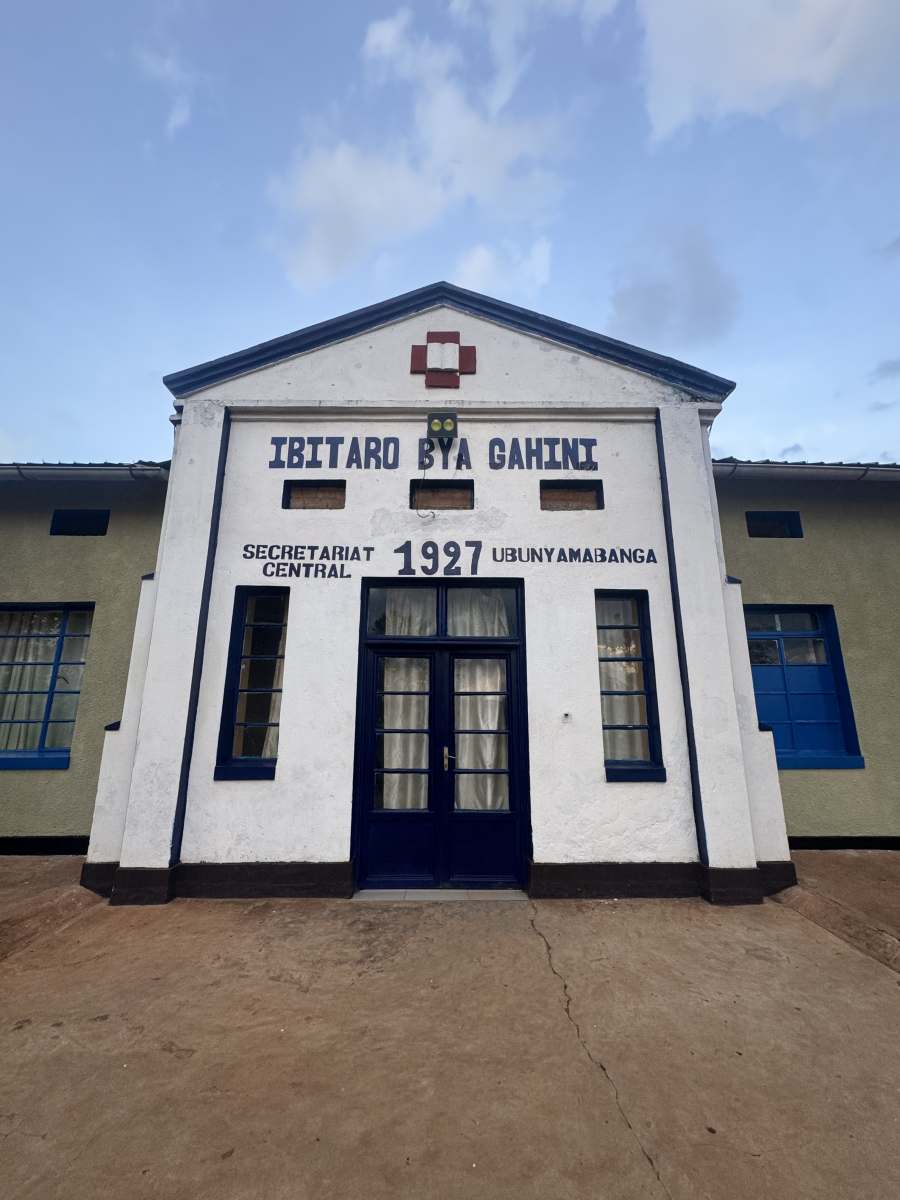

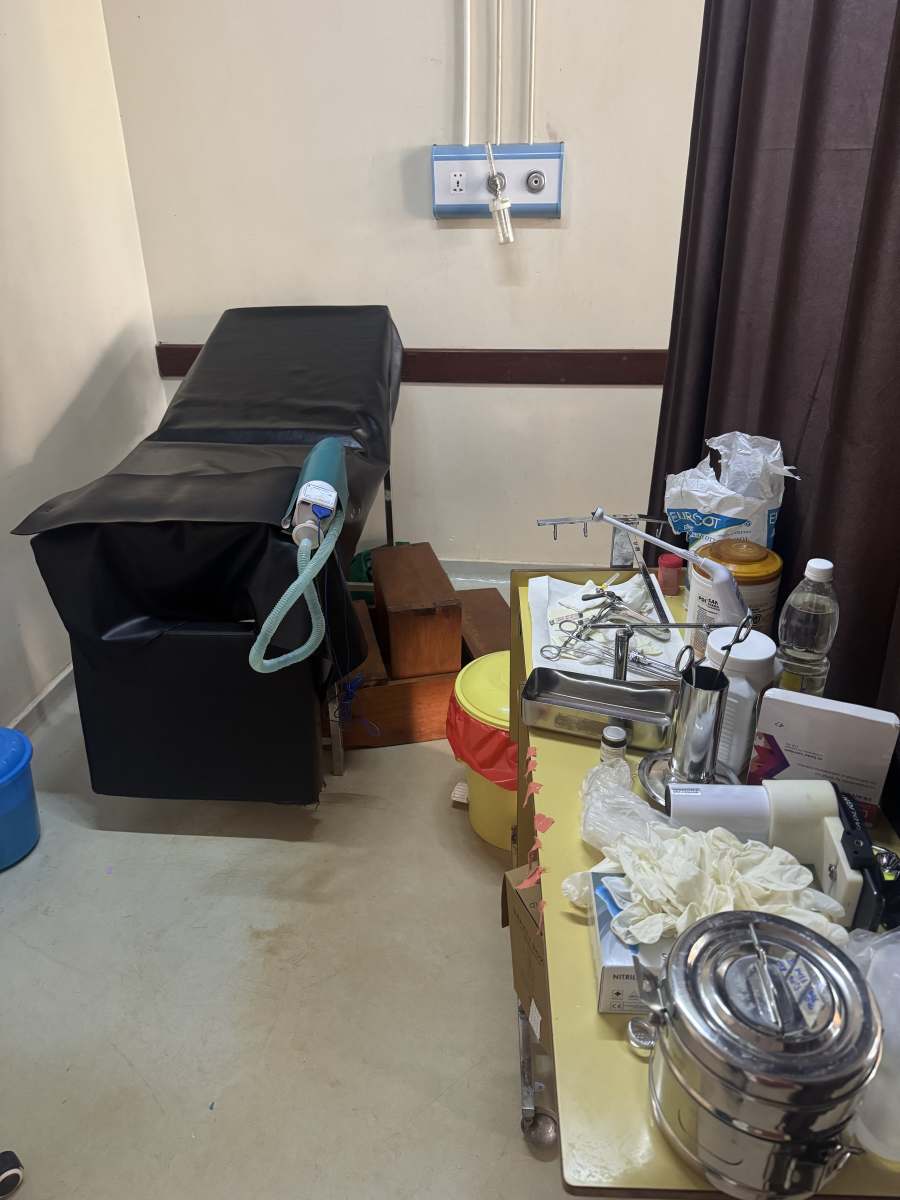
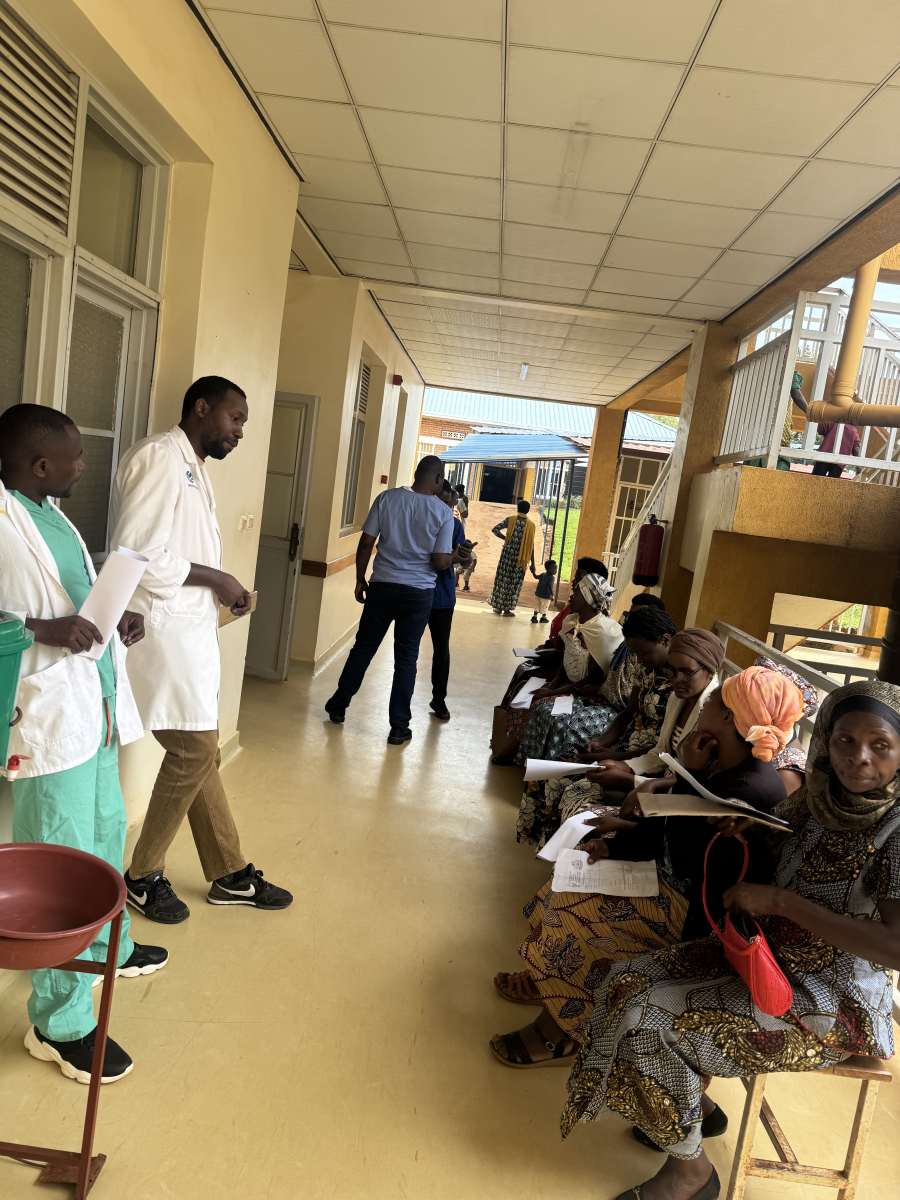
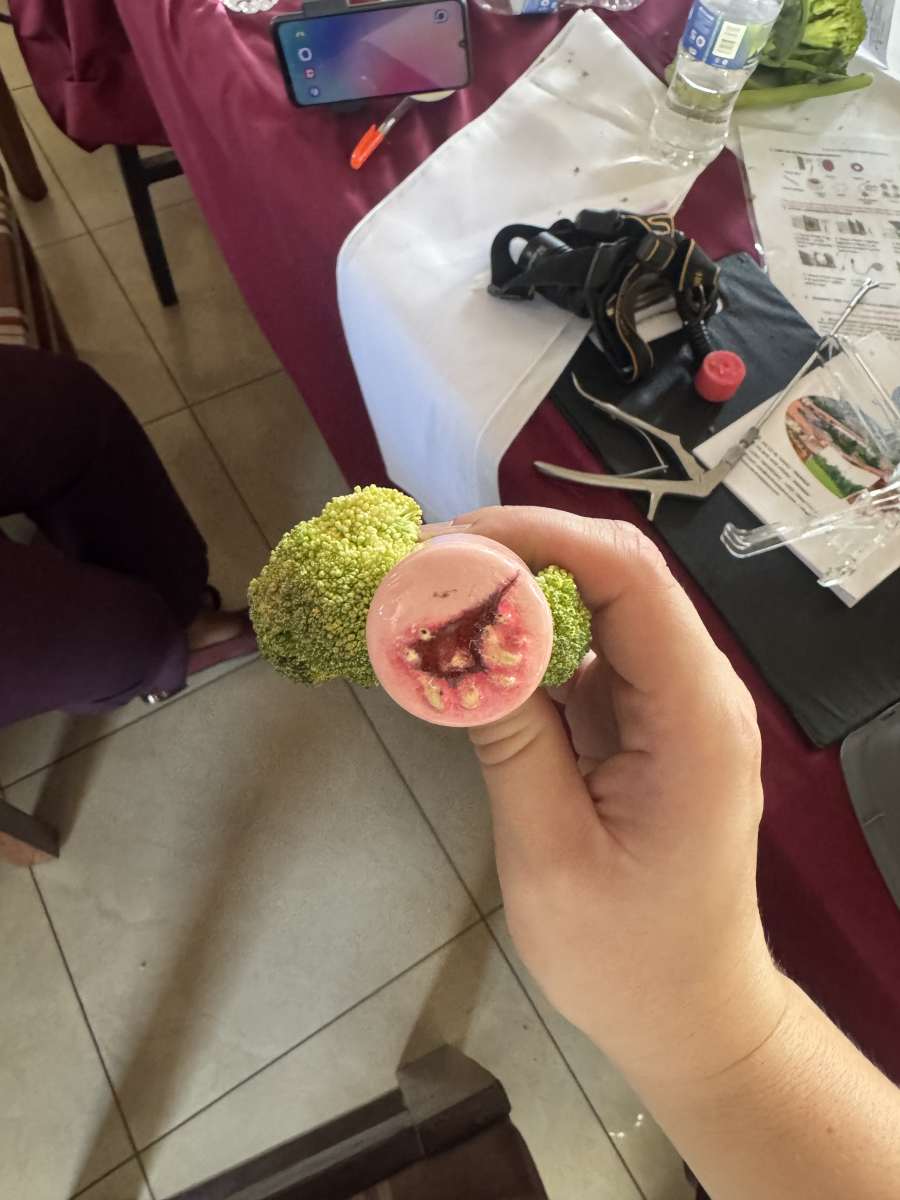
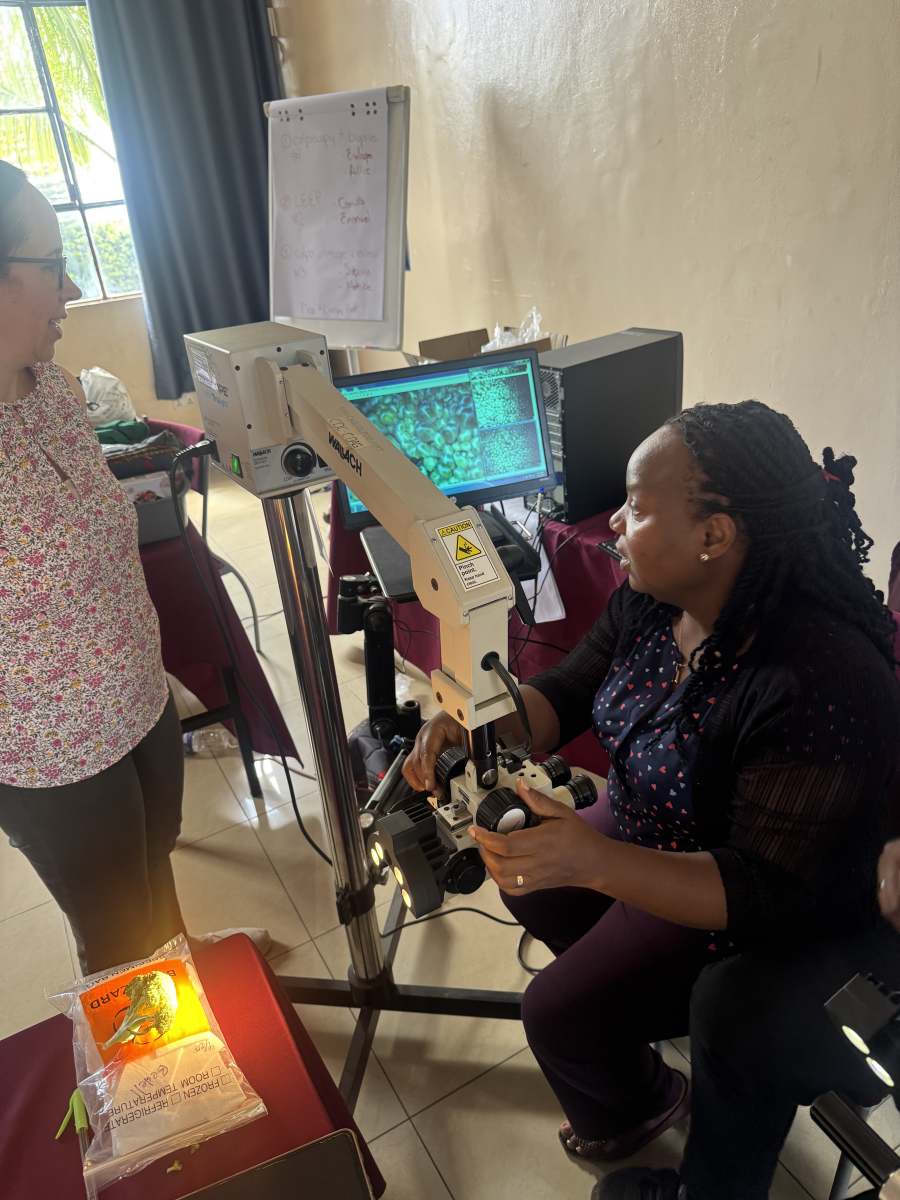
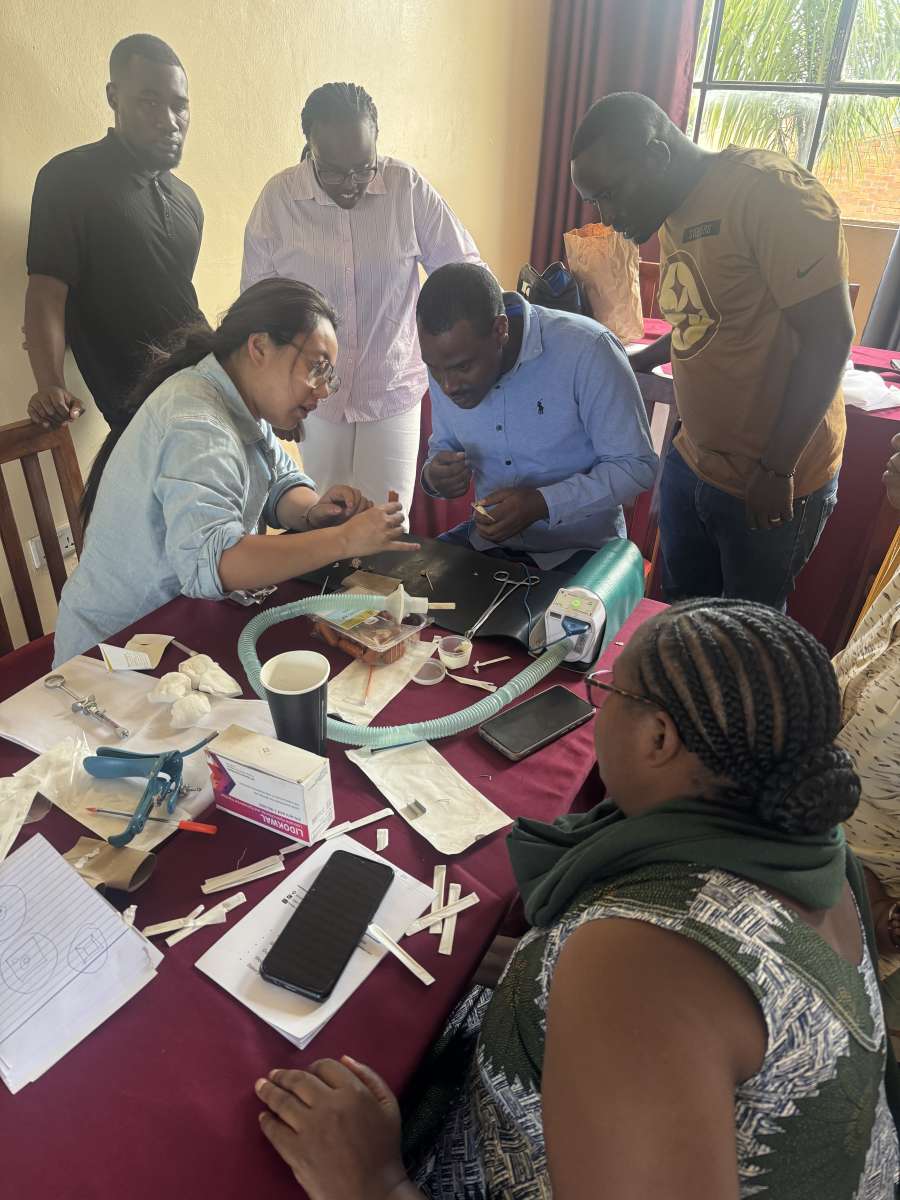
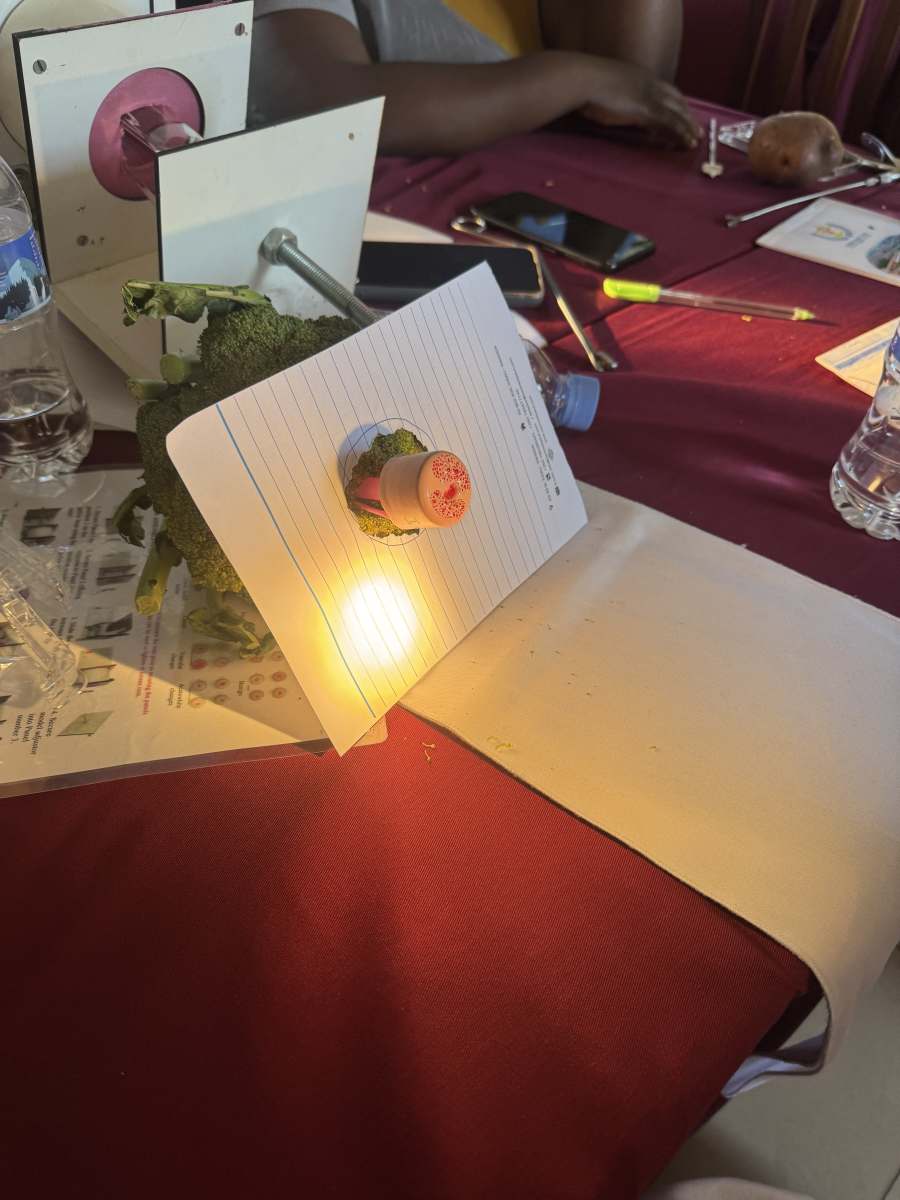


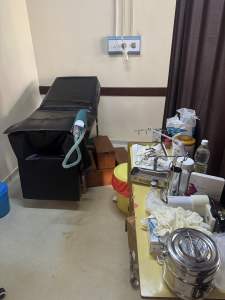
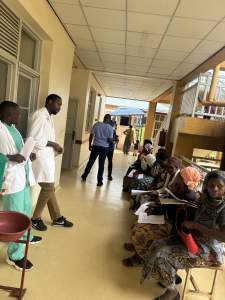
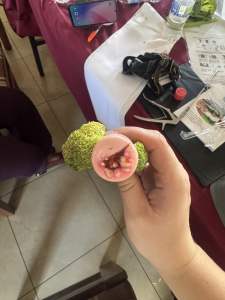
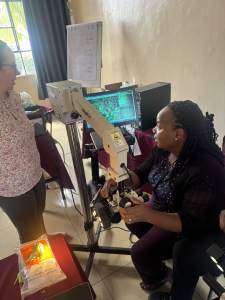
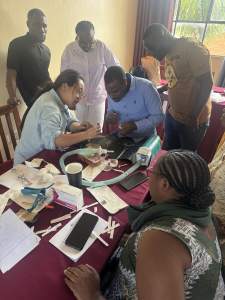
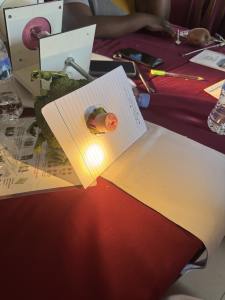
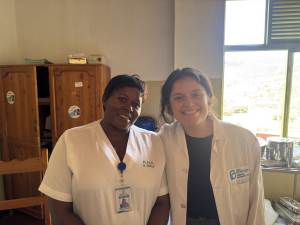
The general practitioners, nurses, and community healthcare workers, and Rwandan women were impacted with this trip. While helping screening at health centers, we also conducted a LEEP and colposcopy training program for providers from all around Rwanda. This helped foster community, mentorship, and knowledge for these providers. The Rwandan women who were treated/screened with thermoablation, LEEP, or cervical biopsies were also greatly impacted. Cervical cancer screening and treating precancerous lesions is life saving, many of these women's lives were saved due to the basic act of screening and treating.