In collaboration with Global Health Equity Partners (GHEP), this trip builds on ongoing efforts to improve the lives of patients in Addis Ababa, Ethiopia, where access to specialized pulmonary and critical care remains limited. Working with partners from the University of Maryland (UMD) and Johns Hopkins (JH), we will continue our collaboration with clinicians at St. Paul’s Hospital. During a prior trip, our team helped introduce key changes in clinical approach and training that highlighted the need for expanded pulmonary capacity. This visit will deepen that work through hands-on mentorship and by establishing bronchoscopy training for critical care physicians, strengthening local diagnostic and treatment capabilities in a sustainable way.
We aim to serve patients in Addis Ababa with respiratory illnesses who lack access to specialized pulmonary care. Many present with advanced disease due to limited diagnostic tools and trained providers. Strengthening clinician capacity at St. Paul’s Hospital will directly improve access to timely, effective care for these patients and the broader community.
This project builds on prior impact and an ongoing partnership focused on sustainable capacity building. By training critical care physicians and establishing bronchoscopy capabilities, we aim to improve diagnostic accuracy and management of complex pulmonary conditions. These efforts will continue to strengthen local systems of care, empower clinicians, and lead to lasting improvements in patient outcomes in Addis Ababa and beyond.
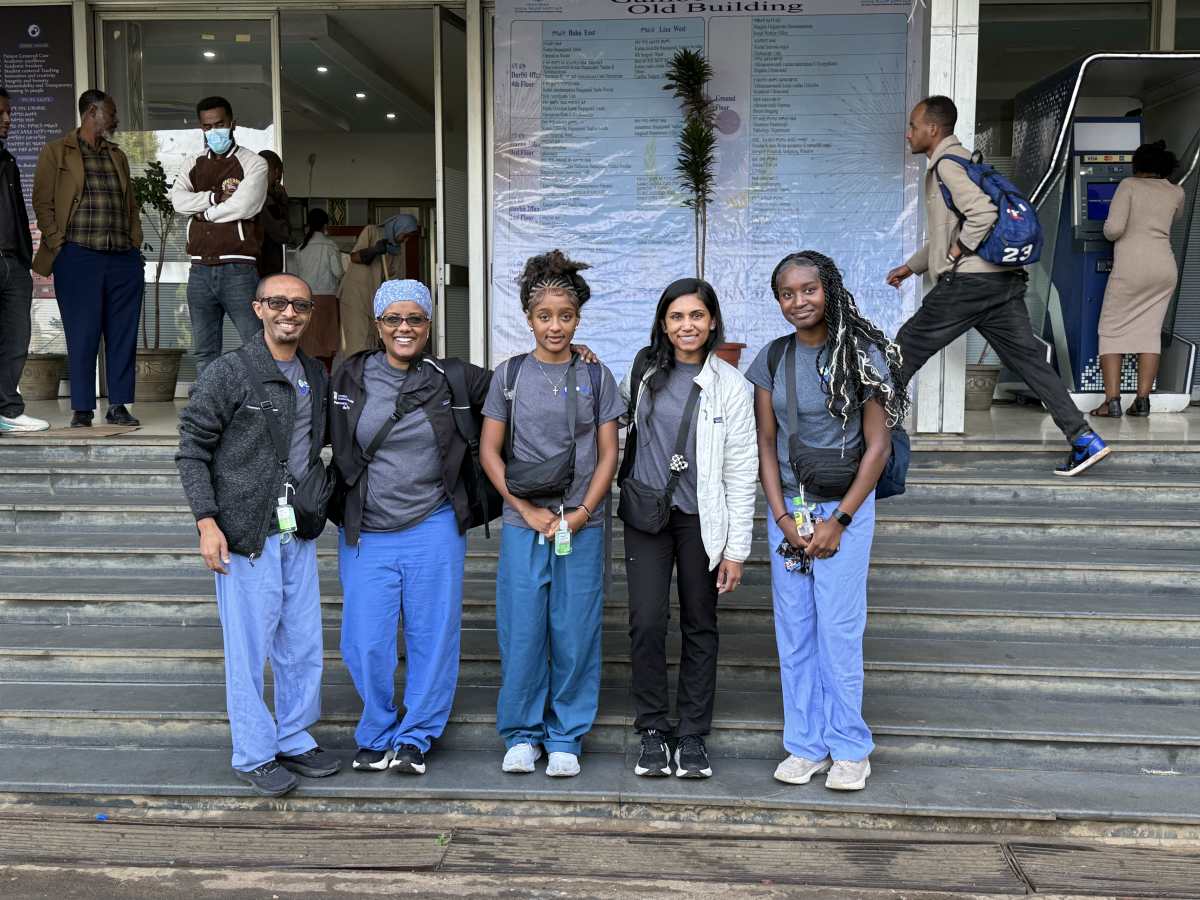
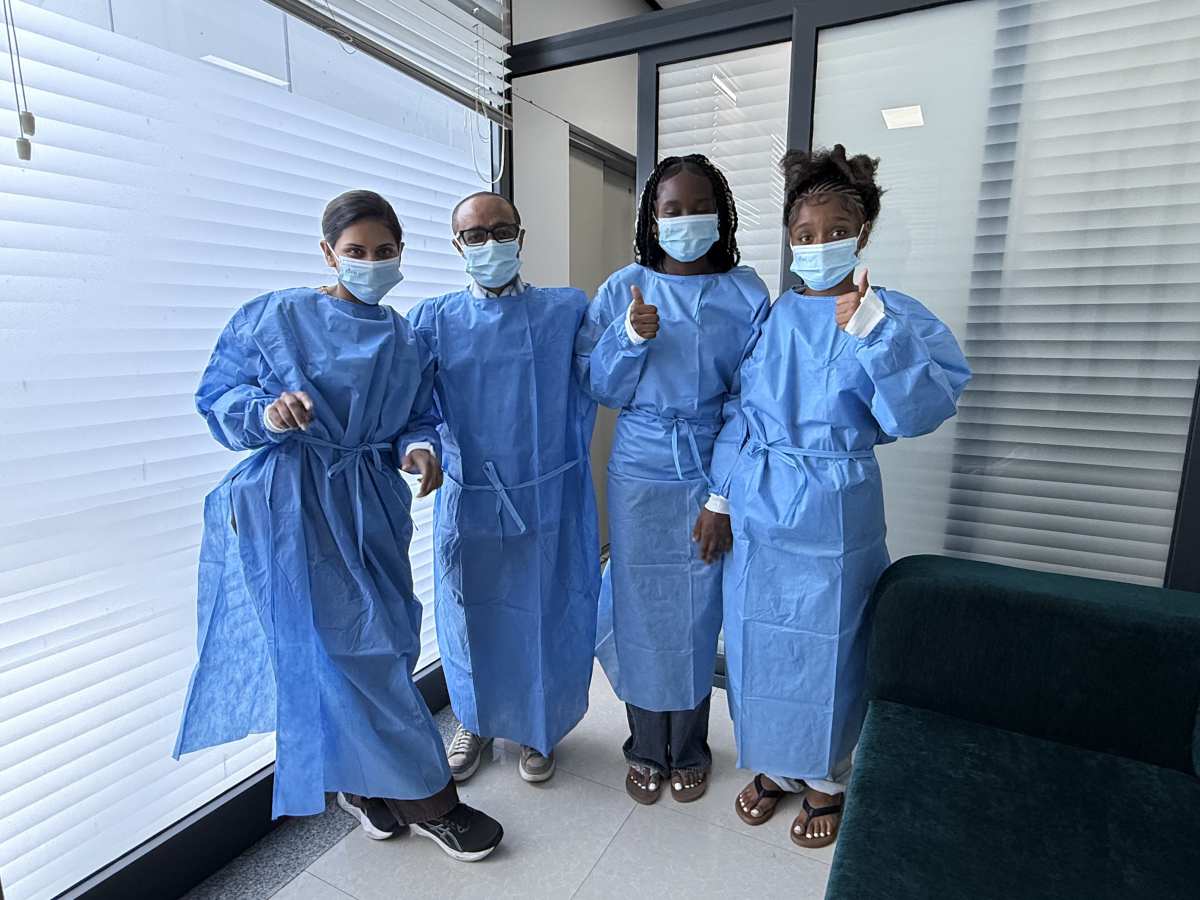


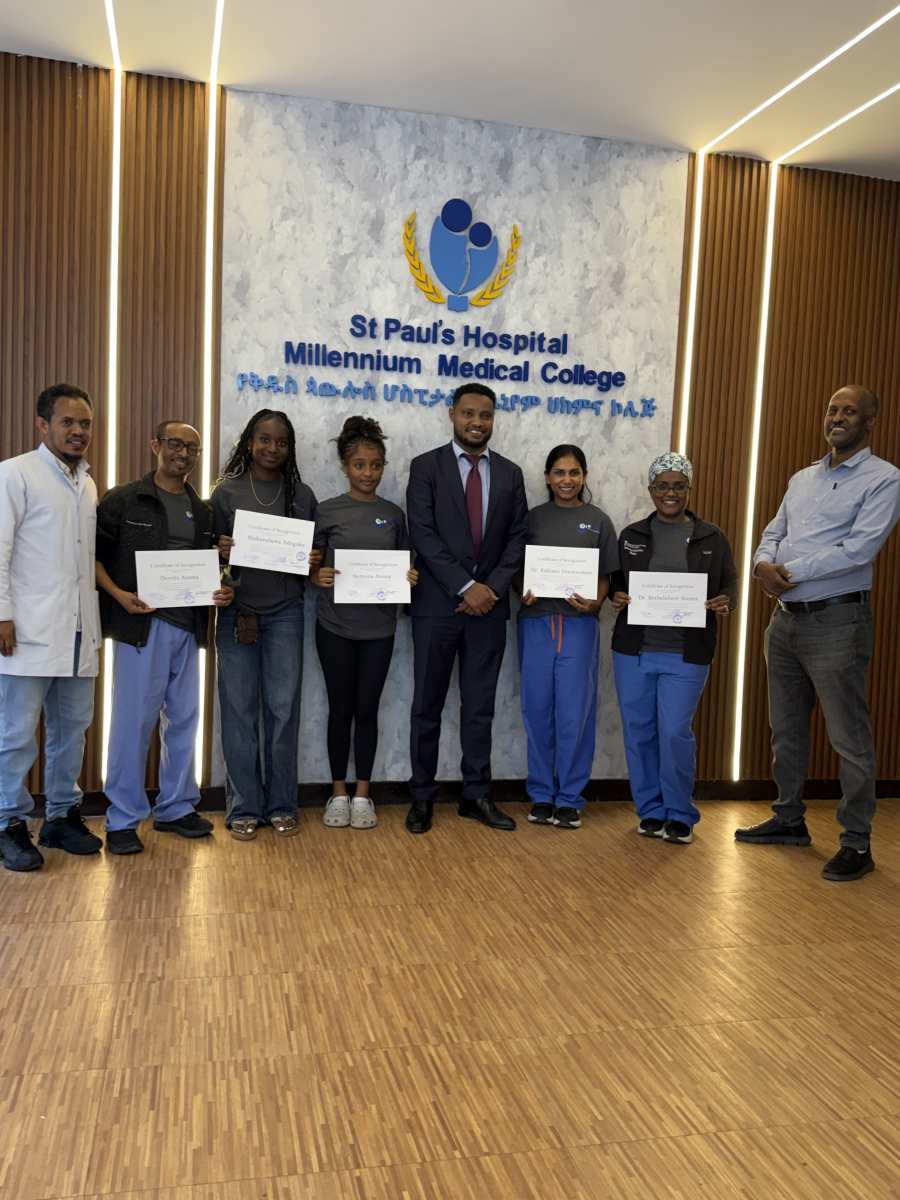

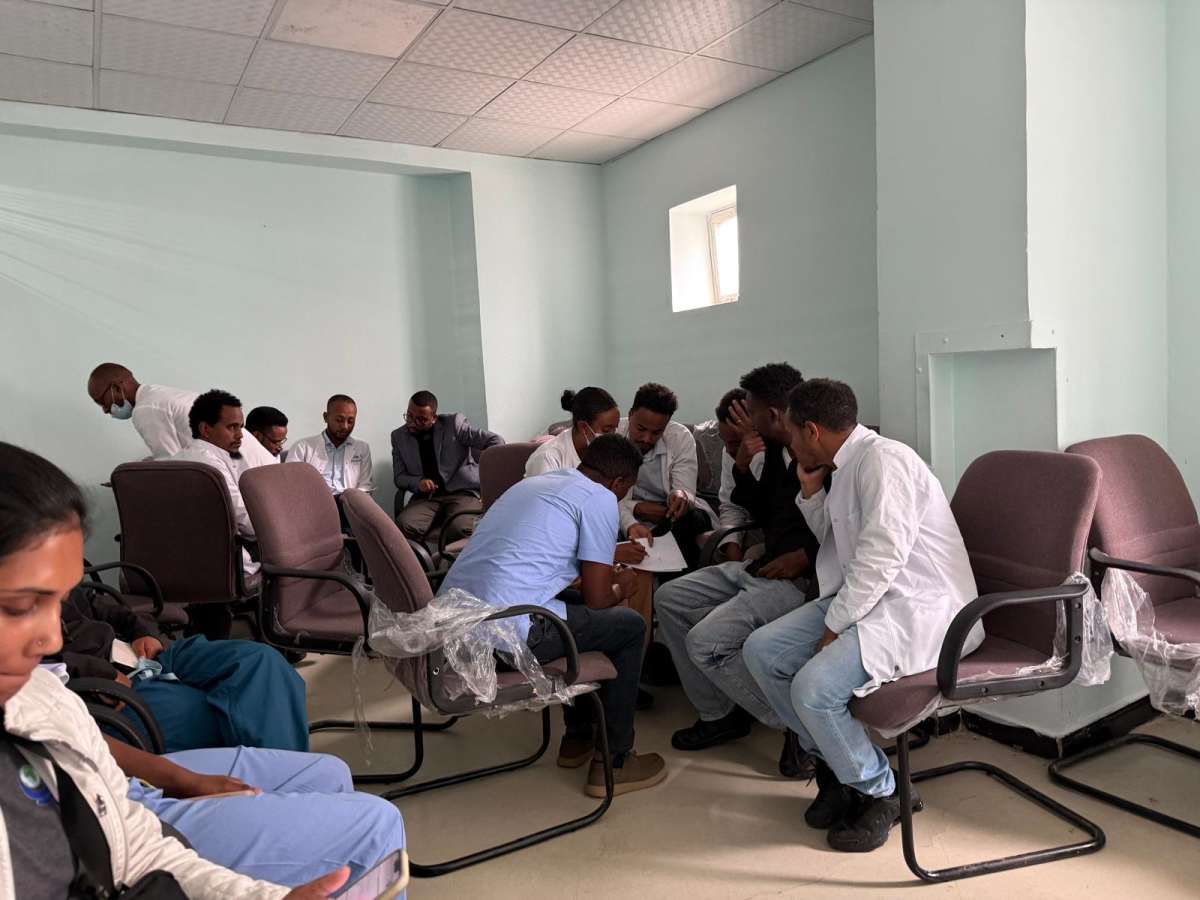
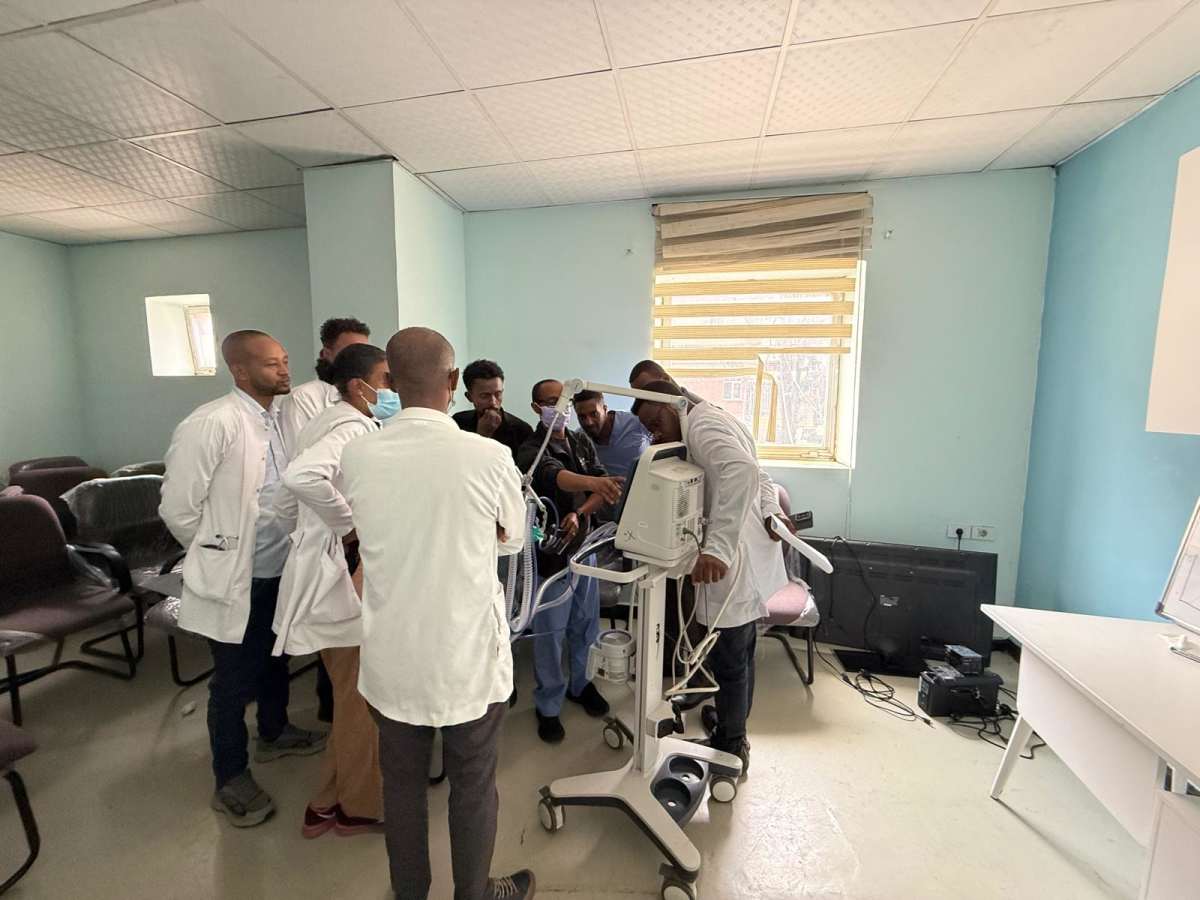




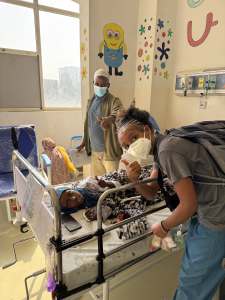
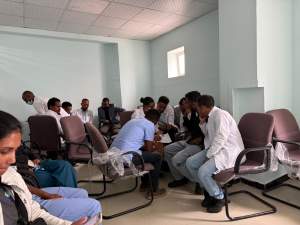
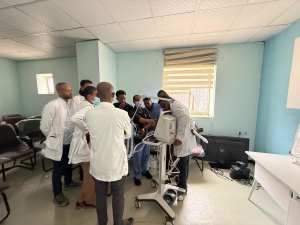

During this trip, I worked alongside local physicians and critical care fellows in Addis Ababa, providing pulmonary and critical care education with an emphasis on practical, bedside application. The training strengthened fellows’ knowledge and skills while supporting the clinicians who will continue caring for patients long after the trip ended. Our outreach efforts also directly served children and families with limited access to healthcare.
Equally important, the trip helped establish the groundwork for our next phase: a structured bronchoscopy and pleural procedure training program. Through relationships with local clinicians and hospital leadership, we identified needs, strengthened partnerships, and began planning a sustainable approach focused on building local procedural expertise. The people impacted were therefore not only those directly trained or cared for during the trip, but also future patients who may benefit from stronger local pulmonary and critical care capacity

