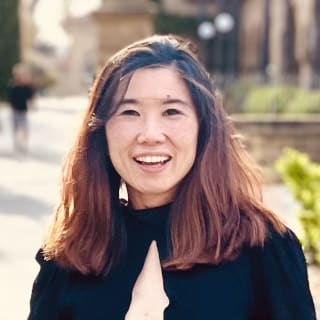
From June 13–20, 2026, I will travel to Hospitalito Atitlán in Santiago Atitlán, Guatemala as a volunteer gastroenterologist with Central America OutReach & Endoscopy (CARE), a nonprofit 501(c)(3) organization that has been delivering specialty GI care to an underserved indigenous Mayan community since 2019.
Over four clinical days, our team will perform approximately 45–60 upper endoscopies and colonoscopies—13 to 15 cases per day—while running a simultaneous GI clinic seeing 5–6 patients daily. I will supervise a GI fellow and a resident, providing hands-on procedural training in a resource-limited international setting.
A central component of this mission is education. I will deliver teaching sessions for local hospital physicians and staff on gastric and colon cancer: early warning signs, risk factors, screening principles, and appropriate referral pathways. Guatemala carries a disproportionately high burden of gastrointestinal malignancy, yet access to endoscopy and cancer education remains critically limited outside the capital.
This project will make a measurable difference by delivering specialty care that is otherwise unavailable in the region, detecting cancers and premalignant lesions before they become untreatable, and ensuring all procedural findings are documented in the hospital's medical records for continuity of care. Educational sessions empower local clinicians to better recognize and manage GI disease long after the team departs—extending the impact of every procedure performed during the week.
The primary beneficiaries are indigenous Maya patients served by Hospitalito Atitlán in Santiago Atitlán—a nonprofit hospital providing care to approximately 75,000 people living along the southern shore of Lake Atitlán in the Guatemalan highlands.
This population faces significant and compounding barriers to healthcare access. Guatemala has one of the highest poverty rates in Latin America, and many indigenous communities lack access to basic medical services, let alone GI subspecialty care. In the Santiago Atitlán region, many patients speak Tz'utujil, a Mayan language, rather than Spanish, adding linguistic and cultural barriers to an already fragile healthcare infrastructure. Specialty GI services—including diagnostic endoscopy, colonoscopy, and cancer screening—are virtually nonexistent locally and largely inaccessible in Guatemala City due to cost and distance.
The need for endoscopy services in this region was formally assessed in 2017, documenting a critical gap in care. Hospitalito Atitlán, while deeply committed to serving the poor through discounted and free care, lacks year-round subspecialty capacity to address GI disease, including early gastric and colorectal cancer detection.
This population is prioritized because the need is acute, the access gap is wide, and the established hospital partnership provides a stable, trusted infrastructure through which high-quality specialty care can be delivered safely and equitably.
The direct impact of this trip includes the diagnosis and treatment of an estimated 45–60 patients presenting with GI complaints—conditions ranging from peptic ulcer disease and esophagitis to polyps and malignancy. Endoscopy findings will be documented in written reports retained at Hospitalito Atitlán, supporting continuity of care and enabling local physicians to act on results long after our team departs.
Educational sessions on gastric and colon cancer awareness will equip local internists, nurses, and hospital staff with knowledge they can apply to future patient encounters, improving recognition of high-risk presentations and facilitating timely referral.
The GI fellow and resident accompanying me will gain formative global health experience, developing the cultural humility, adaptability, and cross-cultural clinical skills that define effective international medicine—perspectives they will carry throughout their careers.
My broader global health background informs my commitment to building durable partnerships. I intend to remain engaged with Hospitalito Atitlán beyond this trip, contributing to outcome tracking, curriculum development, and future journeys. Each mission builds on the last, creating an expanding foundation of subspecialty expertise, local clinical capacity, and community awareness that outlasts any single week of service.


The people most impacted by our trip were the patients of the Lake Atitlán region — predominantly Maya families who have little access to specialty care, and almost none to endoscopy. Many traveled long distances to reach us, often with a family member at their side, for procedures they simply could not have received otherwise. Over four days we performed 50 gastroscopies and colonoscopies, and behind that number were real answers: gastric erosions, esophageal papillomas, an anal fistula with bleeding, and an extraordinarily high rate of H. pylori among those we tested. For patients who had carried unexplained symptoms for years, these were diagnoses that could finally be named and treated.
What stayed with me, though, was not the pathology but the people. Their stories, their smiles, and their gratitude were humbling. Families waited together, worried together, and thanked us with a warmth that far exceeded anything we had given them. Their dignity in the face of hardship reframed what I think of as essential.
The impact extended beyond the patients. Our fellows, residents, and pre-medical students grew tremendously, learning not only endoscopic skills but what it means to deliver care with very limited resources. The staff at Hospitalito Atitlán, our partners on the ground, were part of every success. And our own volunteer team constituting gastroenterologists, CRNAs, nurses, and scope technicians became something like a family, supporting one another through long days with skill and generosity.
In the end, the impact ran in both directions. We came to serve, and we left with our cups full: changed by the very people we had hoped to help.