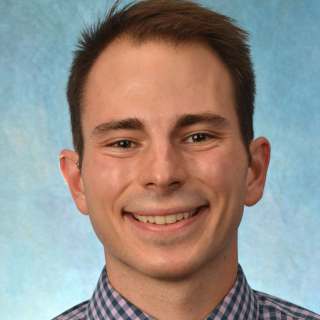
I am a fourth-year Medicine–Pediatrics resident from UNC completing a two-week clinical oncology elective at the National Cancer Centre in Lilongwe with Dr. Tamiwe Tomoka. I aim to improve patient care, build local capacity, and enable sustainable, bi-directional knowledge exchange.
Working with Malawian oncologists, nurses, and staff, I will support evidence-based care for hematologic and solid-tumor patients—focusing on symptom control, infection management, chemotherapy coordination, pediatric–adult transitions, and palliative support. With supervision, I will help contribute to quality improvements to reduce treatment delays, improve goals-of-care documentation, and strengthen outpatient follow-up.
I will deliver bedside teaching and short practical sessions for trainees and nurses on oncology basics, toxicity recognition, and outpatient triage—designed for immediate use after my elective.
I will identify feasible workflow changes (intake checklists, streamlined referrals, low-cost chemo safety monitoring) and document findings to support ongoing mentorship, teleconsultation, and collaborative quality-improvement projects. My approach prioritizes local needs, cultural appropriateness, and durable communication pathways.
The National Cancer Centre (NCC) in Lilongwe serves Malawi’s central region and functions as a national referral hub for people with cancer across ages—children, adolescents, adults, and older adults. Its patients include those with hematologic malignancies, head-and-neck, cervical, breast, and other solid tumors, often presenting at advanced stages. Many are rural, low-income, and face barriers including late diagnosis, limited diagnostic and pathology services, scarce chemotherapy and radiotherapy access, high rates of HIV-associated cancers, malnutrition, and transport or lodging constraints that impede continuity of care.
This population is an important, underserved focus for a global health elective because care gaps are large, resource limitations require context-specific clinical and systems solutions, and outcomes can be improved through feasible interventions in training, workflows, and supportive care. Visits that emphasize capacity-building, sustainable education, and partnership (rather than short-term service alone) can strengthen local systems, enable safer chemotherapy delivery, improve symptom control and palliative support, and foster longitudinal research and mentorship—yielding high-impact, durable benefits for a vulnerable patient group with substantial unmet needs.
The expected impact of this elective is both immediate and enduring, spanning patient care, clinical education, and health system strengthening. In the short term, direct collaboration with Malawian oncology teams will enhance the quality and consistency of care delivered to patients with hematologic and solid malignancies. Focused efforts on symptom control, infection management, and chemotherapy coordination are anticipated to reduce preventable complications and improve patient comfort and safety. Attention to pediatric–adult care transitions and palliative support will help ensure more continuous, patient-centered care across the disease trajectory.
Educationally, the project will equip trainees and nursing staff with practical, context-appropriate skills that can be applied immediately. Bedside teaching and targeted sessions on toxicity recognition, triage, and oncology fundamentals will strengthen clinical confidence and decision-making, contributing to improved care delivery beyond the duration of the elective.
From a systems perspective, small but meaningful workflow improvements aim to reduce delays and enhance care coordination. Importantly, documentation and follow-up planning will support sustainability through ongoing mentorship, remote collaboration, and future quality improvement initiatives. By emphasizing bidirectional learning and alignment with local priorities, this project seeks to foster durable partnerships and contribute to long-term capacity building within the oncology program.


The individuals who had the greatest impact on me during this experience were the patients, their families, and the healthcare professionals at UNC Project Malawi in Lilongwe. It was a privilege to work alongside people facing advanced illness in a setting with significant resource limitations. Despite these challenges, I was continually inspired by their resilience, dignity, and compassion toward others. Many patients were coping with substantial physical pain and financial strain, yet they remained deeply committed to caring for their families and supporting those around them.
I was equally inspired by the strength and solidarity within local communities. Family members, friends, and neighbors frequently came together to provide transportation, meals, caregiving, and emotional support for loved ones with serious illness. Their willingness to support one another highlighted the essential role community plays in healthcare, particularly in resource-constrained environments.
I also witnessed firsthand the remarkable dedication of the local healthcare teams. Providers worked tirelessly while navigating challenges such as medication shortages, staffing limitations, transportation difficulties, and the economic hardships affecting many patients. Even amid these barriers, they cared for patients with empathy, resourcefulness, and steadfast commitment. Their efforts made a meaningful difference by easing suffering and helping patients feel respected, valued, and supported.
I hope my involvement contributed positively through supporting patient care, collaborating with local colleagues, and exchanging knowledge and perspectives in palliative care. At the same time, the people I encountered left a profound and lasting impression on me both personally and professionally. This experience strengthened my understanding of our shared humanity and reaffirmed that compassionate care has the power to make a significant impact, regardless of available resources.