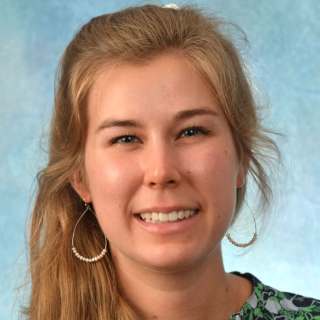
I will complete a clinical elective with the UNC Project-Malawi Cancer Program at the National Cancer Centre in Lilongwe, Malawi, focusing on palliative oncology care. Under local supervision, I will participate in outpatient palliative care clinics, inpatient oncology consultations, and multidisciplinary care for patients with advanced cancer.
My work will center on symptom management including pain and dyspnea control, along with serious illness communication and goals-of-care discussions. I will collaborate closely with Malawian clinicians, nurses, and community health workers to support culturally appropriate, team-based care in a resource-limited setting.
This work addresses a critical gap. Many patients in Malawi present with advanced-stage cancers and have limited access to specialty palliative services. By contributing to direct patient care and supporting ongoing clinical workflows, I aim to enhance quality of life for patients while also strengthening the capacity of the existing care team through shared knowledge and collaboration.
This project serves adults with advanced cancer receiving care at the National Cancer Centre in Lilongwe, many of whom face significant barriers to timely diagnosis, treatment, and symptom control. Patients often present with late-stage disease and experience a high burden of untreated pain and other distressing symptoms.
This population is particularly vulnerable due to limited access to opioids, shortages of trained palliative care specialists, and health system constraints common in low-resource settings. Additionally, patients and families often navigate complex cultural, financial, and geographic barriers to care.
Focusing on this population is essential because palliative care remains under-resourced globally despite its profound impact on quality of life. Supporting patients in Malawi aligns with broader global health priorities to expand equitable access to cancer care and symptom management. Through this work, I hope to contribute to a care model that prioritizes and patient-centered decision making in a setting where such services are critically needed.
In the short term, my work will support improved symptom control and patient-centered communication for individuals with advanced cancer. During my time there, I hope to help expand the reach of the palliative care team and support timely interventions for patients in need.
Equally important is the bidirectional exchange of knowledge. I will learn from Malawian colleagues about delivering high-quality, resource-conscious care and culturally grounded communication strategies. These skills that are directly applicable to underserved and culturally diverse populations in the United States.
After returning, I will integrate these lessons into my clinical practice in hospice and palliative medicine, particularly in caring for patients with limited resources or barriers to care. I also plan to share these experiences through teaching and mentorship at my home institution, the University of North Carolina at Chapel Hill, helping to strengthen global health and palliative care education.
This experience will have lasting impact by shaping my career as a physician committed to equitable, compassionate care and by contributing to ongoing collaboration between UNC and partners in Malawi.
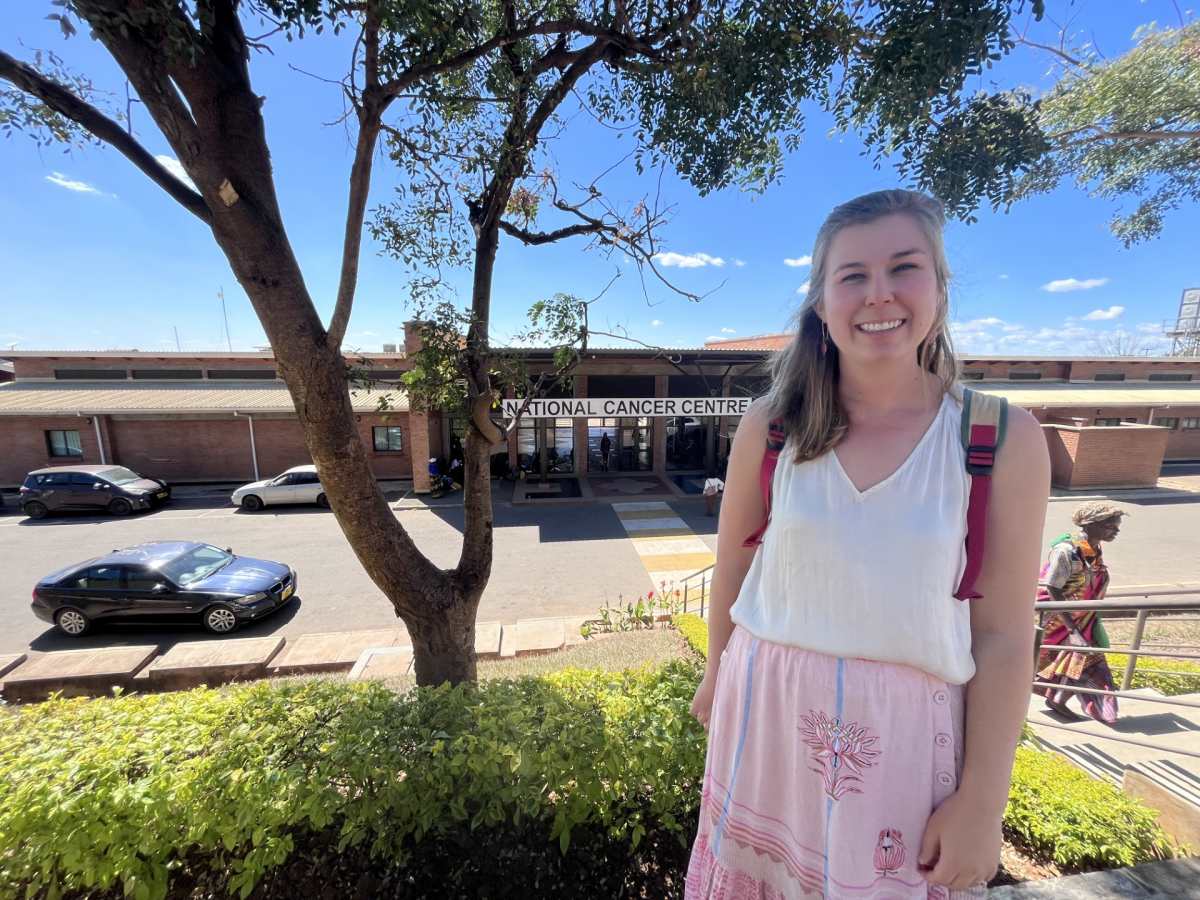
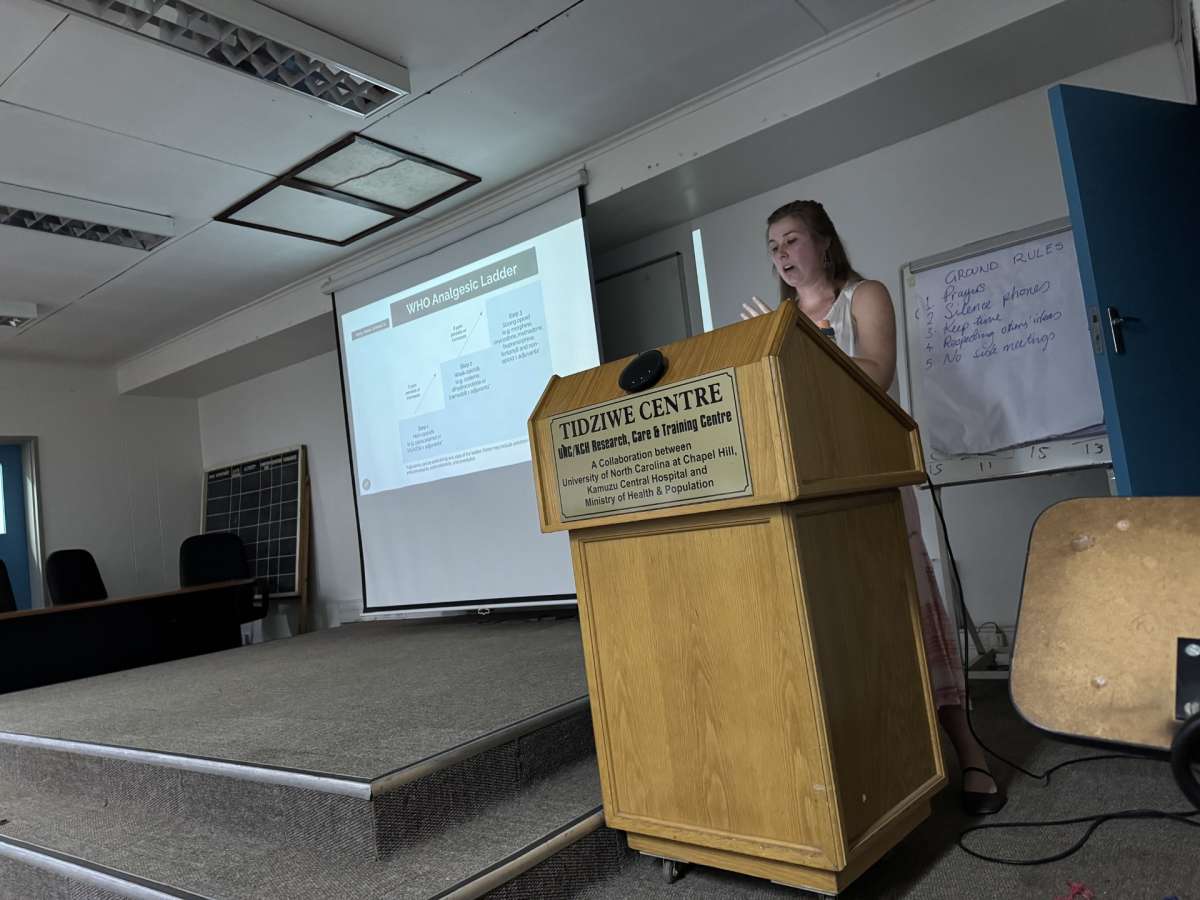
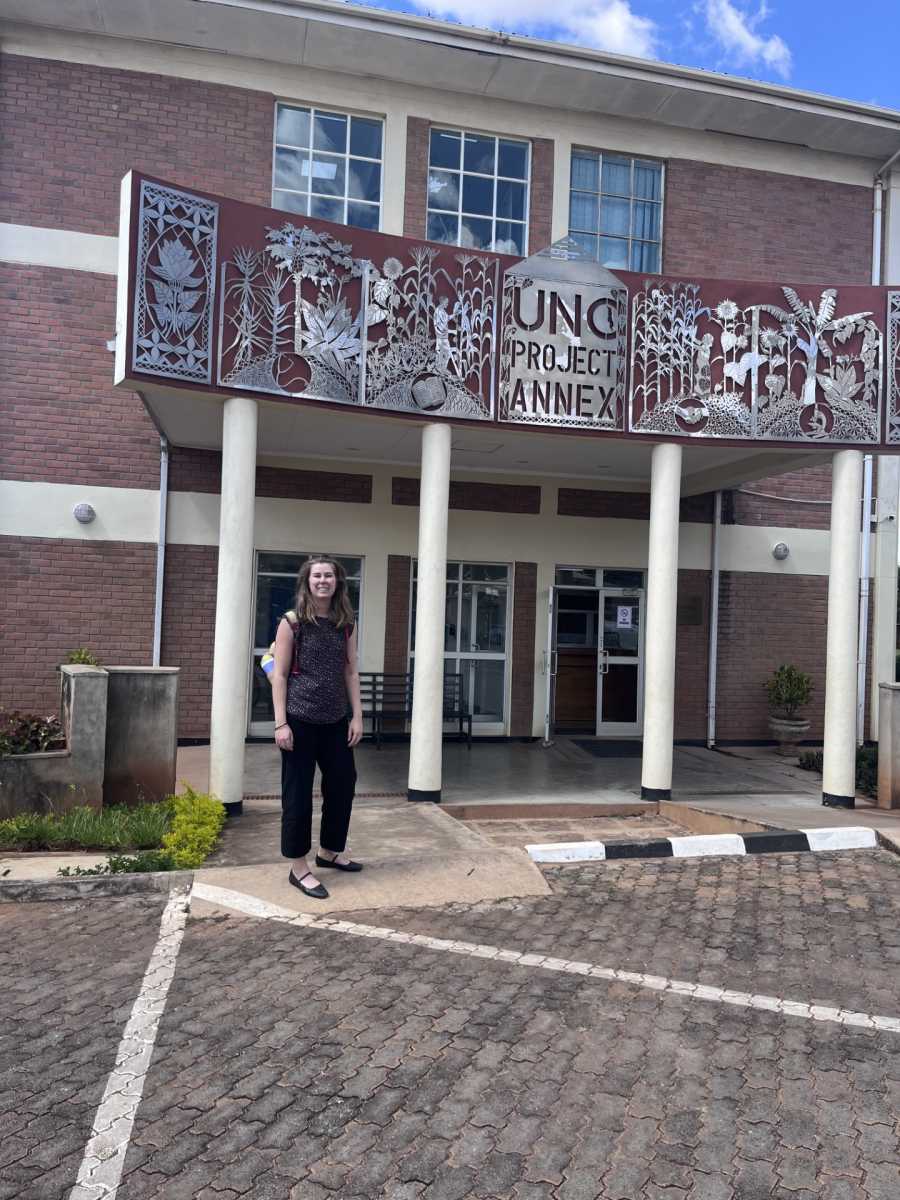
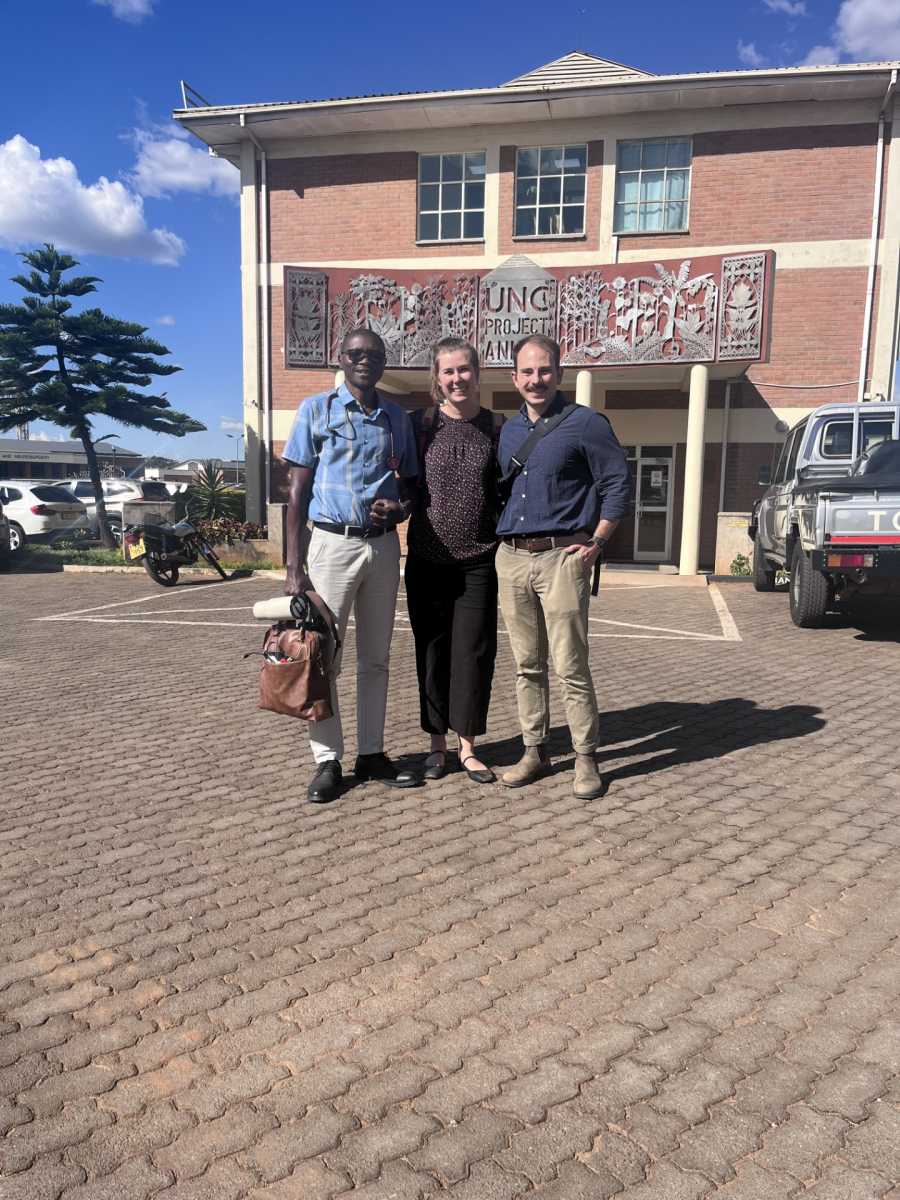
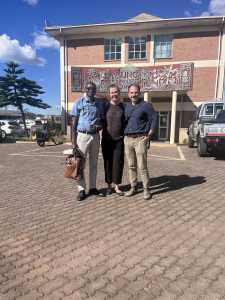
The people who impacted me most during this experience were the patients, families, and healthcare providers at UNC Project Malawi in Lilongwe. I had the privilege of working alongside individuals living with advanced illness in an environment with very limited resources, yet I was continually struck by their resilience, dignity, and compassion for one another. Many patients were navigating significant physical suffering and financial hardship, but still remained deeply focused on caring for their families and supporting those around them.
I was also profoundly moved by the strength of local communities. Family members, friends, and neighbors often came together to provide care, transportation, meals, and emotional support for loved ones with serious illness. Their collective commitment to one another demonstrated the powerful role community plays in healthcare, especially in resource-limited settings.
In addition, I witnessed the incredible dedication of the local healthcare teams. Providers worked tirelessly despite challenges such as medication shortages, limited staffing, transportation barriers, and financial insecurity affecting many patients. Even in these circumstances, they approached patients with compassion, creativity, and an unwavering commitment to providing the best care possible. Their work directly impacted countless patients and families by reducing suffering and ensuring patients felt seen, valued, and cared for.
I hope my presence and participation contributed in a meaningful way through supporting patient care, collaborating with the local team, and sharing knowledge and perspectives in palliative care. At the same time, the people I met left a lasting impact on me personally and professionally. This experience reinforced the shared humanity that connects us all and reminded me that compassionate care can make a profound difference regardless of the resources available.