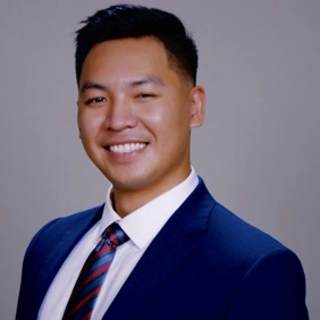
Our goal is to modernize clinical care through integrated imaging. The initiative began with Dr. Philip Angelides’ project, titled "POCUS for the People: Building Diagnostic Capacity at the Bedside," implemented a scalable, ward-integrated ultrasound training and practice-based assessment model to improve diagnostic equity at Hospital Nacional de Coatepeque. This was further expanded by Dr. Jake Gamboa’s successful implementation of ultrasound-guided regional blocks in anesthesia.
Building on this momentum, I will lead the surgical expansion of the program. My primary goal would be to support the surgical team in adopting ultrasound-guided central line placement. Specifically, I will (1) teach ultrasound-guided central line placement to surgical faculty and trainees, (2) provide hands-on bedside supervision during real procedures, (3) improve procedural safety, and (4) identify and train local surgical champions who can continue teaching others. The curriculum includes hands-on bedside supervision and a "train-the-trainer" model to empower local surgical faculty to maintain these safety standards independently.
This project serves the patient population and clinical staff of the Hospital Nacional de Coatepeque, a 230-bed public facility with limited imaging resources. Currently, patients undergo high-risk invasive procedures using blind techniques with observed preventable complications, such as pneumothoraces.
By training the surgical team under the local leadership of Dr. DeLeon (who has expressed strong interest on behalf of the surgical team), we are providing an underserved population with access to safer, more precise surgical care. This initiative bridges the gap between available resources and modern medical standards for the residents of Coatepeque.
The primary impact is the immediate reduction of iatrogenic complications and the establishment of ultrasound-guided vascular access as the institutional "gold standard." By integrating surgical intensive care techniques with the diagnostic foundations laid by Dr. Angelides and the regional anesthesia protocols established by Dr. Gamboa, we are creating a comprehensive, sustainable POCUS ecosystem. This project serves as a high-impact model for how surgical, anesthesia, and medical perspectives can collaborate to transform patient safety in resource-limited settings.


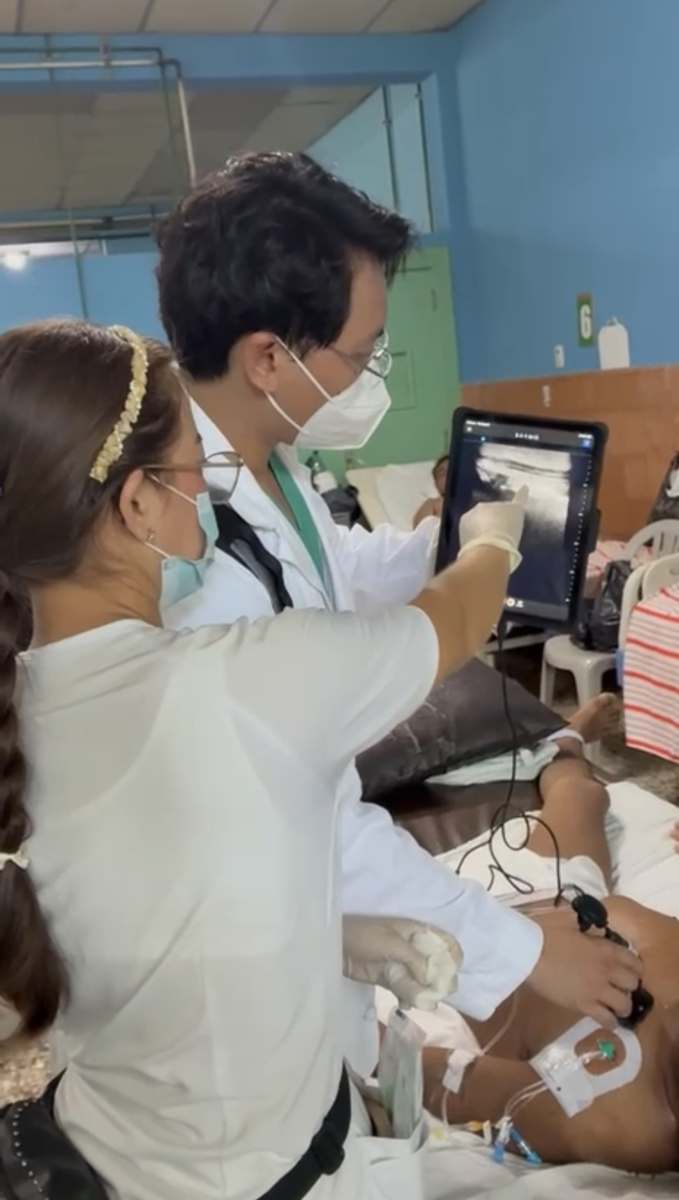
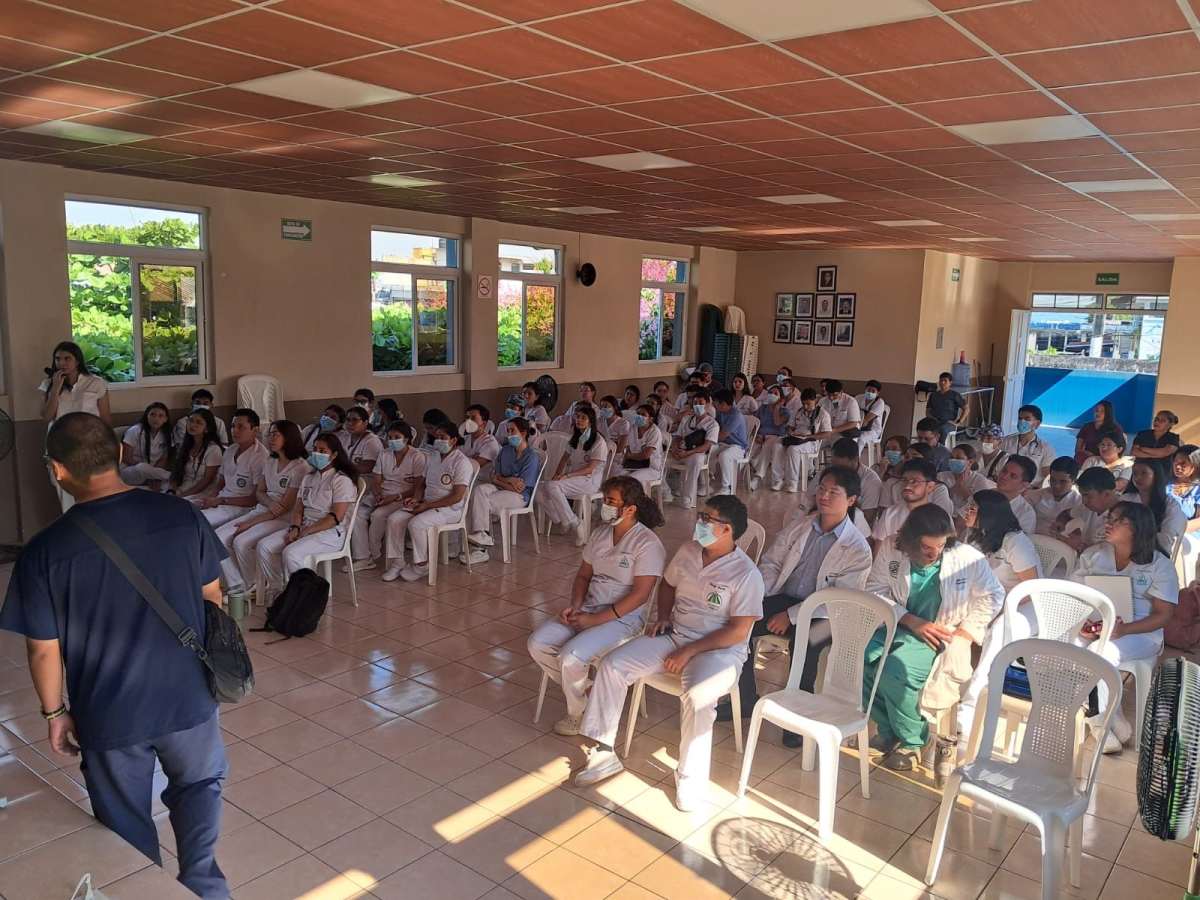




I was deeply impacted this trip. Despite having limited resources, the doctors and surgeons caring for patients in Coatepeque demonstrated great character, tenacity, and enthusiasm in the care for their patients and colleagues. They welcomed any effort in advancing care and improving systems within their hospital. Genuine involvement spanned from medical students to hospital administrative leadership, both to learn from and teach our visitors from the University of Colorado.
From this trip, we have laid the foundation for a long-standing relationship between the University of Colorado and the National Hospital Juan Jose Ortega of Coatepeque. By cultivating interdepartmental bonds between surgery, internal medicine, and pediatrics, we established a shared interest in the widespread adoption of point-of-care ultrasound (POCUS) across all aspects of clinical care, from diagnostic and procedural aid in the Medicine-Pediatrics to ultrasound-guided central line placement in Surgery for patient safety.
Furthermore, our discussions with hospital leadership opened doors for future collaborative projects. We specifically addressed the urgent need for standardized protocols regarding blunt head trauma, noted by local attendings as highly prevalent in their rural community. We hope to continue working to maintain a sustainable system that will improve patient care and safety in rural Guatemala in the far future.