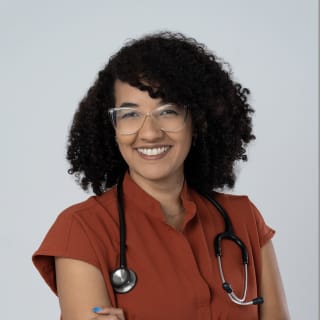
I will participate in a 7-day medical service trip to San Lucas Tolimán, Guatemala, working alongside a multidisciplinary team of medical students and physicians in emergency and family medicine. During the week, we will travel to different rural sectors to provide direct medical care to underserved populations, including evaluation, treatment, and distribution of necessary medications. In my role as a family medicine practitioner, I will supervise and mentor medical students, supporting their clinical learning while ensuring safe, effective, and compassionate patient care. I will guide them in clinical decision-making, patient communication, and culturally sensitive care delivery. Additionally, I incorporate integrative medicine into my practice, including the use of medicinal herbs. Many patients in this region already rely on traditional herbal remedies, and I aim to provide education on their safe and appropriate use.
This experience will make a meaningful difference on multiple levels: patient care, medical education, and my own professional growth. For the local community, our team will help address gaps in access to healthcare by providing essential medical services and medications to populations that may otherwise go without care. Beyond immediate treatment, patient education can have lasting health benefits. For the medical students, my role as a supervising physician allows me to foster a supportive learning environment where they can build clinical skills, cultural competence, and a deeper understanding of global health disparities. These experiences often shape how future physicians approach care, especially in underserved communities. Equally important, I recognize that this is not a one-sided exchange. I expect to learn significantly from the patients and community: particularly in understanding culturally rooted health practices and resilience in resource-limited settings.
The primary beneficiaries of this project are residents of San Lucas Tolimán, Guatemala, especially those in rural and underserved communities with limited access to healthcare. This population faces significant barriers, including a shortage of providers—often only one family medicine physician serving a large area—as well as financial constraints that limit access to care and medications. This population is especially important to serve due to both limited healthcare infrastructure and the strong presence of culturally rooted practices, including the use of medicinal herbs. My background in integrative medicine allows me to engage patients in a respectful, culturally informed way while promoting safe, evidence-based use of both traditional and conventional therapies. In addition to the community, this project benefits University of Wisconsin–Madison medical students. Working in a resource-limited setting helps them build clinical skills, cultural humility, and a deeper understanding of health disparities—experiences that will shape their future practice. Overall, this is a mutually beneficial exchange that improves access to care while helping train more compassionate, culturally responsive physicians.
This experience will have both immediate and lasting impact. During the trip, we will provide much-needed medical care, medications, and patient education to communities with very limited access to healthcare. Even small interventions—like managing chronic conditions or improving understanding of safe medication and herbal use—can make a meaningful difference.
Personally, I expect to gain a deeper understanding of culturally rooted health practices, especially the use of medicinal herbs. This will directly shape how I care for my own patients, allowing me to have more informed, respectful conversations and provide safer, more culturally responsive care.
As a supervising physician, I will also help guide medical students in developing clinical skills and cultural humility—lessons that will stay with them throughout their careers.
Overall, I will carry this experience forward by applying what I learn in my daily practice and sharing these insights with colleagues and trainees, extending its impact well beyond this trip.


Five days of hard work, meaningful connections, and medicine in its most humbling form.
Our medical mission to San Lucas Tolimán, Guatemala, took us into different settings—basketball courts, someone’s patio, community spaces, and rural communities where access to healthcare can be limited. We learned to adapt, to listen, and to meet people where they are.
I had the privilege of working alongside an amazing group of medical students who embraced every challenge with enthusiasm. They practiced their Spanish, strengthened their medical evaluation skills, and, most importantly, experienced firsthand some of the realities and challenges of global health. Teaching them is deeply rewarding, but watching them navigate these experiences, step outside their comfort zones, and connect with patients is something I hope they will carry with them throughout their careers.
For me, every mission trip is also an opportunity to grow. Every time I return, I find myself asking the same question: How can I become a better doctor—not only for these communities, but also for the patients and communities I already have the privilege of serving?
These experiences remind me why I chose medicine. They challenge me, humble me, and keep my soul cup full.
I’m incredibly grateful for the people who welcomed us, the team that worked tirelessly alongside me, and the students who brought so much energy and heart to this mission. I hope I get to keep doing this for a very, very long time.