The Mairura Family Foundation Medical Mission in Medical is a global health initiative focused on
expanding access to surgical and primary medical care in underserved communities in Kisii
County, Kenya. The project combines quarterly orthopedic surgical missions with monthly mobile
outreach clinics to address untreated fractures, joint conditions, and common medical concerns
that often lead to long-term disability when left unmanaged. U.S.
–based physician assistants,
surgeons, nurses, and volunteers work in partnership with Kenyan healthcare professionals to
deliver patient care while providing hands-on clinical training, mentorship, and health education.
Beyond direct treatment, the program emphasizes sustainability by strengthening local healthcare
capacity through skills transfer, donation of essential medical supplies, and development of
follow-up and referral systems. Community education sessions promote early intervention, injury
prevention, and general wellness practices. This integrated model ensures both immediate relief
for patients in need and long-term impact through workforce development and improved local
infrastructure. By addressing urgent medical needs while building local expertise, the project
seeks to reduce preventable disability, improve quality of life, and create lasting improvements in
healthcare access for vulnerable populations.
Location: Kisii County, Kenya, East Africa.
Target Population: Low-income and medically underserved children, adolescents, adults, and elderly individuals with limited access to orthopedic and general medical care. The program
primarily serves rural and peri-urban communities where transportation barriers, financial hardship, and shortages of trained healthcare providers restrict access to timely treatment. A secondary target population includes local nurses, clinical officers, and community health workers who will receive clinical education and mentorship.
The project restores mobility, reduces pain, and prevents long-term disability through timely surgical and medical interventions. Patients regain the ability to work, attend school, and participate in daily life, directly improving socioeconomic stability and overall well-being.
Sustainability is achieved through clinical education, mentorship, supply support, and
collaborative protocols that enable local providers to independently diagnose, treat, and manage conditions after mission teams depart. Educational workshops and community health sessions further reinforce preventive care and long-term health literacy.


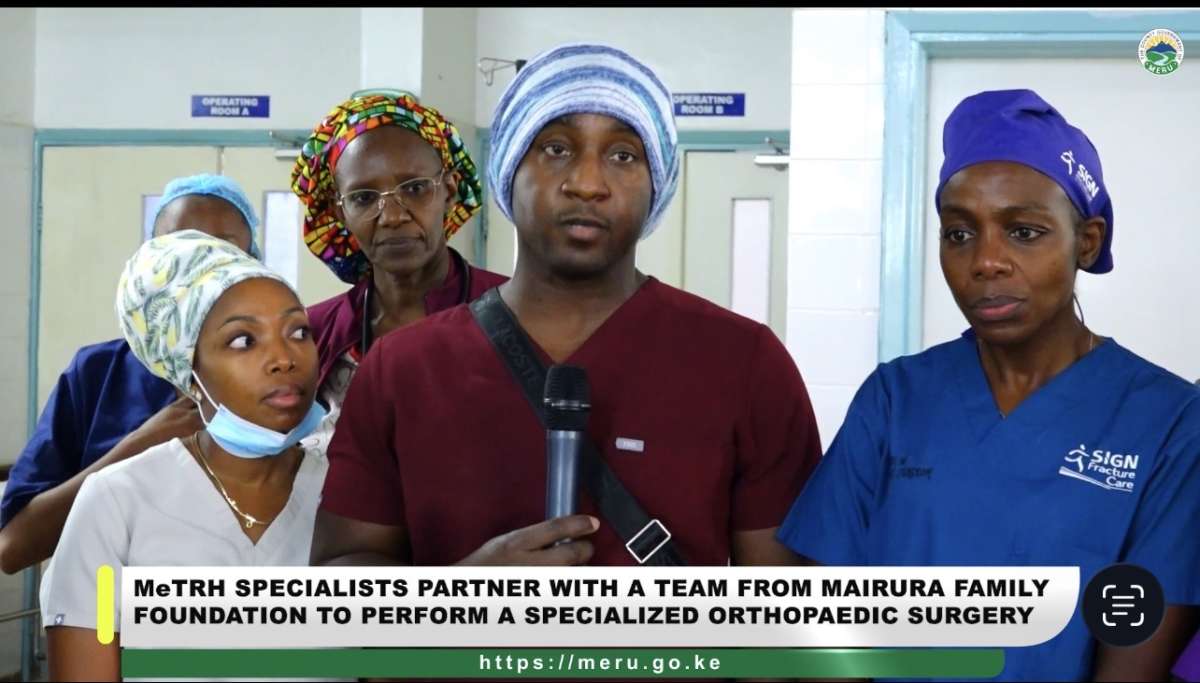
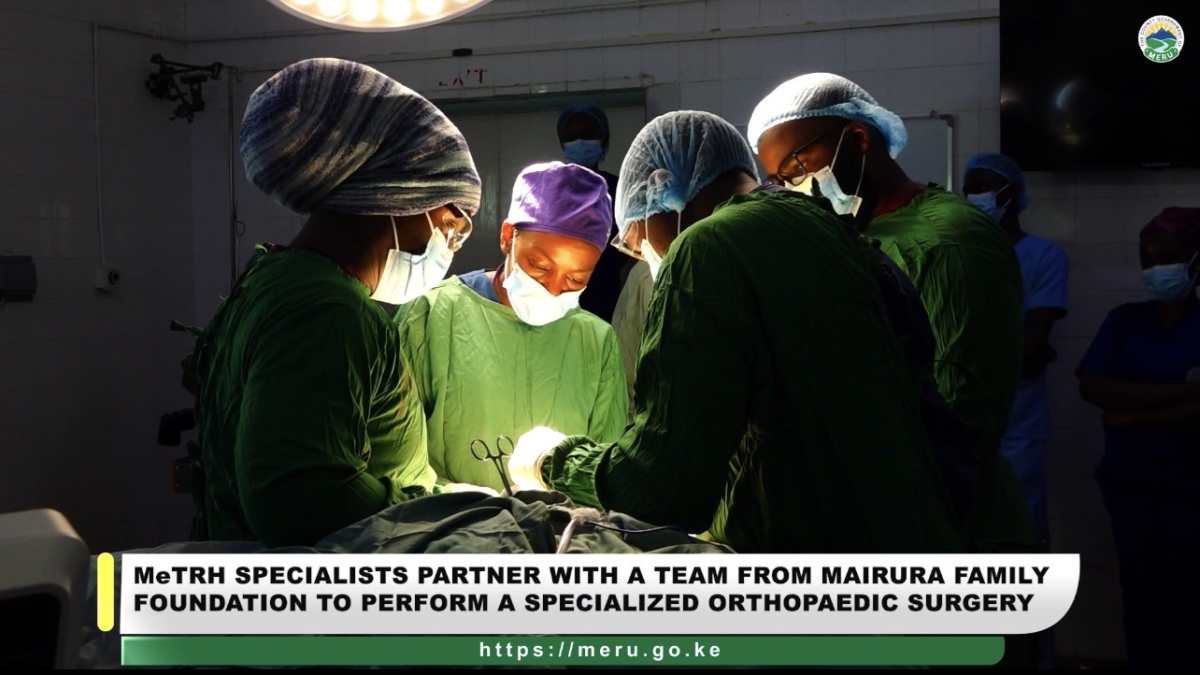




The people of Kisii Kenya and also Meru Kenya were impacted by my trip. In Kisii my team did many surgeries and outpatient procedures to reach those that could not receive care prior to our arrival. I completed a solo trip with my spouse to take orthopaedic implants donated by my friends and colleagues to Meru Kenya where many patients with traumatic injuries could not afford or be given care due to the healthcare status of the region. We then visited 2 local orphanages, one in Nairobi and one in Kisii where we donated medical supplies, toiletries, and medications for the kids residing there. The orthopaedic camp in Kisii was a huge success. I am awaiting the final stats on number of surgeries done and also number of patients impacted by our presence.