I will be supporting the Ob/Gyn clerkship at the University of Global Health Equity by teaching medical students during their clinical rotation. This work addresses a critical gap in medical education that stems in part from the long-term effects of the Rwandan Genocide, which led to a profound loss of healthcare professionals and educators. Although Rwanda has made remarkable progress in rebuilding its healthcare system, there remains a significant need for trained specialists—particularly in fields like obstetrics and gynecology—to educate the next generation of providers.
The university itself was founded through the vision and efforts of Paul Farmer, with a mission to advance equitable, high-quality healthcare education in resource-limited settings. During my previous experience working with UGHE, I had the opportunity to teach and collaborate with an exceptional group of motivated medical students. However, the clerkship currently relies on only two Ob/Gyn physicians, highlighting the ongoing shortage of in-country teaching faculty.
By contributing to clinical teaching, case-based discussions, and skills development, I aim to help strengthen students’ foundational knowledge and clinical confidence in managing common and high-risk obstetric and gynecologic conditions. This is particularly impactful because many graduates will go on to practice as general physicians in settings where they serve as the primary providers of women’s health care. Expanding their training not only improves individual competency but also contributes to broader efforts to reduce maternal and reproductive health disparities. In this way, my involvement supports both immediate educational needs and the long-term strengthening of Rwanda’s healthcare workforce.
The primary population served by this project is the medical students at the University of Global Health Equity who are completing their obstetrics and gynecology clerkship. These students represent a diverse and highly motivated group of future physicians who are being trained with a strong emphasis on equity, community-centered care, and leadership in global health. By strengthening their clinical knowledge and skills in obstetrics and gynecology, this project directly supports their ability to provide safe, evidence-based care in a range of settings.
This population is particularly important because many UGHE graduates will go on to practice as general practitioners in district hospitals and rural health centers across Rwanda and neighboring regions. In these settings, access to specialist care is often limited, and general physicians are responsible for managing a wide spectrum of obstetric and gynecologic conditions—from routine prenatal care to obstetric emergencies such as postpartum hemorrhage, hypertensive disorders of pregnancy, and complications of labor and delivery. Enhancing training at the undergraduate level therefore has an outsized impact, as it equips future providers with the skills and confidence needed to manage high-stakes clinical scenarios where timely and effective care can be lifesaving.
In the long term, the Rwandan patient population will benefit from this investment in medical education. Rwanda continues to rebuild and strengthen its healthcare system in the aftermath of the Rwandan Genocide, which significantly reduced the country’s healthcare workforce. By contributing to the training of future physicians, this project supports ongoing national efforts to improve maternal health outcomes, reduce preventable morbidity and mortality, and expand access to comprehensive women’s healthcare services.
The expected impact of this project is both immediate and sustained. In the short term, medical students at the University of Global Health Equity will gain stronger clinical foundations in obstetrics and gynecology through interactive teaching, case-based discussions, and bedside instruction. This will improve their confidence and competence in managing common and high-risk conditions, particularly in resource-limited settings where clinical decision-making must often rely on strong foundational knowledge rather than advanced diagnostics.
Beyond the direct teaching period, the goal is to create learning structures that persist after my departure. This includes sharing adaptable teaching materials, case frameworks, and evidence-based guidelines that can be reused by local faculty and future visiting educators. Emphasis will also be placed on building students’ clinical reasoning and teaching skills so they can continue peer-to-peer learning and reinforce knowledge within their cohorts.
Additionally, fostering relationships with current faculty helps support continuity, allowing for ongoing collaboration, feedback, and potential future teaching exchanges. In this way, the impact extends beyond a single rotation—contributing to a more sustainable educational environment and strengthening the long-term capacity of the institution to train skilled, confident providers in women’s health.
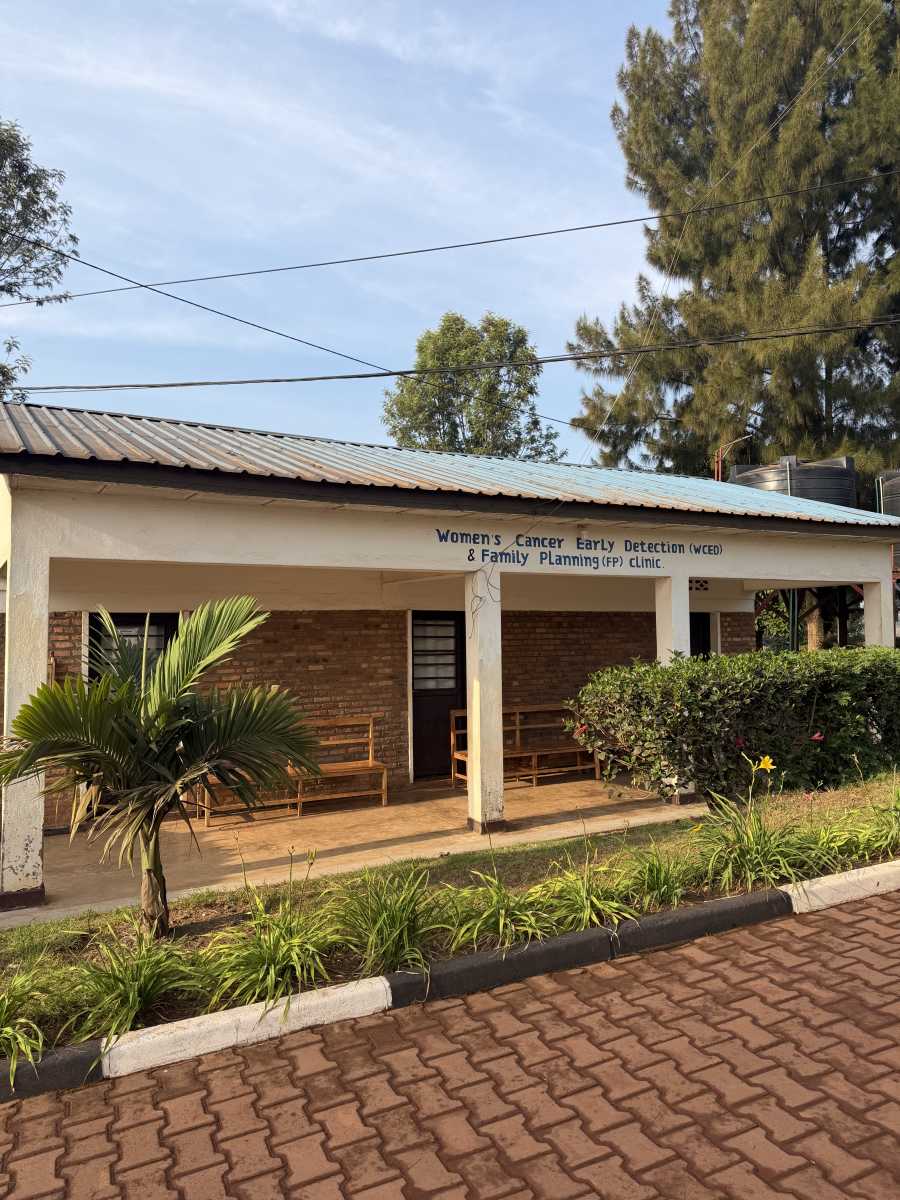

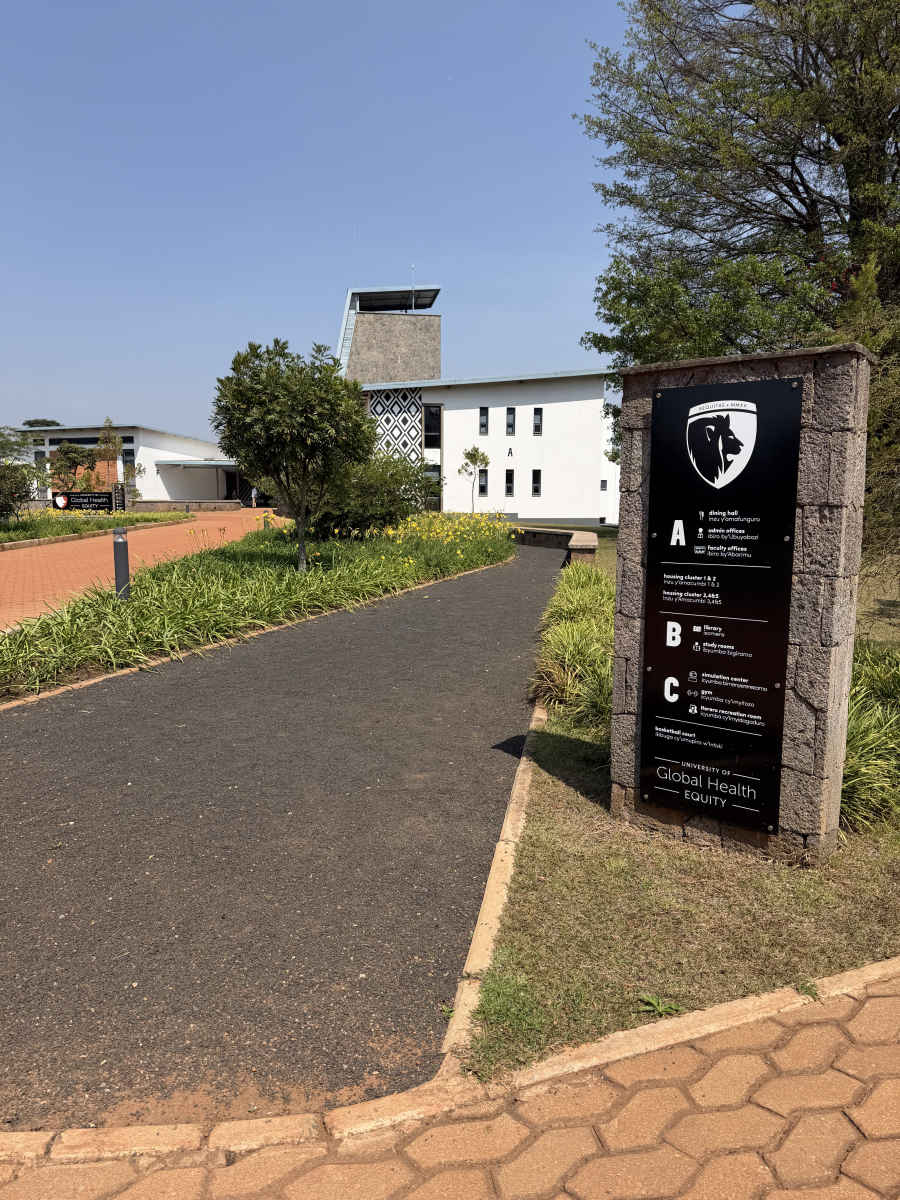




My trip impacted both the medical students I taught and the patients we cared for, as well as my own growth as a physician and educator. Through bedside teaching, didactic sessions, and shared clinical experiences, I was able to support medical students in developing their clinical reasoning, communication, and confidence in caring for patients. This experience challenges me to become a more thoughtful teacher and clinician, and reinforced the importance of global partnership, humility, and learning from one another.