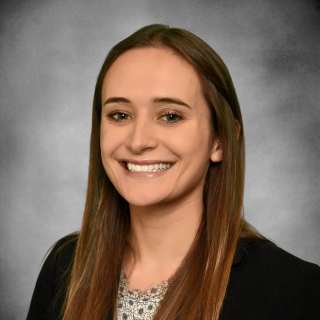
My residency allows for month-long global health rotations, which allows time for two separate focuses while abroad. The first few weeks will be spent rotating at The University of Port Harcourt Teaching Hospital, where I will have the privilege of learning from those trained in Endocrinology and Advanced Heart Failure. As a Med-Peds resident, it has been arranged so that there will be equal time with both adult and pediatric patient populations. Selfishly, I believe this will make the biggest difference in my own learning and further cement treatment differences within resource-limited settings and ways to circumvent, or at least make the most of, these situations for my future patients. As I hope to continue to emphasize global health in my career, I will also dedicate this time to building relationships with those at the hospital to hopefully maintain a bi-directional relationship to continue making a difference with future student learners.
For the latter part of my rotation, we plan to implement the first educational camp in Nigeria for those living with type 1 diabetes. After years of research and discussion, we have found that the responsibility of a diabetes educator often falls on non-physicians, such as nurses and nutritionists, who previously did not receive structured diabetes education. As such, we have created an educator curriculum that is currently being rolled out. After educators complete this training, and while I (and many other physicians) am in Nigeria, we will pilot the first structured camp for educators to practice teaching those living with type 1 diabetes how to manage insulin, sick days, carbohydrate counting, and many other topics. The fully trained diabetes educators will continue to make a difference for years to come with patient encounters, but hopefully this first camp will make a difference and be successful enough to model future camps throughout Nigeria and other countries in Africa.
Patients and families of those living with type 1 diabetes will have the most benefit from this project. Our previously completed surveys demonstrated a fair amount of misinformation concerning treatment, warning signs, and other lifestyle recommendations for those with type 1 diabetes. As such, this camp was designed to ensure that the correct and up-to-date information is distributed and remains easily accessible. This population was chosen after an original similar project was piloted with education tailored to those with Type 2 Diabetes after discovering that Nigeria has one of the highest diabetes related deaths of all African Countries. The type 2 diabetes camps in Nigeria were a success, as were multiple type 1 diabetes camps in other countries throughout Africa, thus the decision was made to try a similar model for those with type 1 diabetes in Nigeria. The project will hopefully benefit not only the educators currently being trained and patients and their families who participate in the upcoming camp, but also those diagnosed in the future. Currently, approximately 18,000 children are living with type 1 diabetes in Nigeria. This diagnosis carries a drop in healthy life expectancy from 63 to 21 years, again highlighting the importance of these camps and thoughtful education. These newly trained educators will be able to continue providing support and education to additional families in the future, possibly even at additional camps if successful, lengthening healthy years. These camps will also provide a community for these families to feel further supported and more understood moving forward, another aspect of care our surveys demonstrated could be helpful with addressing.
Although this is not the sole focus of my rotation, I believe the largest expected impact will be throughout the community as we implement the first type 1 diabetes education camp in Nigeria during my time abroad. We have spent many, many hours over the course of my residency to date drafting and dispersing surveys that were then analyzed to determine what deficits required the most necessary additional education for those living with type 1 diabetes in Nigeria. Once collected, we worked with many providers in Nigeria, as well as other diabetes camps throughout Africa, to create a curriculum for educators to then use to teach patients and their families. We used some of the misinformation gathered in our surveys to tailor education specifically towards a correct understanding of the diagnosis, but also treatment in day-to-day lives and while sick. Documentation also highlighted deficits in community understanding, medication accessibility, and standardized education in general, each of which will be addressed as well. By providing this education to many non-physicians, we are increasing the number of teachers within the community to make it easier for newly diagnosed patients to receive correct information from the start. These educator modules will also be kept within the community to allow frequent refreshers for previously trained educators, teach future educators, remind families as needed, and provide standardized education for those with new diagnoses in the future. If successful, the camp can also serve as a pilot for future camps not only in Nigeria, but also in other nations with a higher incidence of type 1 diabetes.

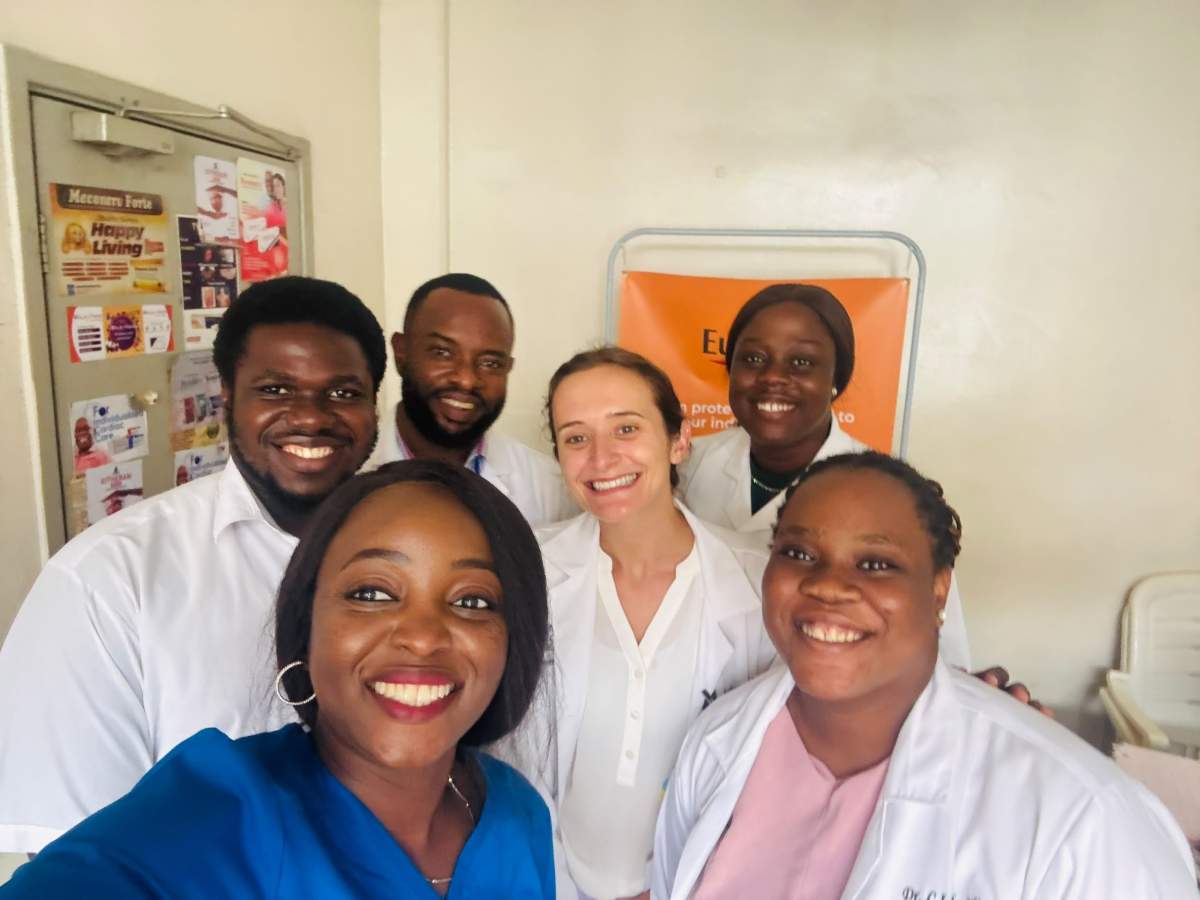


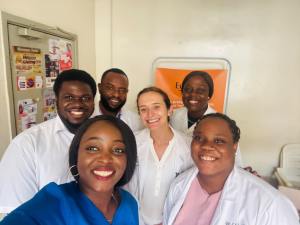


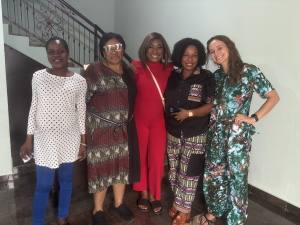
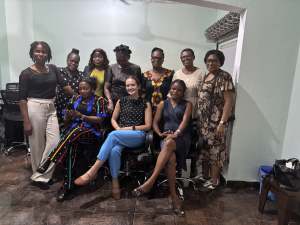


My trip was an incredible experience in multiple regards. Rotating through multiple departments within the University of Port Harcourt allowed me to experience first-hand how medicine is practiced in this lower-income region. Treating different disease processes seldom seen in the US and possibly preventable with things I take for granted daily (I.e., congenital hypothyroidism through a newborn screen) was invaluable, but the people I encountered were the highlight of my trip. The phrase “you are welcome here” seemed to be spoken freely, and everyone’s hospitality and kindness were exceptional. Honestly, I learned way more from everyone I met here than I could have ever taught in the allotted time. From developing relationships with medical students to consultants and within my host family, this was hands-down one of the best experiences of my life, and I am thankful to Doximity for making it more accessible through scholarship. I strive to display similar acts of acceptance and humility throughout my developing career.