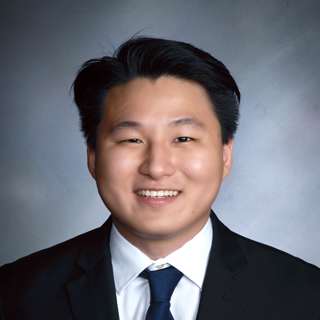
The Virtue Foundation team of surgeons across multiple specialties including neurosurgery, ophthalmology, ENT, general surgery, pediatric intensive care and more will travel Mongolia as part of our annual healthcare initiative. The team will work with our long-standing Mongolian colleagues to treat the people of Ulaanbaatar, Khovd, Dornod, and Khuvsghul. Moreover, one of the key goals of Virtue Foundation outreach is to work closely with our counterparts and train them to best manage complex cases.
Our teams will be working in multiple healthcare facilities in Ulaanbaatar, Khovd, Dornod, and Khuvsghul. We will be serving a wide range of patients from pediatric (e.g. oculoplastics, strabismus surgery), to the elderly (e.g. cataracts, sinus surgery). Patients are recruited and subsequently screened by our surgical team. We seek to support the most vulnerable and underserved populations.
Last year's mission saw us screen over 900 patients and perform approximately 300 surgeries. This year's mission is expected to have the same if not a larger impact. Some supplies will be donated to our Mongolian colleagues for future use by the local doctors and an emphasis is placed during the mission to teach local doctors so they can continue to perform similar surgeries.

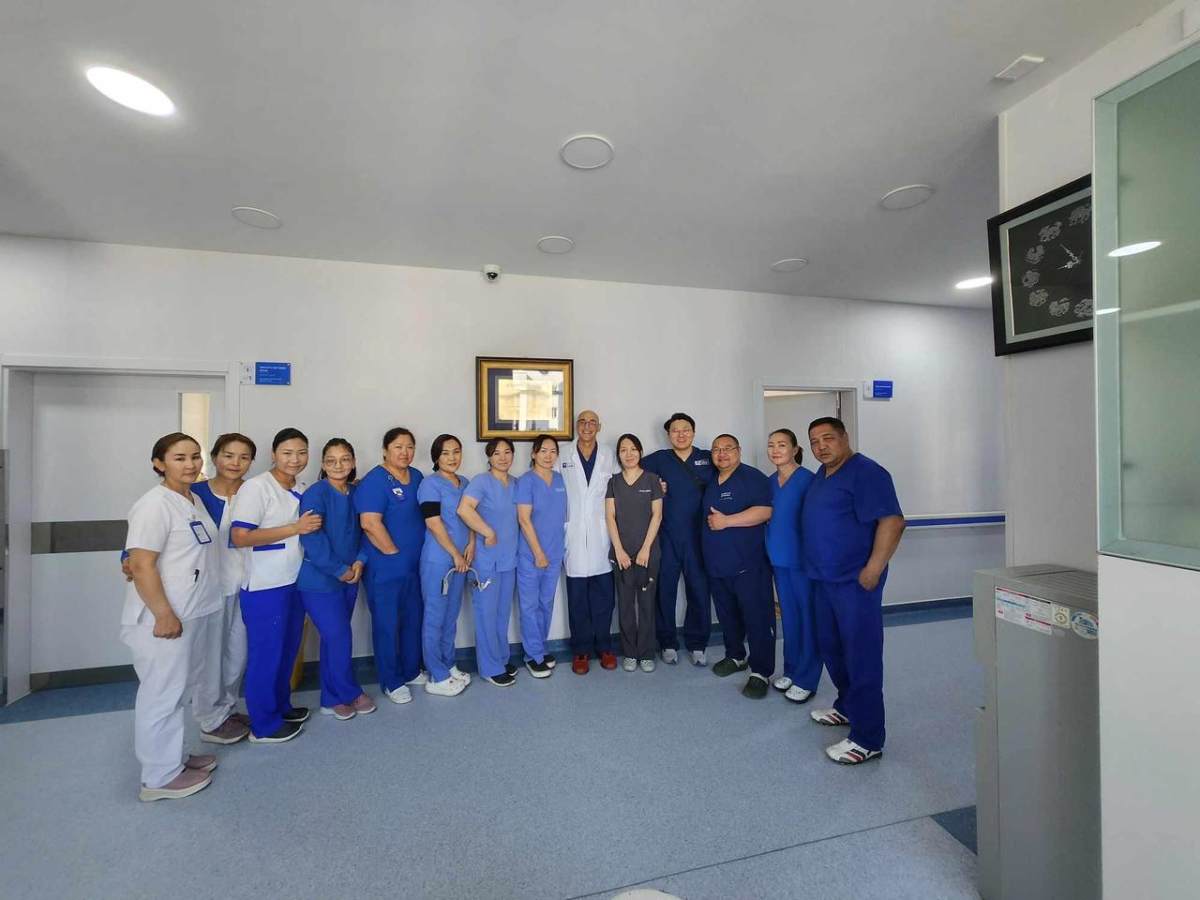
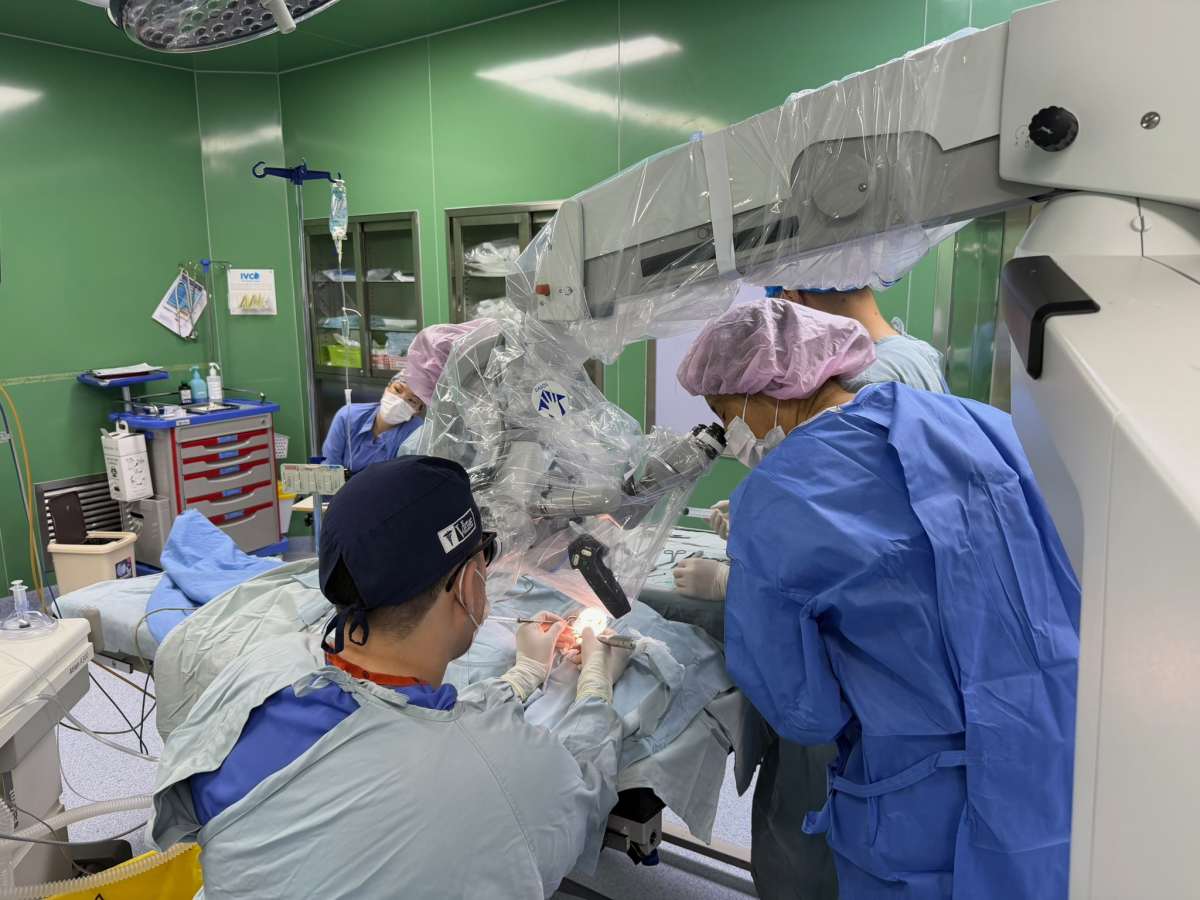

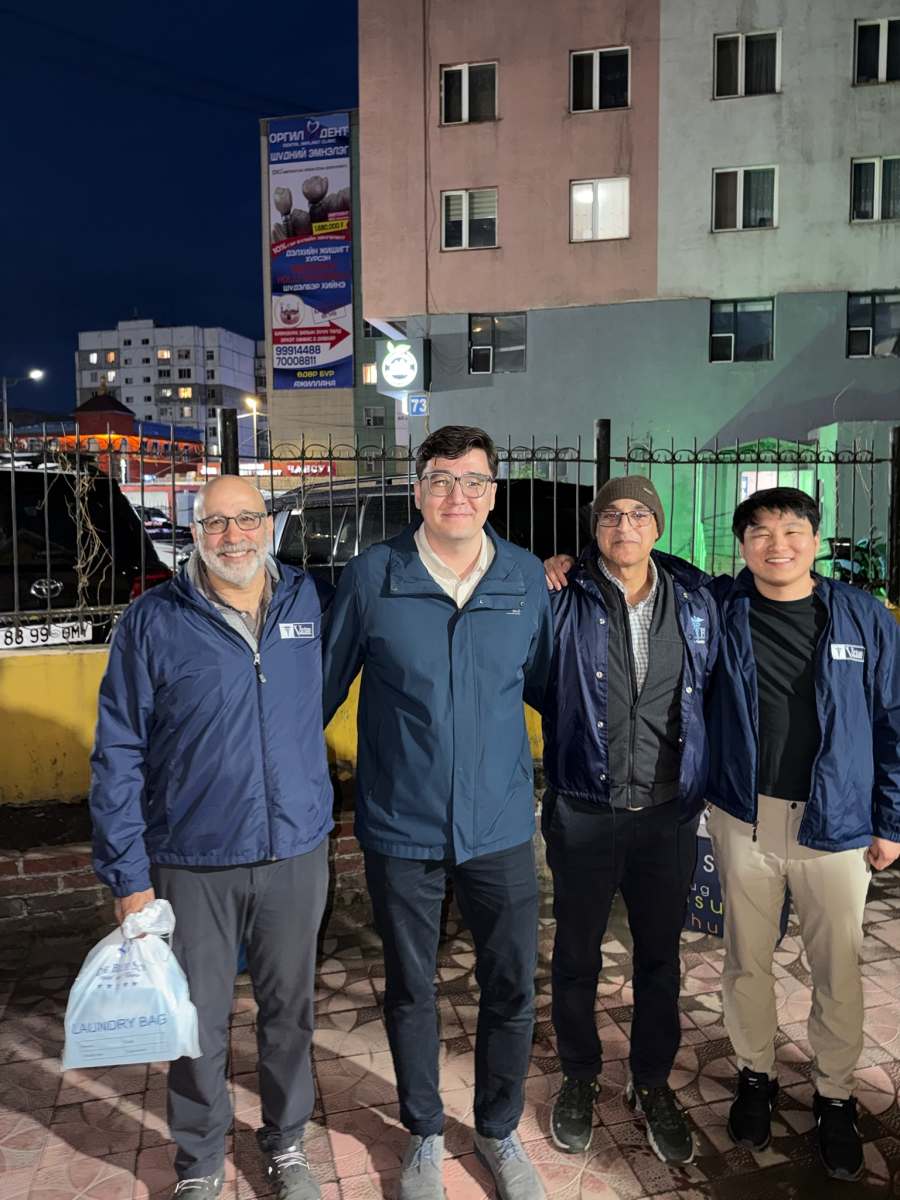

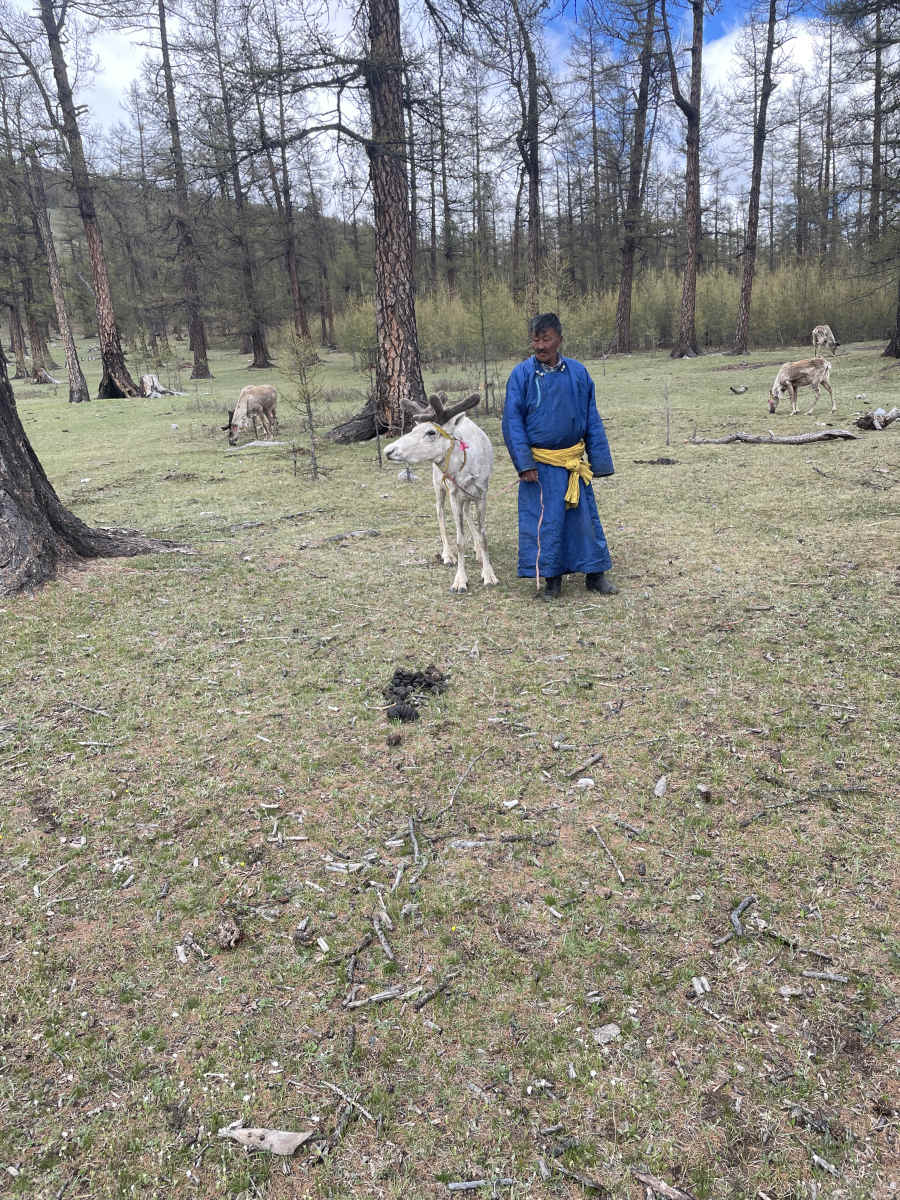


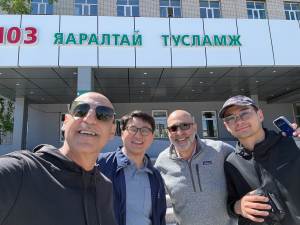


The people most impacted by our trip were the patients and healthcare providers we met throughout Mongolia. Many patients traveled hundreds of miles across vast stretches of steppe and rugged terrain to reach specialty care, often journeying from remote provinces where access to an otolaryngologist is limited or nonexistent. For some, obtaining an evaluation required days of travel and significant financial sacrifice. Meeting these patients put into perspective how geography, resource limitations, and healthcare access can profoundly shape health outcomes.
One patient who particularly stayed with me was a young man who had traveled a considerable distance seeking answers for a longstanding airway condition. While the clinical encounter itself was important, what struck me most was his determination to pursue care despite the obstacles he faced. Similar stories were common throughout the trip. Many patients arrived with conditions that had affected their ability to communicate, work, attend school, or simply participate fully in daily life. Their resilience and gratitude were deeply moving.
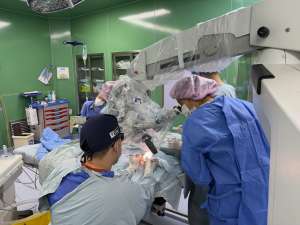
The impact of the trip extended beyond the patients we treated. We spent significant time working alongside Mongolian otolaryngologists, residents, and medical staff who provide exceptional care despite limited resources. In operating rooms and clinics, we exchanged ideas, discussed challenging cases, and shared surgical techniques. What impressed me most was their creativity and adaptability. Faced with equipment shortages and logistical barriers that would be unimaginable in many American hospitals, they consistently found ways to deliver thoughtful, high-quality care to their patients.
The trip also helped identify opportunities for lasting impact. Through conversations with local physicians, we gained a better understanding of the specific challenges facing their healthcare system and explored ways future collaborations could support education, training, and access to critical equipment. While our time in Mongolia was brief, the relationships formed with patients and providers created a foundation for ongoing partnership.
More than anything, the experience reminded me that healthcare is ultimately about people. The families who crossed great distances in search of care, the physicians dedicated to serving their communities, and the patients whose perseverance inspired us all left a lasting impression on me. Their stories transformed the trip from a clinical experience into a powerful lesson in resilience, partnership, and the shared commitment to improving the lives of others.