I will spend four weeks in rural South Africa supporting clinical and research activities at the Wits Rural Public Health and Health Transitions Research Unit. There are five publicly funded primary care clinics and a larger referral hospital in the district, which are primarily staffed by nurses and community health workers, with infrequent visits from doctors. I will rotate in these sites and gain insight into the medical management of infectious diseases like HIV and TB, as well as non-communicable diseases like hypertension, diabetes, and cardiovascular disease. I will learn from the care provided by the non-physician health workers and be able to better understand the role they play in areas around the world with a limited physician workforce. My role will be contributing to patient care, supporting the local healthcare teams, and providing medical education through interactive lectures and bedside teaching. I have substantial point-of-care ultrasound (POCUS) experience, and plan to teach on these topics. I hope to strengthen my diagnostic and patient care skills by working in a very different setting from my home urban medical center.
In addition, there are focused research areas that are integrated within the local district healthcare system. These include infectious disease, dementia, and cardiometabolic disease. I will work with local healthcare providers and researchers to gain an understanding of the bi-directional relationship between research and clinical medicine, and directly observe the implementation of novel interventions in practice. For example, I will have the opportunity to observe how novel low-field portable MRI’s are being implemented clinically in rural and low-resource areas, where traditional brain MRI’s are unavailable. This experience will demonstrate novel research findings and clinical innovations are translated into clinical practice in low-resource settings.
This project will serve the population in the rural community of Agincourt, in the northeastern Limpopo province of South Africa. Agincourt is a resource-poor rural setting close to the Mozambique border that has been part of the Agincourt Health and socio-Demographic Surveillance System since 1992. This longitudinal health and demographic surveillance project consists of a survey of all 120,000 residents across 31 rural villages to understand the longitudinal epidemiology and demographics of the region. Due to the research presence in the area and demographic survey, it is an unusually well-defined region from a population health perspective, especially among LMICs. The region has a high prevalence of poverty, limited employment opportunities, and significant migrant population from Mozambique. Like many low-income country settings, this population faces a co-occurring burden of communicable diseases like HIV/AIDS and tuberculosis as well as an increasing prevalence of chronic diseases like hypertension, diabetes, and cardiovascular disease. These noncommunicable diseases are highly prevalent, but access to screening, diagnostic testing, and evidence-based medications can be limited.
Due to the research activities in the community, there is also a rich relationship and trust between the local healthcare centers, researchers, and patients, that has allowed a significant history of community-based research activities and bidirectional learning. Novel technologies and healthcare innovations are also constantly being developed and implemented in order to improve the health of the population and demonstrate the efficacy and feasibility of different projects in a rural and under-resourced area of sub-Saharan Africa.
Through my work in rural South Africa, I hope to gain experience providing clinical care in a rural and resource-limited setting with unique demographics and healthcare needs. I will work alongside experienced nurses and community health workers while they practice primary care and inpatient medicine at district hospitals. I will bring my experience working in a large well-resourced urban academic medical center in the United States to my bedside teaching, while also learning from the South African healthcare workers’ ability to diagnose and treat complex diseases with fewer resources and a unique set of challenges. In the short term, I hope to contribute directly to patient care and offer insight into clinical management. In the long term, I aim to identify areas of learning that could improve the medical team’s patient care going forwards.
Regarding my own career development, I aspire to practice clinically in global settings while also partnering with local institutions to conduct rigorous population health research. Agincourt will be the ideal setting to learn how a well-established, longitudinal, research center partners with local hospitals and communities to conduct pioneering research on health in a low-income setting. I look forward to collaborating with the clinical and research teams while in-country, and sustaining those personal relationships beyond my time in South Africa to allow continued collaboration and education on clinical medicine and research.
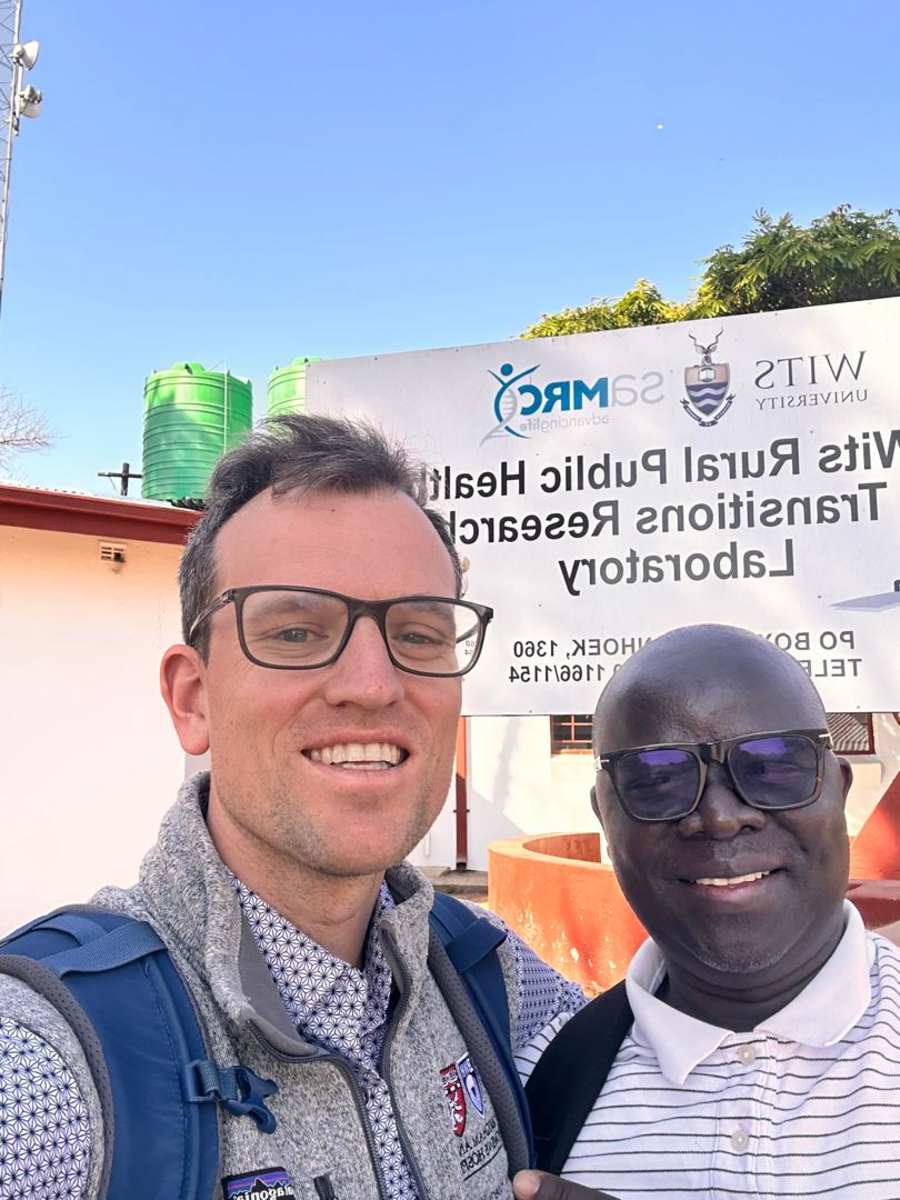
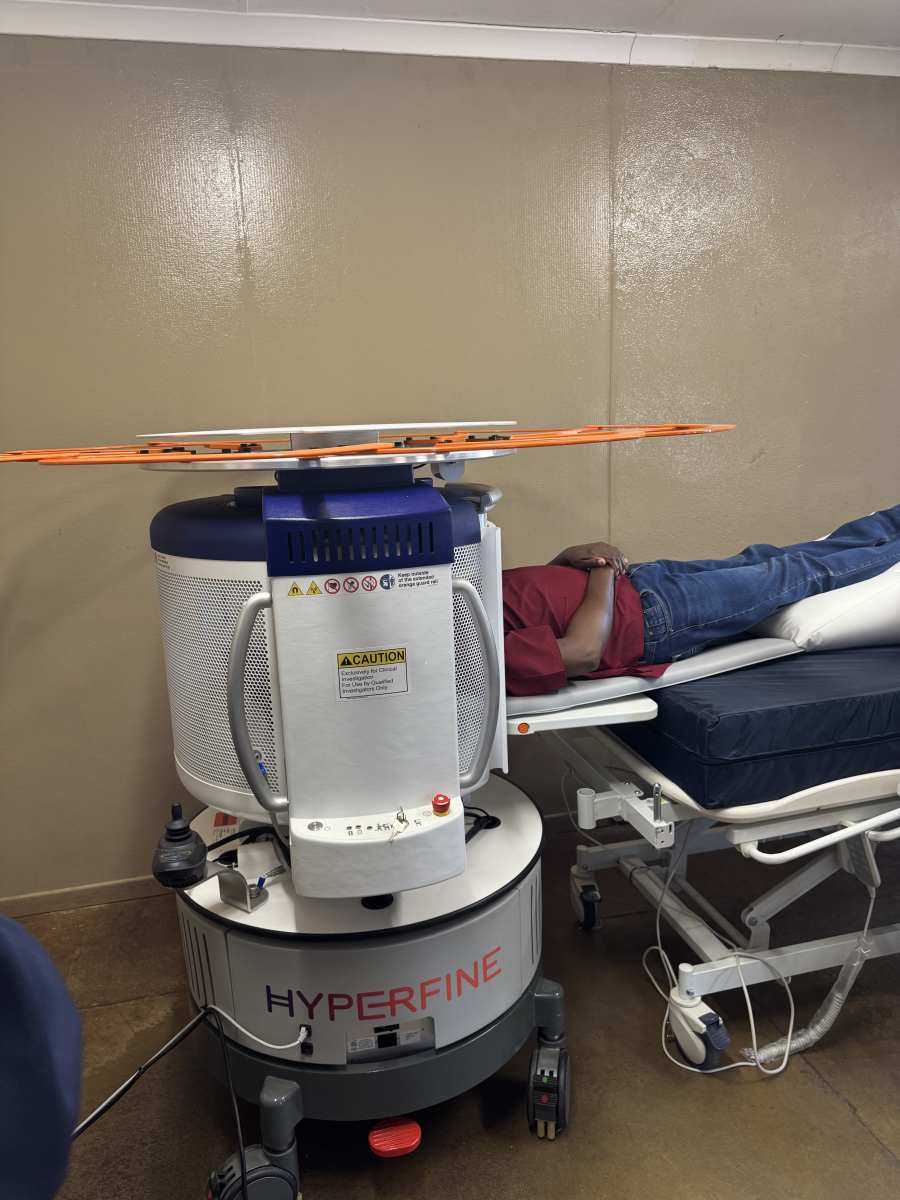

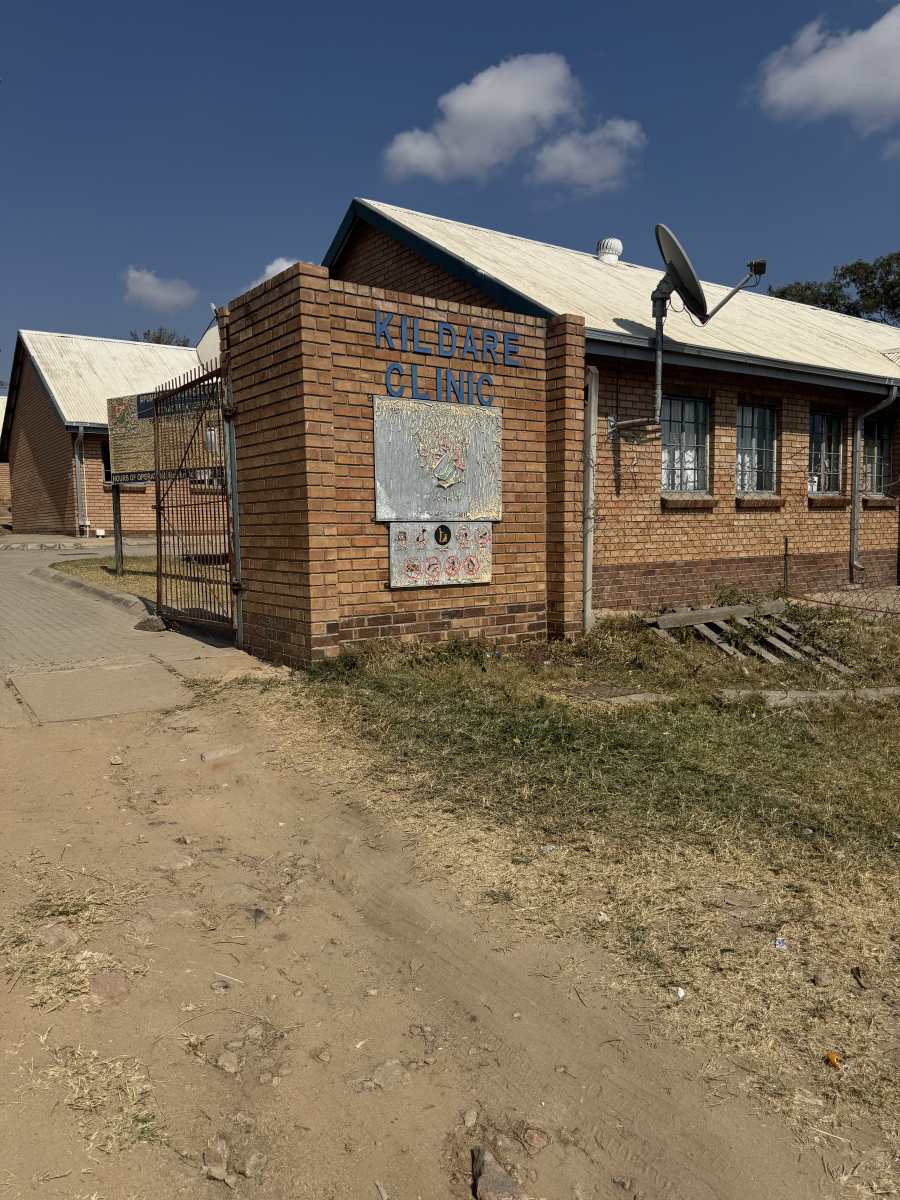

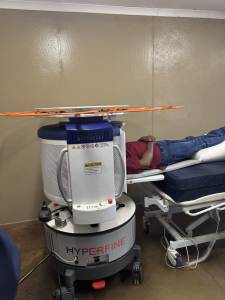

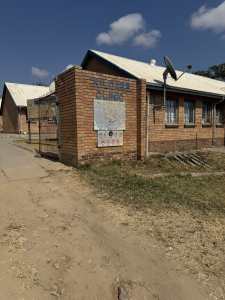
I had an amazing experience in rural Mpumalanga, South Africa working clinically and observing different areas of the health system. I worked on the inpatient wards with the South African doctors, who are primarily recent graduates from training doing their community service year at Tintswalo Hospital. I spent time with them on the male and female wards seeing patients who had HIV, TB, as well as complications of noncommunicable diseases like cardiovascular disease, diabetes, and stroke. I learned from the doctors who managed these patients who presented late in their course with severe symptoms and limited capacity for activities like frequent lab draws or imaging. I led lectures and a simulation session on POCUS, and spent time scanning with the doctors to demonstrate how it could be incorporated on rounds with their patients. Finally, I got to observe many ongoing health system developments, including the implementation and validation of a portable MRI (primarily for research purposes at this point) and the expansion of digitized clinical notes to pair with vital registration systems in the area.