This is a two-part project focused on pediatric type 1 diabetes (T1D) care. Prior work by the team surveyed providers in Nigeria to assess needs as well as areas of misinformation related to T1D treatment. The project overall aims to address these needs. The first part of the project is a diabetes training curriculum for non-physician health care providers (nurses, dieticians, etc). This curriculum reviews diabetes physiology, nutrition, and insulin management and will certify these providers to be diabetes educators, which will then allow expanded health care capacity. In Nigeria and other low-income countries, there is limited access to pediatric endocrinologists. Increasing the knowledge of non-physician health care providers will increase the ability of children and adolescents to receive appropriate diabetes care. The initial part of the training curriculum will be held virtually. However, the second part of the curriculum is a practical in-person session. This session will include skills assessment (insulin injection, etc) as well as standardized patient cases.
The second part of this project is a pediatric Type 1 diabetes camp. The focus of this diabetes camp will be on education of the children/adolescents and their parents. In addition, there will be time for peer bonding and the normalization of diabetes and its management. Educators who participated in the training curriculum will have the opportunity to participate in the diabetes camp to further their practical experience.
Children and adolescents with T1D and their families in Nigeria will benefit the most from both parts of this project. According to the International Diabetes Federation, in 2024 Nigeria had 18,000 children and adolescents aged 0-19 years living with T1D, compared to just shy of 200,000 children and adolescents living with T1D in the United States. However, compared to the United States where the remaining life expectancy of a 10-year-old diagnosed with Type 1 diabetes is 45-59 years, in Nigeria, the remaining life expectancy is <15 years. This discrepancy comes from lack of awareness and misdiagnosis along with difficulty accessing treatment and misinformation regarding treatment.
The diabetes training curriculum will further the knowledge and awareness of health care professionals for Type 1 diabetes which will allow for increased recognition and teaching of accurate treatment information. In addition, the educational component of the diabetes camp will allow families to receive the same information to increase their own knowledge. Another benefit of diabetes camp is the community that can form for children and adolescents with other peers who have diabetes and for family members with other families who have a child with diabetes. Diabetes is a complex lifelong medical condition that is associated with burnout and isolation and building a community can help combat this.
Prior work done by the team in this area, collected and analyzed surveys looking at areas of need, including misinformation related to T1D treatment, warning signs, and other lifestyle recommendations. The diabetes training curriculum was developed to address the identified needs and misinformation from prior studies. The specific focus of this training on non-physicians will address the limited access to pediatric endocrinologists and increase the numbers of educators available in a community to allow patients with T1D, especially new onset diabetes, to receive accurate information. The goal is to continue this educational curriculum consistently to increase the number of people trained and to allow for refreshers of those who have received the education previously.
We expect that the diabetes camp will increase the knowledge of children, adolescents and their parents about diabetes management. The other main impact from diabetes camp that we expect to have is an increase in the community felt by these families with other people with T1D. The goal is that we will be able to continue to have diabetes camps and extend them to include more children throughout the area and to be able to utilize trained diabetes educators to be able to help host the diabetes camps, making them a sustainable model.


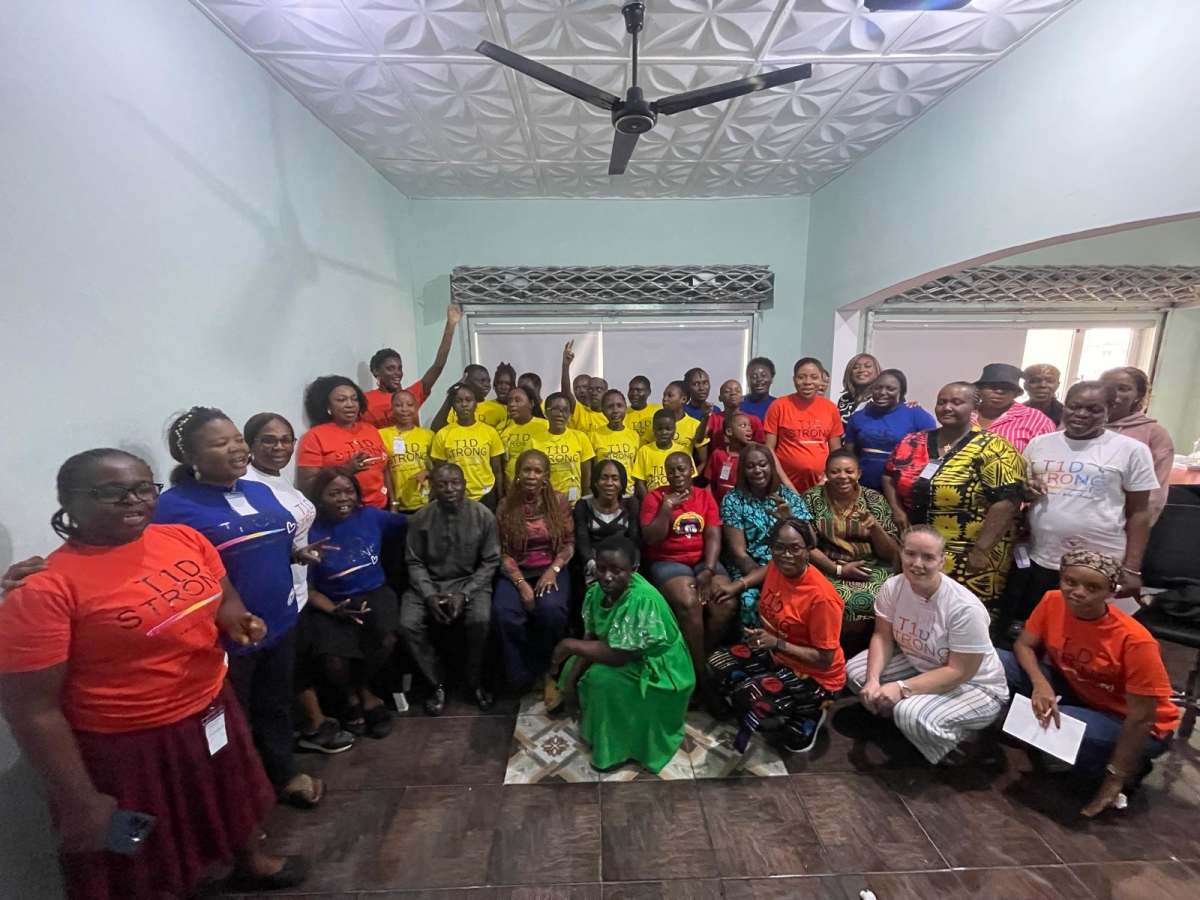


I have always been inspired by my patients who live with type 1 diabetes, a chronic medical condition that requires constant vigilance and decision making. I am even more inspired by those who live with diabetes in areas of the world where diabetes management comes with many additional challenges. My trip to Nigeria allowed me to meet children who are living with diabetes and their families, along with health care workers who take care of these children. As part of an initial training session for the camp, we discussed with healthcare workers seemingly simple differences in management, like the size of an insulin needle, to much more significant differences, like the difficulty in affording insulin or the lack of access to glucagon or any other technology, such as insulin pumps or CGMs. Being able to be part of education with the children and their families during camp and reinforce that type 1 diabetes was not caused by anything they did and that they are not to blame and to talk through different ways to deal with diabetes burnout is an experience that will stay with me for a long time. The hospitality and welcome I felt from all the people I met is one of the most humbling parts of my travels and was especially true of this trip. I look forward to continuing to work with the health care providers to further diabetes education knowledge.