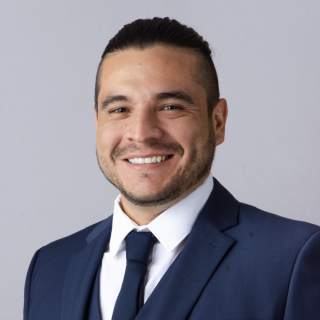
I will join a surgical mission to a remote rural town in Morocco to provide free general surgery services to members of a disenfranchised community with no current access to surgery. The mission is an initiative from the UM6SS medical school in Casablanca. I will support them as a general surgery resident.
Members of a rural community in Morocco with no access to surgical care. The community has partnered with UM6SS medical school in Casablanca to host a recurring surgical caravan to provide yearly surgical access locally to the people of the community.
Provide needed surgical care to a community without current access. The lessons learned will be applied to my future global surgery missions and to my work in the United States.


Participating in a surgical caravan in Oujda, Morocco, was an opportunity to experience firsthand how targeted surgical outreach can address disparities in access to essential surgical care. The caravan served patients from remote and underserved villages, many of whom face substantial geographic, financial, and logistical barriers to receiving surgical treatment. During the initiative, our team provided approximately 50 medical consultations and performed surgery for more than 20 patients who otherwise had limited access to operative care. The procedures were performed at the public hospital in Oujda, where local infrastructure and expertise were combined with the personnel and resources mobilized through the caravan. I personally assisted with five general surgery procedures, working alongside local clinicians and gaining a deeper understanding of the challenges involved in delivering surgical care to geographically isolated populations.
An especially meaningful component of the experience was working with medical students from Mohammed VI University of Sciences and Health (UM6SS) in Casablanca, who played an important role in coordinating the logistics of the caravan. In addition to working together in the clinical setting, I had the opportunity to teach and mentor the students on surgical evaluation, perioperative care, and clinical decision-making. I also participated in a simulation-based training session focused on the Focused Assessment with Sonography for Trauma (FAST) examination, during which students practiced using point-of-care ultrasound in the evaluation of trauma patients. This combination of direct patient care and education reinforced the importance of pairing surgical outreach with investment in local trainees and healthcare capacity.
The caravan also highlighted that expanding access to surgery requires much more than performing an operation. Patients must be identified in their communities, connected to the healthcare system, evaluated, transported, treated safely, and supported after discharge. While surgical caravans can provide essential care to patients who otherwise might remain untreated, sustainable improvements require stronger referral networks, appropriately distributed surgical infrastructure and workforce, and pathways that connect remote communities with surgical services. My experience in Oujda strengthened my interest in global surgery and demonstrated the value of partnerships that combine direct patient care, local collaboration, and education. Ultimately, the caravan provided an opportunity not only to contribute to the care of underserved patients, but also to learn from Moroccan colleagues and support the education of future physicians who will continue working to improve access to surgical care in their communities.