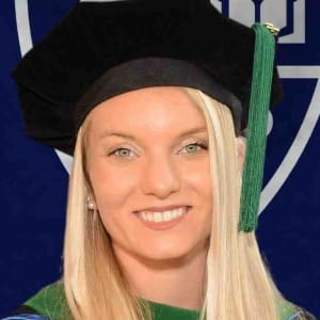
I am an Emergency Medicine physician currently training in New York City who is planning to complete a global health elective in Kigali, Rwanda. During my time there, I will work clinically at three different hospitals near Kigali. I will also collaborate extensively with emergency medicine trainees from Africa Health Sciences University. I will be heavily involved in teaching didactics to the residency program each Thursday, as well as providing on shift teaching as much as possible and serving as a "senior resident" to the interns, as they do not have a senior resident. My focus will be on strengthening emergency care education through three main approaches: point-of-care ultrasound (POCUS) training, procedural competence, didactic teaching, and simulation-based learning.
This work aims to make a difference by serving the local population in high stakes emergency medicine situations, as well as enhancing the quality of the education that current trainees at Africa Health Services University receive. Importantly, this work will expand upon the work of my own colleagues and coresidents - so that we can support and amplify existing training structures and provide a sustainable educational model. My goal would be to return to Kigali throughout my career to continue the educational collaboration and continually improve the quality of care we provide to the local population.
Firstly, the patients and communities served by the three hospital sites near Kigali will benefit from this project. They will receive higher quality of clinical care, and I will have the privilege and opportunity to serve this patient population. This will allow me to become a better clinician and a stronger emergency medicine physician, and as a result continue to provide more compassionate care to the patients I serve.
Secondarily, this project will benefit the emergency medicine residents and trainees at Africa Health Sciences University. These providers provide care for a high volume of critically ill patients, often in a very resource-limited environment with limited access to advanced diagnostics and subspecialty support. Oftentimes, the emergency room is the first point of contact for the most vulnerable and sickest patients; the care we provide in the first few minutes to hours is vital. Enhancing their skills in assessment, diagnostics, ultrasound use, procedures (intubation, central lines, chest tubes) will have significant benefits in resuscitation of critically ill patients - which can ultimately improve the morbidity and mortality of the local population and have far-reaching impact.
The expected impact is both immediate and longitudinal through a sustainable education model. In the short term, I hope to provide competent and compassionate care to the local communities, as well as provide valuable on shift and didactic teaching to the emergency medicine trainees. I hope that the education I provide to the trainees also allows them to provide higher quality care to critically ill patients in the Kigali area.
In the long term, this is a sustainable educational project that will expand upon prior teaching from my colleagues and will be continued by my coresidents and faculty in the future. We will use reproducible teaching methods and locally adaptable curricula. Our didactic lectures, simulations, and procedural teaching materials will be provided to the trainees and faculty of Africa Health Sciences University to use in the future.
Furthermore, this experience will allow me to provide more culturally competent and aware care to the patients I serve during residency in New York City. I will learn
Finally, this project will be foundational in my future work in global emergency medicine throughout my career. As an attending, I hope I continue to be involved in global health in my institution - teaching medical students, residents, and continuing to travel to Rwanda to continue the work I establish during this trip.
I thank you in advance for your consideration of my project.
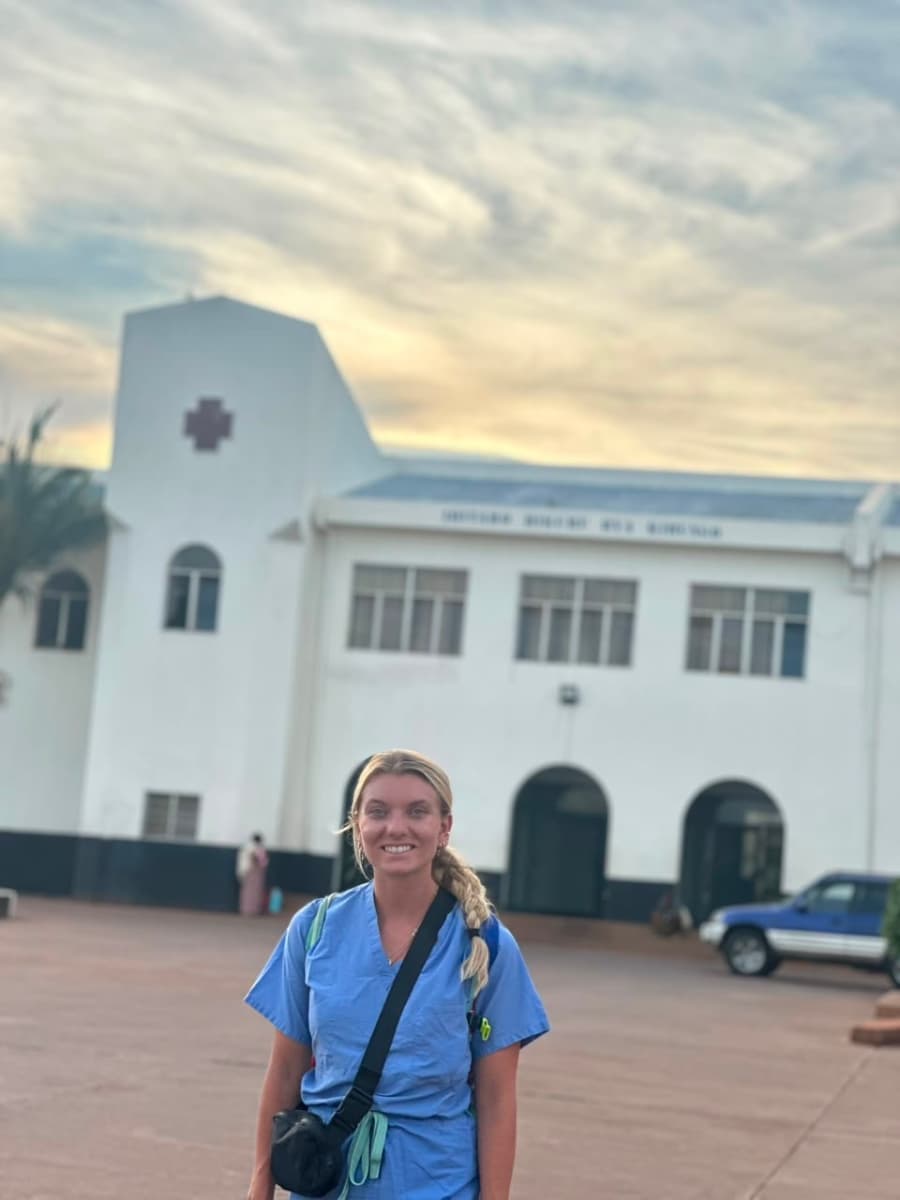
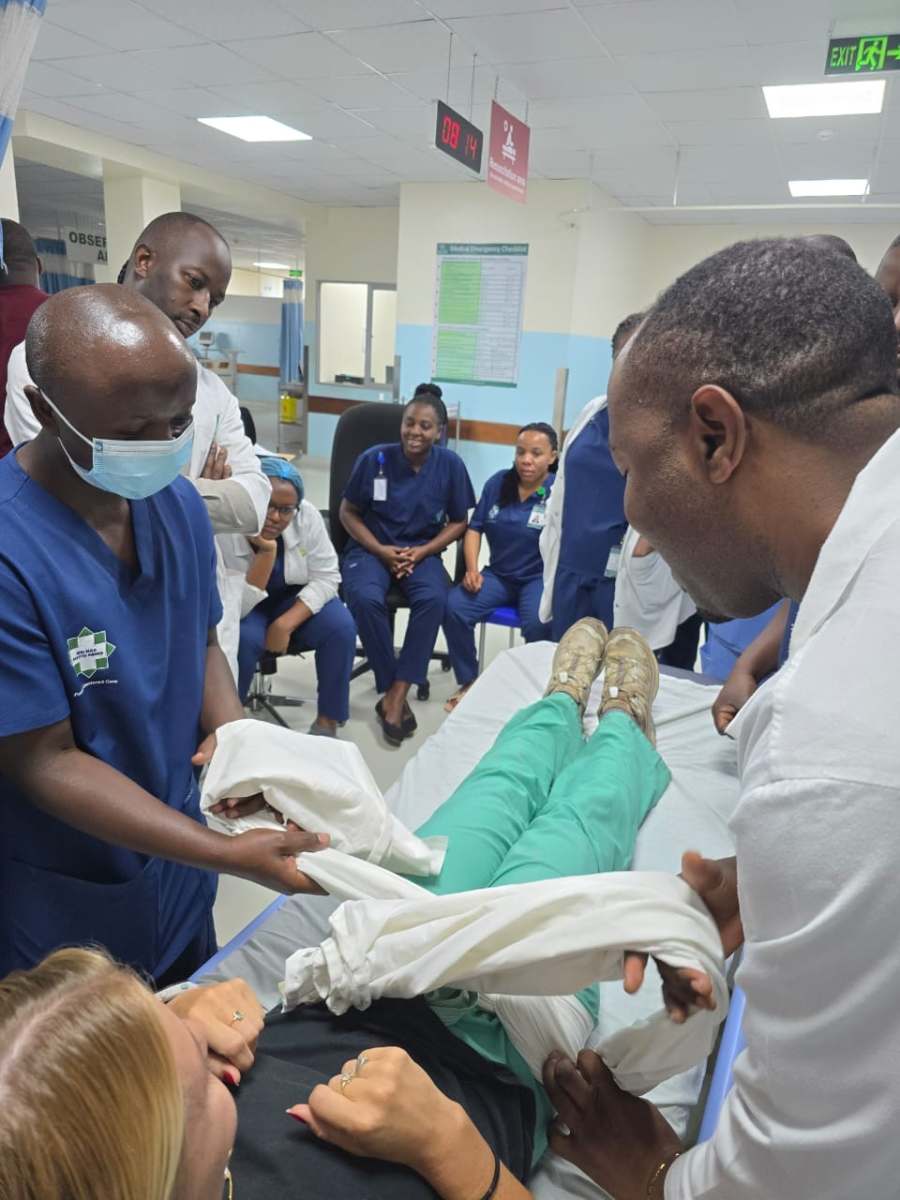

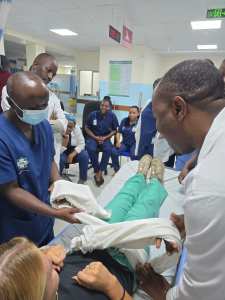
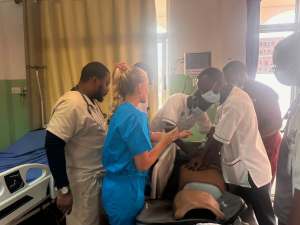
My time in Rwanda was an incredibly meaningful and transformative experience that had a lasting impact on both the local healthcare communities and the emergency medicine residents with whom I had the privilege of working. During my elective, I practiced clinically and facilitated simulation-based education at the main academic hospital in Kigali, while also traveling to two rural district hospitals to support emergency care training in resource-limited settings. In addition to bedside teaching and trauma simulations, I led basic CPR workshops for hospital staff, helping to strengthen foundational resuscitation skills and build capacity for managing time-sensitive emergencies.
I will never forget the patients I had the privilege of caring for, the breadth and complexity of the pathology I encountered, and the invaluable lessons I learned while navigating the unique challenges of practicing emergency medicine in Rwanda. Working in a healthcare system with resources and infrastructure that differ significantly from those I have grown accustomed to in the United States challenged me to think creatively, adapt my clinical approach, and appreciate the importance of context-specific, resource-conscious care. Just as importantly, the experience reinforced the value of collaboration, medical education, and sustainable partnerships in strengthening emergency care delivery.
I am profoundly grateful to the Doximity Foundation for making this opportunity possible through its generous support. This experience has made me a more thoughtful, adaptable, and well-rounded physician, while deepening my commitment to emergency medicine education and global health. The relationships I built, the lessons I learned, and the perspectives I gained will stay with me throughout the remainder of my career and continue to shape the physician and educator I aspire to become.

