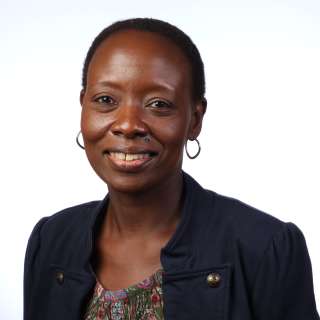
I plan to provide sickle cell screening for newborns and children up to age 5 at Ndere Health Center in Gem, Western Kenya. This project will focus on early identification of children with sickle cell disease so they can be connected to appropriate follow up care, education, penicillin prophylaxis, immunizations and ongoing monitoring.
In this community, many children with sickle cell disease are not diagnosed early due to lack of newborn screening, which can delay preventive care and increase the risk of severe complications and early childhood death. By bringing screening closer to the community, this project will help families receive answers earlier, understand diagnosis, and begin appropriate care before complications occur.
This project will serve newborns and children up to age 5 in Ndere and surrounding rural communities in Gem, Western Kenya. This age group is especially important because young children with sickle cell disease are at high risk for life threatening complications, especially when diagnosis is delayed.
In many parts of Africa, sickle cell disease contributes significantly to under 5 mortalities, and many children die before they are ever diagnosed. Early screening allows children to be identified sooner and linked to preventive interventions such as penicillin prophylaxis, immunizations, caregiver education, fever precautions.
This population was chosen because early diagnosis during infancy and early childhood can change the course of the disease and improve survival.
The expected impact is earlier diagnosis of sickle cell disease among children in a rural community where access to screening is limited. Earlier diagnosis will allow children and families to receive education, preventive care and ongoing monitoring.
After I return, the lessons from this project will help guide future community-based sickle cell screening efforts in Kenya. I hope to use this experience to strengthen partnerships with local clinicians, improve awareness of sickle cell disease, and develop a sustainable model for identifying and supporting children with sickle cell disease in rural settings.

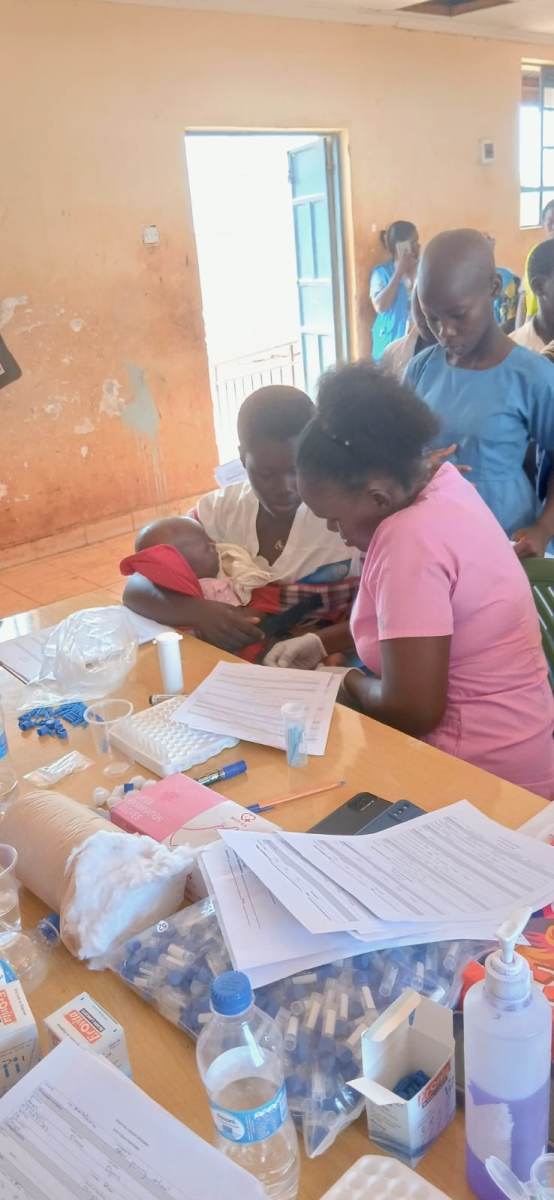

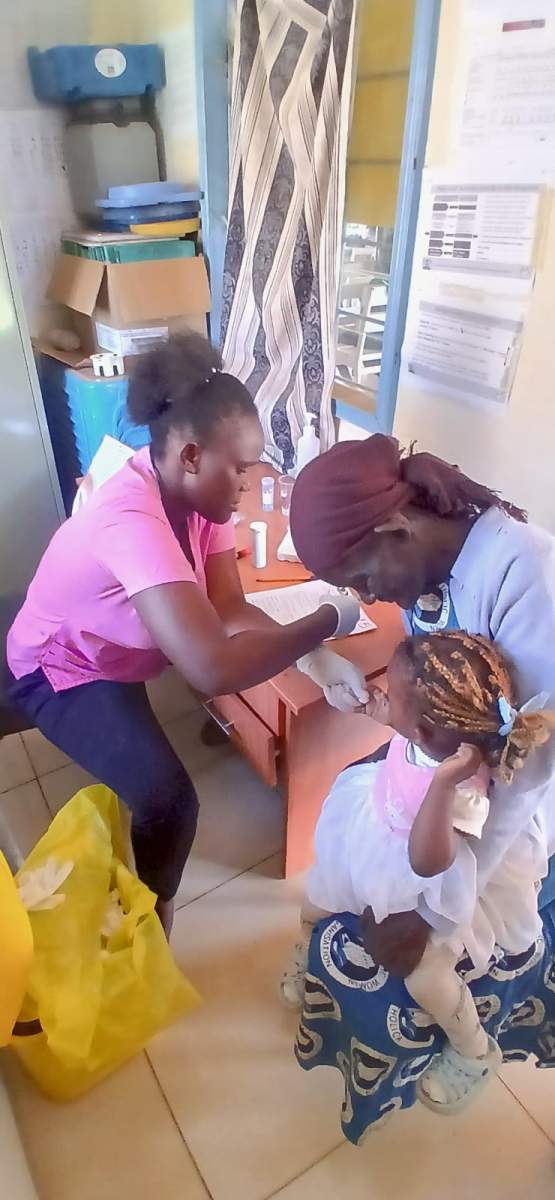
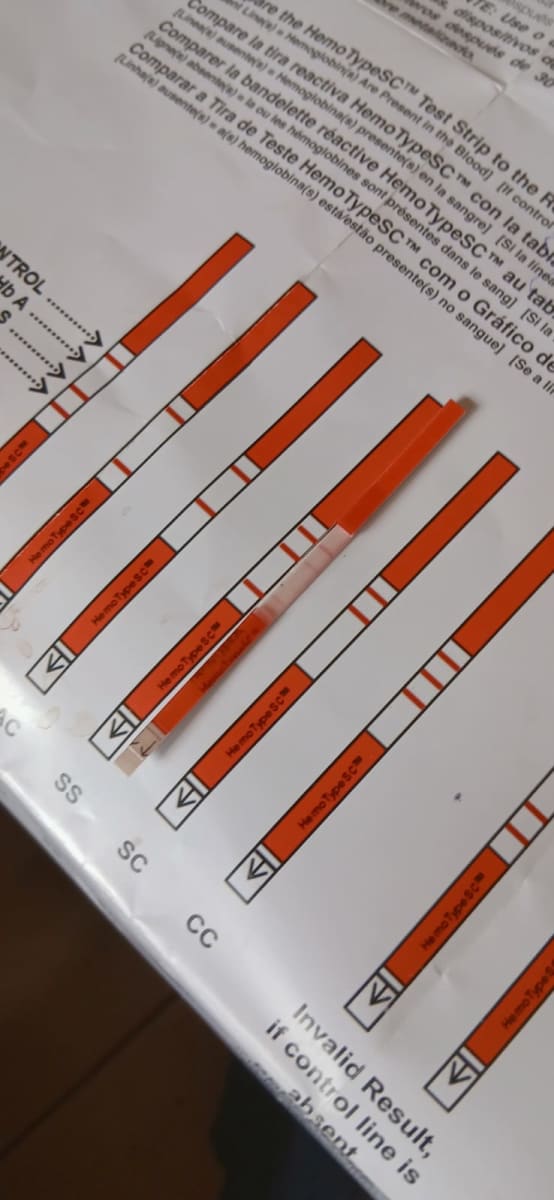
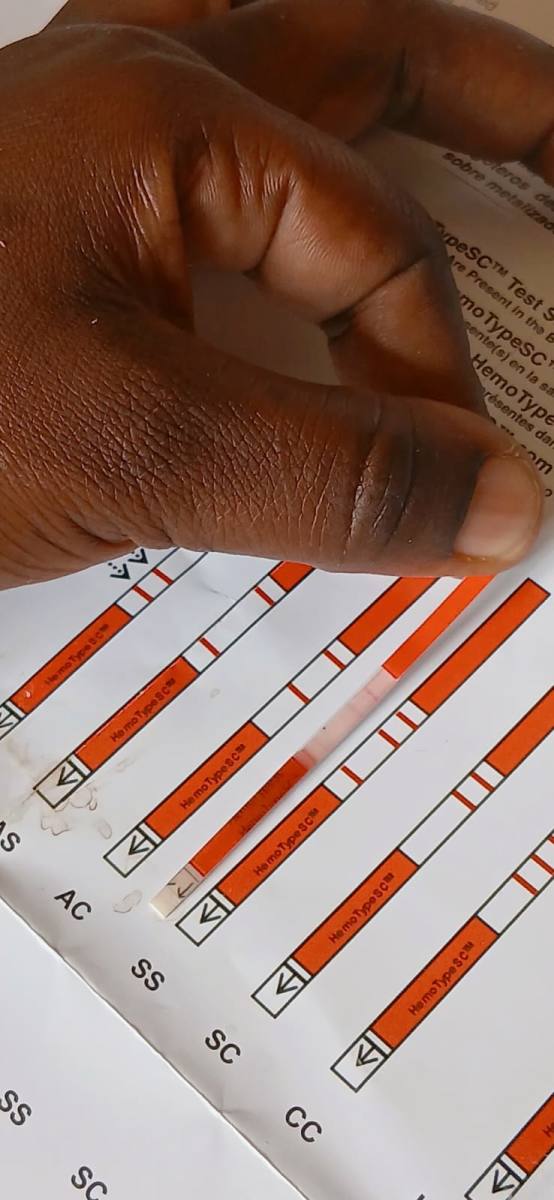
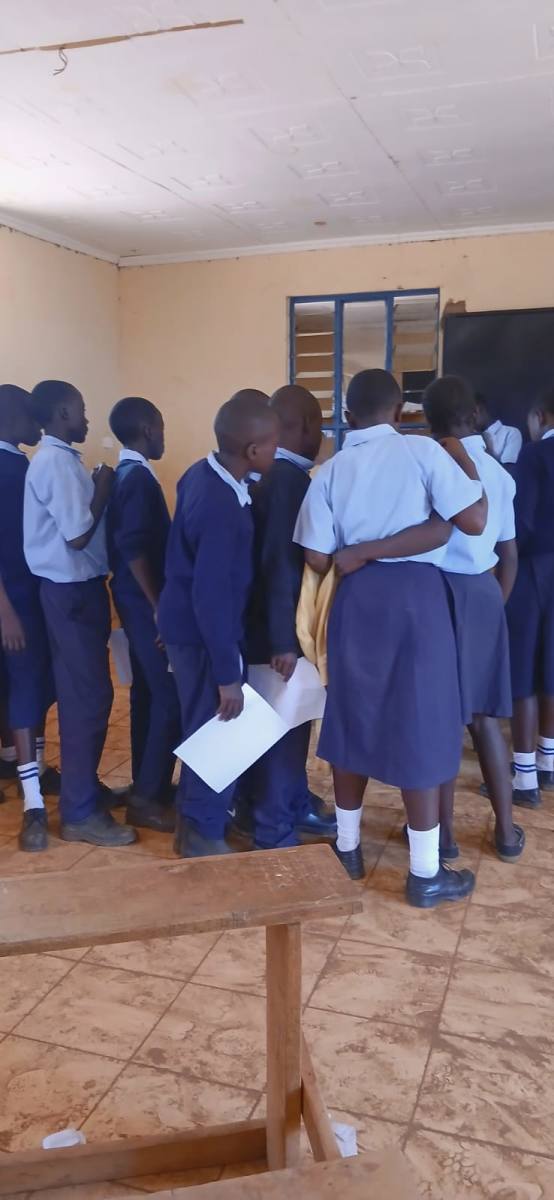
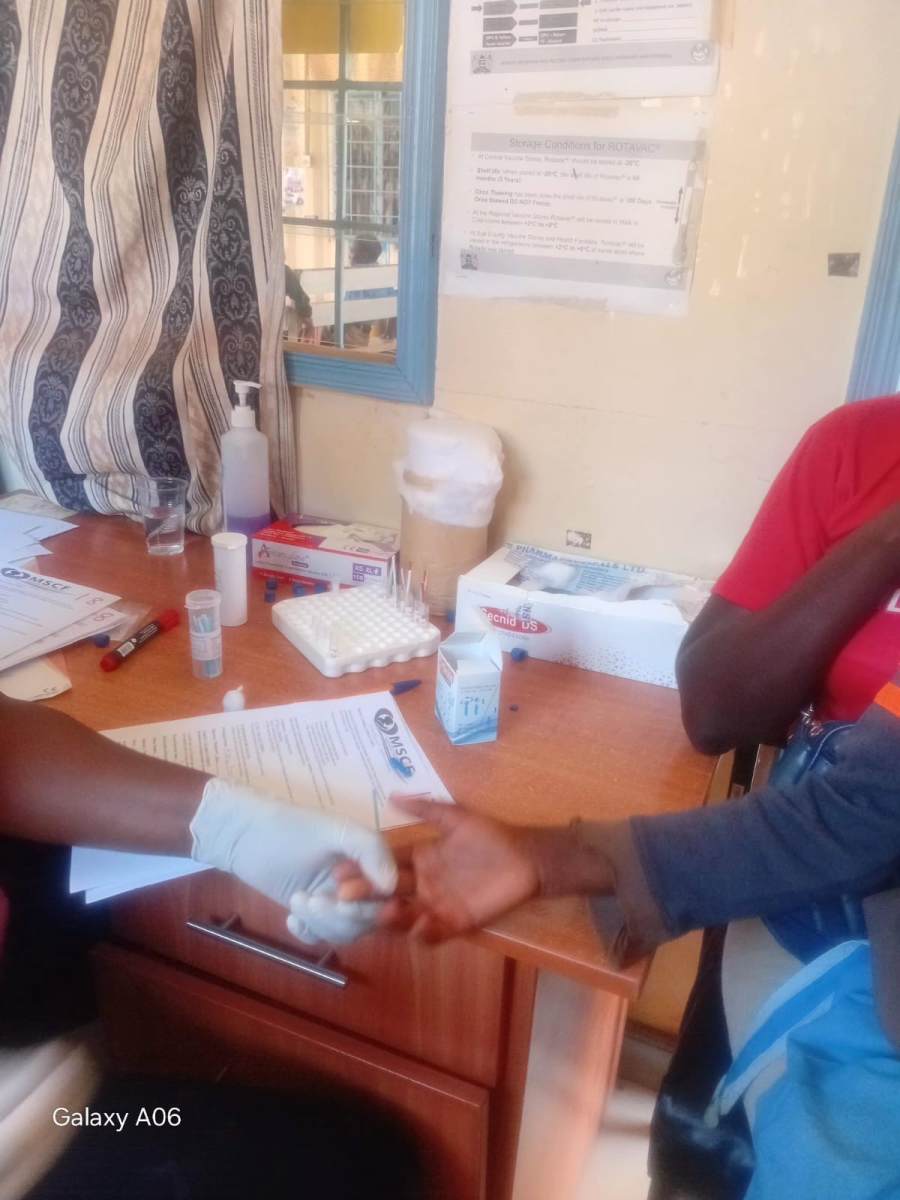


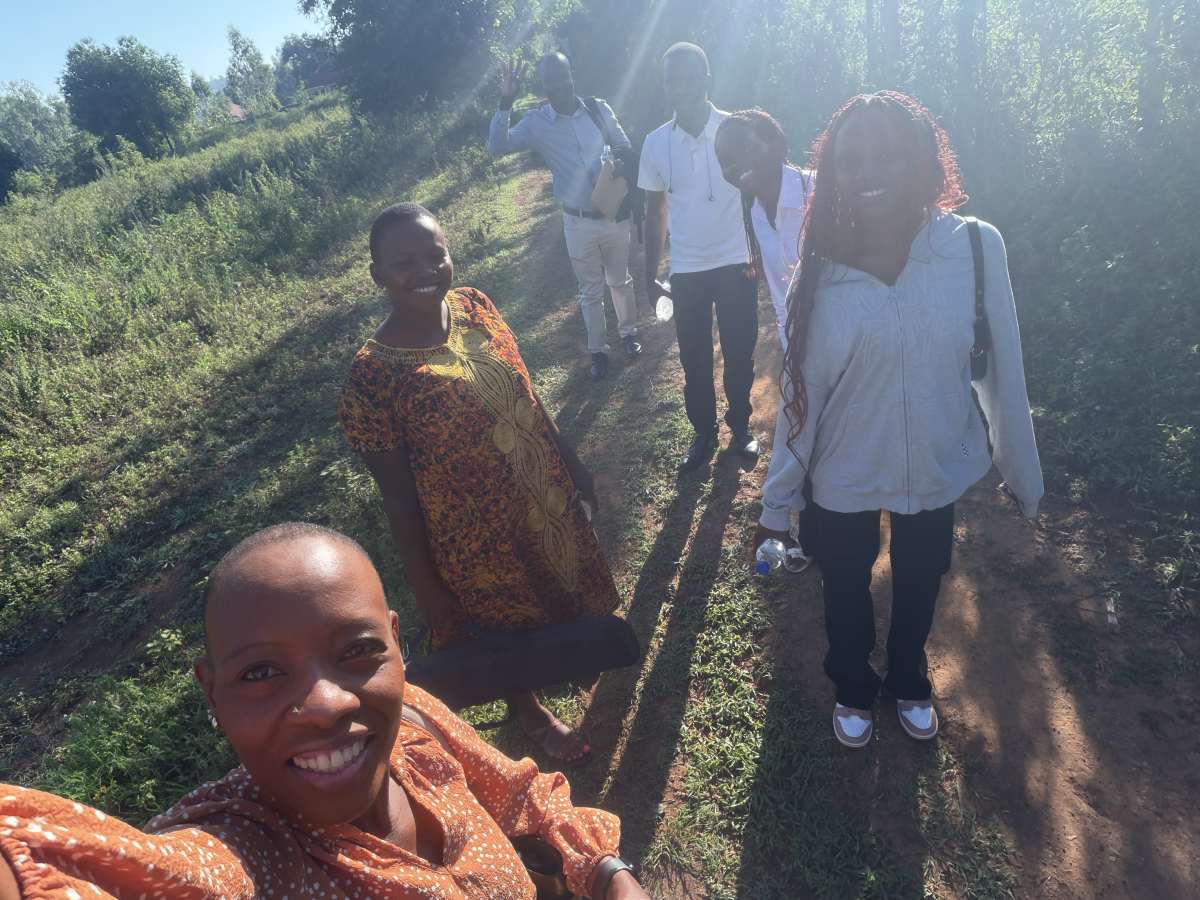
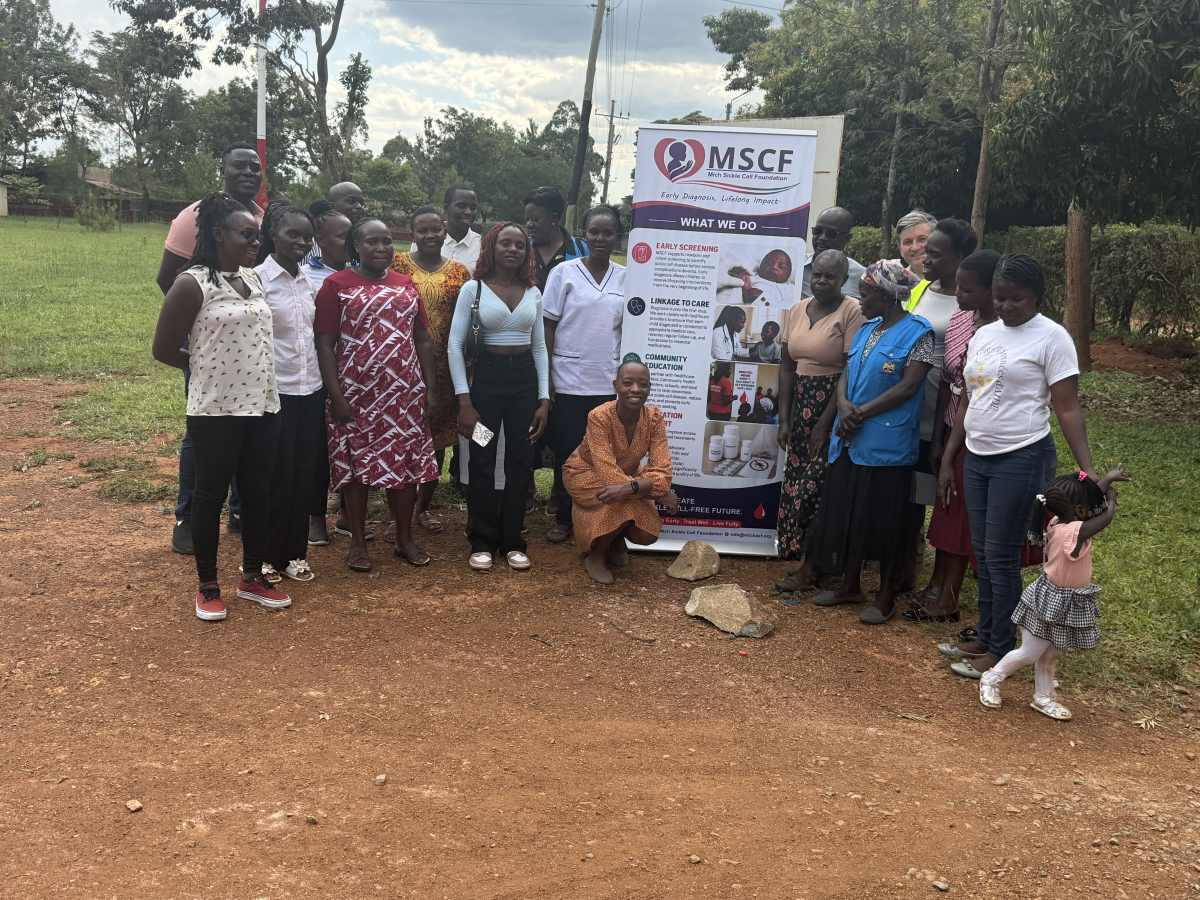

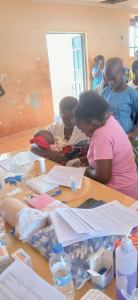

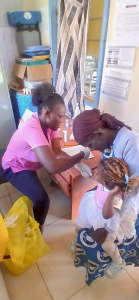
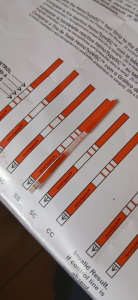
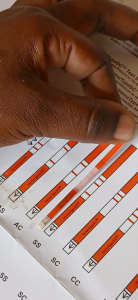


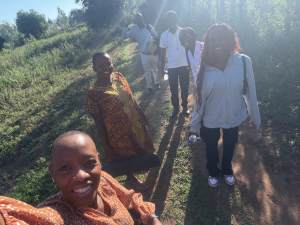

This September, I traveled to Kenya to participate in sickle cell screening and community outreach in Western Kenya. The work was deeply personal to me, but I returned home changed by the children and families I met.
One was a 16-year-old girl whose family heard about the screening and brought her to be tested. She was diagnosed with sickle cell disease, as was her two-year-old sister. Their mother told us that the older girl had experienced episodes of pain throughout her life, which the family managed with paracetamol. The previous year, her mother had noticed increasing weakness of her left arm and leg. When I met her, she had significant left-sided weakness and leg ulcers. Her history and findings raised serious concern for complications associated with previously undiagnosed sickle cell disease. Until that day, her family did not know that the health problems she had experienced throughout her life could be related to an underlying condition.
I also met their four-year-old cousin. She had been hospitalized several times, repeatedly treated for malaria, and had received blood transfusions. Yet her family did not know she had sickle cell disease. Through the screening, her family finally received a diagnosis that could help explain years of illness.
These children reinforced for me why early screening matters. A diagnosis does more than give a disease a name. It can give families an explanation for what their child has been experiencing and create opportunities for education, genetic counseling, preventive interventions, appropriate treatment, and ongoing care.
The experience also brought me back to my own family's story. Decades have passed since my siblings experienced repeated illnesses without knowing the underlying diagnosis of sickle cell disease, yet I met families facing remarkably similar circumstances today. That realization strengthened my conviction about the importance of expanding access to early diagnosis and care.
I left Kenya humbled and deeply grateful for the opportunity to participate in this work. I went hoping to make a difference in the lives of others, but the children and families I met also changed me.
I am especially grateful to the Doximity Foundation for funding my travel to Kenya and making it possible for me to participate directly in this work. Their support allowed me to engage with communities and witness firsthand both the tremendous need and the difference that access to screening can make.
This trip strengthened my commitment to improving access to sickle cell screening, education, treatment, and ongoing care. It was a powerful reminder that early diagnosis is not simply about identifying a disease; it is an opportunity to change the trajectory of a child's life.

