
I will travel to the Philippines as a volunteer medical provider with International Medical Relief (IMR) to deliver direct clinical care and health education to remote island communities that lack consistent access to healthcare services. Joining me on this mission will be my 16-year-old daughter, for whom this will be her first medical mission — an experience we are undertaking together as both a family commitment and a shared calling to serve.
At the invitation of the Philippine government, our team will reach villages that are geographically isolated and chronically underserved. I will provide acute and primary care assessments, treatment of preventable illnesses, pediatric screenings, wound care, and medication distribution. My daughter will assist with patient flow, vital signs, supply organization, and health education activities — contributing meaningfully while gaining firsthand exposure to global health and humanitarian medicine.
Together, we will also participate in community health education sessions covering hygiene, disease prevention, nutrition, and maternal and child health — equipping community members with knowledge that will carry forward long after our team departs.
The lasting devastation of Typhoon Haiyan, which displaced millions and decimated healthcare infrastructure across the archipelago, has deepened health disparities that already existed in the most remote communities. Many families go without routine care or basic medications for years at a time.
This mission makes a tangible difference by bringing trained medical personnel — and the next generation of health-minded young people — directly into communities where need is highest. We are committed to serving with both clinical skill and cultural humility, ensuring care is delivered in a way that respects and uplifts those we serve.
This mission will serve residents of remote island communities in the Philippines — among the most medically underserved populations in Southeast Asia. These are families who live far from hospitals, clinics, and trained healthcare providers, facing compounding barriers including poverty, geographic isolation, limited transportation, and inadequate local health infrastructure.
The Philippines operates a decentralized healthcare system in which local governments bear primary responsibility for delivering health services. In well-resourced municipalities, this model functions adequately. In remote island areas, it means that vulnerable populations are left with sporadic, unreliable access to care. Children go unscreened. Chronic conditions go undiagnosed. Preventable illnesses become life-threatening without timely intervention.
The devastation of Typhoon Haiyan in 2013 compounded these disparities. Communities that already struggled to access care lost hospitals, roads, clean water, and supply chains virtually overnight. The most remote island villages continue to feel those aftershocks in the form of reduced infrastructure and persistent gaps in healthcare delivery.
Children are a priority sub-population within these communities. Pediatric preventive care — screenings, vaccinations, nutritional assessment, and early developmental support — is the highest-yield investment in long-term population health, and precisely what these communities lack. As a pediatric provider, I am uniquely positioned to address those gaps.
With my 16-year-old daughter present throughout patient interactions, many of the children and young people we serve will see a teenager actively engaged in healthcare — asking questions, assisting, and showing genuine compassion. This can be as powerful as the care itself. Her presence signals that health and service matter across generations, and models that message for the communities we serve.
The immediate impact of this mission will be measured in patients seen, conditions treated, and families educated. Our IMR team expects to provide care to hundreds of individuals who would otherwise have no access to a medical provider — delivering screenings, diagnoses, treatments, and referrals that will directly improve health outcomes in these remote communities.
The health education sessions we conduct will have a multiplying effect. Community members trained in hygiene, disease prevention, nutrition, and maternal health become informal health advocates within their own families and networks — carrying that knowledge forward for years.
This mission will also carry forward through both me and my daughter in profound ways. For me, practicing medicine in a resource-limited, high-need environment sharpens clinical skills, deepens cultural competency, and directly enhances the care I provide to underserved patients at home. I am committed to sharing lessons learned with colleagues, incorporating global health perspectives into patient education, and mentoring others interested in medical volunteerism.
For my daughter, the impact may be even more far-reaching. Experiencing global health disparities firsthand at sixteen — standing alongside patients her own age who have never seen a doctor — has the potential to shape the entire trajectory of her life and career. Whether she pursues medicine or another path, she will carry home a deepened sense of empathy, purpose, and global citizenship. We plan to speak together at her school about the experience, bringing these realities to peers who may never otherwise encounter them.
Together, we represent exactly the kind of intergenerational investment in global health that creates lasting change — not just in the communities we serve, but in the communities we come home to.
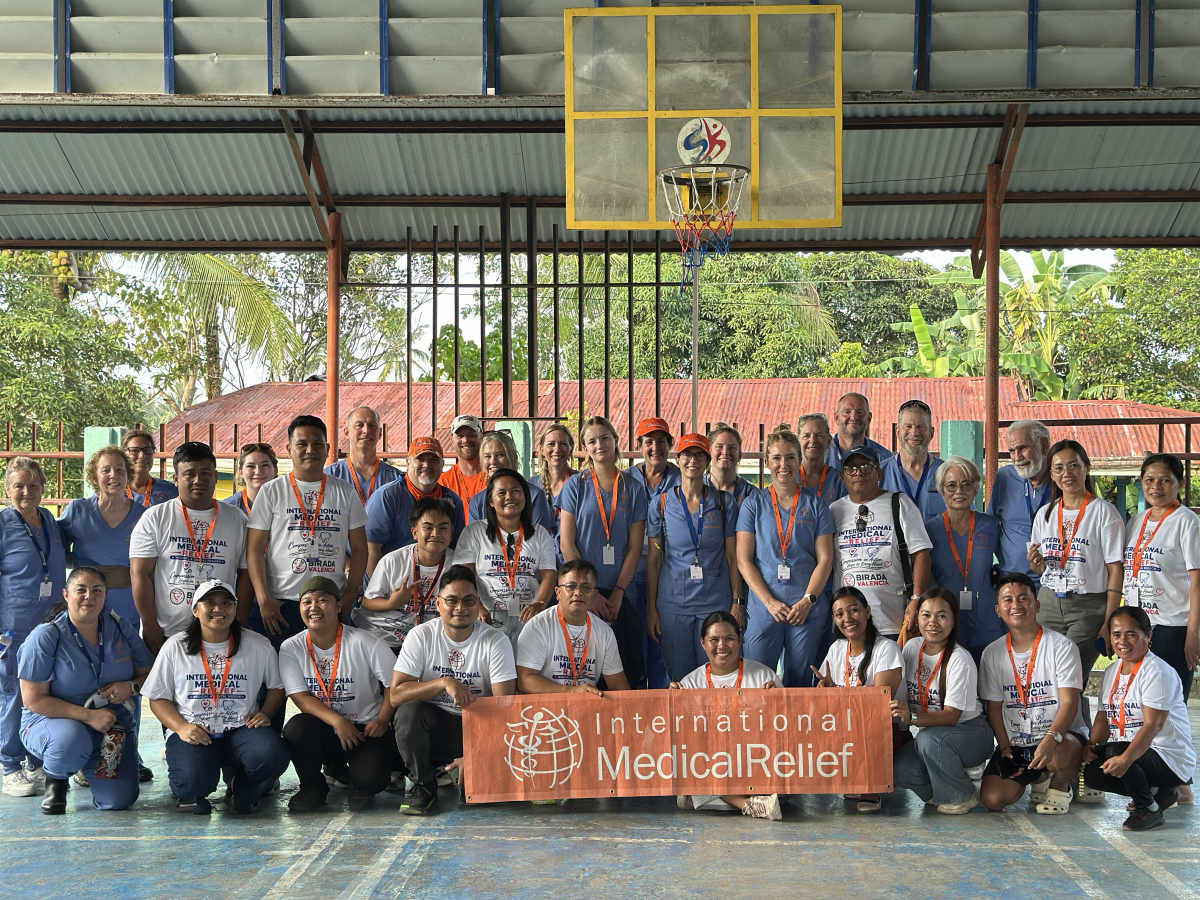
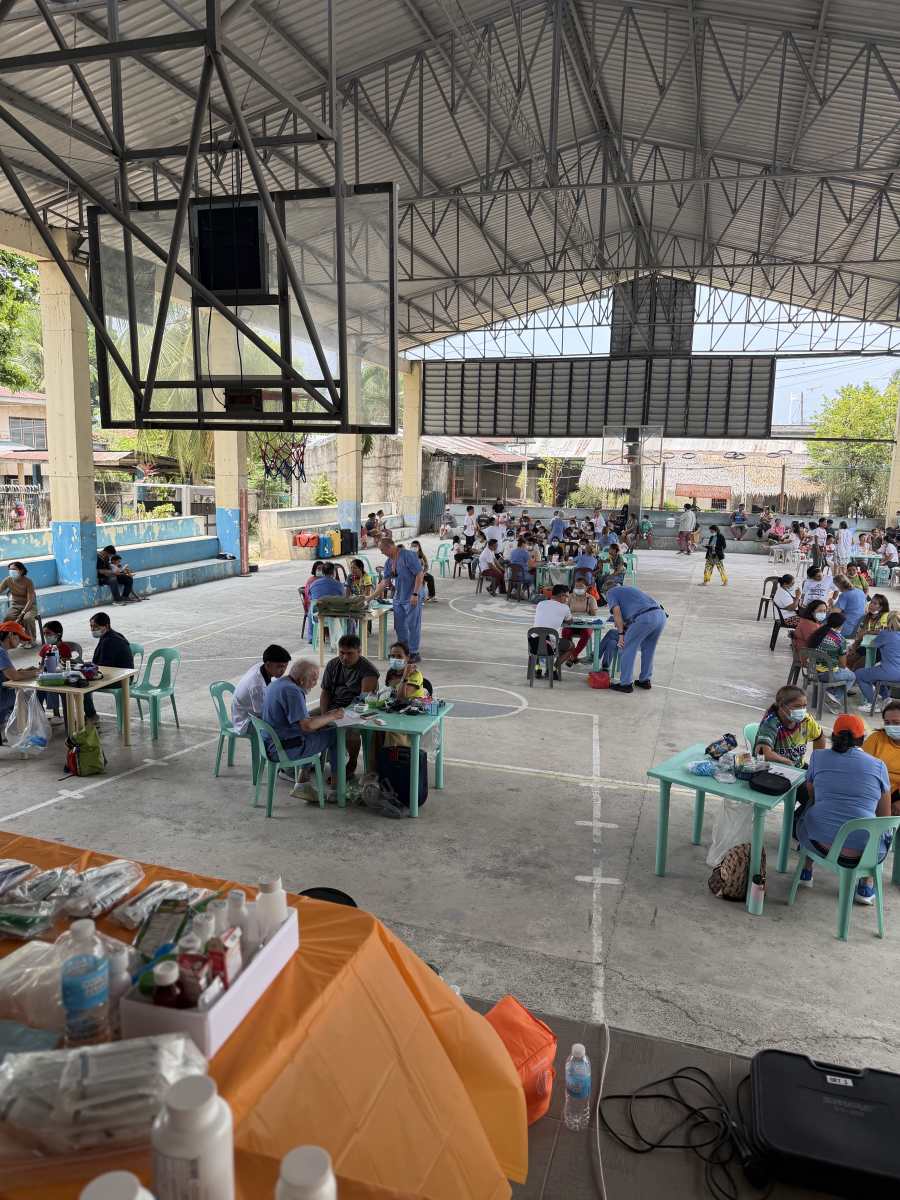

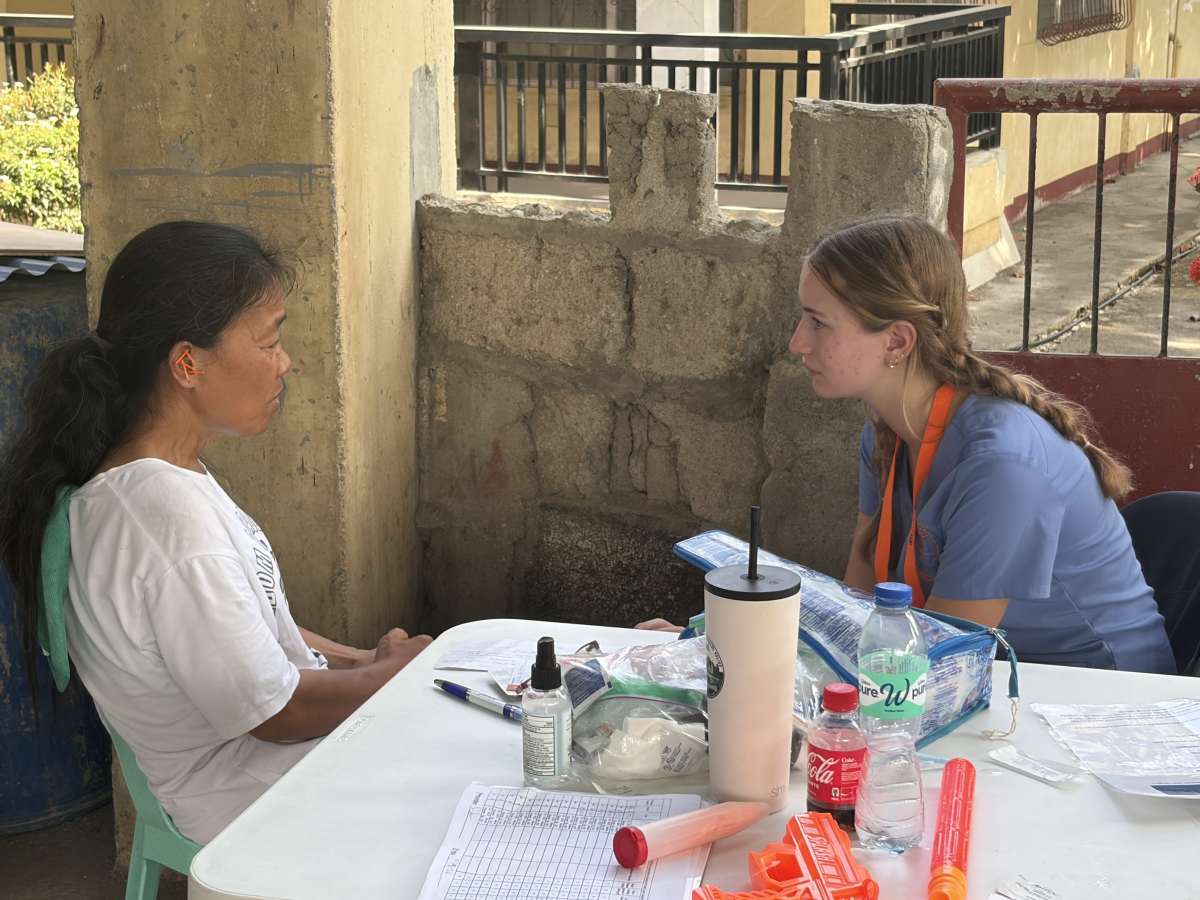

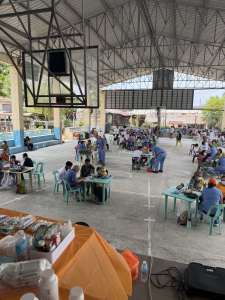

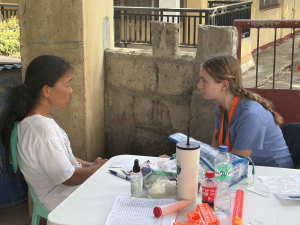

A Medical Mission to Valencia, Bohol
This September, my 16-year-old daughter and I traveled halfway around the world to the Philippines to join a medical mission in Valencia, a small town on the island of Bohol. We went hoping to be useful. We came home with a better sense of how much a few days of care can mean, both to the people who receive it and to the people who give it.
My daughter recently became certified in Mental Health First Aid. In Valencia, she met several adolescents and young adults dealing with anxiety, some of them close to her own age. She listened, helped them name what they were feeling, and walked them through ways to steady themselves when worry takes over. Watching her, I was struck by how universal those moments were. The setting, language, and daily lives were different from what she knows in Colorado, yet the fears and the comfort of being heard were the same. A skill learned in a classroom in Denver was just as relevant in a small town in the Philippines.
It was also a gift as a parent to watch my daughter discover that she has something real to offer, and that compassion paired with training can make a difference in someone's day.
As a pediatrician, I spent the clinic days seeing children and families with every kind of need. Many visits were for familiar things: colds, coughs, fevers, and the everyday illnesses I see at home. Others were far more serious. I evaluated children with congenital heart defects, neurological disorders and conditions that in the United States are typically caught early and followed closely by specialists.
Over four days of clinic, our team treated more than 600 patients. Families arrived early and waited patiently, many having traveled some distance. Every patient received an exam, and many left with free medicine and treatment they might otherwise have gone without.
The numbers matter, but they aren't what I'll remember most. What stays with me is the feeling in the clinic: people being greeted, examined carefully, listened to, and treated with respect.
Beyond medicine, exams, and treatment, the mission brought dignity. It carried a simple message that matters as much as any prescription: even in a small town like Valencia, you are seen, and you are heard.
My daughter and I came home tired, grateful, and changed. We are thankful to the people of Valencia for welcoming us, to our fellow team members for their tireless work, and to everyone who supported this mission.

