
As a Certified Registered Nurse Anesthetist, I will be joining a multidisciplinary surgical mission in Vietnam focused on providing cleft lip and palate repair surgeries for pediatric patients. Our team of surgeons, anesthesia providers, surgical staff, nurses, a dentist, and a primary care doctor will work together to deliver safe perioperative care to children who may otherwise have limited access to specialized reconstructive surgery.
My role will be to provide anesthesia care for pediatric patients undergoing cleft repair procedures, ensuring their safety and comfort throughout the surgical experience. Pediatric anesthesia, particularly for cleft surgeries, requires careful airway management, close monitoring, and strong collaboration among the operating room team. I am honored to use my training and experience to help care for these children during such transformative procedures.
The impact of cleft repair extends far beyond the operating room. Surgical repair can dramatically improve a child’s ability to eat, speak, breathe, and interact confidently with others. For many families, these surgeries provide opportunities and quality of life improvements that would otherwise be inaccessible and out of reach.
This mission is meaningful because the results are immediate and lifelong. A relatively short surgical procedure can completely alter the trajectory of a child’s future by improving both physical function and emotional well-being. Being able to contribute my skills toward that kind of life-changing care is why this opportunity is so important to me.
The primary beneficiaries of this mission are children in Vietnam living with cleft lip and palate deformities who may not otherwise have access to specialized surgical and anesthesia care. Many families face significant financial and geographic barriers to obtaining treatment, leaving children to cope with preventable functional and social challenges throughout their lives.
Children with unrepaired cleft conditions can experience difficulty with feeding, speech development, hearing problems, recurrent infections, and social isolation. These issues affect not only physical health, but also emotional development, education, and long-term opportunities. Surgical repair can have an immediate and profound impact on a child’s quality of life and self-confidence.
Families also benefit tremendously. Parents often carry emotional and financial burdens associated with caring for a child with a cleft condition, especially when treatment options are limited. Providing these surgeries offers hope and meaningful improvement for the entire family unit.
I feel especially connected to this population because pediatric surgical care has such a visible and lasting impact. A single surgery can restore function, improve social acceptance, and change the course of a child’s future. As a CRNA, being able to use my skills to help provide safe anesthesia care for vulnerable pediatric patients is both professionally rewarding and deeply personal.
The expected impact of this mission is immediate, tangible, and long-lasting for both the patients and their families. Children undergoing cleft lip and palate repair will experience improvements in feeding, speech development, facial function, and overall quality of life. In many cases, these procedures also help reduce social stigma and improve confidence during critical stages of childhood development.
As a CRNA, my contribution will focus on helping provide safe pediatric anesthesia care throughout these surgeries. Cleft repair cases require careful airway management, vigilance, and close coordination within the perioperative team. By helping ensure patients safely undergo surgery, I contribute directly to successful surgical outcomes and recovery.
While the mission itself is short-term, the impact on each child is lifelong. These surgeries can improve educational opportunities, social interactions, communication, and long-term health outcomes. For families who may not otherwise have access to this level of specialized care, the effect can be truly transformative.
Beyond the surgeries, our team will work closely with local surgeons, anesthetists and nurses to share practical skills so care can continue after we leave.
This experience will also influence my own professional growth long after I return home. Participating in global surgical care strengthens adaptability, teamwork, cultural awareness, and resourcefulness as a healthcare provider. Working in a different healthcare environment reinforces the importance of compassionate, patient-centered care and reminds me how meaningful access to surgery and anesthesia truly is.
I hope to continue participating in future medical missions and to carry forward the lessons learned from this experience throughout my career as a CRNA.

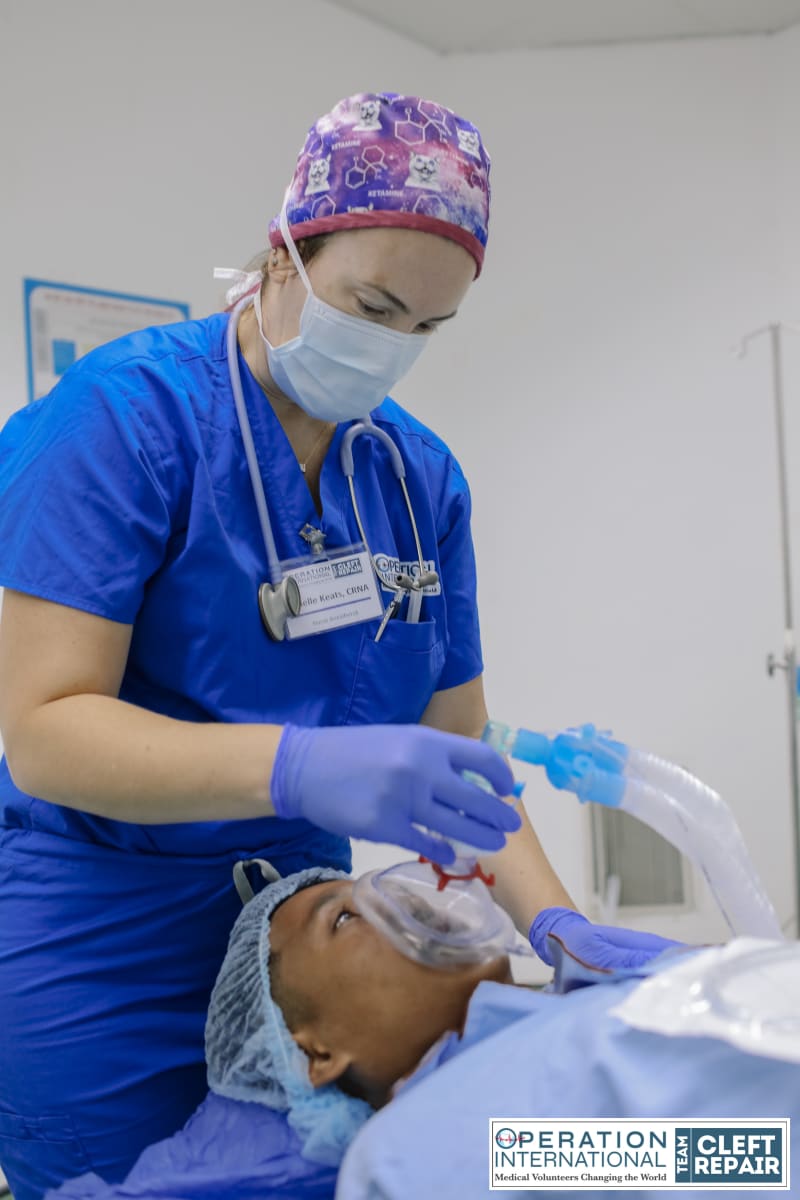
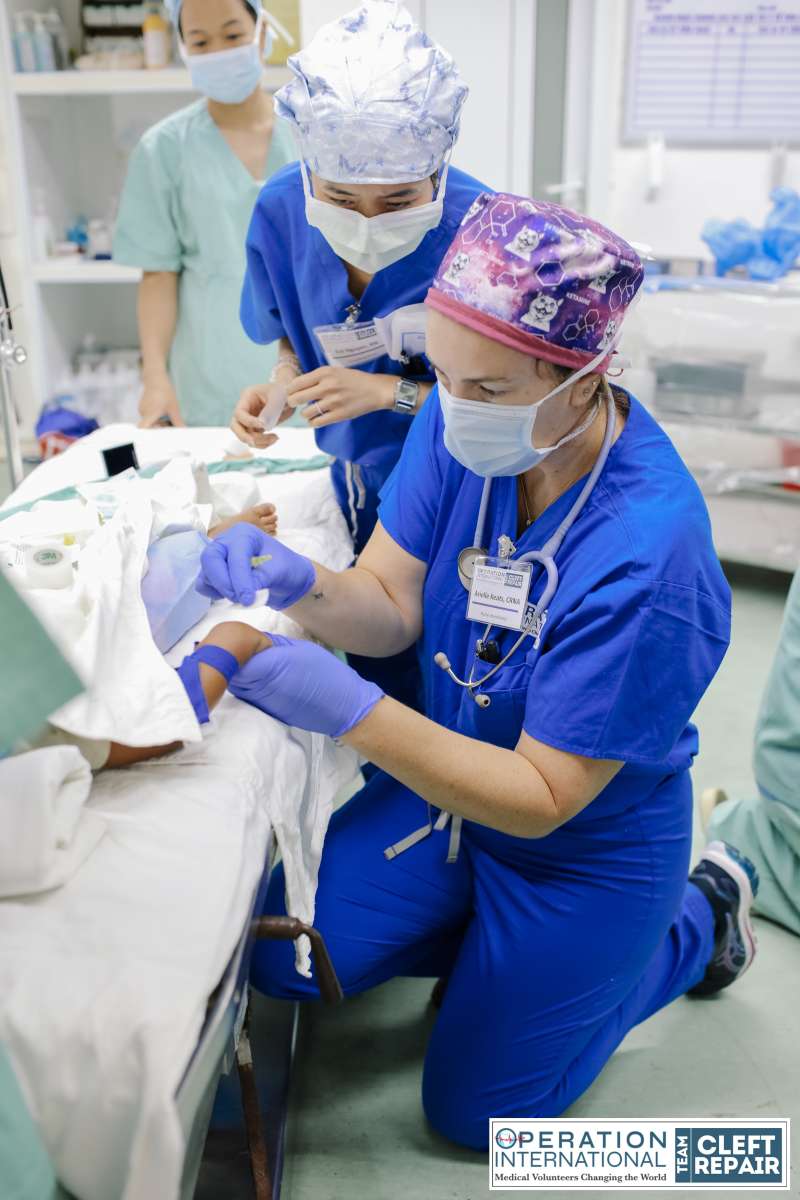
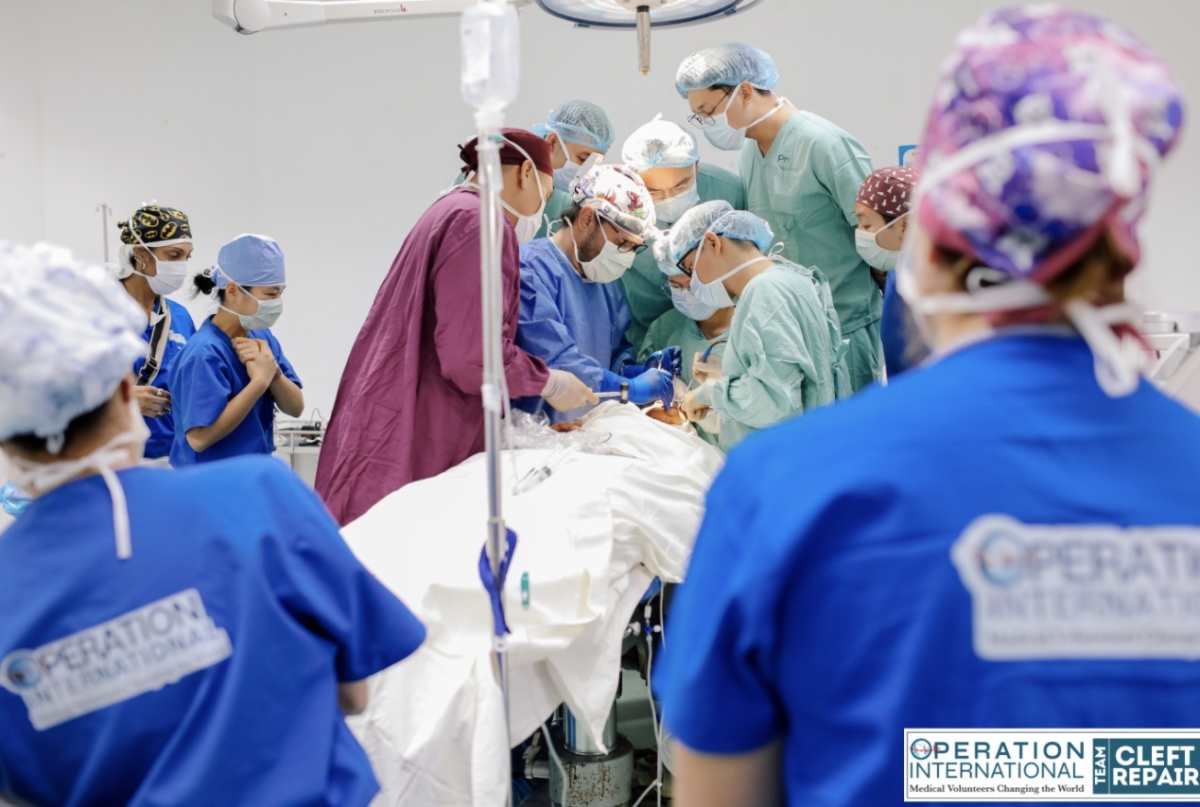


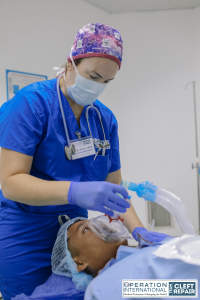
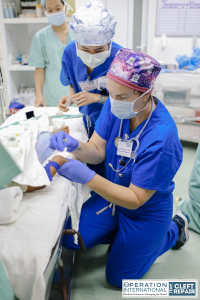
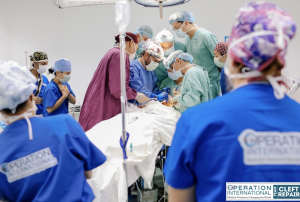
Our team provided surgical care to 52 patients from Vietnam and Laos, most of whom were babies, toddlers, and children with cleft lip and/or palate deformities. We also performed 4 major jaw surgeries and other reconstructive procedures for facial deformities. Many of these families came from low-income communities, and would not have had access to these surgeries without the support of our organization. We provided transportation and lodging for families, dental care for patients and family members, and sent each patient home with supplies, clothing and toys.
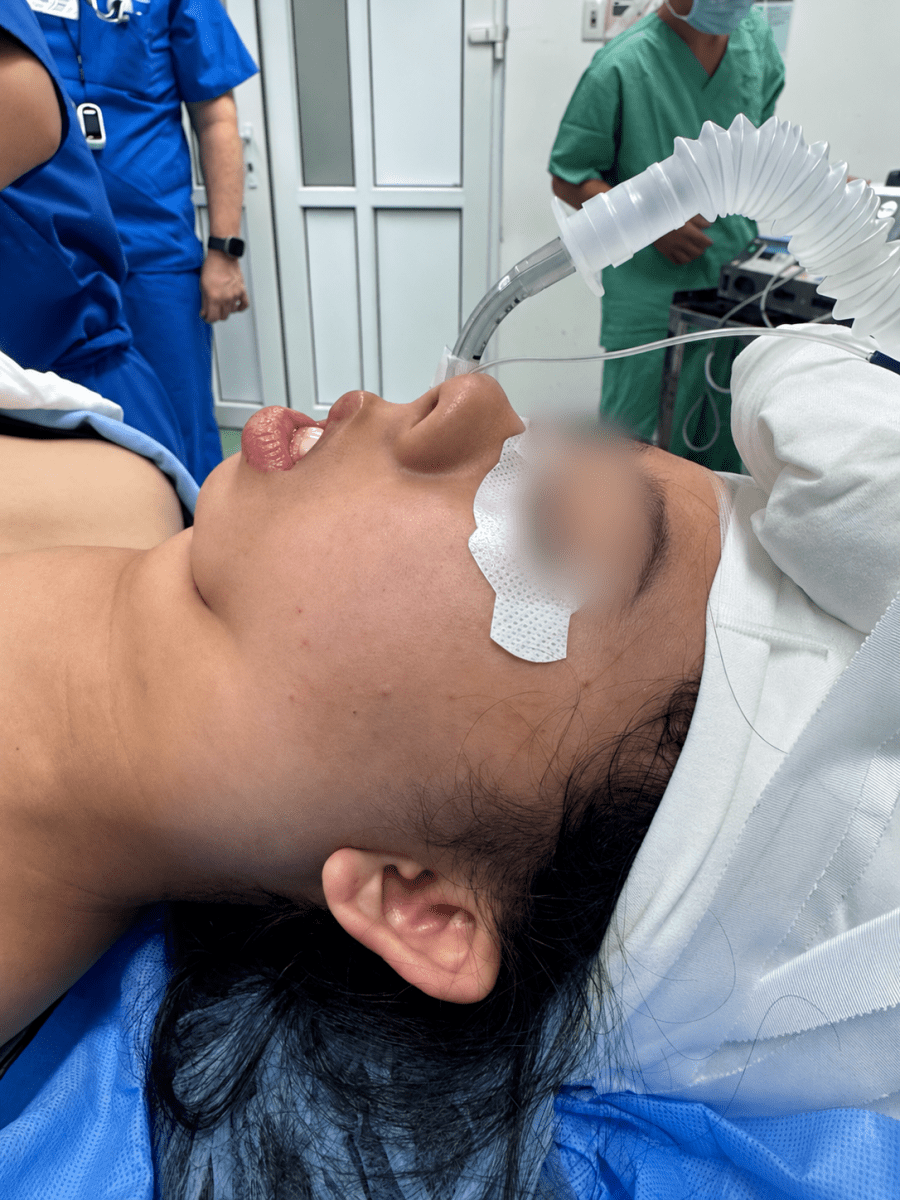
As a CRNA, one patient who especially impacted me was a young girl with Pierre Robin syndrome undergoing genioplasty. Her anatomy made a nasal intubation extremely difficult, and it ultimately took 3 anesthesia providers working together to safely secure her airway. Successfully managing such a challenging airway in a low-resource setting was a meaningful moment of the trip for me.
Our impact also extended to the local medical community at the university hospital in Hue. I worked alongside anesthesia residents in every case, while our surgeons worked with local attendings, residents, and medical students. This allowed us to not only care for these surgical patients and their families, but also share our knowledge and skills to benefit future patients long after our team left Vietnam.