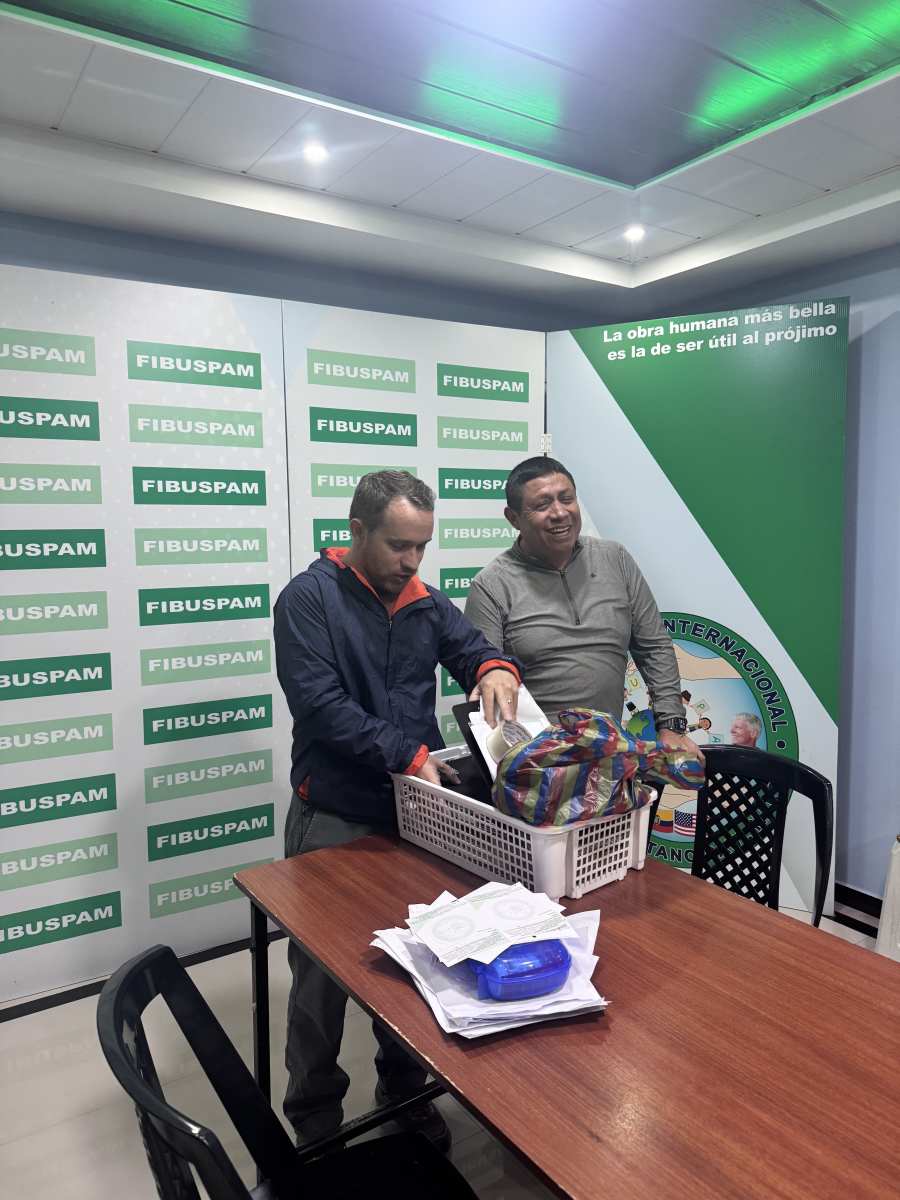
This trip is run by the non profit PACH in association with local community hospital/ foundation FIBUSPAM. This year we will be traveling to the Andean community communities in the
Chimborazo Province. Volunteers play an important role in the medical caravans, while gaining a unique cross-cultural experience.
As previously my role would be to assist the Local Gyn physician with examinations and screenings for cervical cancer with treatment as required. Also assisting in the medical clinic prescribing and distributing reading glasses, providing dental education to children, and supporting community
projects. These experiences strengthened my understanding of global health disparities hence I would like to play my small part in providing compassionate care with limited Medical resources. This program allows for mutual exchanges, formation of relationships, and a continuum of care for the patients. It will also allow me to use my healthcare experience to support underserved communities while continue to grow professionally and personally.
The primary beneficiaries will be the underserved communities in Ecuador, remote Andes where many of them face significant barriers to medical care, including geographic isolation, financial limitations, shortage of healthcare personal, and limited preventive health education, as a result, many of the patient's do not receive timely medical care. Women and children are specially vulnerable as access to maternal healthcare and preventive services maybe inconsistent. During my previous mission experience in Ecuador, i witnessed firsthand how appreciative these communities were for even basic health care services. Simple interventions make a meaningful impact on patients who otherwise may not have access to care. I also learnt about their cultural practices in regards to preventive care giving me a better understanding and respect for their cultural beliefs. This population benefits greatly from this Annual Medical Mission project because they rely on temporary outreach pgms for health care support. I believe serving this population is important because every individual serves compassionate and accessible healthcare regardless of where they live or their socioeconomic status.
The short term impact is providing medical evaluations, education, preventive care and compassionate support that may otherwise be unavailable. A small intervention can improve health awareness, encourage earlier treatment and strengthen the trust within the community. This cultural experience will allow me to continue developing awareness, adaptability and an understanding of Global health disparities by experiencing this in person.
I plan to carry these lessons forward by applying a broader and more compassionate perspective to the patients, I serve in my own community. Working in a State Psychiatric facility has already taught me the importance of advocating for vulnerable populations, and this mission experience will further strengthen this commitment.
The values of the mission are carried forward by the continued participation of Fibuspam and the continued support from PACH. I hope my continued participation in this event will make a difference in the health of the people I connect with in a positive way.






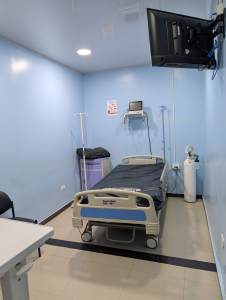


Project NIDO 2026 Medical Mission Report – Ecuador
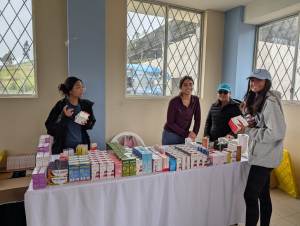
I had the privilege of participating in the Project NIDO 2026 medical mission in Ecuador in collaboration with PACH and Hospital Fibuspam in Riobamba. Working in the Andes in Meducal Caravans provided a unique opportunity to serve patients in a setting that differed significantly from my clinical practice in California.
Many of the medical concerns I encountered were familiar, including chronic body aches, fatigue, and common ailments associated with aging. However, several aspects of patient care were unique to the local population. One of the first observations I made was the prevalence of lower oxygen saturation readings. Given the high elevation, many patients appeared well adapted to oxygen levels that would be concerning at sea level. I recall caring for an 74 year-old patient with an oxygen saturation of 84% who was experiencing shortness of breath. While his condition was concerning, our ability to intervene was limited by available resources and treatment options.
The experience reinforced the importance of clinical assessment when laboratory and radiologic resources are scarce. Medications available for prescribing were restricted to those approved through the Ministry of Health and Riobamba Hospital. Certain therapies commonly used in the United States, including inhalers, were not readily available through the mission clinic. As a result, clinical decision-making relied heavily on history-taking and physical examination.
I also cared for a teenage mother who presented with jaundice. Although hepatitis was high on the differential diagnosis, the lack of laboratory testing limited the ability to confirm a diagnosis or further characterize her condition. Encounters such as this highlighted the challenges faced by healthcare providers practicing in resource-limited settings.
Many patients sought treatment for parasitic infections and requested deworming medications. Throughout the mission, I observed the impact of poverty on health outcomes, particularly in rural mountain communities where access to medical care is limited. Evidence of poor nutrition and growth concerns among children was apparent. Additionally, resources and support systems for adolescent mothers appeared limited.
One observation that stood out was that many of the teenage mothers I evaluated appeared to have contraceptive implants placed following delivery. While I was unable to determine whether this represented a local or national public health initiative, it reflected ongoing efforts to address adolescent pregnancy. Nonetheless, it was difficult to witness very young mothers, including one as young as 13 years old, caring for children of their own.
This mission was a humbling reminder of both the strengths and limitations of modern medicine. It highlighted how much healthcare providers in resource-rich settings rely on advanced diagnostics, imaging, and medications, while also demonstrating how much can still be accomplished through careful clinical evaluation, compassion, and human connection. Most importantly, it provided an opportunity to give back to a community with significant healthcare needs and to contribute, in a small way, to improving the lives of those we served.
I am grateful to Project NIDO, PACH, Hospital PIMA, and the local healthcare professionals who made this experience possible. The lessons learned in Ecuador will continue to influence my approach to patient care and reinforce the importance of service, adaptability, and global health outreach.
Regards,
Dr. Sekhon