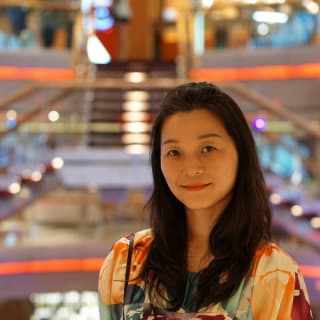
Through Surgical Volunteers International (SVI), I will participate in a collaborative surgical mission to El Salvador focused on establishing a pilot breast reconstruction program at the National Women’s Hospital “Dra. María Isabel Rodríguez” in partnership with the Ministry of Health.
My role as an anesthesiologist will involve supporting complex microsurgical breast reconstruction procedures requiring prolonged anesthesia care, hemodynamic monitoring, perioperative optimization, and multidisciplinary coordination. In addition to direct patient care, this mission will involve collaboration with local anesthesia providers and perioperative teams to exchange knowledge and discuss best practices related to microsurgical anesthesia management, fluid management, pain control, and postoperative recovery.
This mission will serve women in El Salvador who have undergone mastectomy for breast cancer and currently lack access to advanced reconstructive surgical care. Many patients in this setting face significant barriers to comprehensive postoperative recovery, including limited access to specialized surgical and perioperative services.
Safe anesthesia care is a critical component of successful microsurgical reconstruction, particularly in resource-limited environments where access to advanced reconstructive procedures is uncommon. Supporting these patients helps improve both surgical outcomes and overall quality of life following cancer treatment.
The immediate impact of this mission will be the safe perioperative management of patients undergoing complex autologous breast reconstruction procedures.
Beyond the procedures themselves, this project is intended to support the long-term development of multidisciplinary reconstructive care in El Salvador. Collaboration between visiting and local anesthesia teams will allow for exchange of perioperative strategies and protocols that may help strengthen future surgical capacity.
As part of a larger pilot initiative, this mission also supports the creation of sustainable partnerships focused on education, patient safety, and expansion of advanced surgical services for underserved populations.


This was my first medical mission trip, so I wasn’t quite sure what to expect. I feel very privileged to have had the opportunity to work alongside the volunteers of Surgical Volunteers International (SVI). This experience was both professionally rewarding and deeply meaningful to me.
I was particularly impressed by our team leader, Dr. Bullocks, whose leadership was characterized by compassion, gentleness, attention to detail, and an extraordinary work ethic. I was amazed by his dedication to this mission despite his demanding professional and personal schedule. He even stayed up throughout the night to communicate with the surgical interns caring for our patients postoperatively, ensuring that they received the appropriate care and attention. His commitment set an inspiring example for all of us.
Every member of the volunteer team approached the mission with tremendous compassion and attention to detail. What touched me most was that our care extended beyond the operating room. The volunteers purchased flowers and thoughtful gifts for each of our patients, demonstrating that we were there not only to provide surgical care, but also to make these women feel valued and cared for during an important and vulnerable time in their lives.
I also deeply appreciated the opportunity to collaborate with the local anesthesiologists and anesthesia assistants at the National Women's Hospital in San Salvador. We exchanged ideas about our different approaches to anesthesia and learned from one another. I was particularly impressed by how they provide safe and effective anesthesia care while making thoughtful and efficient use of limited resources. This experience reminded me that good medicine does not always require the most expensive resources; creativity, knowledge, teamwork, and careful use of available resources can make a tremendous difference.
El Salvador is committed to providing free healthcare to its citizens. However, breast reconstruction services have not traditionally been available to breast cancer survivors. SVI is working in collaboration with the Ministry of Health to establish the country's first breast reconstruction program, with the goal of improving the quality of life and sense of well-being of women who have survived breast cancer.
I am very proud to have been a small part of this important journey. Meeting these patients and seeing their gratitude firsthand made the experience especially meaningful. For many of these women, breast reconstruction represents much more than a surgical procedure—it is an opportunity to restore confidence, dignity, and a sense of wholeness after cancer.
I am deeply grateful to the Doximity Foundation for supporting this medical mission and making it possible for physicians like me to contribute our skills to communities in need. This experience has broadened my perspective as a physician and reminded me of the profound impact we can have when we share our time, knowledge, and compassion with others. I hope this will be the first of many opportunities to serve through medical missions.