From July 6–10, we will conduct a community outreach initiative in underserved villages surrounding Abuja, Nigeria focused on menstrual hygiene education, cervical cancer awareness, and HPV prevention. Our team will provide educational sessions for adolescent girls, young women, and community members on proper menstrual hygiene, reproductive health, cervical cancer prevention, and the importance of HPV vaccination. We also plan to include boys and male community leaders in portions of the education to help reduce stigma, myths, and cultural taboos surrounding menstruation and women’s health.
In addition to education, we will distribute reusable menstrual pads and teach girls how to properly use and care for them to promote sustainable hygiene practices. We also hope to help facilitate HPV vaccinations and increase awareness about cervical cancer screening and prevention, as cervical cancer remains the second leading cancer affecting women in Nigeria.
This initiative will make a meaningful difference because many girls in these communities lack access to menstrual products, accurate health education, and preventive care. Through previous outreach efforts and surveys, we have found that many individuals know very little about cervical cancer, menstrual health, or common infections related to poor hygiene. Many girls still experience shame surrounding menstruation and often miss school because they cannot afford menstrual products.
By providing education, resources, and support, this outreach will help empower girls with knowledge about their health, reduce stigma surrounding menstruation, improve hygiene practices, and increase awareness about preventable diseases such as cervical cancer. Our goal is to create lasting community impact by improving confidence, health outcomes, and access to essential women’s health education and resources.
The school-aged girls and boys in surrounding areas and in Abuja, Nigeria. This population is so important because period poverty exists heavily amongst these people. Education is lacking, health systems are lacking, and current educational and best practices are never disseminated to these youth.
Many girls lack access to menstrual products, proper hygiene education, and awareness about cervical cancer and HPV prevention.
We chose this population because previous outreach efforts revealed significant misinformation, stigma, and limited access to women’s health resources. Many girls miss school due to lack of menstrual supplies and have little knowledge about cervical cancer prevention. By providing education, reusable menstrual products, and HPV awareness, we hope to empower young women, reduce stigma, and improve long-term health outcomes within these communities.
The expected impact of this project is increased awareness and education surrounding menstrual hygiene, cervical cancer prevention, and HPV vaccination among underserved communities in Nigeria. We hope to empower girls with knowledge and resources that will improve hygiene practices, reduce stigma surrounding menstruation, and encourage preventative health behaviors. Providing reusable menstrual pads may also help reduce school absenteeism and improve confidence among young girls. Additionally these pads can last for 5 years reducing burden amongst many of these girls and families that can't afford these items.
The learnings from this outreach will continue beyond our visit through community education, continued partnerships with local leaders and organizations, and ongoing awareness efforts. We also hope to inspire participants to become ambassadors within their own communities by sharing accurate and helpful information with others to help protect and improve the health of women and girls. By equipping participants with practical knowledge and reusable resources, we aim to create sustainable change that can continue to impact families and communities long after the outreach has ended.


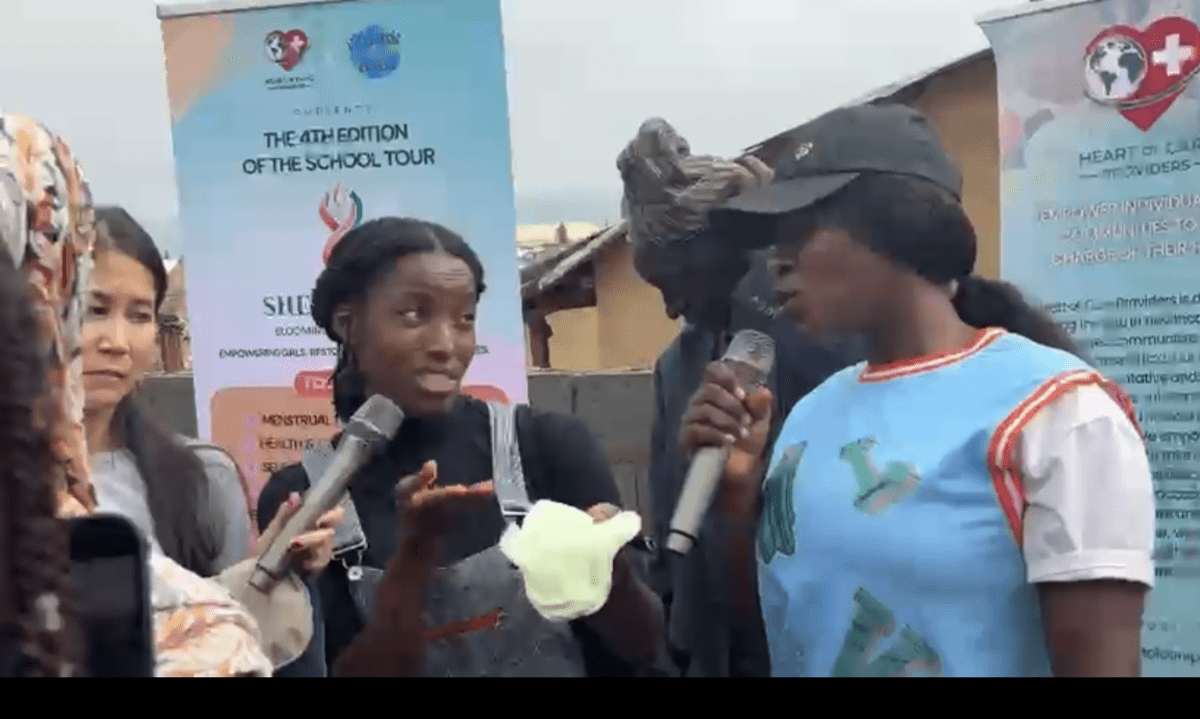



The SHE BLOOMS Initiative was created with a simple belief: no girl should miss opportunities because she lacks access to menstrual products or accurate health information, and every young person deserves the knowledge to make informed decisions about their health.
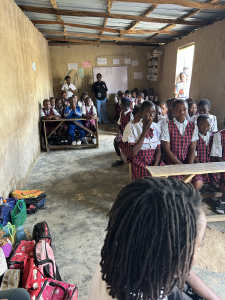
During our recent outreach in Abuja, Nigeria, our team visited more than six schools across four underserved communities over the course of one week. Together, we reached more than 600 girls and boys through interactive health education sessions focused on menstrual hygiene, cervical cancer prevention, HPV vaccination, and general reproductive health. We also distributed 300 reusable menstrual pad kits and 300 disposable pad packs to help ensure that girls had immediate and sustainable options to manage their menstrual health with dignity.
While the numbers are meaningful, the true impact was found in the conversations.
Many of the students had never received formal education about menstruation or cervical cancer. For many girls, menstruation was still surrounded by embarrassment, myths, and uncertainty. They openly shared concerns about managing their periods at school, while others asked questions they had never felt comfortable asking before. The reusable pad demonstrations gave many girls confidence that they could safely and comfortably manage their menstrual cycles even when disposable products were financially out of reach.
Equally important was our engagement with boys. By including them in these discussions, we helped foster understanding, empathy, and respect while reducing the stigma that often surrounds menstruation. We believe lasting change happens when entire communities—not just girls—are educated.
Our cervical cancer awareness sessions extended beyond students to include teachers, parents, and caregivers whenever possible. Many participants were hearing for the first time that cervical cancer is one of the most preventable forms of cancer through HPV vaccination and routine screening. We addressed common misconceptions, explained the importance of early prevention, and connected families with information about vaccine accessibility for both girls and boys. Several parents expressed gratitude for receiving information that empowered them to make informed healthcare decisions for their children.
Perhaps the greatest impact was the shift in confidence we witnessed. Students who were initially hesitant to participate gradually became engaged, asking thoughtful questions and sharing personal experiences. Teachers told us they appreciated having medically accurate information presented in a safe, respectful environment and requested that these conversations continue in their schools.
Beyond the immediate distribution of menstrual products, our goal was to create lasting change through education. Every reusable pad distributed represents months of improved menstrual management. Every student who learned about cervical cancer prevention becomes someone who can share that knowledge with family members and peers. Every conversation helps dismantle stigma and creates healthier, more informed communities.
This outreach demonstrated that improving health outcomes begins with education, access, and trust. By meeting students where they are—in their classrooms and communities—we were able to provide practical resources, evidence-based health information, and the confidence for young people to advocate for their own health. The impact of this week extends far beyond the 600 individuals we directly reached, as the knowledge shared will continue to ripple through families, schools, and communities long after our team has returned home.