I plan to dedicate eight weeks this summer to volunteering with the Boat Refugee Foundation (https://bootvluchteling.nl/en/whatwedo/medicalcare/), providing essential primary and emergency health services within the Mavrovouni refugee camp in Lesvos, Greece. This will be my second time volunteering with this organization in this setting. Boat Refugee Foundation (BRF) operates a clinic within the camp that is open in the evenings when the government-run clinic is closed. During the summer of 2025, when I first volunteered, I witnessed BRF making a tremendous impact. The state-run clinic was staffed by a single Greek provider and lacked any interpretation services. This resulted in barriers to care for many individuals in the camp. BRF's clinic - operating seven evenings per week and staffed with at least 3-4 clinicians per shift in addition to Farsi and Arabic interpreters - fills a major need. As a medical doctor in the clinic I see patients with diverse backgrounds and medical needs. My dual training in internal medicine and pediatrics is particularly useful in this context. Last year, I was the only pediatrician volunteering with BRF during my time there. This year, my familiarity with the setting, camp and clinic protocols, and the BRF team will help me to step into the role as the lead clinician on my shifts. In this role, I will help ensure efficient clinic flow, appropriate triage, and provide guidance to new volunteers.
The patients who receive services at the BRF clinic are asylum-seekers of all ages residing in the Mavrovouni camp. This population represents a highly diverse group of individuals fleeing armed conflict, political instability, and systemic persecution - primarily arriving from Afghanistan, Syria, Yemen, Sudan, Eritrea, and Somalia. The community includes multi-generational family units, single parents, pregnant women, and unaccompanied minors. Many of the camp residents have survived sea crossings and violent pushbacks in addition to traumatizing experiences in their countries of origin. In addition, the camp is a difficult living environment where residents may not come and go freely, are crowded into hot tents or shipping containers and do not have access to adequate food and other resources. By providing free, culturally competent, trauma-informed, high quality medical care within the camp, this project benefits a marginalized and highly vulnerable population.
My interest in working with refugees and asylum seekers dates back many years. In 2014-2015, I worked as a case manager for refugee resettlement in Atlanta, Georgia. I was at once inspired by the tenacity of my clients and frustrated by the difficulties they faced in accessing basic services. During medical school, I continued to learn from this population when I founded a weekly student-run volunteer clinic. During residency, I also completed a rotation providing care to asylum-seekers at the US-Mexico border. Each of these experiences further fueled my desire to serve, advocate for, and partner with these communities.
By volunteering with BRF this summer, I will help expand capacity within the camp for treating acute illness and managing chronic conditions. This will have a positive effect on the local health system beyond the camp including by preventing unnecessary emergency room transfers. Furthermore, because I am returning after having volunteered in this context, I bring experience that will help improve clinic efficiency and operations, benefiting other volunteers as well as patients.
This volunteer experience will also have an important impact on my personal and professional development. I am currently completing my Master's in Global Health Policy, and I aspire to pursue a career that combines clinical care for vulnerable populations with advocacy and policy reform. This experience will deepen my clinical competence in treating diverse, complex, trauma-exposed patients. In addition, it will allow me to learn from a multidisciplinary team of international healthcare and aid workers. Providing care in this setting will help me better understand the systemic barriers to care that I want to work long-term to address.
My hope is that my relationship with BRF will continue beyond this summer. The impact of volunteering in this setting is cumulative, and each time I return will build on my prior experiences. I look forward to re-engaging with many of the same permanent staff at the clinic and seeing how continuity impacts those working relationships. Through regularly volunteering with the same organization in the same setting, I hope to contribute to the sustainability of this service in the camp.
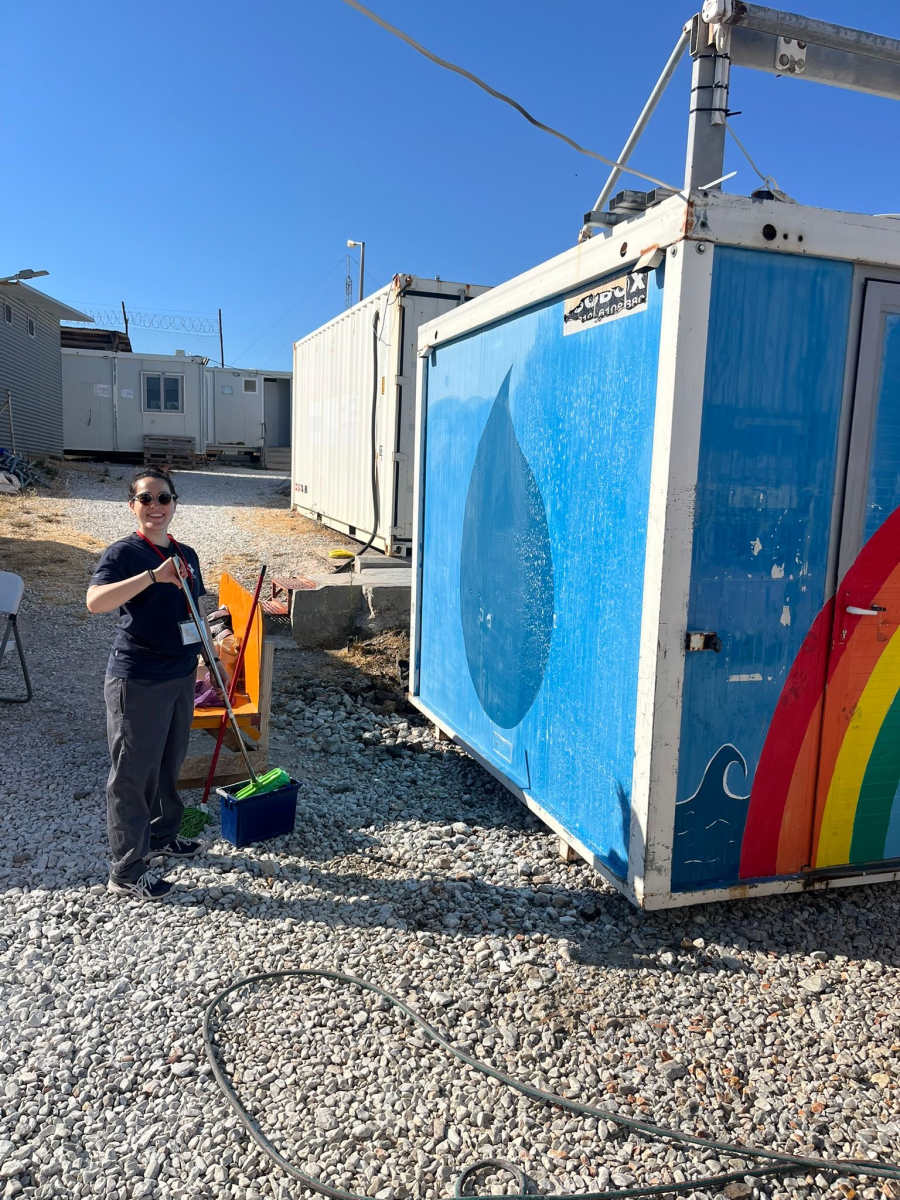
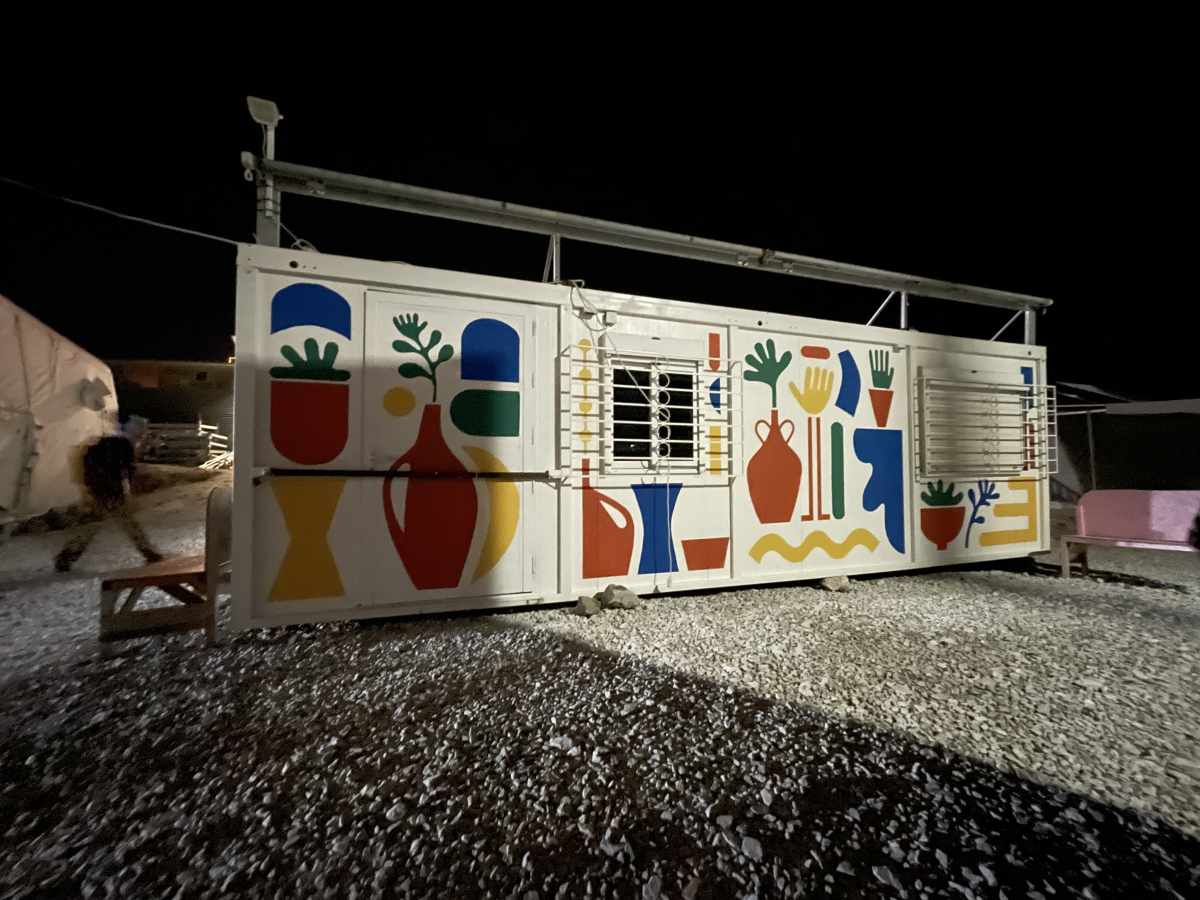

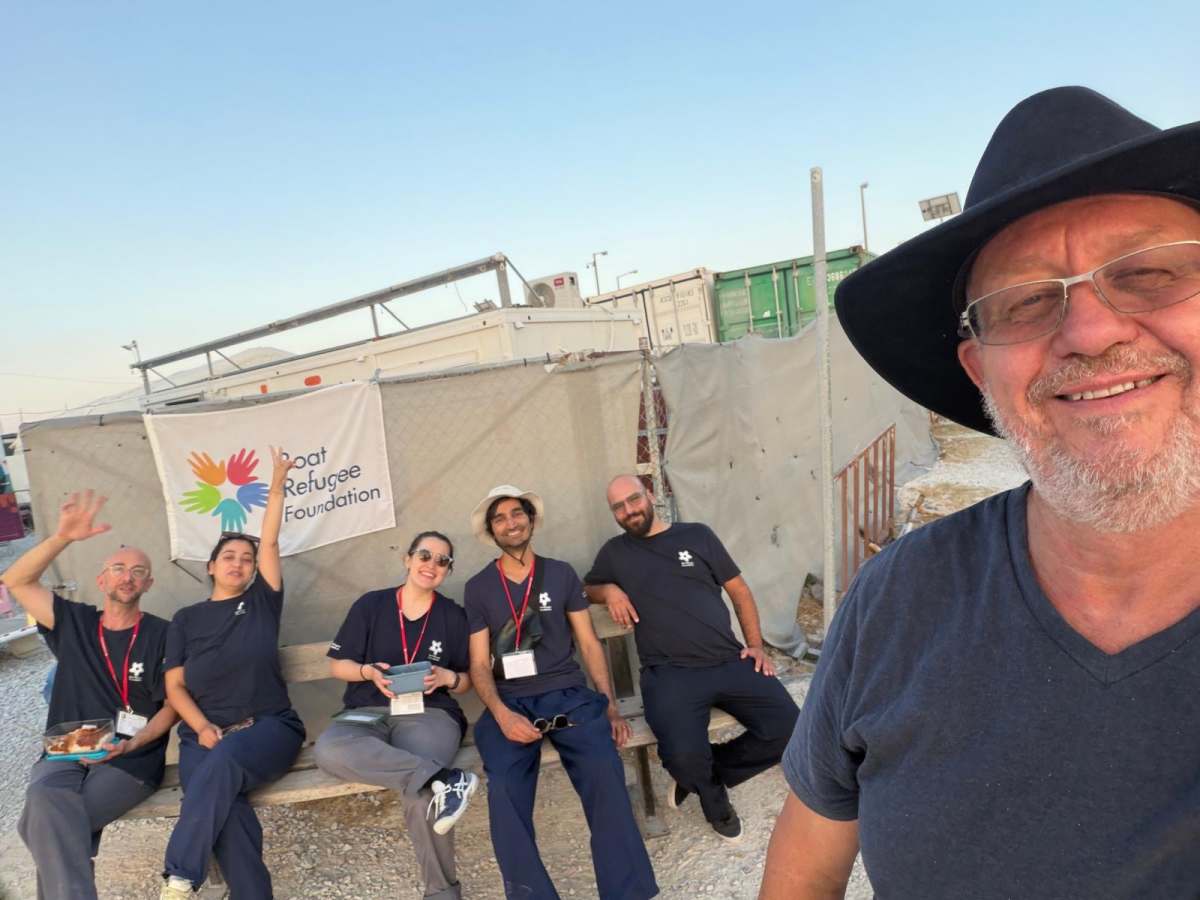
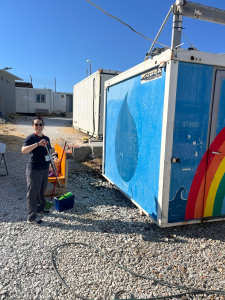
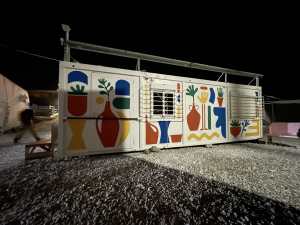

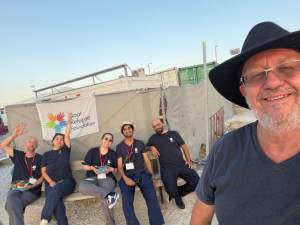
I am grateful to have had the opportunity to volunteer with BRF again this summer. The experience had a major impact on me as I continue to learn about EU migration policy and the barriers to health that asylum-seekers face. The context was frequently changing during my time in Lesvos as the new EU Pact on Migration and Asylum went into force this summer, and changes in camp policies impacted the people we were serving in the clinic. Beyond providing healthcare, BRF plays a significant role in bearing witness to the hardship that people in the camp face and advocating for these individuals. As many of the patients we worked with were not permitted to leave the camp, we were often in a unique position to identify unmet needs and draw attention to the conditions and inequities affecting their health.