
As part of the “Sexual and Reproductive Health Advanced Training Pathway” elective, I plan to work at the Te Mahoe Unit at the Wellington Regional Hospital in New Zealand under the supervision of Dr. Rachel Rapkin, providing necessary and sometimes life-saving reproductive health care to the patients of the North and South Island of New Zealand. This will include maternal and obstetric care in addition to routine gynecologic care, complex contraceptive counseling, management of pregnancy of unknown locations, and pregnancy terminations. Although abortion is legal in New Zealand up to 20 weeks gestational age, it often comes with multiple barriers to patients including costs of care, travel needed to get to specialized health clinics, mandated physician approvals for abortions after 20 weeks, and limited access to skilled providers who are trained in induced fetal death and surgical abortions past the first trimester. Thus, despite having relatively liberal laws surrounding reproductive health care, access is significantly limited for patients, especially those who live in rural areas further away from centralized health clinics that specialize in abortion or who have traditionally been excluded from and underrepresented in European health care systems, including the native Māori population.
Through this elective, I hope to not only help provide pregnancy care and terminations to the patients in New Zealand, but I also hope to better understand how the specific legislation and health care system there allows for access to abortion and reproductive health care for patients, and identify opportunities for advocacy and ways to improve access to care in the country. Finally, through this experience, I hope to begin to learn the culture and distinct needs of the patients in New Zealand and gain clinical competency with counseling patients in a culturally humble, respectful, and empathic manner during an often medically vulnerable and sensitive time in their lives.
The Te Mahoe Unit at the Wellington Regional Hospital serves a large, diverse regional catchment area across central New Zealand, including patients from Wellington and Hut Valley as well as referrals from surrounding districts. This central region includes just under 20% of New Zealand’s total population. Given this large catchment area and the fact that individuals from all age, socioeconomic, and ethnic/racial groups access abortion, individuals at the Te Mahoe Unit are similarly geographically, ethnically, and financially diverse. Data from the New Zealand Ministry of Health show that approximately 40% of individuals accessing abortion in New Zealand are European, 27% are Māori, and another 30% are Asian and Pacific Islanders. Additionally, though many abortions in New Zealand are done via medication or telehealth, access to surgical abortions is significantly more limited in the country and often requires long drives from rural districts to get to more central, specialized health centers with providers who have comprehensive training in such procedures.
This makes the Te Mahoe Unit at the Wellington Regional Hospital critical in providing and maintaining access to full-spectrum reproductive health care to a wide range of patients in New Zealand. This care is provided with a specific emphasis on cultural humility and safety for underrepresented or marginalized patients, including the native Māori population, who have been shown to experience health inequities and decreased access to health care in the country. As someone who is committed to working with under resourced and underrepresented patients for the rest of my career and who has spent much of her medical training in rural locations, I am particularly drawn to the Te Mahoe Unit for its commitment to providing reproductive health care to patients from all walks of life, with a specific emphasis on the Māori and Asian/Pacific Islander populations and patients from rural districts.
I aim to become a generalist Ob/Gyn with a specific focus on family planning, reproductive health, and advocacy. I hope this elective will give me the advanced training in family planning- especially counseling, contraception, and provision of abortion in the first and second trimesters (including the management of common complications of these procedures)- to practice these skills comfortably for my future patients.
Additionally, I hope to gain insight into the unique barriers to reproductive healthcare for patients in New Zealand as well as the ways that reproductive rights are protected in the country. I am particularly drawn to New Zealand as it’s a country that has historically protected reproductive rights (paid family leave for everyone, promotion of breastfeeding by national leaders, high rates of birth attendance by midwives, national legalization of abortion, and more). Even still, it has unique barriers to reproductive healthcare as mentioned previously. Through interfacing with the legislative system in New Zealand and speaking with patients accessing abortion care, I hope to understand how the laws protect patients there and identify opportunities for improvement. I aim to use this learning to advocate for improved access to care for patients both in New Zealand and back home in the United States.
I am also drawn to New Zealand for its rich sociopolitical culture and history, and the ways in which it has worked to integrate and honor the native Māori population through systemic and local changes, and undo decades of well-founded historical mistrust. I hope to learn from individuals involved in and impacted by these changes about their relative success and begin to understand how to use similar frameworks of reproductive and restorative justice for our patients who have been impacted by medical trauma. Ultimately, I hope this experience will help me care for patients in an empathic, unassuming, informed, and sustainable manner.



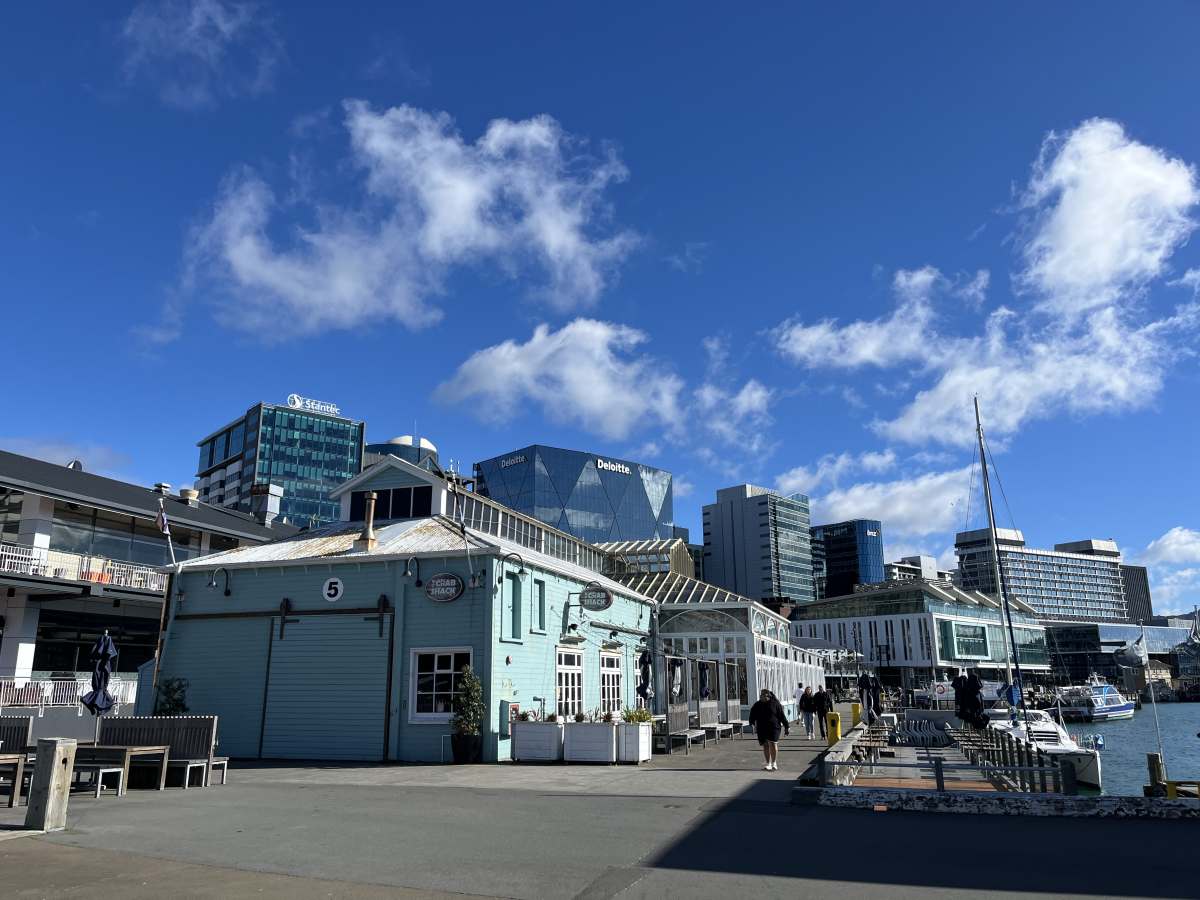


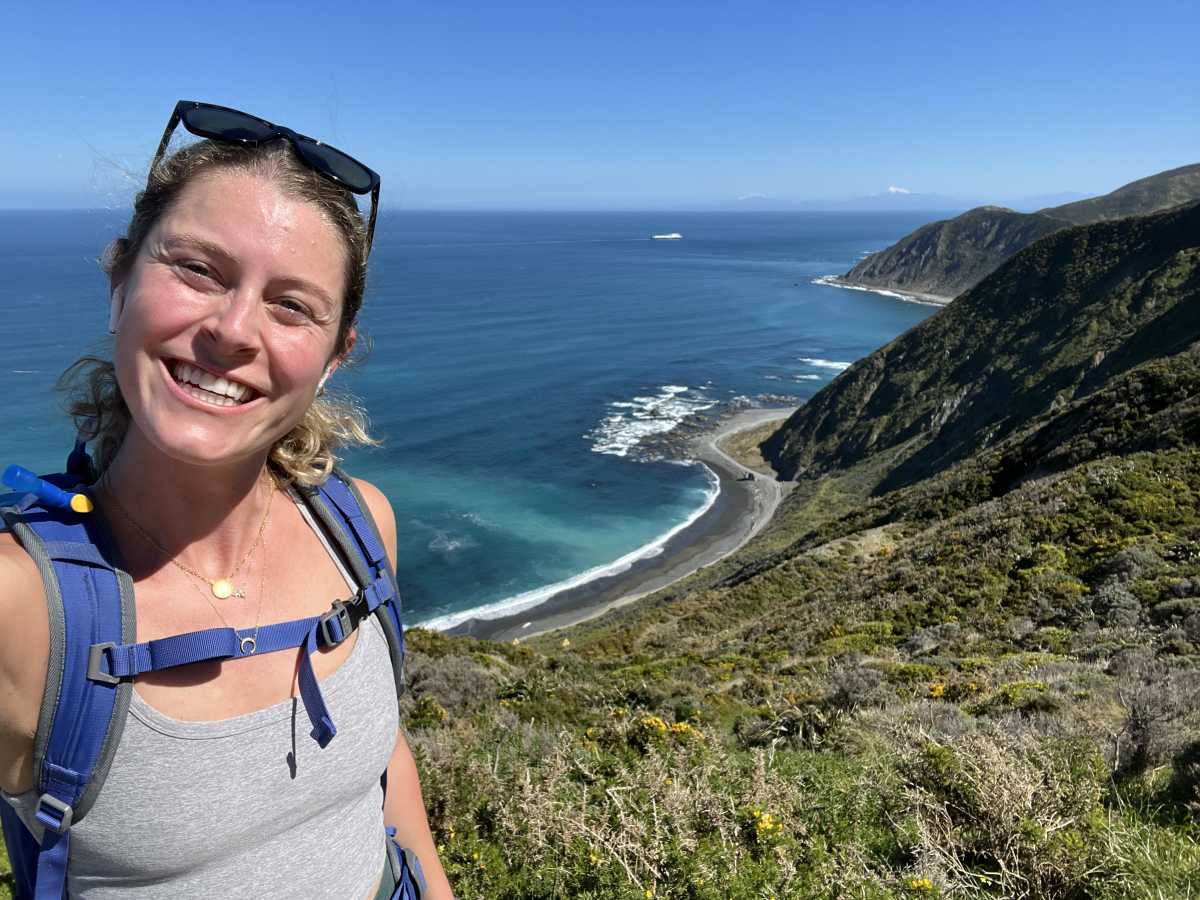






My experience in Wellington, New Zealand was amazing! I met so many individuals who are working tirelessly to provide necessary, safe, and compassionate reproductive healthcare to the residents of New Zealand. Though abortion is legal for New Zealand residents up to 20 weeks of gestation since the Abortion Legislation Act of 2020, access is restricted by the limited number of medical providers who are trained in safe surgical abortions, and care is concentrated in big cities, meaning many residents travel for hours to get to their appointments. Providers working at the Te Mahoe Unit are dedicated to providing access to reproductive healthcare to all patients seeking it, and welcoming trainees like myself to get the clinical experience we need to feel comfortable caring for patients who present at any gestational age and with any clinical presentation or medical comorbidity. Clinics like the Te Mahoe Unit ensure that patients can get into care in a timely manner on days/times that work for their schedules, and they work with national health organizations to provide funding if patients need accommodations locally. This is especially important for the patients from Maori communities, who have historically been stigmatized and left out of healthcare treatments and advances, and who often have well-founded medical mistrust. Information and care provided to patients at the Te Mahoe unit was culturally competent and representative of the diverse range of patients it served. I learned so much from the providers at Te Mahoe Clinic and from the many patients who trusted them with their care, and hope to provide this same comprehensive, culturally humble, nonjudgmental, and respectful reproductive healthcare to my future patients.
In addition to the endless learning at the Te Mahoe Unit, I was able to fully immerse in the culture and lifestyle of Wellington, New Zealand, for the month that I was there. I've attached some photos of the amazing hikes, neighborhoods, cultural landmarks (like my troll friend) and views that shaped my experience. Thank you to Doximity Foundation for this valuable learning experience- it's one I'll never forget!

