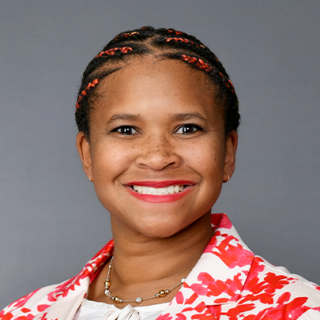
I have been invited by the Department of Pediatrics at the Mongolia National University of Medical Sciences (MNUMS) to deliver simulation-based pediatric resuscitation education. Mongolia currently has no certified American Heart Association (AHA) Pediatric Advanced Life Support (PALS) programs. This visit directly addresses that gap.
The program is grounded in a core principle that the most lasting contribution a visiting clinician can make is not performing procedures, but building skills and confidence that remain long after departure. I will engage local pediatricians as active learners and emerging educators, using simulation scenarios that are designed to highlight pediatric emergencies. Important scenarios include recognition and management of pediatric respiratory failure, shock, and cardiac arrest. Along with the simulation scenarios I will use structured debriefing to emphasize learning and develop the self-reflection skills that make good clinicians better teachers. This will enable participants to spread these education principles to others, making the care of children safer in Mongolia.
New in 2026 will be the introduction of a smartphone-based patient monitor application that will enhance scenario realism within Mongolia’s resource-limited setting, and formal faculty development sessions will introduce local physicians to simulation design and debriefing methodology. These will be tools that can be used beyond the course. The program will grow from 20 learners in 2025 to approximately 50 in 2026, with both foundational and advanced tracks. All curriculum is based on current AHA PALS evidence-based principles.
This project directly serves pediatricians, pediatric subspecialists, and residents at MNUMS, and eventually the children they care for across Mongolia, which is a vast, sparsely populated country where many clinicians work far from referral centers and have little access to structured emergency training so need the tools to help children during emergent medical situations.
Mongolia is an under-resourced setting by any measure of global health equity. There are no certified PALS programs in-country, and providers face resource constraints and long distances between facilities. Pediatric emergencies demand rapid, coordinated response as children decompensate at a much quicker rate than their adult counterparts. Without structured training, gaps in systematic assessment and team communication directly affect child survival.
This will be the second year this group has traveled to Mongolia. The Doximity Foundation’s prior support made this work possible in 2025 when it donated CPR task trainers and PALS textbooks and helped restore two non-functional high-fidelity manikins which were essential to continued education and enhanced safety. That investment has already served 20 physicians and will now reach 50+. The Ministry of Health, MNUMS leadership, and a regional health minister have all expressed strong support for continuing and expanding the program, which is a signal that this is not an outside initiative being parachuted in, but a locally valued partnership.
The children across Mongolia ultimately benefit from this work with providers who are trained to take the best care of them during their most vulnerable moments. They are best served not by a visiting anesthesiologist’s hands at the bedside, but by a confident local team that knows what to do at 2 a.m. without any outside help.
In the short term, approximately 50 pediatric providers will gain structured, hands-on training in managing pediatric cardiopulmonary emergencies. Participants will leave with stronger clinical decision-making, better resuscitation team dynamics, and practiced confidence in high-stakes scenarios. These skills have direct potential to reduce preventable morbidity and mortality from pediatric emergencies.
Sustainability is built into the program from the start. Teaching guides, debriefing frameworks, simulation scenarios, and adaptable curriculum materials will be left with MNUMS faculty. PALS textbooks, posters, and CPR task trainers that were supported by the Doximity Foundation in 2025 remain as permanent teaching assets. The 2026 visit will formally identify and develop local resuscitation champions, which will be physicians equipped to sustain and expand training after I leave, using the faculty development skills introduced this year.
This train-the-trainer model is what converts a short course into lasting educational infrastructure. The goal is a locally led, self-sustaining pediatric resuscitation program; one that no longer requires a visiting physician to function. The Department of Pediatrics at MNUMS has expressed interest in formalizing a partnership with a U.S. institution, and this program is the foundation of that relationship.
When I return, I will share a full trip recap and photos with the Doximity Foundation community to document the impact and, hopefully, to inspire other clinicians to pursue similar work in under-resourced settings worldwide.
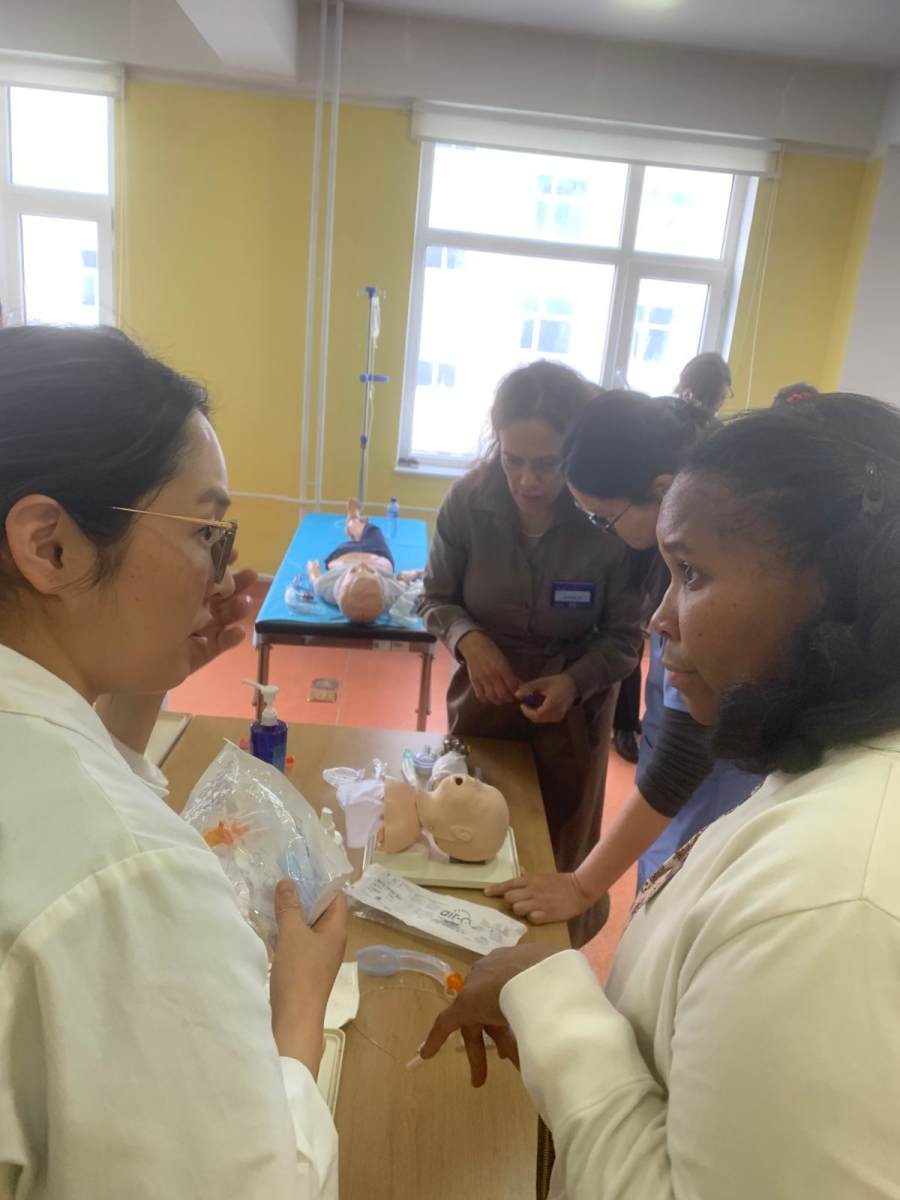
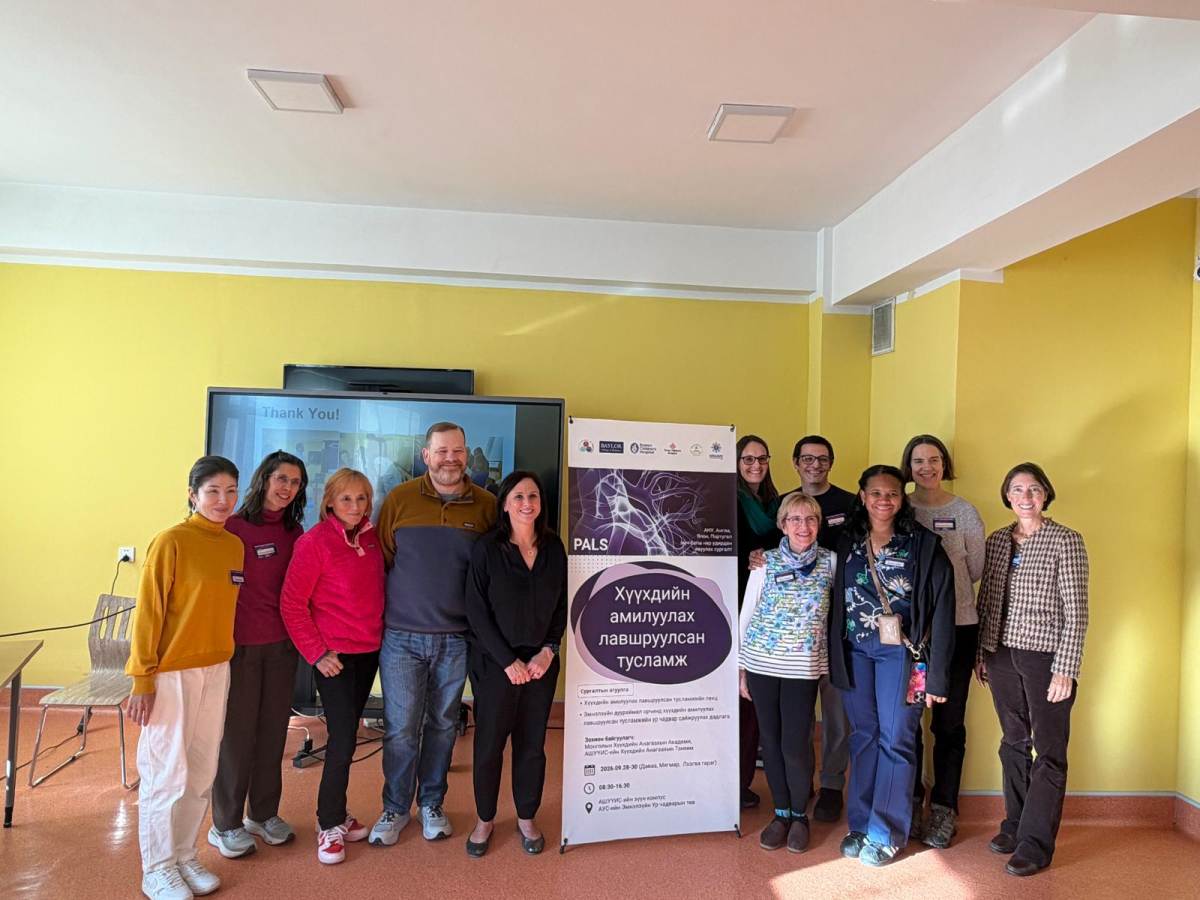


The pediatric learners at MNUMS were among the most engaged that I have ever worked with. It was a joy to move from didactics to hands on simulation sessions and watch the pediatricians add life to the PALS scenarios. They were able to work through the steps of airway and shock emergencies while having practical takeaways. Some of the takeaways expressed were increased knowledge surrounding use of racemic epinephrine and inhale decadron, along with differentiating shock states and better understanding of inotropic agents to be used.
The evaluation data was overwhelmingly positive and there are already plans to return for more programming next year. This partnership with MNUMS is showing continued positive impact as we spread tools for safe care of sick children.

