
As a member of the American Society for Colposcopy and Cervical Pathology's (ASCCP) International Education and Community Outreach Committee, I have been invited to return to Senegal to serve as faculty for the second annual colposcopy and cervicovaginal pathology course, hosted by the Senegalese Society for Colposcopy and Papillomavirus Pathology. Last year, I helped lead Senegal's first-ever colposcopy training, where our faculty trained over 75 providers—ranging from midwives to ob/gyn clinicians—from Senegal and surrounding countries. This year, the course will follow Senegal's annual national meeting of obstetricians and gynecologists, allowing us to reach an even broader audience of practicing clinicians at a moment when they are already convened and engaged.
Over several days, participants will receive a blend of didactic instruction and hands-on experience designed to refine their knowledge and skills in colposcopy and the treatment of cervical dysplasia. The training is grounded in international standards of care, with thoughtful adaptation for the Senegalese context. Building on the foundation laid last year, this year's course will deepen participants' competencies, reinforce best practices, and support the emerging community of trained colposcopists in the region.
By continuing to expand and strengthen the workforce trained in cervical cancer screening, prevention, and management, we increase the likelihood that patients will receive timely, appropriate care. Each cohort of trained providers brings us closer to the elimination of HPV-related cancers.
This collaboration serves many populations: women and their communities, and providers both current and future. Women are the cornerstone of their communities. Protecting their health and well-being strengthens the health of entire communities. Cervical cancer is the fourth most common cancer in women worldwide, and in Senegal it is the most common cancer in women. Half of Senegal's 18 million inhabitants are women (UNFPA); of roughly 9 million, about 5 million are of reproductive age and thus at risk of cervical cancer (ICO/IARC Information Centre on HPV and Cancer). Each year, nearly 2,000 people in Senegal are diagnosed with cervical cancer, with a mortality rate just below 70%. Yet cervical cancer is exquisitely rare in a well-screened population—and screening depends on providers trained in detection, management, and prevention.
Senegal has roughly 7 doctors per 100,000 people (World Bank). Our training intentionally reaches not only doctors but also clinical officers, nurses, and midwives who are often the primary point of contact for women, including those in rural areas. Last year we trained over 75 such providers across this spectrum. By equipping multiple cadres of the health workforce, we strengthen care today and build capacity for these providers to, in turn, educate the next generation. They also intend to use this year’s training as a precursor to near future outreach camp for cervical cancer screening and treatment.
The exchange is also bidirectional. By collaborating with Senegalese co-faculty, ASCCP faculty gain insights into adapting international guidelines for limited-resource settings, lessons directly relevant to closing persistent gaps in care among rural and underserved US populations.
This partnership is designed to be self-sustaining. With each course, the Senegalese Society for Colposcopy and Papillomavirus Pathology grows its capacity to carry the training themselves forward independently, reaching ever more providers and communities. The course draws on current, evidence-based international practice standards and guidelines that our colleagues can reference and adapt to their context long after we return.
Returning for a second year allows us to reinforce and build on last year's foundation—deepening the skills of providers we have already trained, welcoming new participants and strengthening the regional community of practice. Holding the course alongside the national ob/gyn meeting further embeds colposcopy education within the country's existing professional structures, increasing the likelihood that these practices become standard rather than exceptional. Also, hosting this course before an outreach camp will further reinforce the foundational skills and knowledge to support enhanced care along the cervical cancer prevention cascade.
Prevention through vaccination of both women and men is a core component of the training. By educating providers, we hope to reinforce increased HPV vaccine uptake, which could reduce HPV-related cancers more broadly. As more providers become skilled in screening and prevention, screening uptake should rise, leading over time to fewer cervical cancer diagnoses and lower mortality in Senegal.
Ultimately, I hope this course continues to serve as a catalyst for future trainings, positioning Senegal as a regional training and learning hub for surrounding countries and accelerating progress toward the elimination of HPV-related cancers.


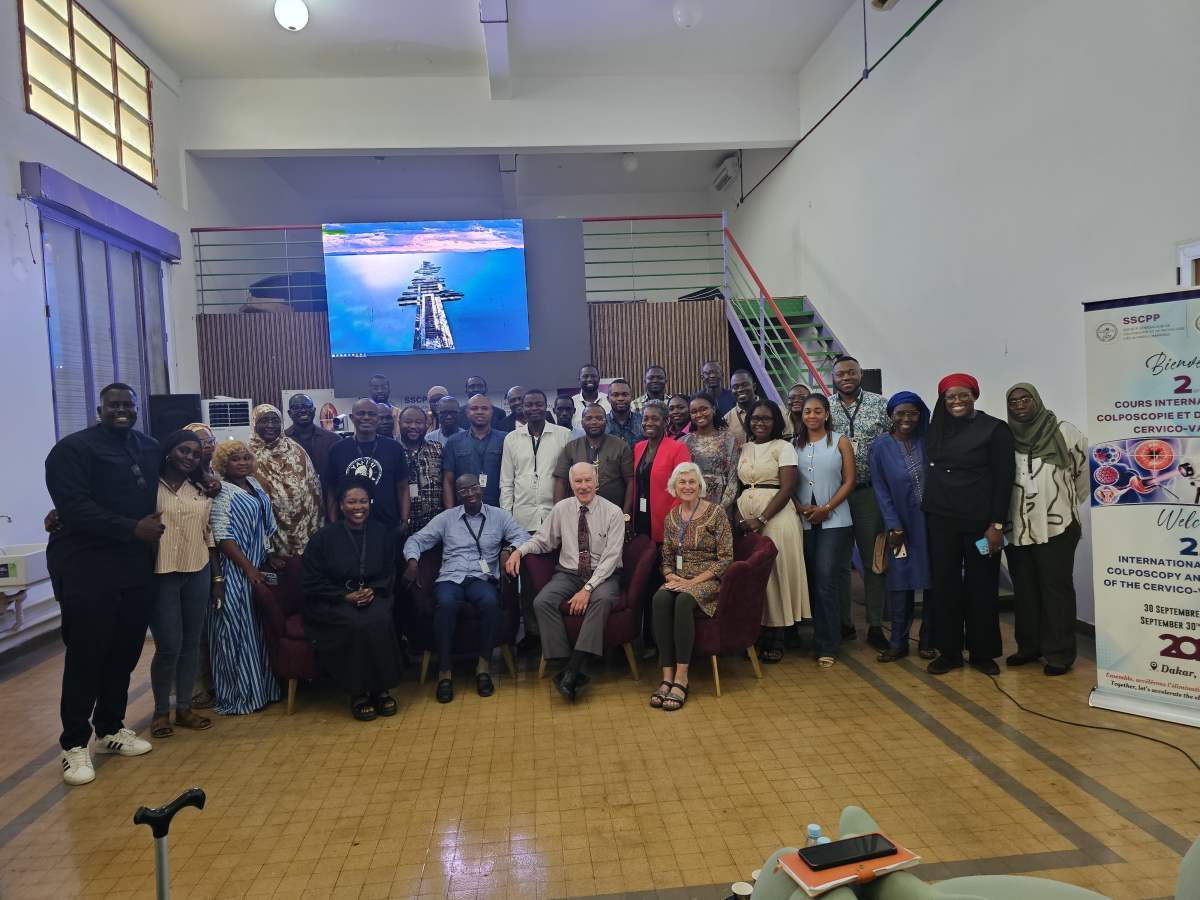
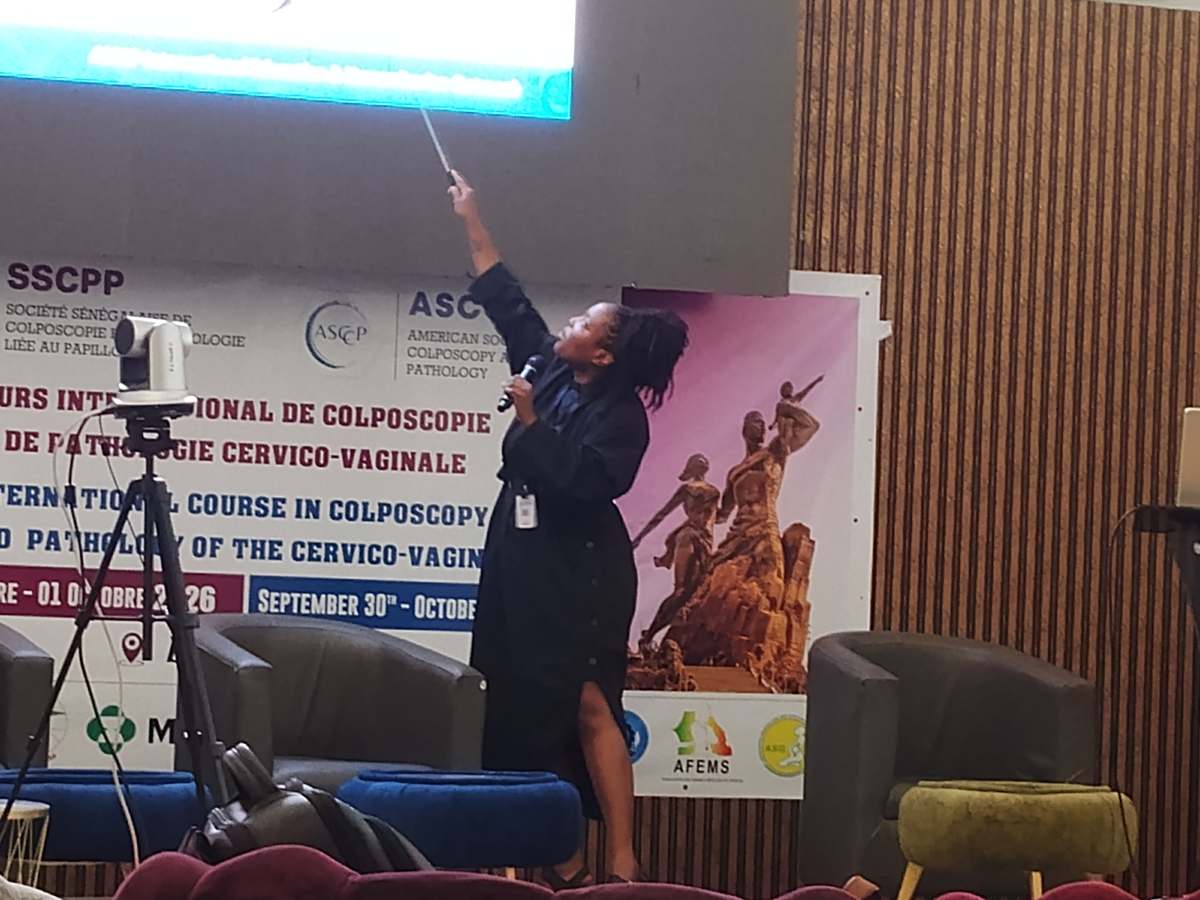
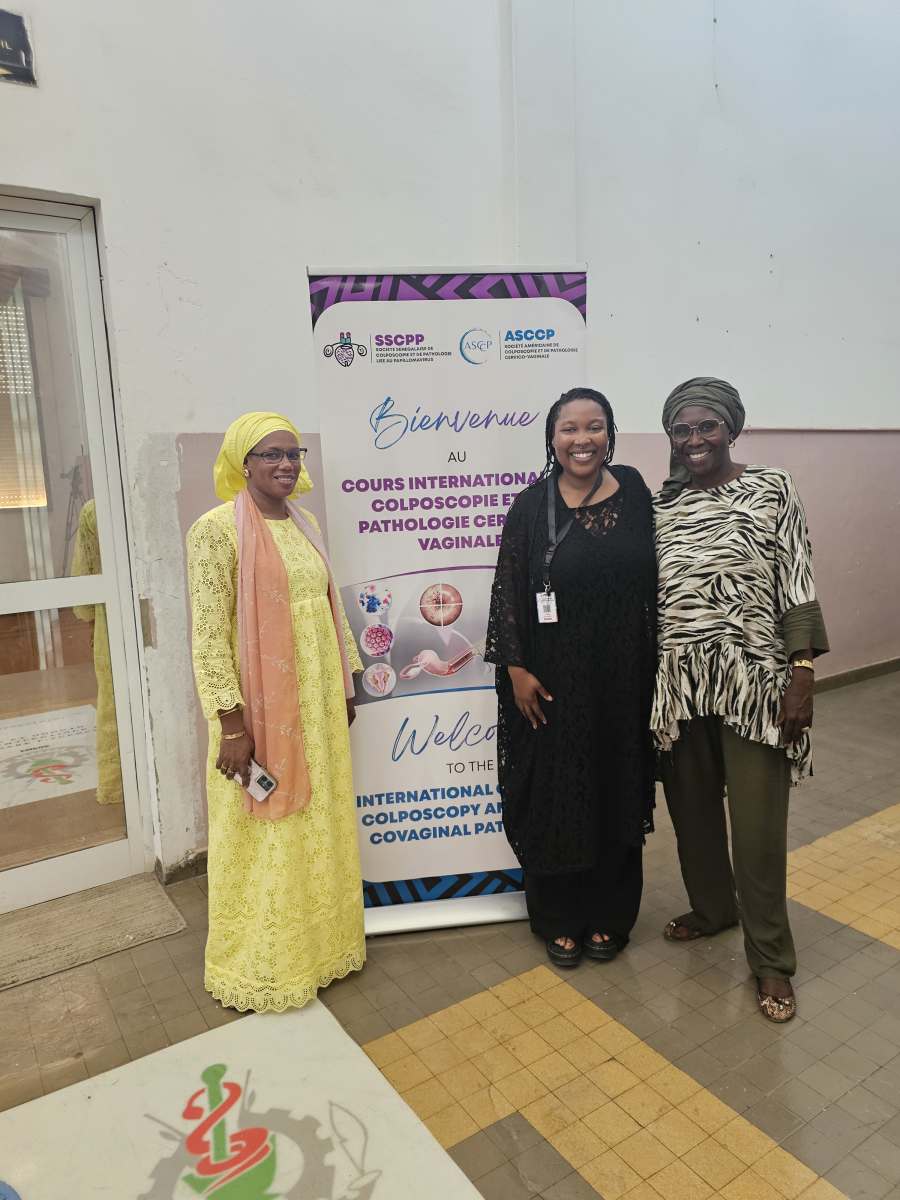


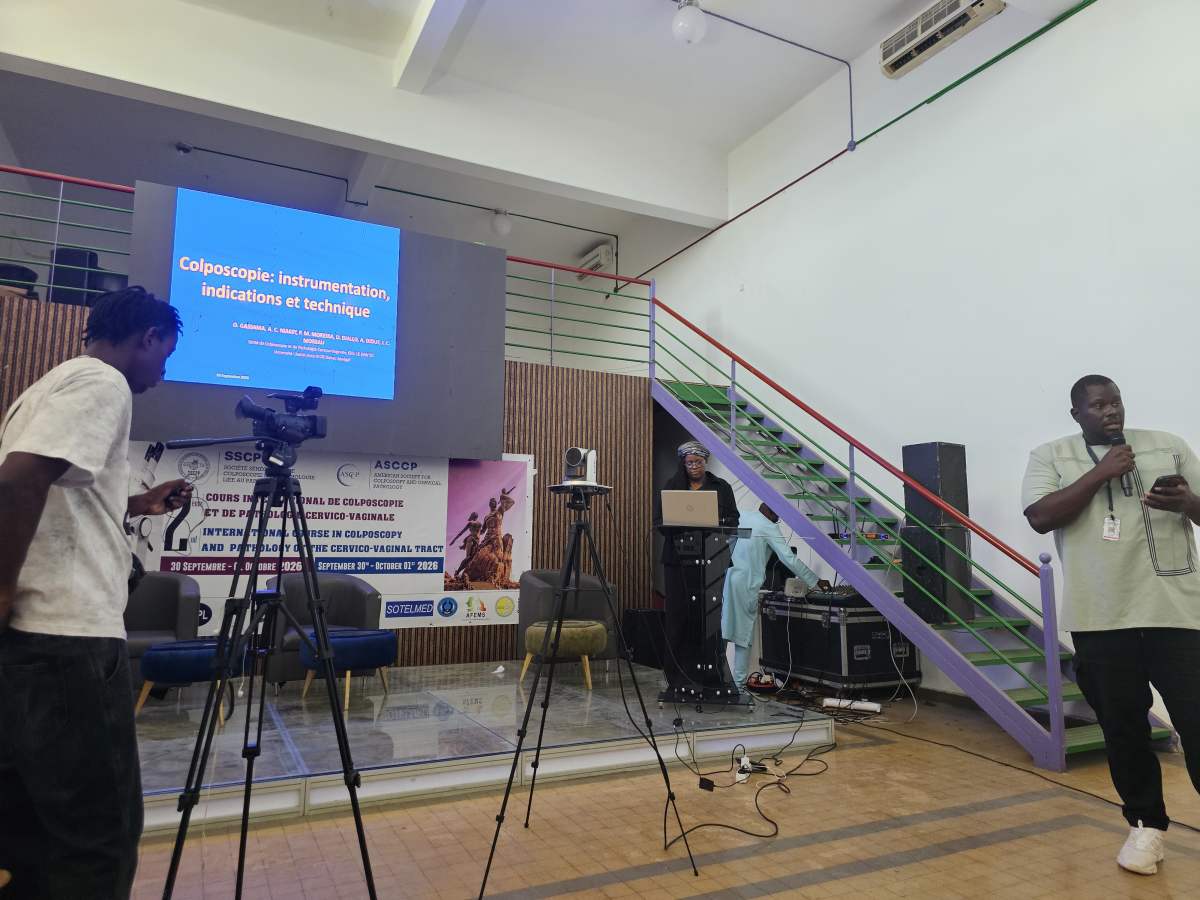


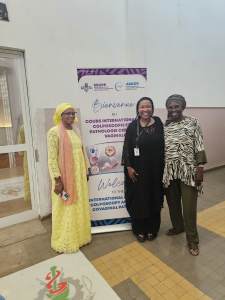
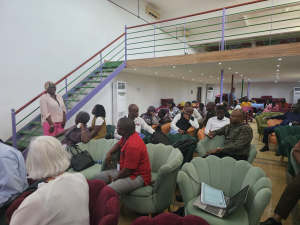

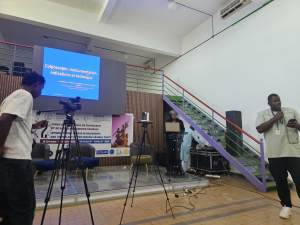
This second international course in colposcopy and cervicovagonal pathology hosted by the Senegalese Society for Colposcopy and HPV Pathology (SSCPP) Program trained more than 50 West and Central African health professionals in colposcopy (part of the cervical cancer screening cascade). Attendees represented 9 countries and included midwives, physician trainees (some in fellowship others in residency equivalent) and consultants (attending clinicians). Not only did the attendees learn from faculty, they also learned from each other and were able to share health policy strategies and lessons from health systems issues that will equip them with the capabilities to better navigate their practice in colposcopy. Additionally, the Senegalese team continues to integrate and expand their teaching role within the course and offered satellite workshops and additional sessions at their national meeting that followed this colposcopy course. As a representative of the American Society for Colposcopy and Cervical Parhology (ASCCP), it was an honor to be invited to teach at this course again and see the progress that had been made in one year. I remain inspired by the SSCPP.

