
I plan to spend time at a teaching hospital in Benin, Nigeria, understanding the emergency medicine (EM) residency structure and working with current residents and faculty to adapt the national curriculum to their local realities, identify areas for improvement and build on them. I plan to propose implementation of a multifaceted approach to continued medical education amongst residents, building on existing didactics to include simulation based learning, video/audio based learning through resources such as and similar to EM:RAP and other practicals-based learning including teaching on point-of-care ultrasound. My goal is to strengthen this EM residency program, which will produce competent, expert EM physicians who will go on to train others after them, and provide high-quality care to citizens in Benin and in the country at large.
I spent the majority of my formative years in Nigeria. My parents and other members of my family still live there. I have always known that a significant part of my career must involve giving back to the community that raised me. Nigeria is home to over 200 million people with a significant burden of acute traumatic and non-traumatic illness. Unfortunately, a lot of the Accident and Emergency Departments are overcrowded, with not enough providers to meet the needs. In addition, many of these departments are not staffed by EM trained physicians. EM is a very new specialty in Nigeria and the residency program in Benin is one of the first EM residencies there, with the first set of residents currently in their fourth year of training. The most direct benefit will be to the residents in the program as they will be further equipped with the skills, knowledge and tools needed to provide excellent care to their patients. These patients presenting directly to the teaching hospital as well as those transferred from other district or local hospitals will also benefit from the care provided. Ultimately, residents will graduate and go on to lead EM departments in other hospitals, as well as direct other burgeoning EM residency programs throughout the country and the region at large.
While assisting with care provision is a valuable experience, I strongly believe in the idea that “ if you fish for a man, you feed him for a day, if you teach him how to fish, you feed him for life”. I intend on having a longitudinal relationship with the EM program in Nigeria with the goal of helping with their residency program development. My work will occur while in-country and when I am back in the US through continued virtual courses, exchange programs and quality assurance projects. I want to help train those who will go on to train others and then others after them. The goal is to get this residency program to reach agreed upon and acceptable national and international standards, such that it will serve as a gold standard for other EM residency programs in Nigeria. The dream is that through the work in this residency program, emergency medicine as a whole in Nigeria will be strengthened and many lives saved in turn.
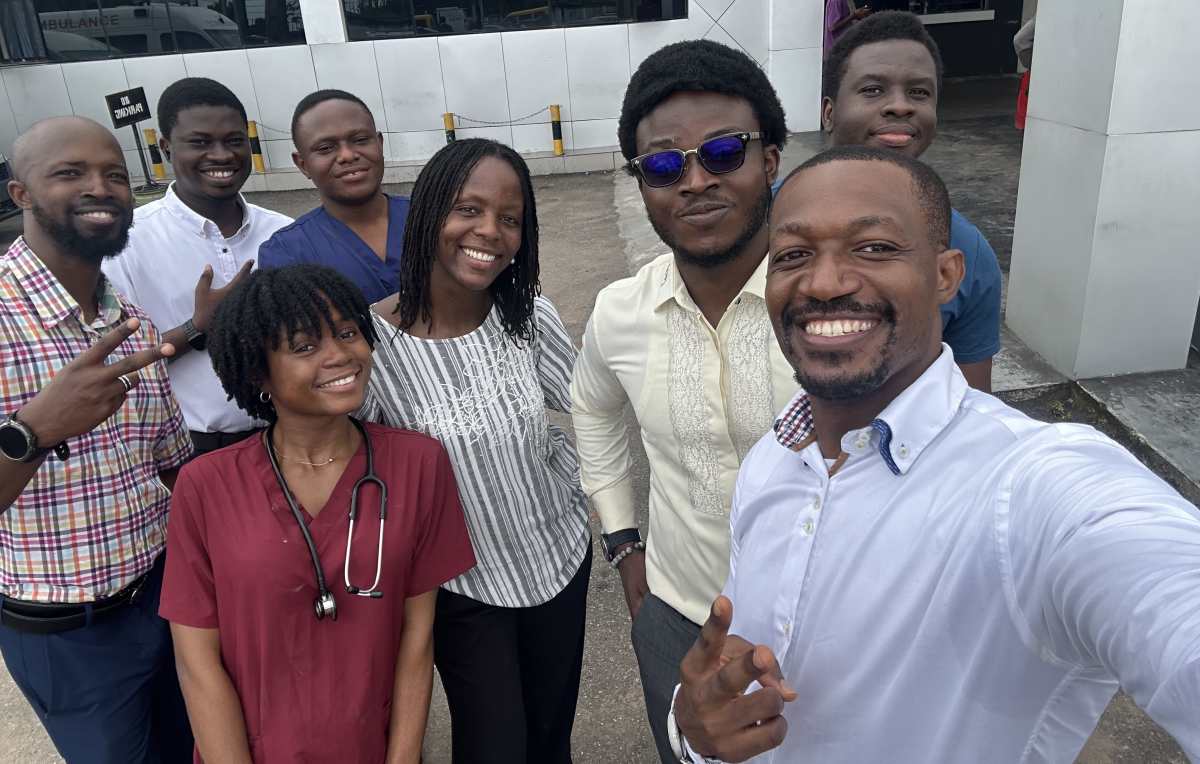


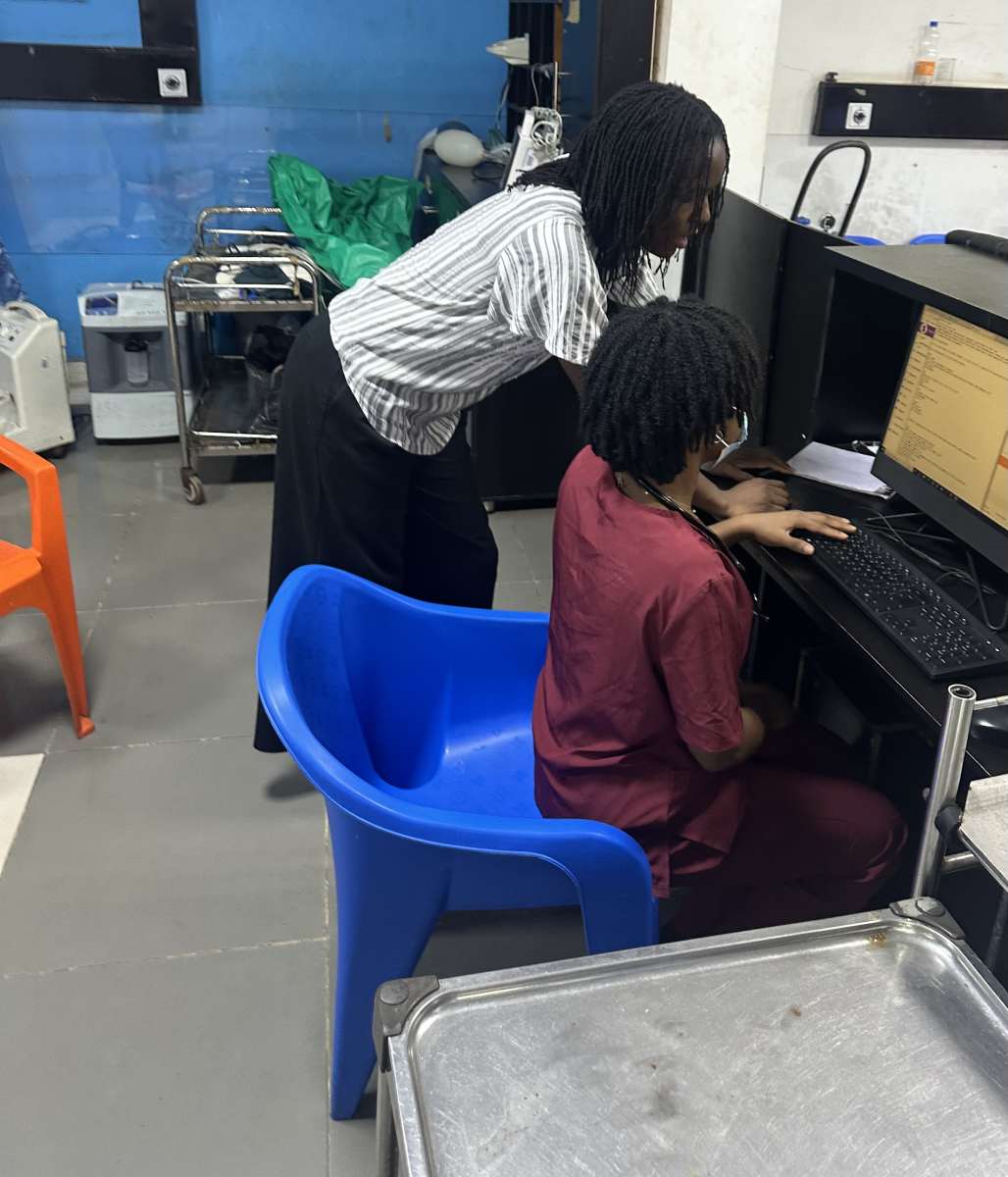

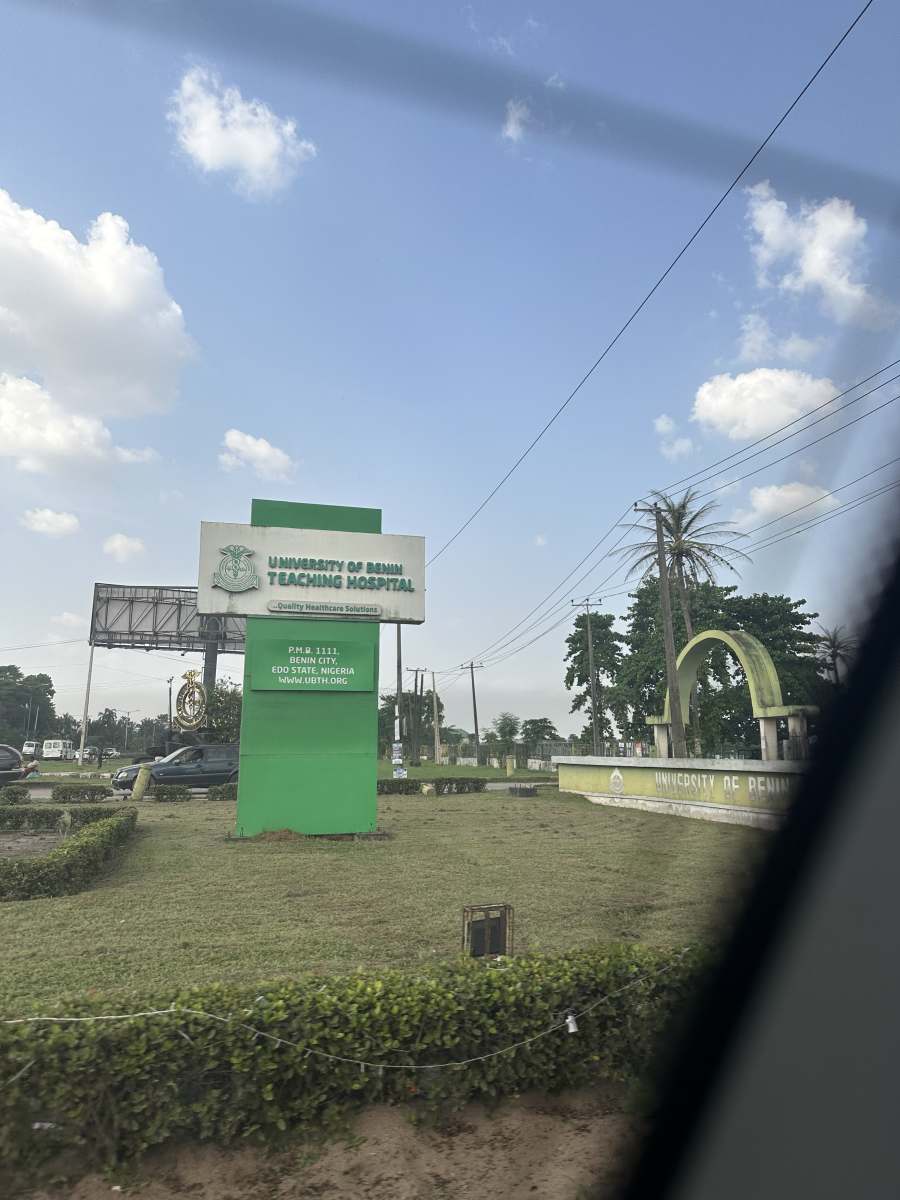

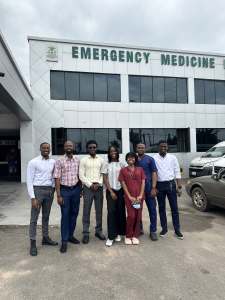


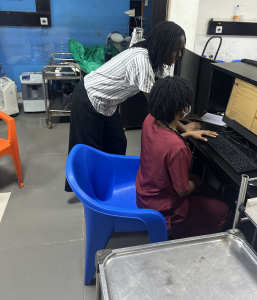

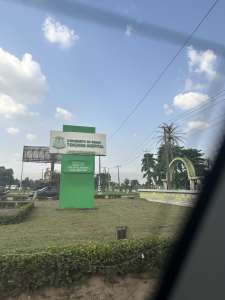

My time at the University of Benin Teaching Hospital (UBTH) in Benin City was an incredibly rewarding opportunity to work alongside emergency medicine residents and faculty. I participated in clinical care and ward rounds, including the management of critically ill patients, while also learning more about the day-to-day realities of practicing emergency medicine in this setting.
Much of my time was spent teaching and working through cases with the residents. We covered topics such as ECG interpretation, management of undifferentiated shock, point-of-care ultrasound, and mechanical ventilation, along with several OSCE-style resuscitation scenarios. I particularly enjoyed the hands-on nature of these sessions and the opportunity to work through clinical decisions together.
Beyond clinical teaching, I had the opportunity to discuss emergency department workflow, resuscitation organization, patient flow, and some of the practical challenges faced by the department, while working with the team to identify opportunities to improve existing systems and processes. I also learned about ongoing efforts to develop prehospital emergency care in Edo State and their plans for an ambulance emergency response unit based at UBTH. I hope to contribute to these efforts.
The trip was especially meaningful to me because it allowed me to contribute to the development of emergency medicine in a place that is personally important to me, while also learning from the residents and faculty. I left with a deeper understanding of their experiences and needs, as well as a strong interest in continuing to build this relationship and support the program through future educational collaboration.

