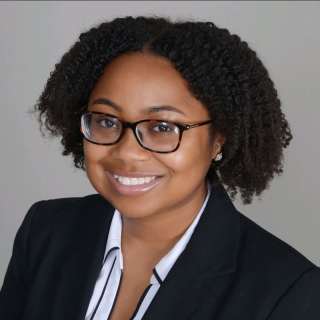
During my three-week elective in Nairobi and surrounding rural areas, I will work alongside an emergency physician who has played a central role in building Kenya’s emergency medicine and EMS systems from the ground up. I am particularly drawn to this environment because of its rapid transformation—from limited access to emergency care to a system that now reaches much of the country through innovation and adaptability.
My goal is twofold: to learn and to contribute. As a learner, I hope to better understand how emergency care is delivered in a resource-constrained setting, where clinicians rely on creativity, efficiency, and strong community integration to provide care. This perspective is deeply aligned with my training at Highland Hospital in Oakland, where I have cared for patients facing many systemic barriers to care.
As a contributor, I will provide lectures for medical students and residents, and lead hands-on community workshops on bystander CPR, Stop the Bleed, Narcan administration, and basic first aid. These are practical, high-impact skills that empower individuals to act during critical early moments of an emergency.
I hope to make a difference by supporting and amplifying work already being done, rather than creating something new and temporary. In both my clinical training and community work, I have seen how early intervention can change outcomes. By helping expand access to these life-saving skills and creating reusable educational materials, my goal is to support a culture of emergency preparedness that continues to grow after my time there. Even small increases in confidence and ability to respond can have a meaningful impact on patient outcomes.
The individuals who will benefit most directly from this project are medical students and residents who are building their foundation in emergency care, as well as community members who are often the first to respond when emergencies occur. In many settings where formal EMS systems are still developing, early recognition and intervention by bystanders or frontline providers can significantly influence outcomes. By focusing on practical, high-yield skills, I hope to support both trainees and community members in gaining confidence and the ability to act in critical moments.
Beyond these individuals, the broader community may benefit as these skills are shared and carried forward. Each person trained becomes part of a growing network of responders, helping to strengthen community resilience and bridge gaps in access to immediate care.
I feel strongly drawn to this population because it reflects many of the experiences that have shaped both my personal background and my clinical training. I grew up in an environment where access to resources was not always guaranteed, and that perspective has deeply influenced my path into emergency medicine. At Highland Hospital in Oakland, I have trained in a system that serves a diverse and often underserved population, where social and structural barriers to care are a daily reality.
Because of this, I feel a deep alignment with the work being done in Kenya. I am inspired by the innovation and resilience required to build systems in resource-constrained settings, and I see this experience as an opportunity not only to contribute, but to learn from a community whose challenges—and strengths—resonate with my own experiences and values as a future emergency physician.
In the short term, I hope this experience will contribute to increased confidence and practical skills among both trainees and community members. Focused education in areas such as CPR, hemorrhage control, and overdose response can help individuals recognize emergencies earlier and act more effectively in those critical initial moments. In my experience of community based education, even brief training can empower someone to intervene in a way that meaningfully changes an outcome.
In the longer term, I aim to support sustainable impact through the development of reusable educational materials and structured training sessions that can continue beyond my time there. By contributing to resources that can be adapted and reused, I hope to add to the ongoing work of building a culture of emergency preparedness within both the healthcare system and the community. I also plan to continue this work in a more longitudinal approach by continuing to support both in-person and remotely.
This experience will also have a lasting impact on my own practice as someone interested in EMS fellowship and disaster medicine. I expect to bring back a deeper understanding of how to deliver effective emergency care with limited resources, as well as new approaches to teaching and community engagement. These lessons will directly inform my work at Highland Hospital , where I am actively involved in bystander CPR, Stop the Bleed, and harm-reduction education.
More broadly, this experience will strengthen my ability to design sustainable, community-centered programs that can function across diverse settings. I hope to carry forward not only specific skills and knowledge, but also a mindset grounded in adaptability, resourcefulness, and partnership—principles that will guide my future work in EMS, disaster response, and community education.
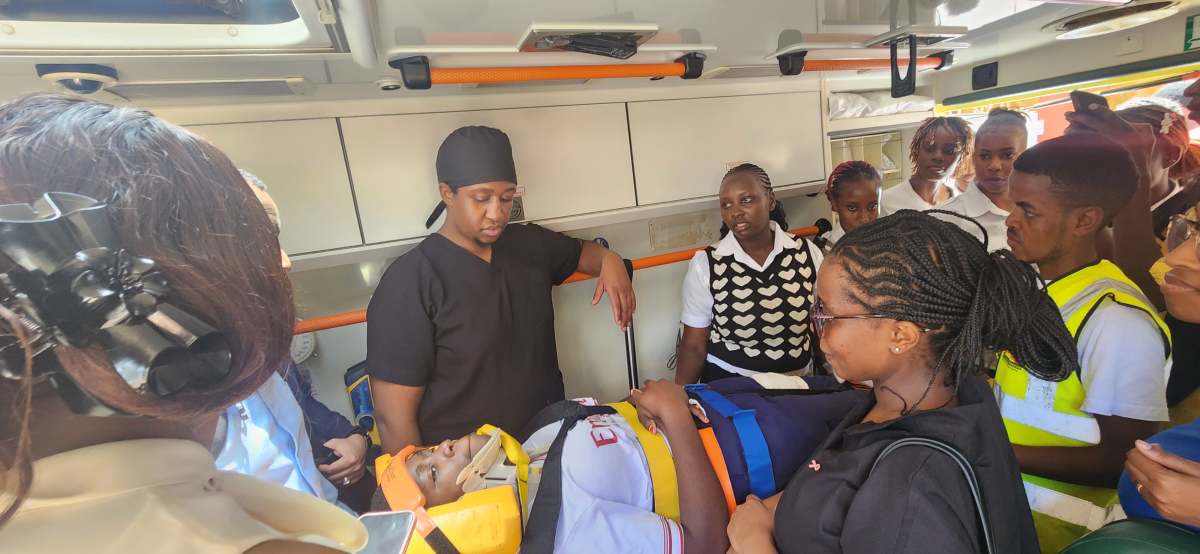
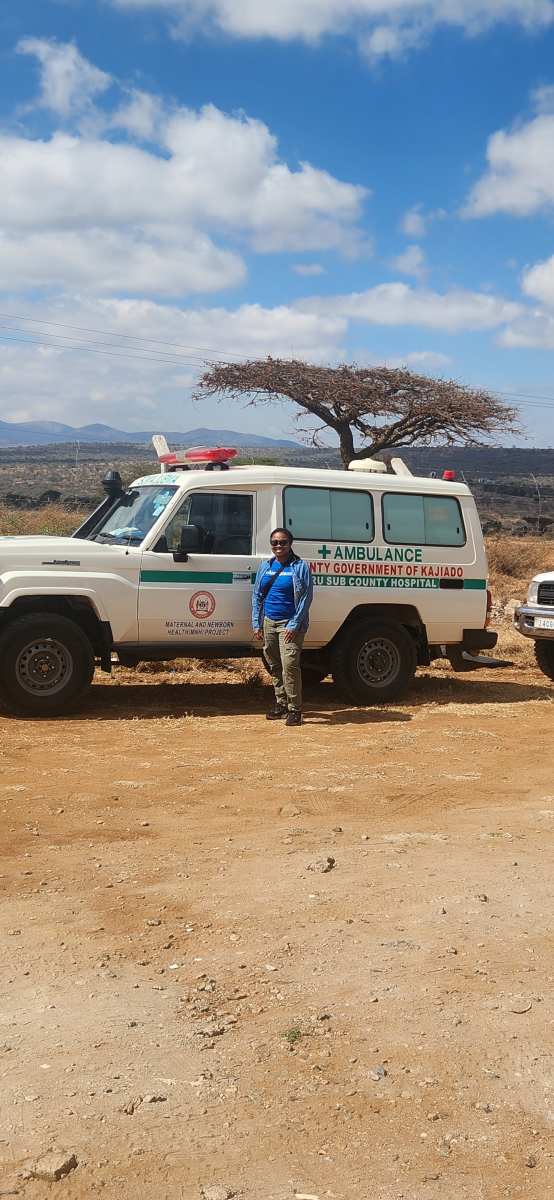
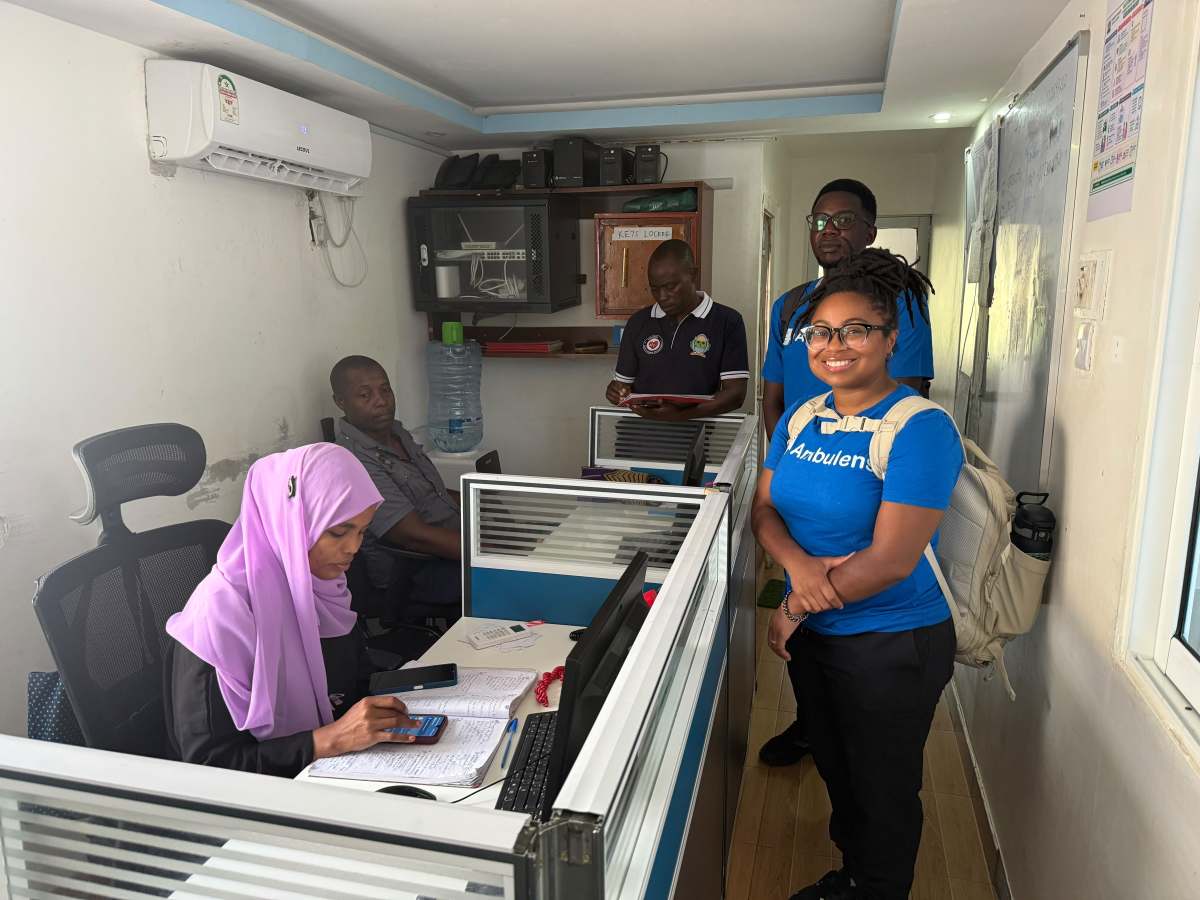

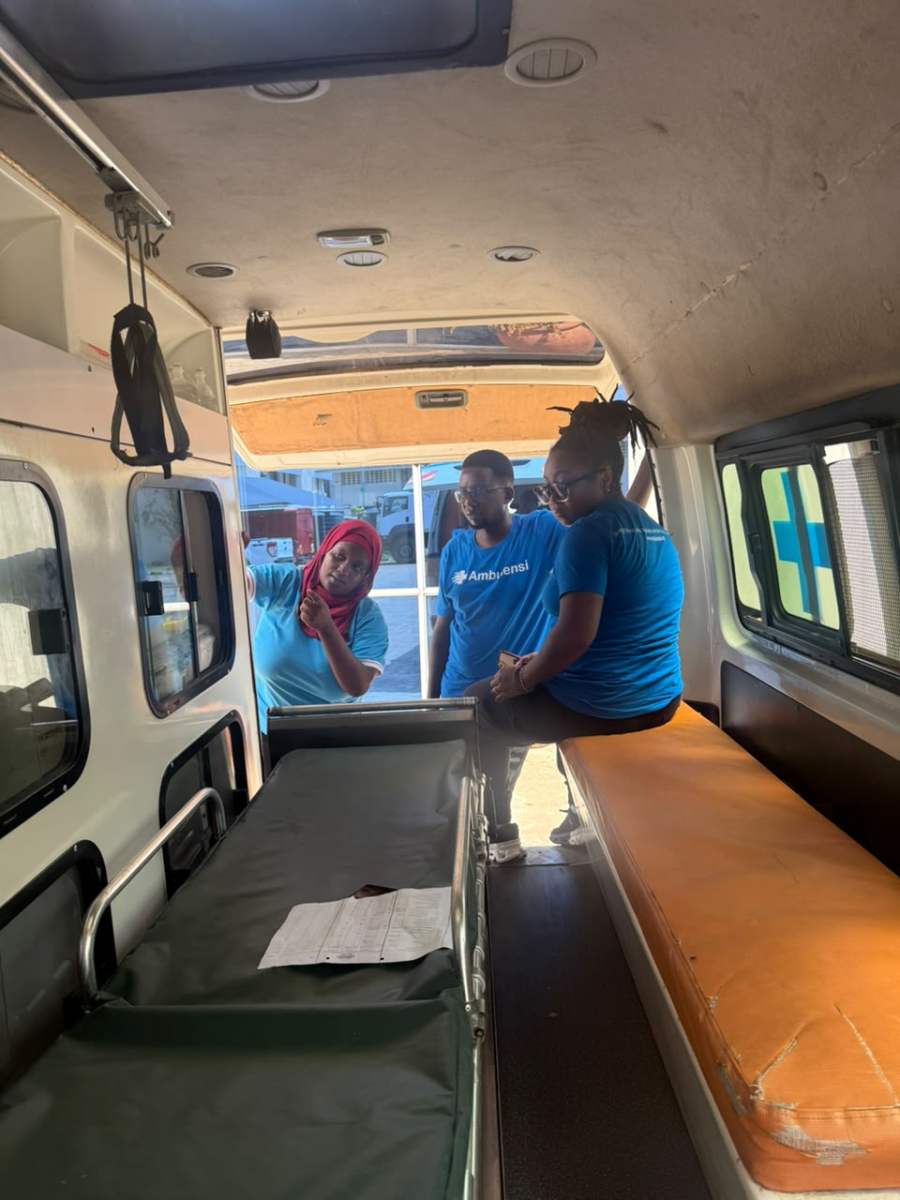


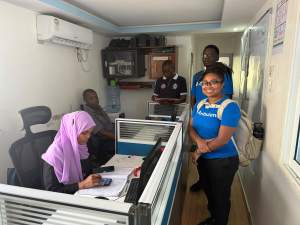

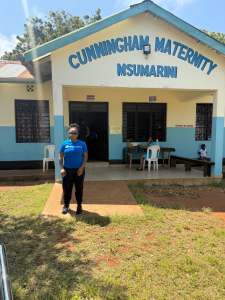
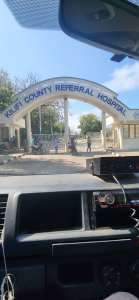
During my time in Kenya, I worked with the Emergency Medicine Kenya Foundation (EMKF) to update their EMS dispatch protocols, did ride alongs with rural EMS groups in Kilifi and Mombasa helping them with training and advocating for more resources. I also taught Physicians training to become specialized in Emergency Medicine. Although those skills will last for sometime, the protocols will help thousands of people.

