Our team is planning a multidisciplinary medical and surgical outreach to Ibadan, Nigeria from September 20–26, 2026, focused on providing free healthcare services to underserved and financially vulnerable communities. The outreach will include medical consultations, surgical care, pharmacy services, laboratory testing, health screenings, health education, and postoperative follow-up care for patients who otherwise have limited or no access to healthcare.
The project will make a significant difference by addressing critical healthcare needs that often go untreated because of financial barriers and limited healthcare infrastructure. Many patients live with treatable surgical and medical conditions for years without access to care. Through this outreach, patients will receive free consultations, medications, procedures, and health education that can improve quality of life, prevent complications, and in some cases be life-changing or life-saving.
Beyond the immediate medical impact, the mission also helps build trust, provide hope, and demonstrate compassionate, patient-centered care within underserved communities. Our goal is not only to treat illness, but also to restore dignity and improve overall community health through sustainable and collaborative outreach efforts.
As a surgical resident, this mission is especially important to me and my development as a general surgeon. This mission provides a unique opportunity to practice resource-conscious surgical devision making and will deepen my understanding of global health disparities. This experience will also help me to develop greater adaptability, resilience, leadership, and teamwork skills. I hope to return to my residency training with a renewed sense of purpose and the qualities of a well rounded surgeon coming in to my chief year as a general surgery resident.
The primary population served through this project will be underserved and financially vulnerable individuals and families in Ibadan, Nigeria who have limited access to healthcare services. Many patients lack access to medical specialists, surgical care, medications, and diagnostic testing due to financial hardship and limited healthcare infrastructure.
This population includes adults and children with untreated surgical conditions, chronic illnesses, and preventable complications that have progressed because they could not afford care. Through this outreach, we aim to provide free, compassionate, and high-quality healthcare services to individuals who might otherwise go without treatment.
We chose this population because the healthcare need is significant, and even basic medical and surgical care is often inaccessible for many community members. Our goal is to improve access to care, relieve suffering, prevent complications, and bring hope to underserved patients and families.
The expected impact of this project is to improve access to essential healthcare services for underserved individuals and families in Ibadan, Nigeria through free medical consultations, surgical care, medications, health screenings, and health education. We anticipate caring for a large number of patients who otherwise may not have access to timely or affordable healthcare, helping to relieve suffering, prevent complications, and improve quality of life.
Beyond the immediate patient impact, this experience will further strengthen collaborative relationships with local healthcare teams and community partners, helping support ongoing outreach and continuity of care after the mission ends. The lessons learned from working in resource-limited settings will also continue to influence my clinical practice, leadership, and approach to patient-centered care.
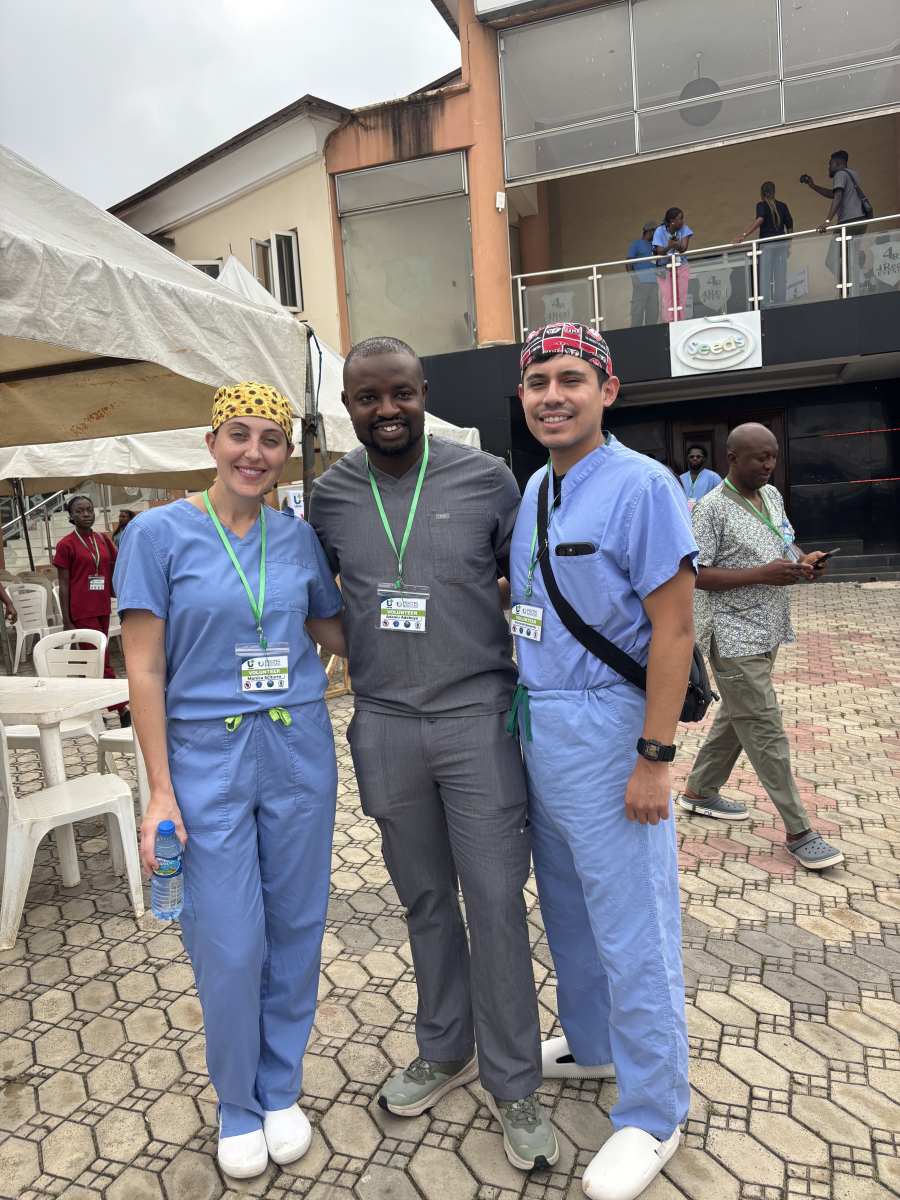




Over the course of a week we were able to impact hundreds of individuals from Ibadan, Nigeria. We were able to perform 109 surgeries in addition to numerous dental and ophthalmology procedures by the other teams. We were able to perform both ventral and inguinal hernia surgeries for patient's who had been afflicted by pain and discomfort from these pathologies for 5-10 years. We also were able to perform multiple thyroidectomies for individuals with significant neck masses. There were multiple female patients with breast masses suspicious for malignancy and these were able to be removed and given to the patient to take for pathology. All individuals served were extremely thankful and appreciative of the care we provided. Many felt there was no other option to receiving care and had even returned after attempting to get a spot at a prior mission trip last year. I am very grateful for the opportunity and feel fulfilled in the medical assistance I was able to provide for the significant amount of individuals in need.

