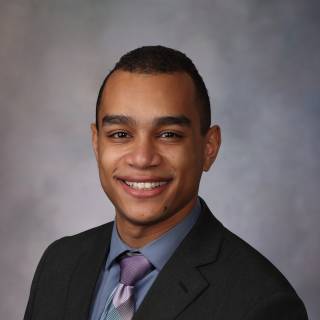
As part of a nearly month-long rotation, I plan to travel to Monrovia, Liberia to serve as part of the resident teams in the inpatient Pediatrics wards, PICU, and/or NICU settings of the John F Kennedy Medical Center. In this time, I will be participating both in direct patient care as well as educational activities within the academic medical center. As this will further the collaborative relationship between the Boston Children’s Hospital and the JFK Medical Center, the most important way in which I believe it will make a difference is in continuing to forge opportunities for us to learn from each other and contribute to the care of medically underserved populations across both our institutions.
In my capacity as a frontline provider, the pediatric patient population of the JFK Medical Center will be the primary beneficiary of my services. This population not only encompasses the millions of children within Liberia’s own borders (as roughly 60% of the population is under 25 years of age), but also that of many other West African nations. Insofar as I will be sharing in the educational conferences held within their Pediatrics department, I will also be learning from and teaching the local Pediatrics residents, as well as the medical students of the A.M. Dogliotti College of Medicine. Similarly, clinical learning will benefit both myself (via the experience of local practitioners) as well as my interprofessional team members, including nurses and PA’s from the Tubman National Institute of Medical Arts. However, as discussed below, I find myself in a position to benefit the most as a learner in this environment.
As this will be my first foray in global health, while I will certainly endeavor to deliver the best care I am capable of to the patients I will meet as I extend my institution’s collaborative relationship with the JFK Medical center, I also hope that this experience will make a difference primarily for my future patients. For by participating in educational conferences, I hope to learn more about the unique presentations of tropical and other common diseases in a patient population distinct from my home institution; and by leading some of these same conferences, I hope to develop my medical educations skills in a setting with a different core educational background, so as to benefit my peers and students alike going forward. In providing direct patient care in this setting, I have the privilege of learning how common and uncommon pediatric illnesses alike tend to manifest in a differently resourced patient population, as well as that of being able to play a small part in the emotional journeys of families struggling with navigating the complicated language of medicine while grappling with the stress of caring for their ill loved ones. And ultimately, what I most look forward to is developing my ability to practice cost-effective inpatient medicine and coordinate safer discharges for patients existing within a healthcare system significantly under-resourced in comparison to my home training institutions.
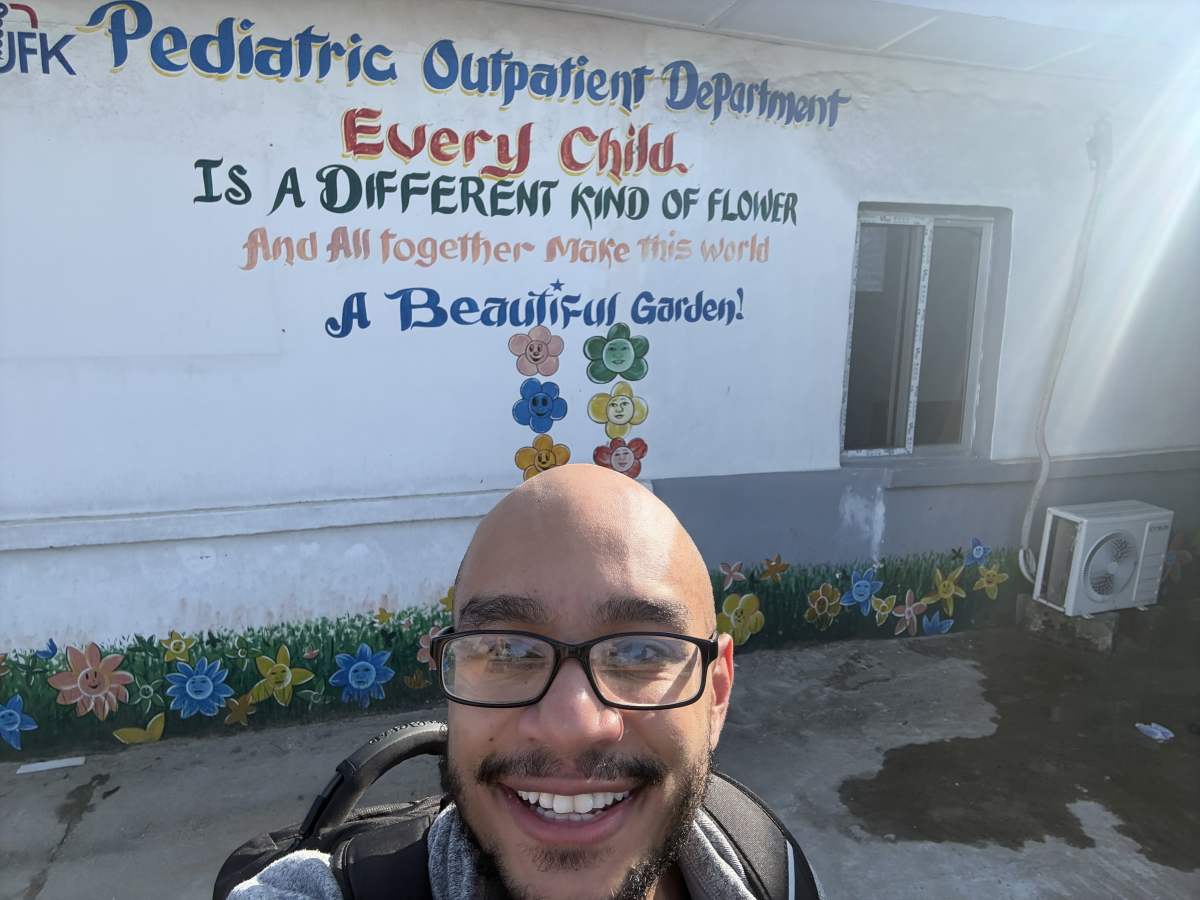
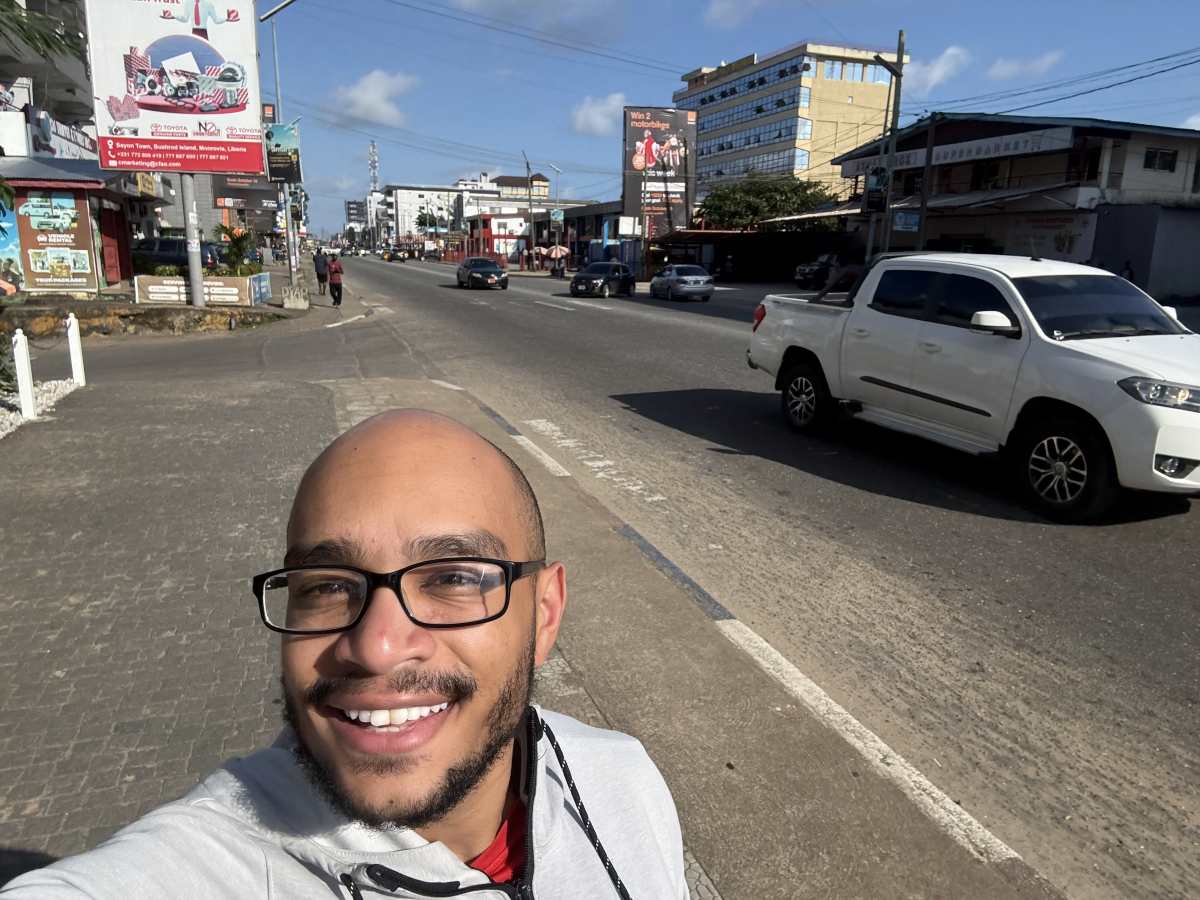
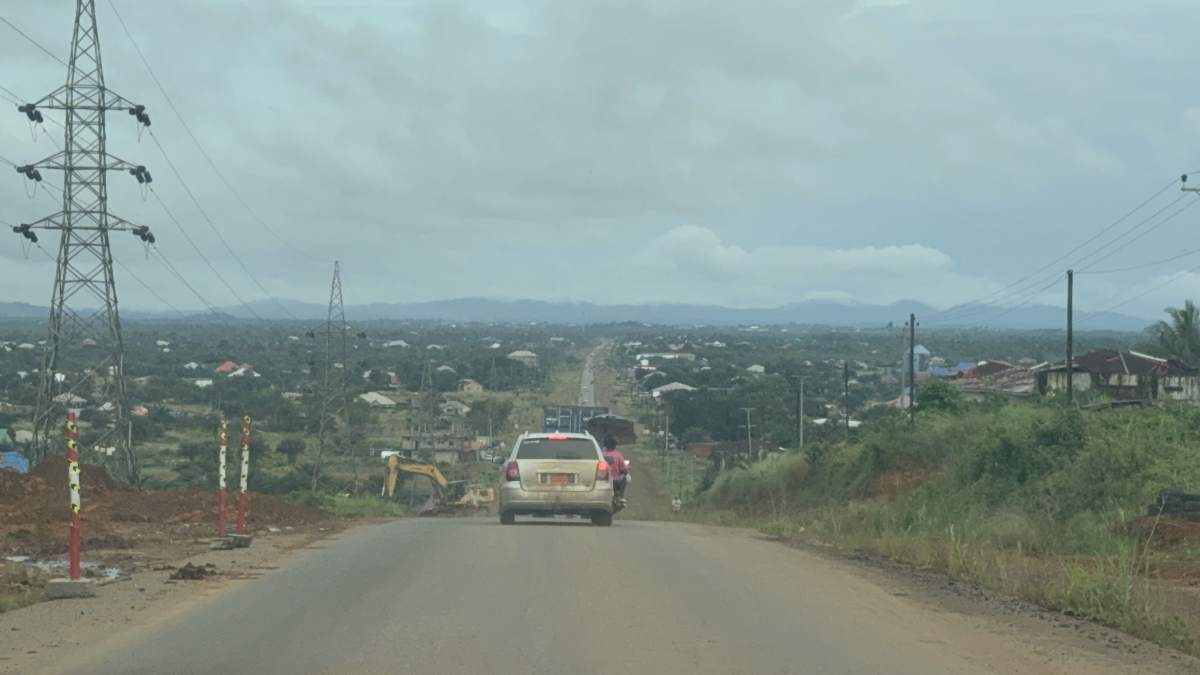
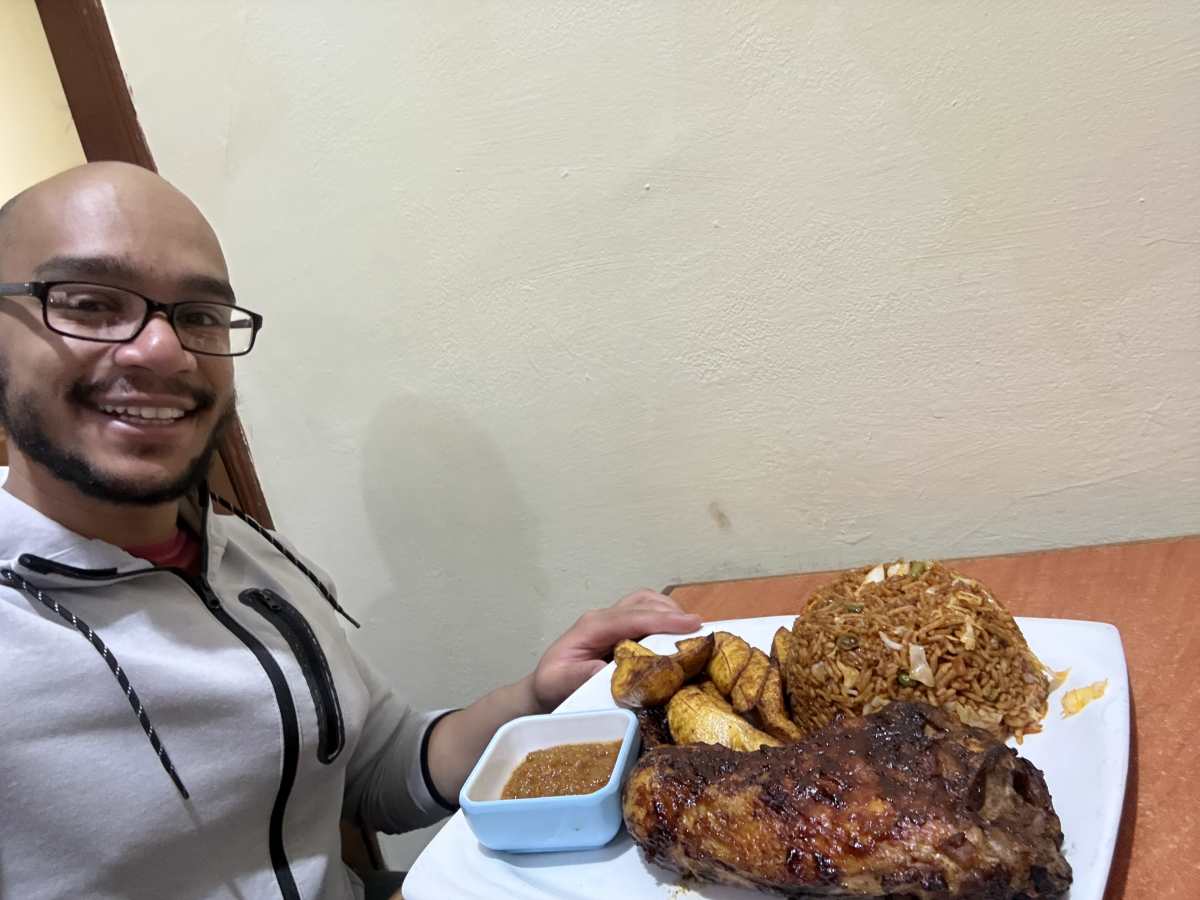


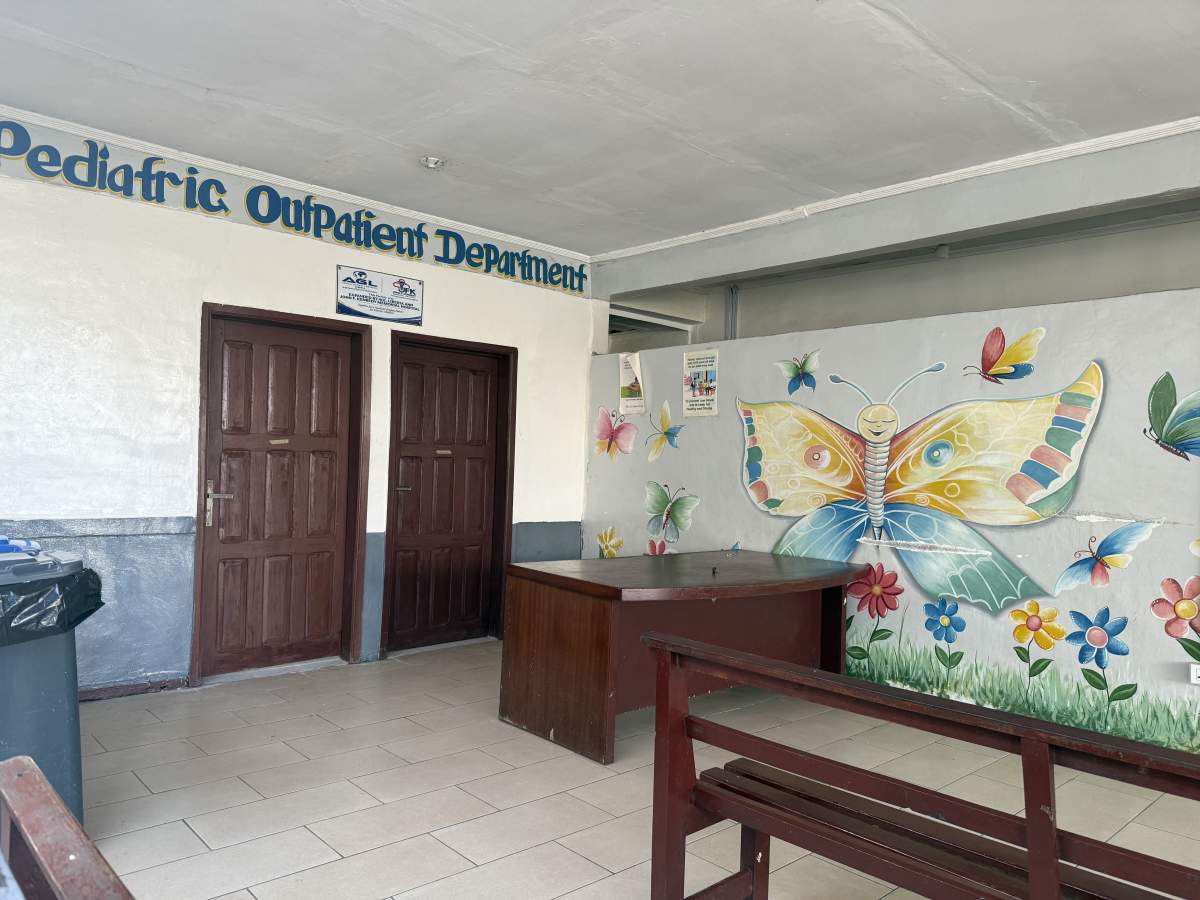
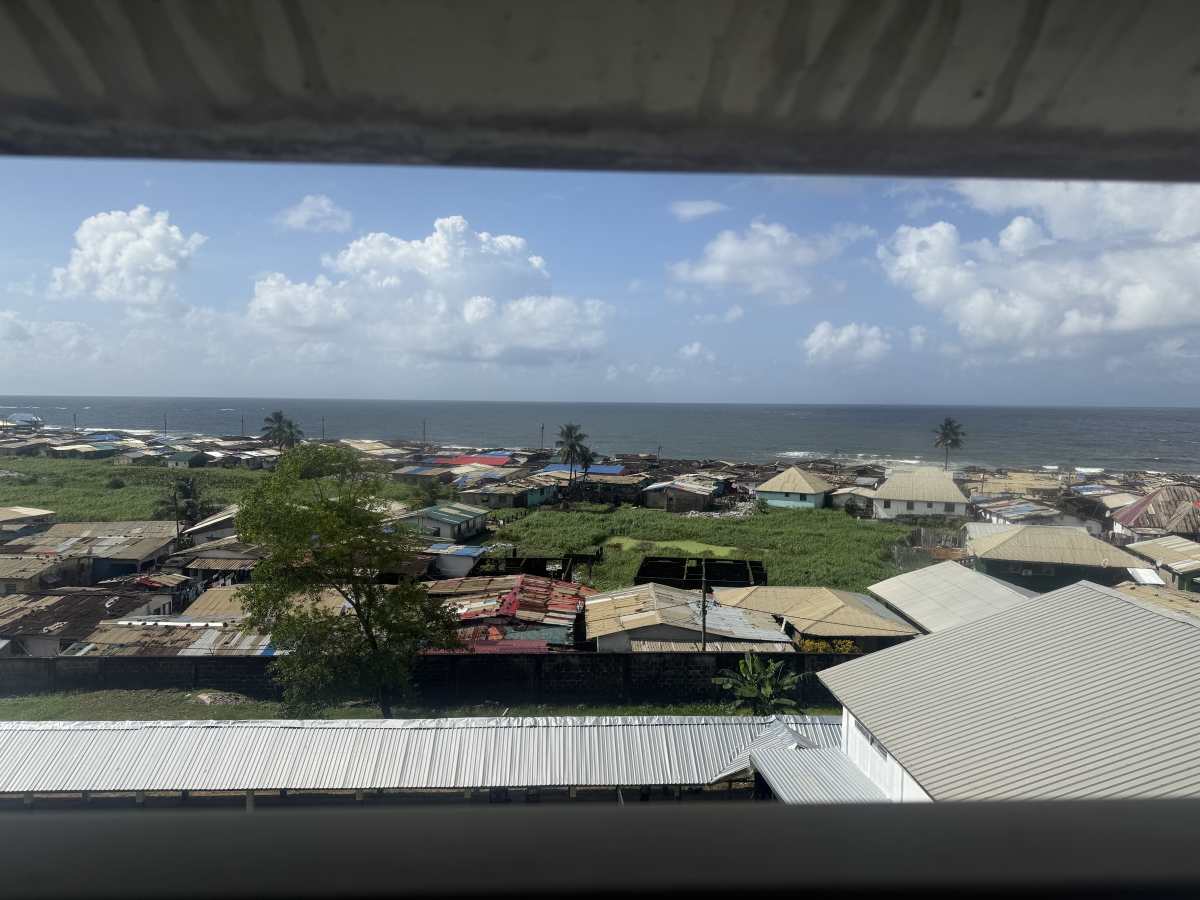
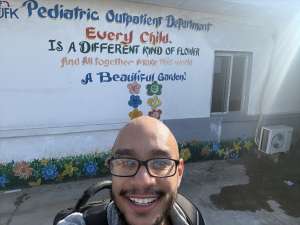

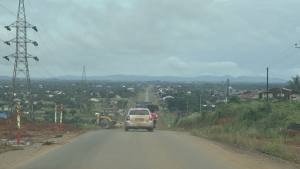
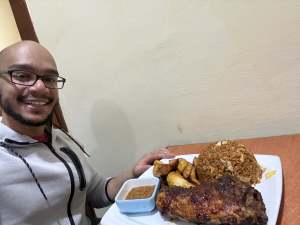

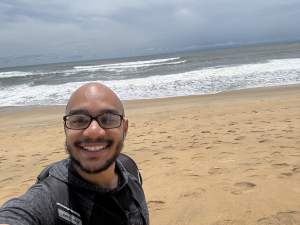
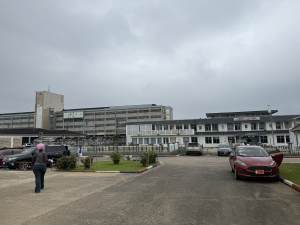
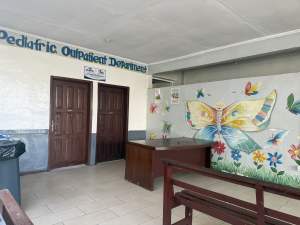
During my trip to the John F Kennedy Medical Center (JFKMC) in Liberia, I primarily worked as one of the admitting residents within the Pediatric Emergency Department, and briefly as a team member in the inborn (at JFKMC) NICU and the inpatient pediatric wards. In the ED, I evaluated and treated a wide variety of patients, ranging from home-born neonates I newly diagnosed with congenital heart disease, to young children with heart failure secondary to severe pneumonia, to adolescents with traumatic brain injuries. In the Wards, I continued management of infants undergoing endocrinologic workups for significant weight gain, young children with DKA in newly diagnosed DM, and adolescents with meningitis. In the NICU, I helped evaluate and treat patients with respiratory distress syndrome or respiratory failure secondary to tetanus. In each of these settings, I cooperated on multidisciplinary teams to help teach residents, nurses, medical students, and nursing and PA students from my experiences in residency thus far. I presented on a variety of common pediatric dermatologic conditions to the residents, and on risks and complications of premature deliveries to the medical students.
And yet, I am certain that the person who was most substantially impacted by my trip was myself. At JFKMC, I quickly had to confront the extent to which my medical training in a first-world country made me so inequitably privileged compared to those trainees in Liberia and elsewhere in many areas of the world. I am privileged in having electronic medical records to help document patient encounters or input orders, and thus I had to learn how to be more efficient with my time and patient care to write down coherent notes, and how to communicate more specifically and directly to interdisciplinary team members when my orders were otherwise limited to one page in a packet in a pile of files. I am privileged in the amount of medical literature resources available to me (e.g. UpToDate, OpenEvidence, LexiComp, etc.), and thus had to learn to be more deliberate in explaining my clinical decision-making to other team members when there were no algorithms or electronic data sets to which I could refer. I am privileged in the capacity for labs, imaging, and other diagnostic tests at my home institution, and thus had to learn to manage patients more confidently based on more thorough history-taking and physical examination. I am privileged in the amount of clinical staff (e.g. respiratory therapists, nurses, pharmacists, social workers, etc.) available to me at my home institutions, and thus had to learn how deficient I was in procedural skills (e.g. starting IV lines, placing NG tubes, performing lumbar punctures, taking blood cultures, starting patients on CPAP) that the local residents had to learn by necessity. And most of all, I am privileged in the amount of life-saving measures (from regular follow-up visits to AED's) that are easily available for me to use in critical cases. I had to learn that being able to rely on insurance to pay for medical tests after they occur is a dream for patients who have to pay upfront with the limited funds they have on-hand to facilitate medical care regardless of urgency. I had to learn more deeply that the ability to reliably follow-up with the healthcare system is a luxury, one that patients sometimes cannot afford, such as an adolescent who died with complications of severe heart failure despite having been diagnosed with congenital heart disease as a newborn, because his family was not able to internalize or act upon the need for follow up with a cardiologist. Most importantly, I had to come face-to-face with the inevitability of death at a level far closer than any encounter I have had in residency thus far. I coded a young four-year-old girl with heart failure secondary to pneumonia that was secondary to bacteremia, and it was incredibly sobering to place my name on a death certificate for the first time. And I bagged a neonate for four hours before they seized and died because they had no available mechanical ventilators, no IO kits to establish emergency access, and no ability to have labs drawn quickly and effectively.
All in all, my trip to Liberia was an unbelievably fruitful one, having taught me much about my current limits and knowledge gaps that I wouldn't have been able to uncover without the wonderful support of the local providers. To the attendings who bore with my endless questions on rounds, the interns and residents who took me under their wing to teach me about local diseases (e.g. malaria) and local foods (Kasava leaves), the medical students who would work so hard to be helpful for the team that they would ask every question under the sun to feel confident about their studies, and the nurses/nursing students/and RR students who worked right alongside me to take vitals, establish access, and assist me as "quasi-translators" for certain local dialects. They are clearly beyond passionate to join this career, and that speaks tremendously about their dedication to long hours, many patients, and many other complications of working in healthcare.

