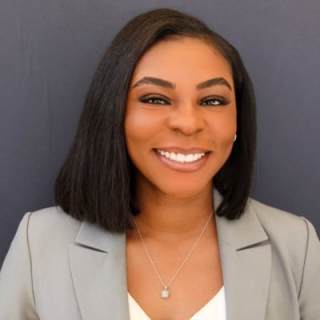
This project aims to strengthen dermatology care and education in the Galápagos Islands through collaboration with local dermatologists, dermatology residents, primary care physicians, and hospital administrators. During the trip, I will participate in clinical care, assess local needs, provide educational sessions, and help develop a formal dermatology rotation for trainees. The rotation will focus on building clinical and procedural dermatology skills while fostering collaboration between specialists and primary care providers.
Rather than providing short-term services alone, this initiative emphasizes sustainable capacity building. By working alongside local healthcare professionals, we hope to expand access to dermatologic care, strengthen medical education, and establish a foundation for ongoing collaboration and mentorship.
This project will benefit patients and healthcare providers throughout the Galápagos Islands. Residents of the Galápagos often face geographic barriers to accessing specialized medical care due to the islands' remote location and limited availability of sub-specialists. Dermatologic conditions can significantly affect quality of life, yet access to dermatology services may be inconsistent or require travel that is costly and time-consuming.
The primary beneficiaries will be patients seeking dermatologic evaluation and treatment, particularly those who may otherwise have limited access to specialty care. Improved local dermatology services can facilitate earlier diagnosis and management of common skin diseases, inflammatory conditions, skin infections, pigmentary disorders, and skin cancers.
The project will also benefit local healthcare professionals, including dermatologists, dermatology residents, primary care physicians, and other clinical staff. By fostering collaboration and providing educational opportunities, the initiative seeks to strengthen local expertise and improve the capacity of healthcare providers to diagnose and manage dermatologic conditions. A formal dermatology rotation will further support trainee education and help create a sustainable framework for future learning.
This population was selected because strengthening healthcare capacity in geographically isolated regions can have a lasting impact that extends beyond individual patient encounters. Investing in education, training, and collaboration helps improve healthcare delivery for entire communities while promoting equitable access to specialty care.
The expected impact of this project is the development of a sustainable foundation for dermatology education and clinical care in the Galápagos Islands. In the short term, collaboration with local providers will enhance clinical knowledge sharing, improve access to dermatologic expertise, and identify opportunities to strengthen existing services. The creation of a formal dermatology rotation will establish a structured educational experience that can support ongoing trainee development and foster future academic partnerships.
A key goal is to create lasting systems that continue to benefit patients and providers after the trip concludes. Through collaboration with local dermatologists, residents, administrators, and primary care physicians, we hope to develop educational resources, clinical workflows, and training opportunities that can be maintained and expanded locally. Strengthening local capacity will allow knowledge and skills to remain within the community and continue to benefit future patients.
As a resident interested in global health and dermatologic care in underserved populations, this experience will enhance my understanding of delivering specialty care in resource-limited settings and building collaborative educational programs. The relationships established during this trip will provide opportunities for continued mentorship, future exchanges, and ongoing collaboration, helping ensure that the impact extends well beyond the duration of the visit.


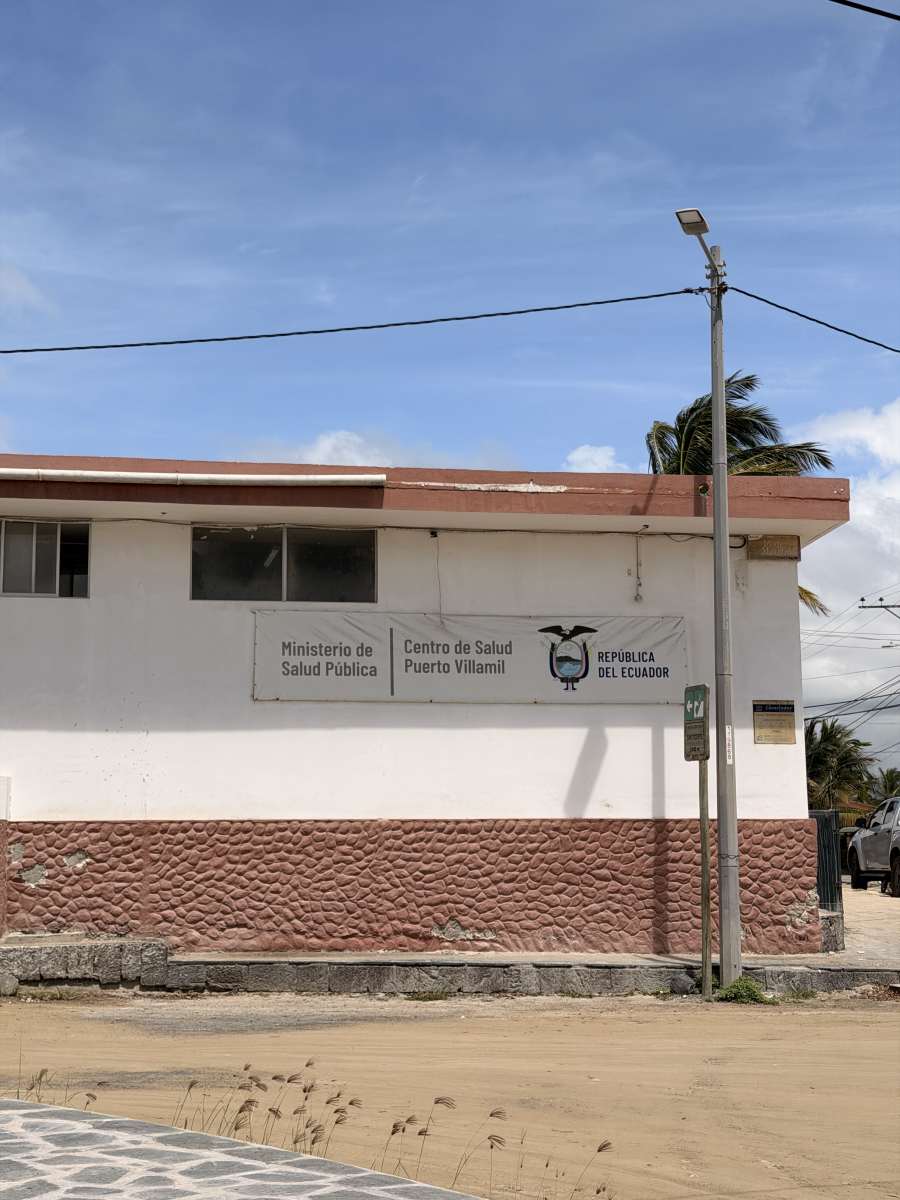
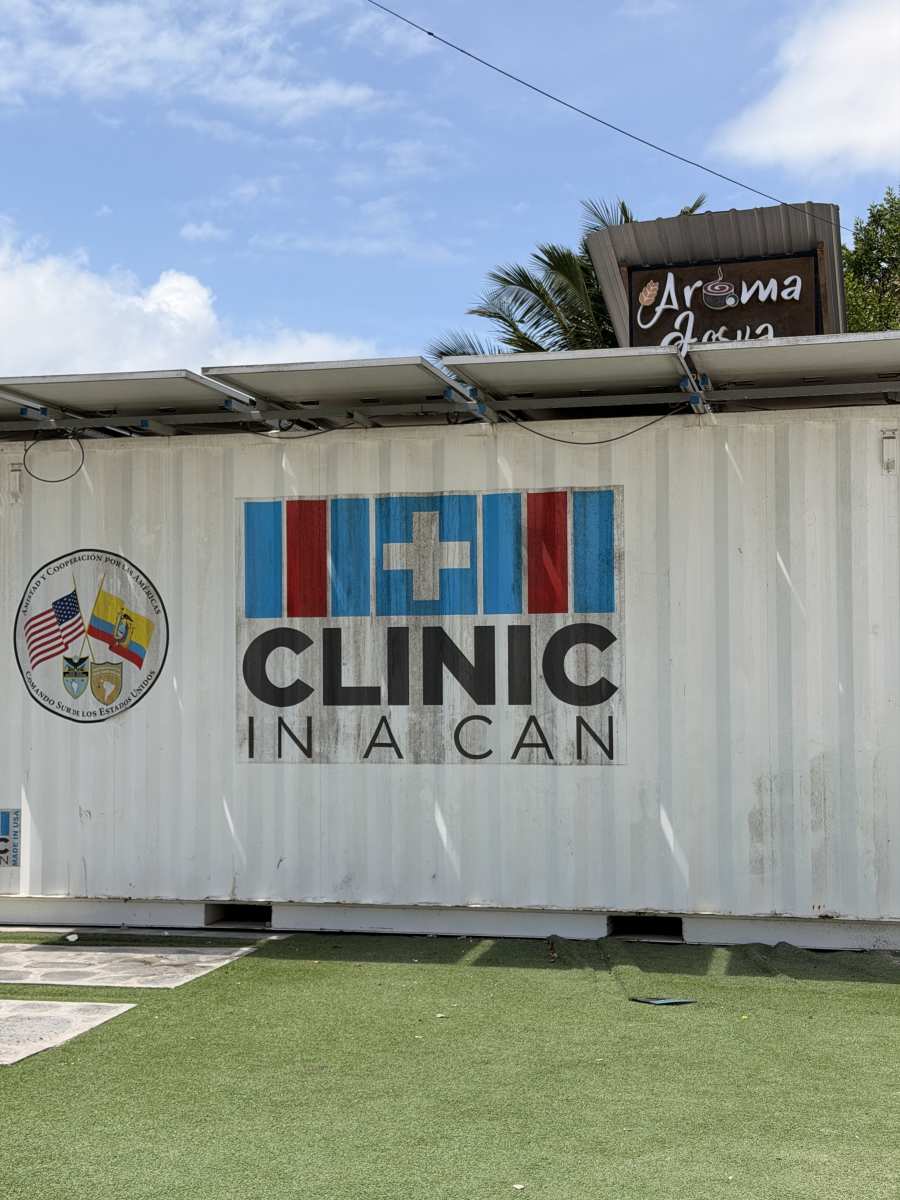


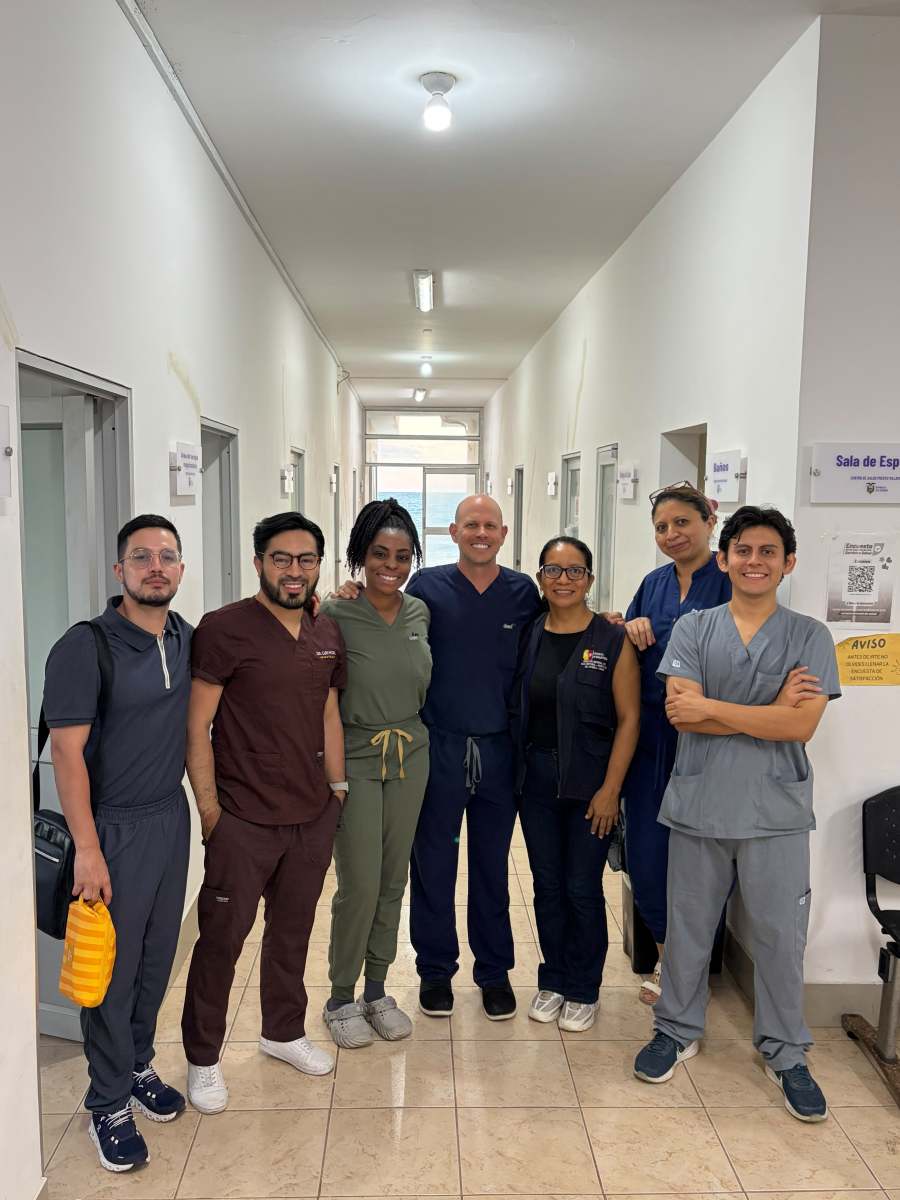


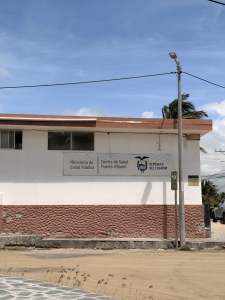
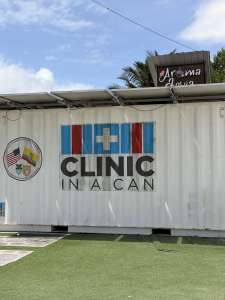


This trip brought dermatologic care to patients across San Cristóbal, Isabela, and Santa Cruz Islands in the Galápagos. I helped provide comprehensive dermatologic evaluations while training local primary care physicians to improve the recognition and management of common and complex skin conditions. Patients benefited from timely diagnosis and treatment of conditions including atopic dermatitis, psoriasis, verruca vulgaris, melasma, and lower-extremity ulcers, among others. Procedures were also performed, including skin biopsies and a wedge excision of a lower-lip squamous cell carcinoma with clear margins confirmed on final pathology.
To support continuity of care, pathology specimens were transported to Universidad Católica de Guayaquil, Ecuador, for dermatopathologic evaluation. Final diagnoses included melanoma in situ, basal cell carcinoma, squamous cell carcinoma, pilomatricoma, and pyoderma gangrenosum. A referral pathway was also established for patients requiring higher-complexity care or procedures at the main hospital on San Cristóbal Island.
This trip represents the beginning of a long-term effort to establish sustainable dermatologic care in the Galápagos through a partnership between the University of Miami and Universidad Católica de Guayaquil. The goal is to build an integrated model combining clinical care, physician education, dermatopathology access, referral pathways, and ongoing training to improve dermatologic care for patients across the islands.

