This project aims to strengthen perioperative care in Maputo, Mozambique through capacity building by providing hands-on education in regional anesthesia for local anesthesiology residents. Working alongside faculty and trainees at a teaching hospital, I will deliver a curriculum that combines didactic lectures, US guided regional anesthesia workshops, and bedside teaching in the operating room, as well as mentorship focused on integrating regional anesthesia safely into routine clinical practice.
Regional anesthesia is a valuable tool for improving perioperative pain control, reducing opiate requirements, facilitating early recovery, and expanding anesthetic options in resource limited settings. However, opportunities for formal training in advanced regional anesthesia techniques remain limited in many low-resource countries. Rather than providing short term clinical service alone, this project emphasizes sustainable capacity building by equipping local physicians with practical skills that they can continue to teach and implement long after the visit concludes.
The primary beneficiaries are anesthesiology residents training in Maputo, Mozambique, who represent the next generation of anesthesia providers in the country. Faculty anesthesiologists will also participate in educational sessions, helping reinforce institutional expertise and support continue instruction after the training period. My institution, UC San Diego, has long standing ties to this community and continues to return on a regular basis to strengthen this relationship and improve the impact of our work. We perform an annual needs assessment to better direct our teaching and provide an education plan that is specifically tailored to the current needs of the community.
The ultimate beneficiaries are the patients cared for by these clinicians. As regional anesthesia skills become more widely adopted, surgical patients will have greater access to effective pain management, improved perioperative care, and safer anesthetic options.
The expected impact extends well beyond the duration of the trip. By focusing on education and mentorship, this project seeks to create a multiplier effect in which trained residents become future educators for subsequent classes of trainees. Establishing competency in US guided regional anesthesia can improve patient outcomes, increase provider confidence, and expand the range of anesthetic techniques available within the institution.
In addition to teaching procedural skills, I hope to foster lasting professional relationships that encourage continued collaboration, remote mentorship, and future educational exchanges. Through sustainable capacity building, this project aims to contribute to long-term anesthesia education and perioperative care in Mozambique while providing an opportunity for mutual learning and cross cultural collaboration. After attending regular global health training sessions at my home university, as well as “Global Health 101,” a small group learning session at the 51st annual meeting of the American Society of Regional Anesthesia and Pain Medicine, I feel well equipped to begin my professional involvement in the world of global health with this worthwhile project.

Dear Doximity Foundation,
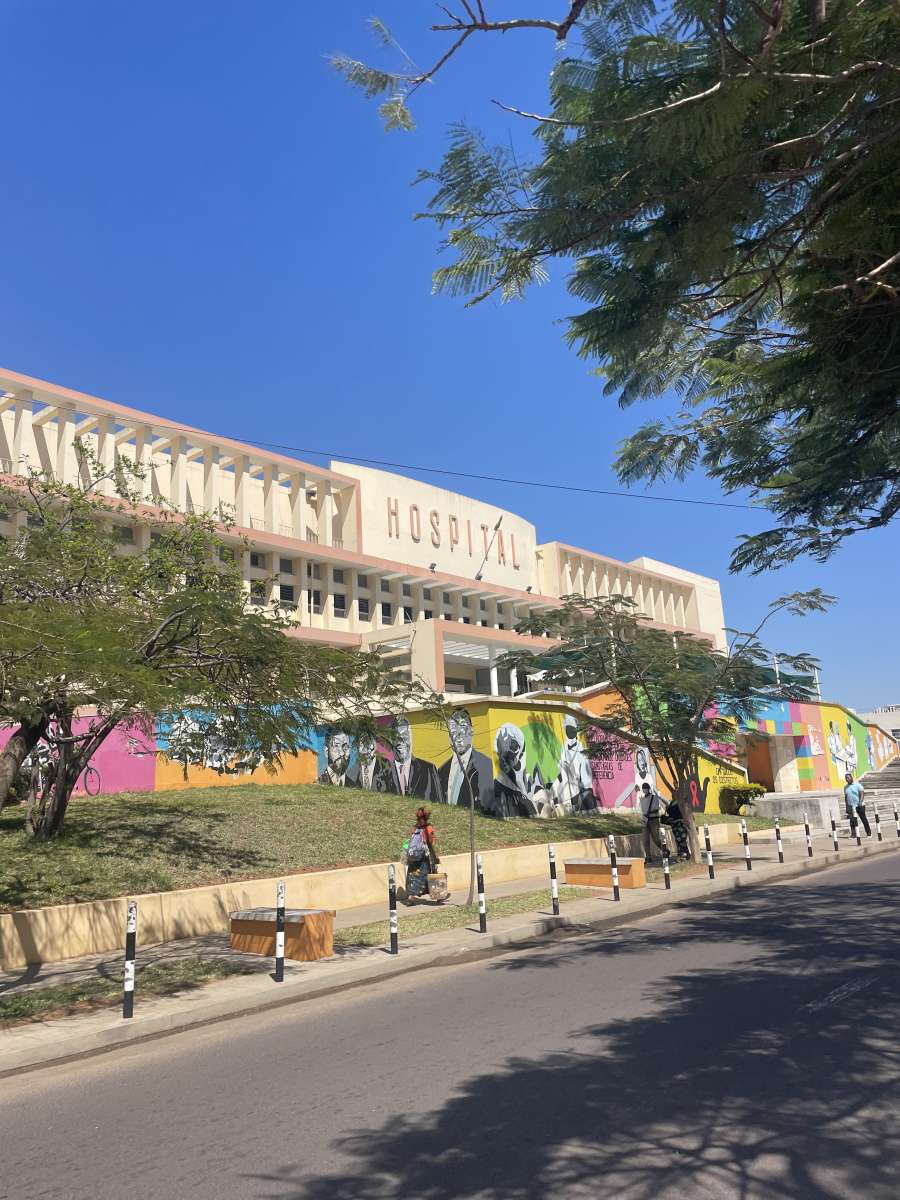
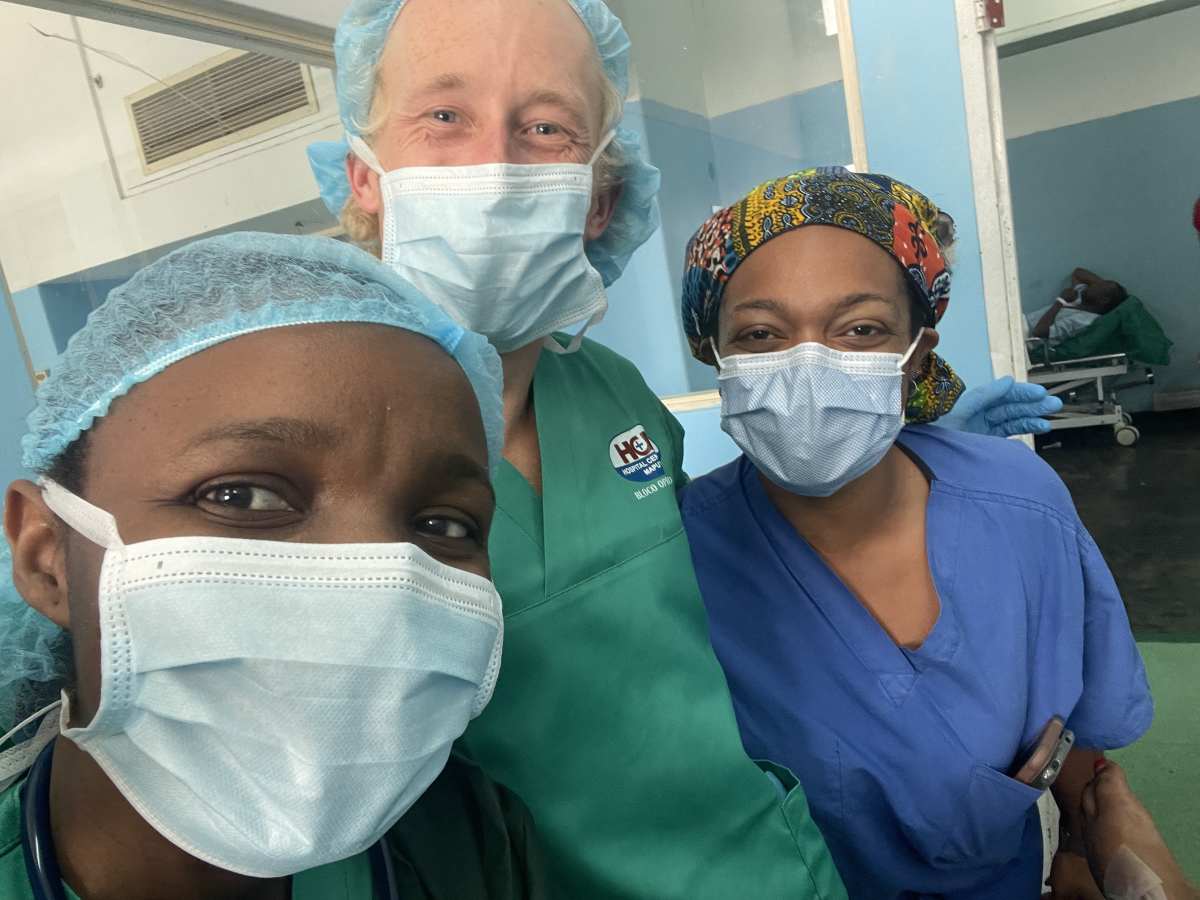
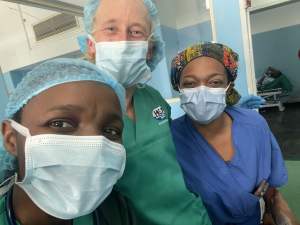
I am writing to express my sincere gratitude for your generous support of my global health trip to Mozambique. Your contribution made this educational experience possible and allowed me to collaborate with local anesthesiology residents to strengthen clinical training, expand procedural skills, and support the development of sustainable medical education resources.
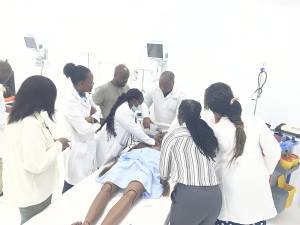
During my time in Mozambique, I had the privilege of teaching obstetric advanced cardiac life support (ACLS) using the residents’ new simulation center. This training focused on preparing residents to recognize and respond to life-threatening obstetric emergencies, including maternal cardiac arrest. In settings where timely recognition, coordinated resuscitation, and access to specialized resources can be especially challenging, simulation-based education offers a valuable opportunity to practice critical skills in a structured environment before encountering these emergencies in clinical practice. By helping residents use their new simulation center for obstetric emergency training, I hoped to contribute to a foundation for continued education, improved team preparedness, and safer maternal care.
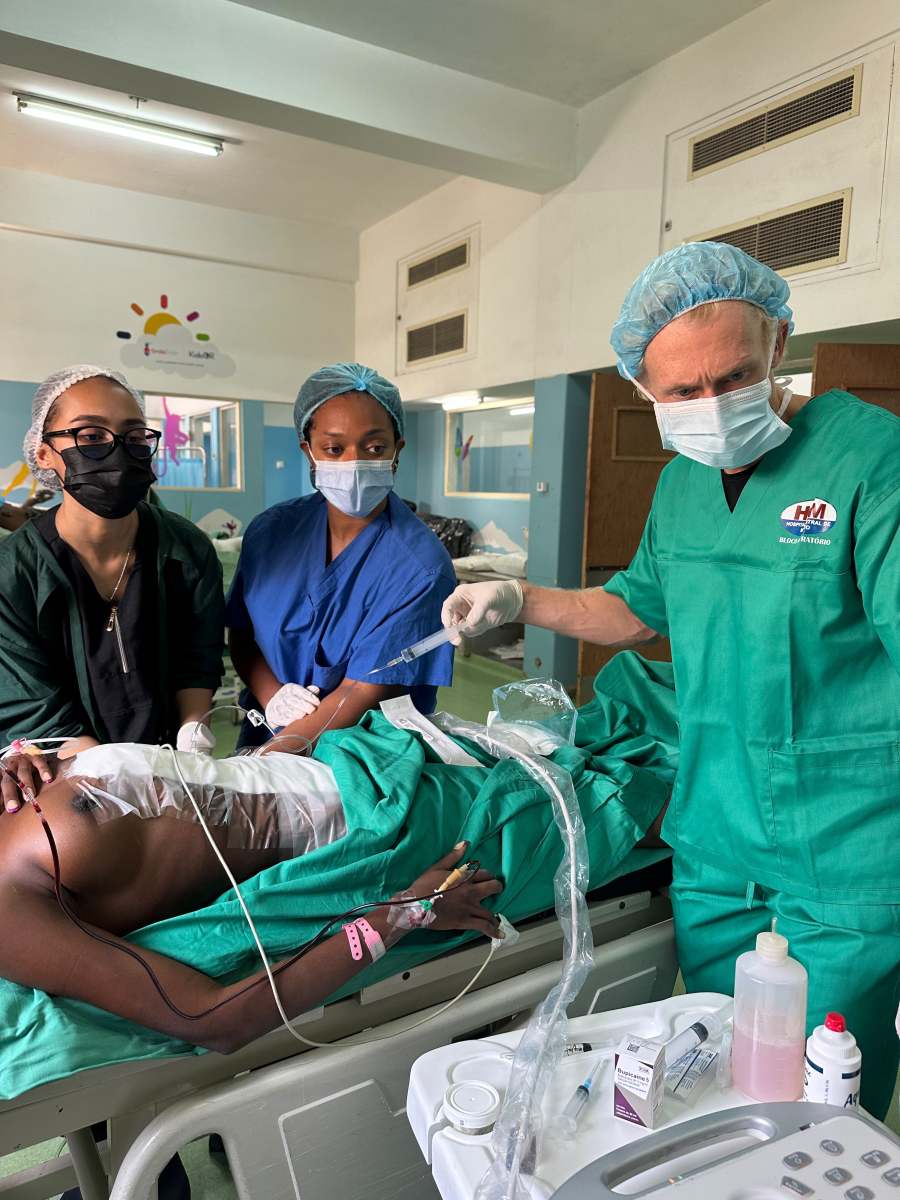
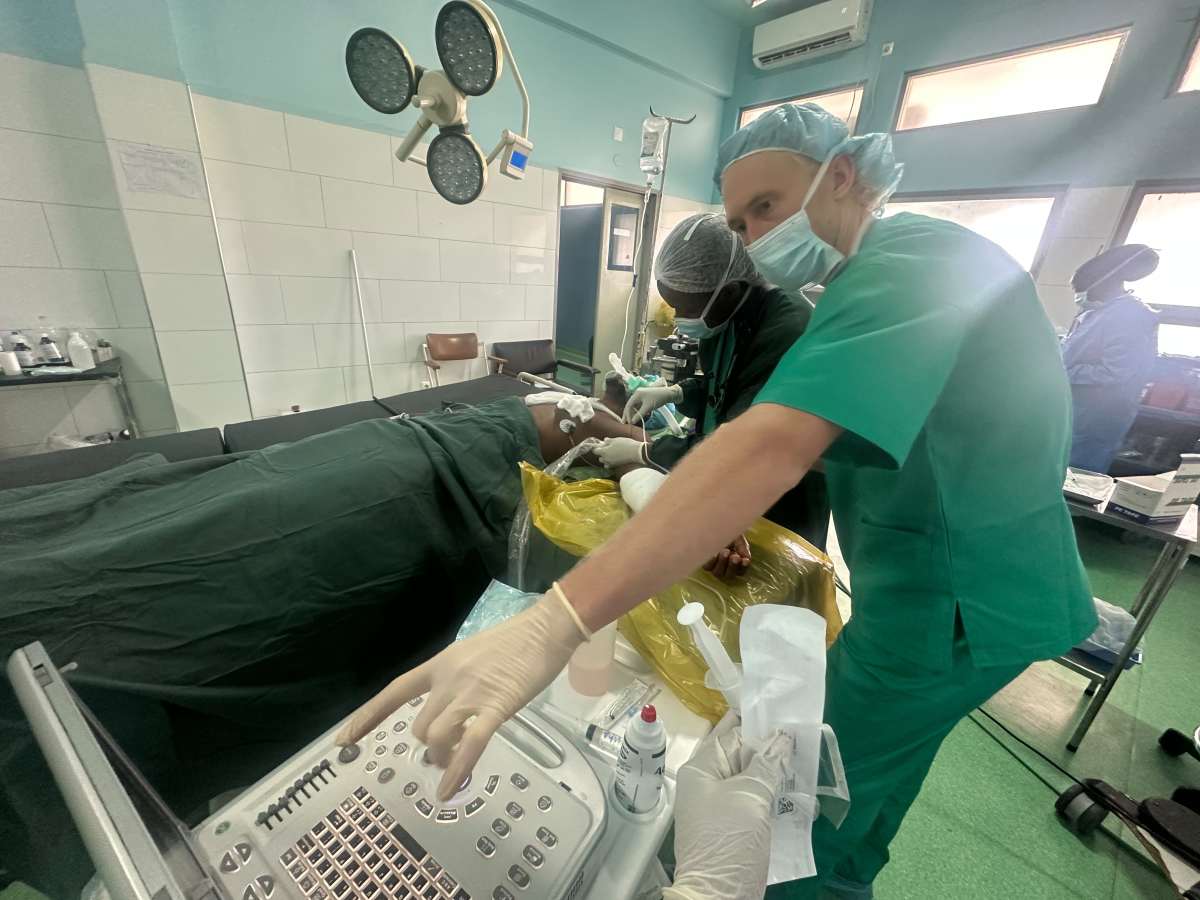
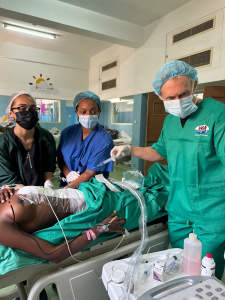
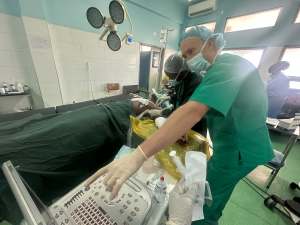
I also had the opportunity to teach ultrasound-guided upper-extremity nerve blocks, providing residents with practical instruction in regional anesthesia techniques. These skills can broaden the range of anesthetic options available to patients, improve perioperative pain management, and potentially reduce reliance on systemic analgesics when clinically appropriate. Developing proficiency in ultrasound-guided regional anesthesia can be particularly valuable in resource-conscious settings, where expanding the skills of local providers can help improve the delivery of safe, effective, and individualized care.
What made this experience especially meaningful was the opportunity to work directly with residents and contribute to educational resources that can continue to benefit their institution after my visit. The new simulation center represents an important platform for ongoing hands-on learning, allowing residents to rehearse high-stakes clinical scenarios, build confidence, and strengthen their ability to work as a team. I hope that the techniques and teaching approaches shared during this trip will be incorporated into future training sessions and passed on to subsequent generations of clinicians.
This experience also reinforced that global health partnerships are most impactful when they prioritize collaboration, local expertise, and sustainable knowledge exchange. My time in Mozambique was not simply an opportunity to teach; it was an opportunity to learn from colleagues who are deeply committed to caring for their patients and advancing medical education despite the challenges they may face. I left with a greater appreciation for the importance of strengthening local training capacity and for the role that collaborative education can play in supporting better health care.
Thank you for investing in trainees who are committed to advancing medical education and improving patient care across borders. Your support enabled me to contribute to maternal emergency preparedness and regional anesthesia education in Mozambique, while furthering my own development as an anesthesiologist, educator, and global health advocate. I am sincerely grateful for your investment in this experience and hope to continue building on the relationships and lessons gained through this opportunity.
With sincere appreciation,
Matt Daly
Anesthesiology Resident
University of California, San Diego

