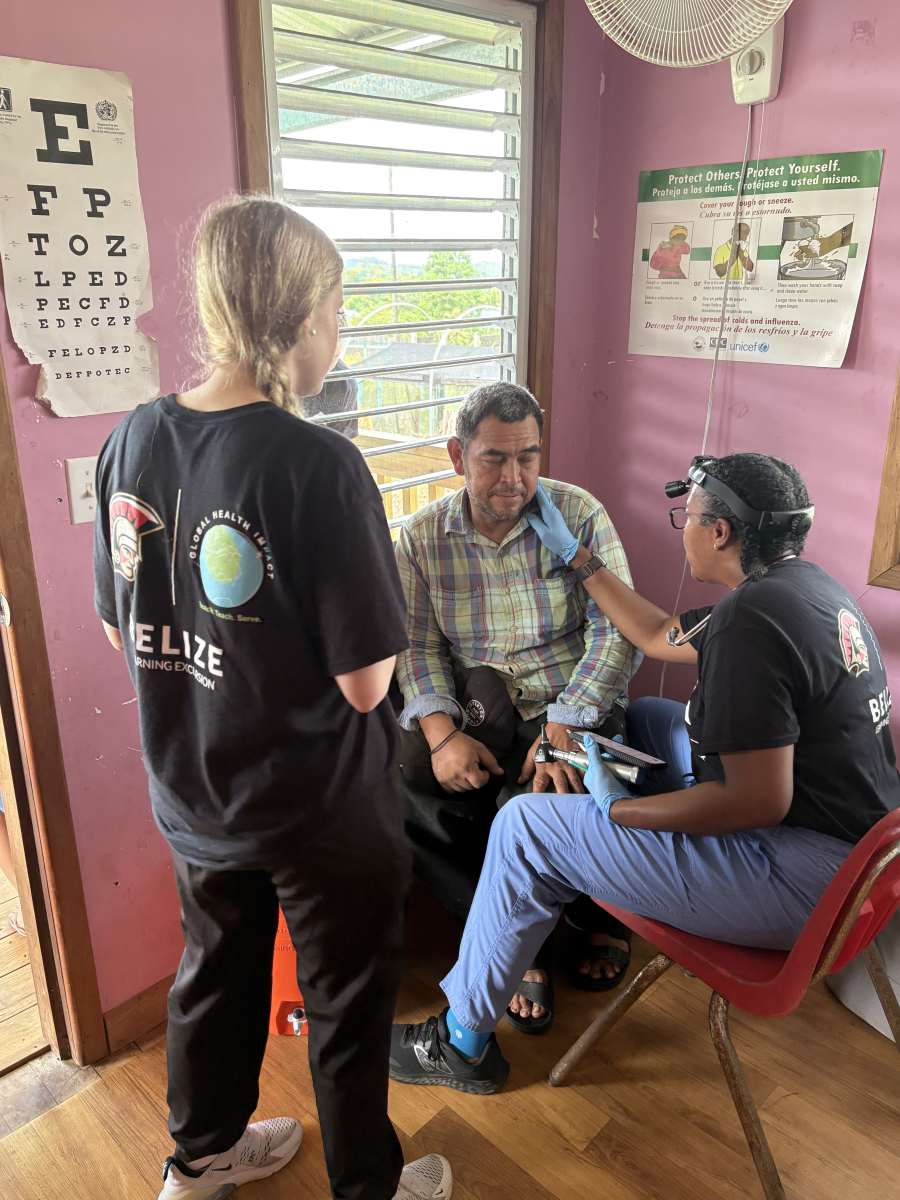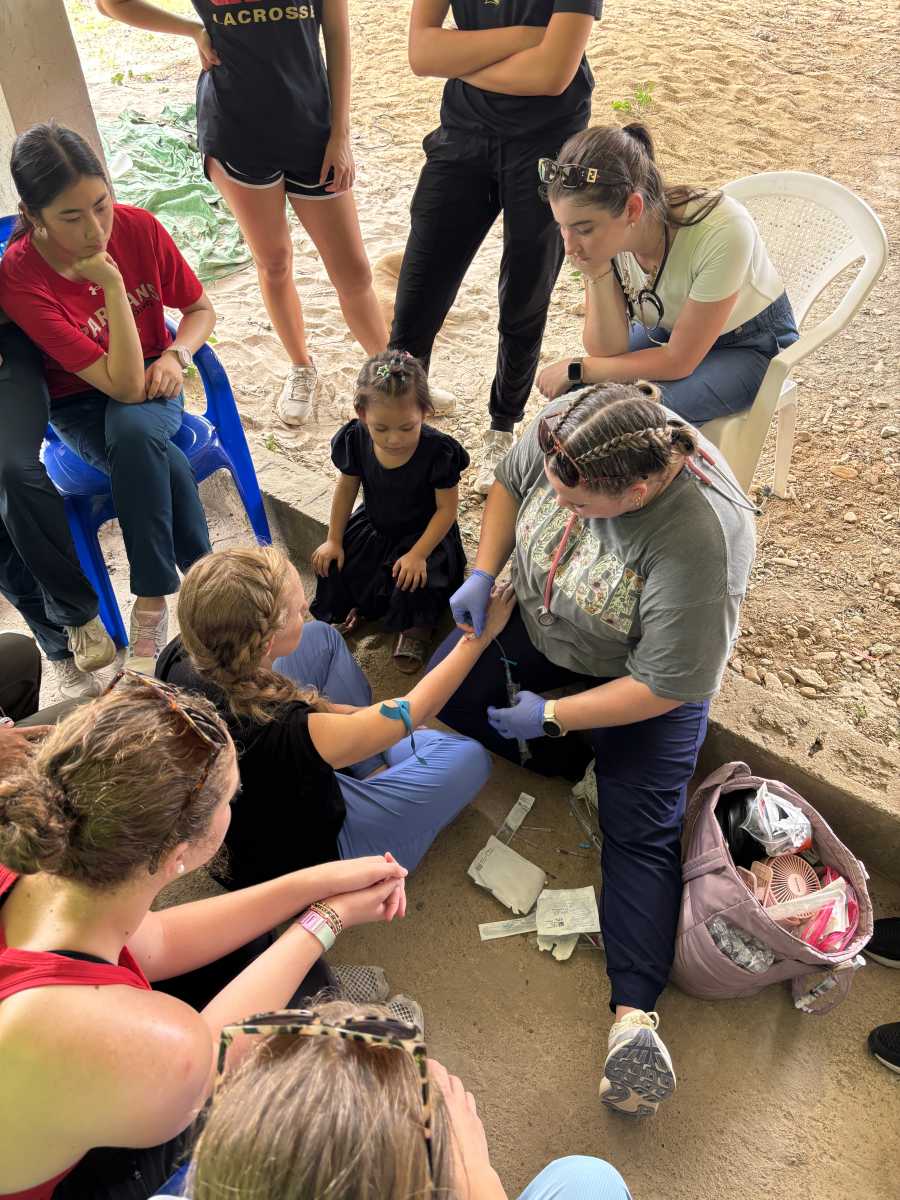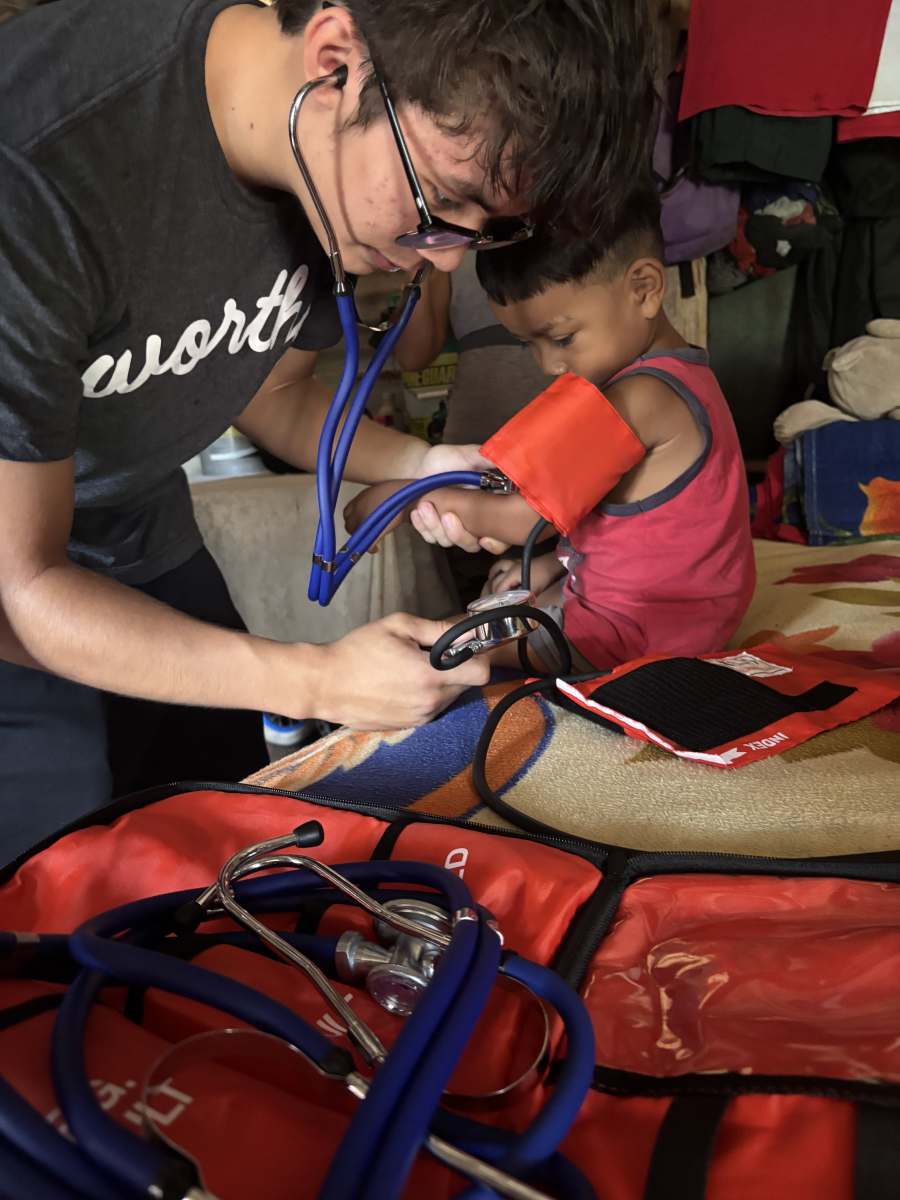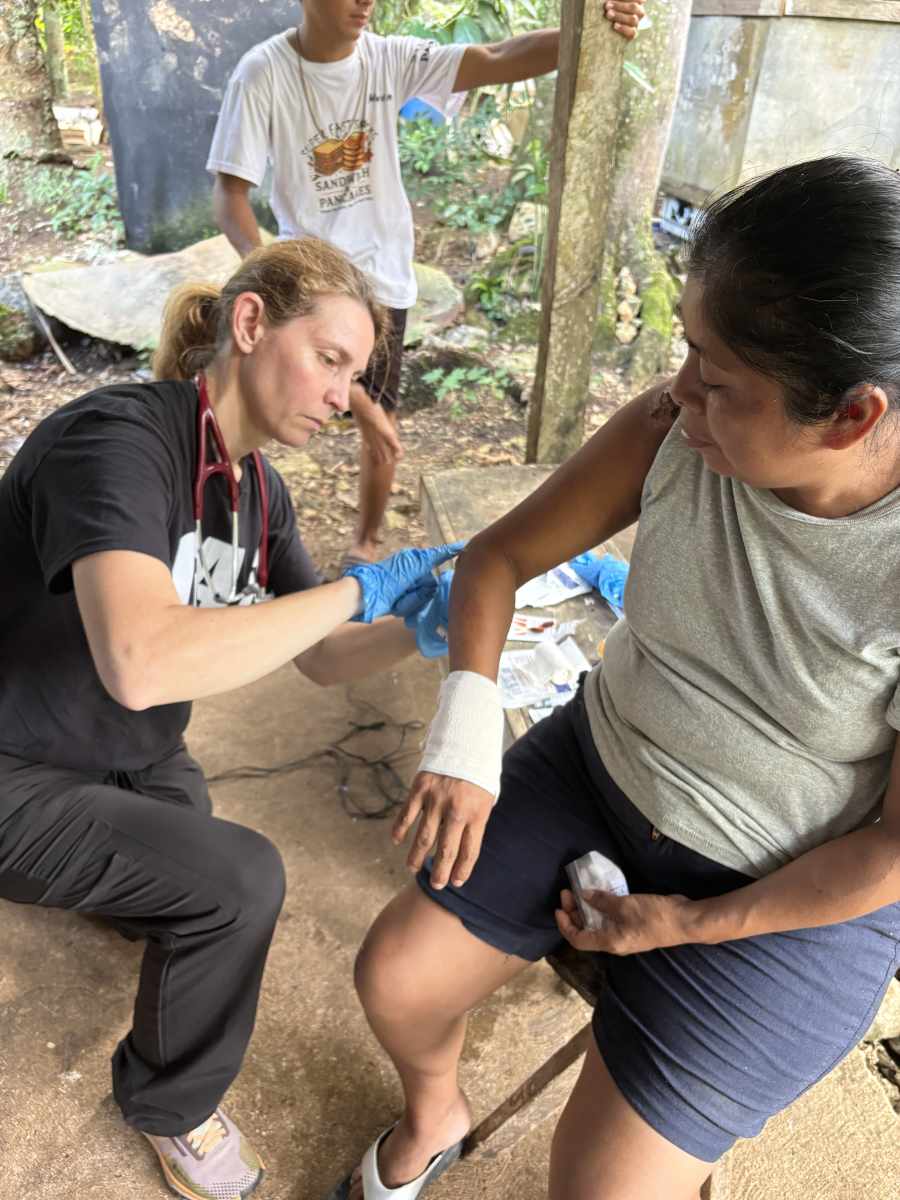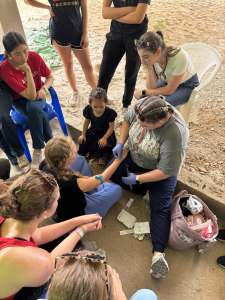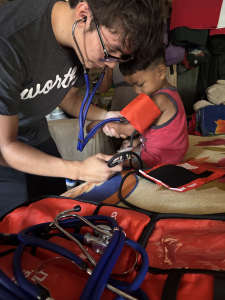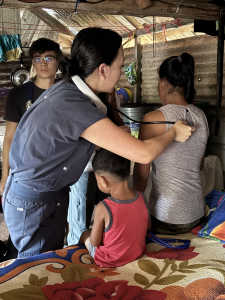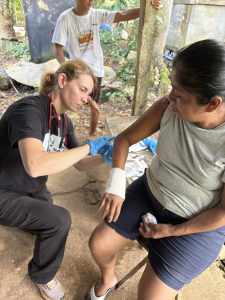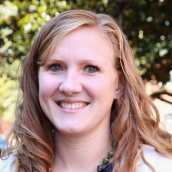
I will serve as the lead clinician and trip leader for the Global Health Impact (GHI) GAC Belize Clinical & Mentorship Trip, taking place September 20–25, 2026. This interprofessional global health experience combines direct patient care, health education, and mentorship while partnering with Belizean communities to provide ethical, culturally responsive healthcare.
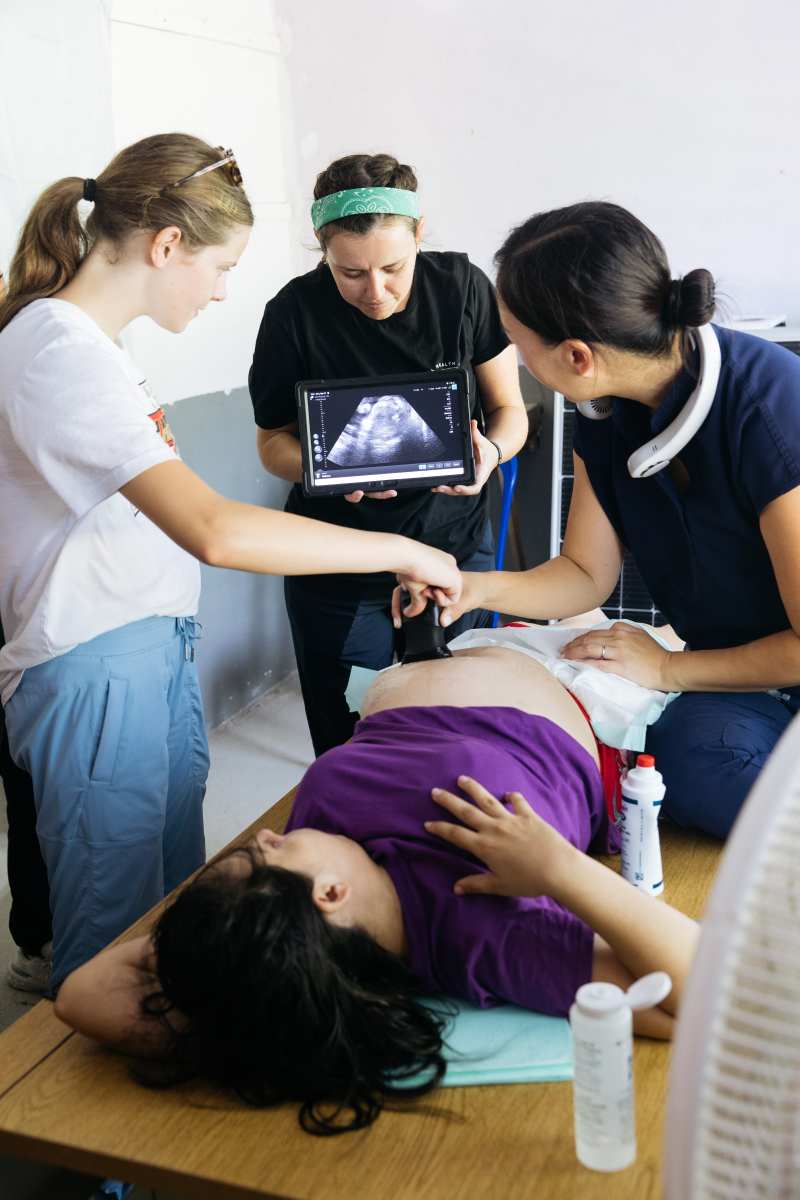
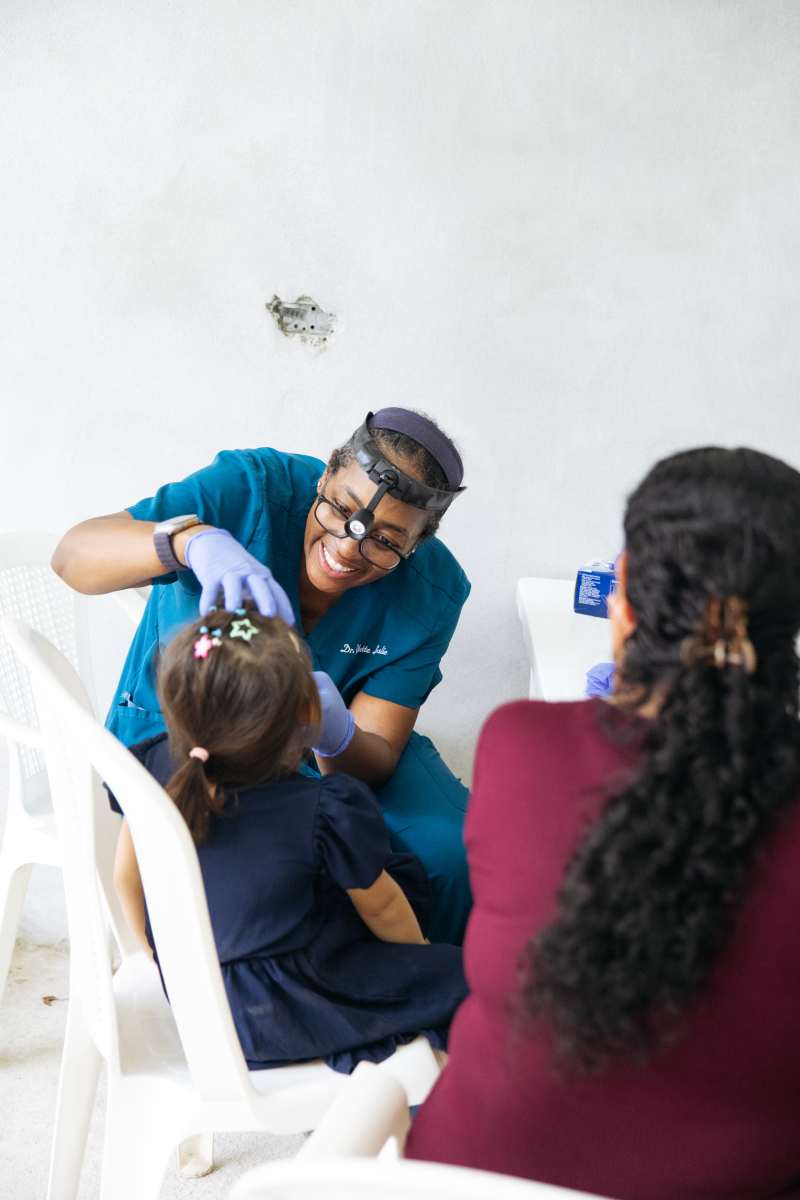
I have assembled an interdisciplinary team of physicians, physician assistants, nurse practitioners, nurses, pharmacists, dentists, public health professionals, and other licensed providers to deliver care in rural communities with limited access to healthcare. Together, we will provide primary care, health screenings, patient education, and preventive services in collaboration with local partners to ensure our efforts support existing community resources and priorities.
In addition to patient care, this project emphasizes mentorship by pairing high school students with healthcare professionals throughout the week. Students will observe clinical care, participate in educational discussions, and learn about a variety of healthcare careers while witnessing the value of teamwork, leadership, and compassionate service.
As trip leader, I will oversee clinical operations, coordinate logistics, mentor volunteers, and foster collaboration among participants and local partners. My goal is to create an organized, educational, and sustainable experience that benefits everyone involved while strengthening long-term partnerships with the communities we serve.
This project will improve access to healthcare for underserved populations, inspire future healthcare professionals, and demonstrate an ethical model of global health built on collaboration rather than short-term service. By combining clinical care, education, and partnership, this experience creates meaningful benefits that extend well beyond a single week in Belize.
This project is designed to benefit three interconnected populations whose participation creates lasting impact.
Rural Communities in Belize: The primary beneficiaries are individuals and families living in underserved rural communities with limited access to healthcare because of financial barriers, geographic isolation, and provider shortages. Some patients have never been evaluated by a healthcare professional. Through primary care, preventive screenings, and health education, our team will help address immediate health concerns while supporting local healthcare efforts through respectful collaboration.
High School Students: Students interested in healthcare careers will shadow clinicians throughout the week, gaining firsthand exposure to medicine and interprofessional practice. They will interact with providers from multiple disciplines, ask questions, and participate in daily mentoring sessions designed to broaden their understanding of healthcare careers. This early exposure helps build confidence, encourages future educational pursuits, and inspires service-oriented leadership.
Healthcare Professionals: Participating clinicians also benefit through professional growth. Practicing in a resource-limited setting challenges providers to think creatively, communicate effectively across cultures, and better understand how social, economic, and environmental factors influence health. These experiences strengthen cultural humility, teamwork, and adaptability—skills that improve patient care long after returning home.
By serving these three groups simultaneously, the project creates benefits that extend beyond direct patient care. It improves healthcare access, strengthens the future healthcare workforce, and equips clinicians with perspectives that enhance the quality and compassion of the care they provide in their own communities.
The greatest impact of this project will be its lasting influence on participants and the communities they continue to serve long after the trip concludes. While the clinical care provided during the trip addresses immediate health needs, our partnerships with local organizations and community leaders strengthen ongoing efforts to improve access to healthcare. Global Health Impact is committed to building long-term, sustainable relationships that support community priorities, promote local capacity, and encourage mutual learning rather than short-term mission work.
High school students will gain a transformative educational experience through direct mentorship and clinical shadowing, helping them explore healthcare careers while developing a heart for service. Participating healthcare professionals, including myself, will return with a deeper understanding of the social determinants of health, cultural humility, and the challenges of delivering care in resource-limited settings. These experiences strengthen empathy, adaptability, and communication skills, enabling providers to deliver more equitable, patient-centered care in their own communities.
As trip leader, I will apply these lessons to strengthen future Global Health Impact programs by refining volunteer orientation, enhancing cultural competency training, mentoring future trip leaders, and sharing best practices with colleagues.
Success will not be measured solely by the number of patients seen during one week, but by the lasting outcomes of the experience: stronger international partnerships, future healthcare professionals inspired to serve, and clinicians who return home better equipped to provide compassionate, culturally responsive care. These enduring effects will benefit communities in both Belize and the USA for years to come.