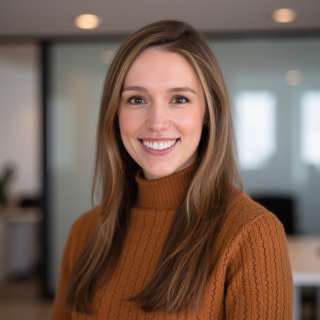
As a plastic surgery resident, I will participate in an Austin Smiles surgical mission trip to El Salvador, working alongside one of my mentors in training to provide comprehensive care for children with cleft lip, cleft palate, and other craniofacial deformities. Many of these children have limited or no access to specialized reconstructive care, and without treatment they often face lifelong challenges with feeding, speech, dental development, and social integration.
I will have the privilege of assisting in the pre-op evaluation, surgical treatment, and postoperative care of patients undergoing reconstructive procedures. This experience will, therefore, strengthen my training as a future reconstructive microsurgeon in caring for patients with complex congenital and acquired defects.
This mission will have an immediate and lasting impact on both the patients and the communities we serve. For each child, reconstructive surgery can restore function, improve speech and nutrition, reduce social stigma, and improve quality of life.
The primary beneficiaries of this project are the children in El Salvador with congenital and acquired craniofacial defects who have limited or no access to specialized reconstructive surgical care. Without timely intervention, these children are at increased risk for feeding difficulties, impaired speech and hearing, recurrent infections, poor dental development, and social stigma.
This population was chosen because cleft and craniofacial conditions are highly treatable, yet access to multidisciplinary care remains limited in many low resource settings. A single operation can profoundly improve both function and quality of life in these children.
The project also benefits the patients' families by reducing the long-term physical, emotional, and financial burden associated with these untreated craniofacial conditions.
The immediate impact of this project will be the delivery of safe, high quality reconstructive surgical care to patients with cleft lip, cleft palate, and other craniofacial conditions who might otherwise go untreated. These procedures have the potential to improve feeding, speech development, hearing, facial function, and psychosocial well-being, creating lifelong benefits for both patients and their families.
This experience will also have a lasting impact on my development as a reconstructive plastic surgeon. Working alongside my mentor in a resource limited environment will strengthen my operative judgment, efficiency, adaptability, and ability to provide patient centered care with thoughtful use of available resources.
In addition to participating in surgery, I will also work closely with the multidisciplinary team in El Salvador to educate families on postoperative care and help ensure there is continuity of care through Austin Smiles' local partnerships.

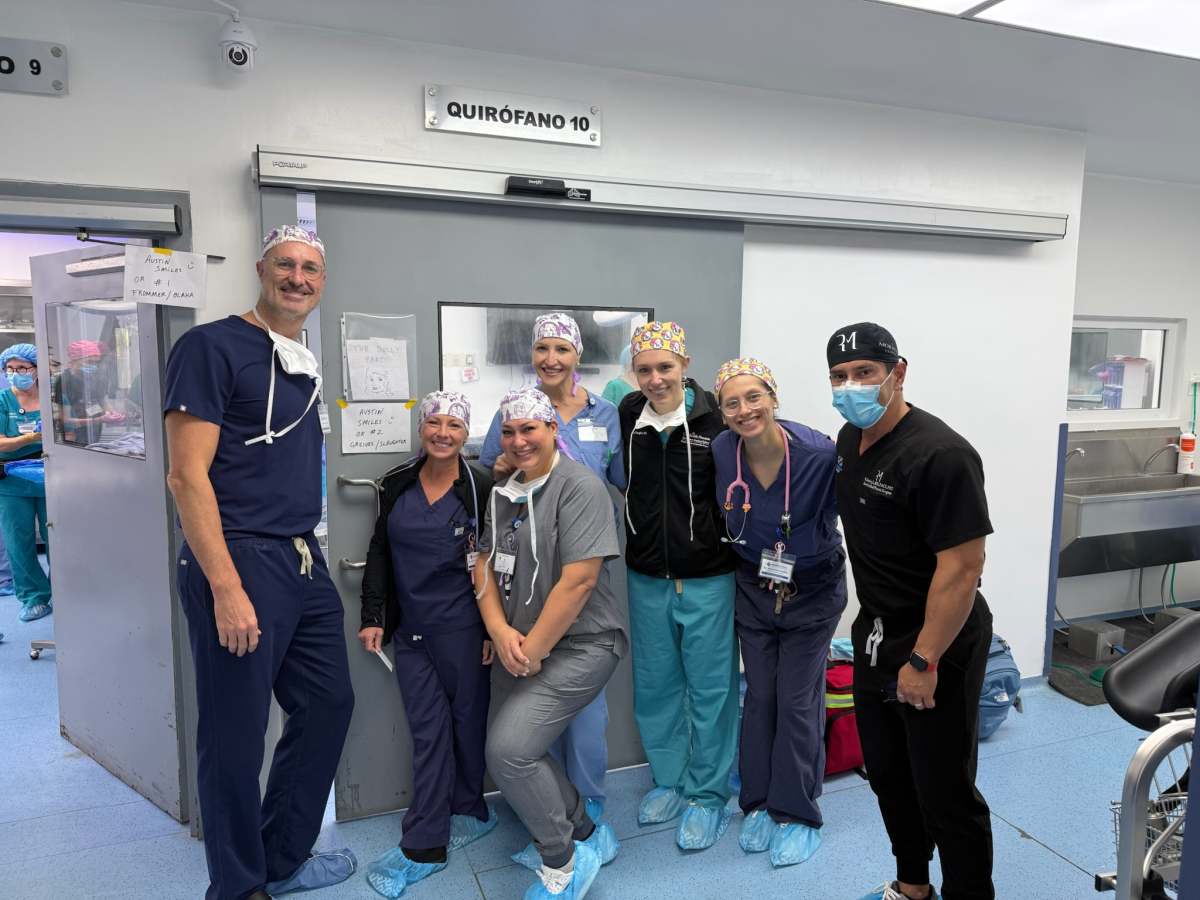
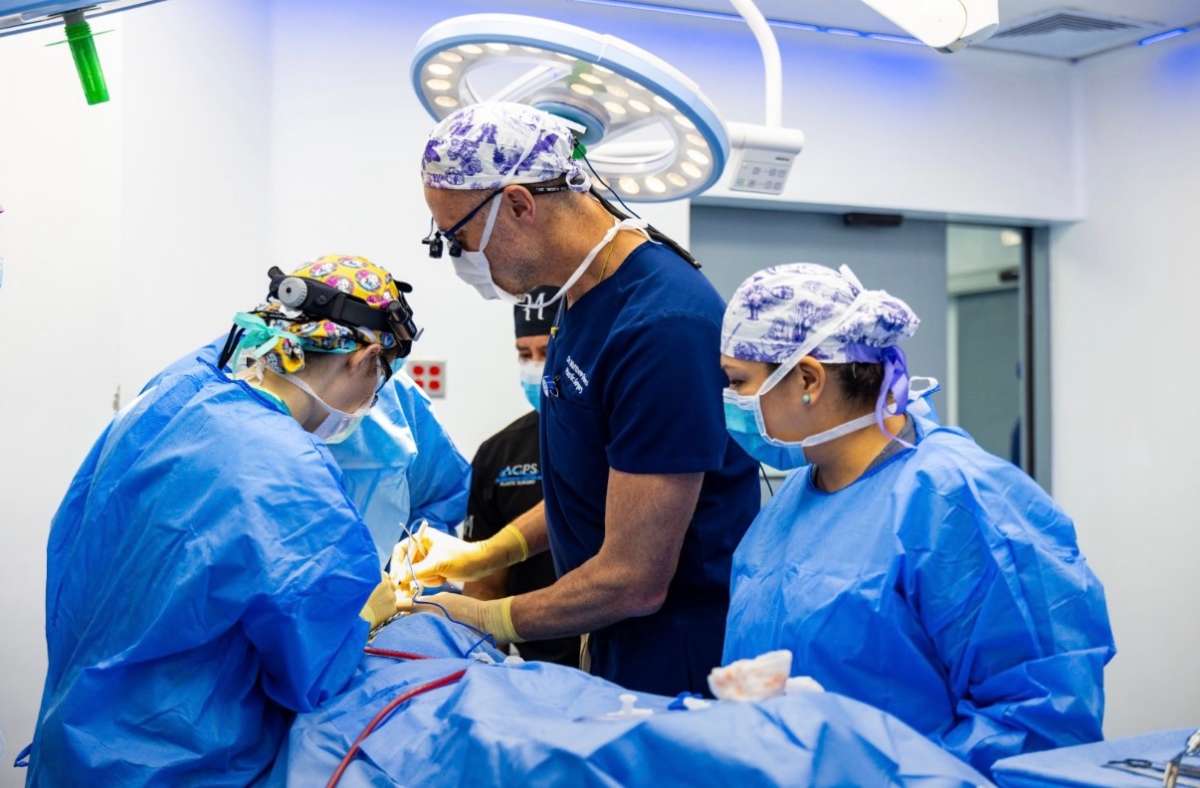

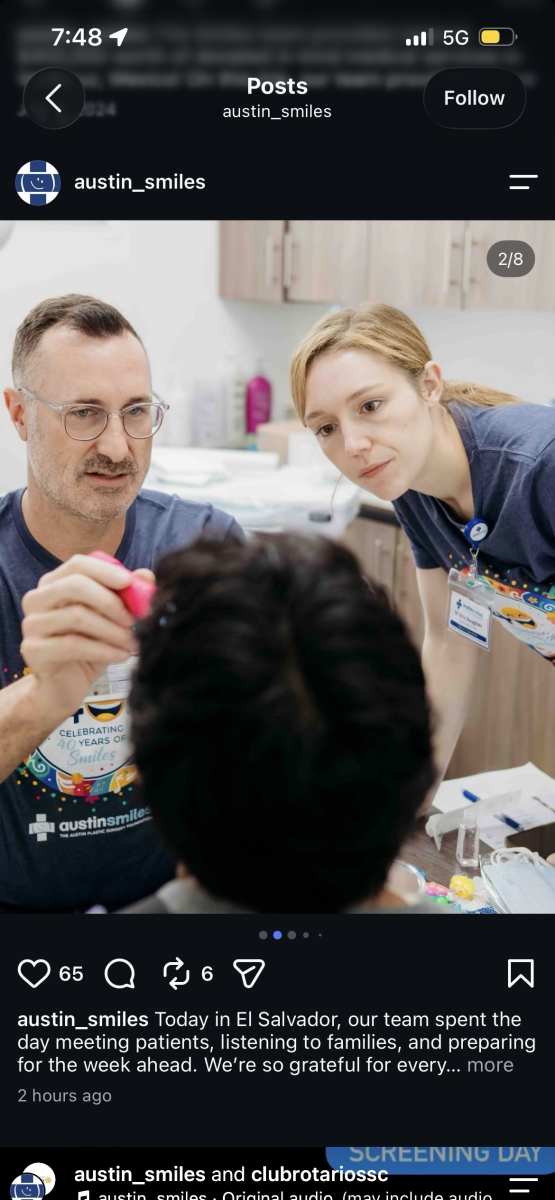
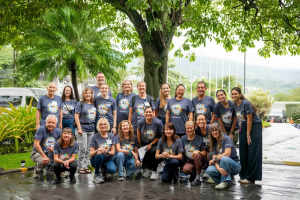


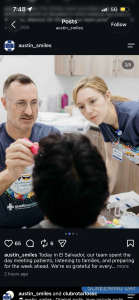
Our medical mission to El Salvador impacted children, teenagers, and adults living with cleft lip, cleft palate, and associated nasal deformities, many of whom had been waiting years for surgical repair. These patients and their families often face significant barriers to accessing specialized reconstructive care. For many, surgery represented an opportunity they had hoped for over the course of several years. These procedures offered more than an improvement in appearance. They improved their speech, eating, and overall quality of life and sense of self.
The impact of these operations extends beyond the individual patient. For parents and families, access to surgical care can provide tremendous relief and hope for their loved one’s future. Many of the patients we treated had lived with their conditions for much of their lives, making the opportunity for surgical correction particularly meaningful.
Our trip also reinforced the importance of collaboration with local healthcare professionals. By working alongside Salvadoran medical teams, we contributed to a shared effort to expand access to reconstructive care and build relationships that can support future missions. We were able to work hand in hand with many oral surgery attendings and residents in caring for these patients.
What stood out to me most was the warmth and gratitude of the Salvadoran people. Despite the challenges many families faced, they welcomed us with remarkable kindness.

