I will travel to the Andijan Region of Uzbekistan with the Dana-Farber Cancer Institute Center for Global Health to support Uzbekistan's first structured colorectal cancer (CRC) early-detection program. The country currently has no organized cancer screening at the primary care level, and most CRC cases are diagnosed at advanced, less-treatable stages. We will be rolling out the Fecal Immunochemical Test (FIT), which is a low-cost, non-invasive stool test, as the population-level entry point for CRC screening, paired with strengthened endoscopy and diagnostic capacity.
As an infectious disease physician, my primary role is to build the infection prevention and control (IPC) foundation this program needs to be safe and sustainable. We have identified weak sterilization and endoscope reprocessing capacity and IPC practices that are not yet aligned with international standards. I will help develop standard operating procedures for endoscope reprocessing, sedation and procedural safety, and IPC protocols, and deliver hands-on training for local clinicians and nursing staff at Asaka District Clinic and Andijan Regional Cancer Center.
Beyond the screening program, I will work with Ministry of Health and colleagues on broader infectious disease priorities at the public health level, sharing expertise in IPC systems, antimicrobial stewardship, and communicable disease control.
This work makes a difference by embedding safety standards into a program designed to scale nationally so that as screening expands, patients are protected from procedure-related infection, and the system is built to last.
The immediate beneficiaries are the people of Uzbekistan's Andijan Region, the pilot site for the national colorectal cancer early-detection program, and ultimately the country's population of roughly 35-39 million as the program scales. Cancer is a major and growing burden here: in 2020, 20,855 Uzbeks died of cancer, and the WHO projects that figure will rise about 81% to over 37,000 by 2040. Because there is no organized primary-care screening, colorectal cancer is typically caught late. Patients frequently present at Stage II or beyond, driving avoidable deaths and straining the health system.
This population is underserved on multiple fronts: screening services are centralized in specialized oncology centers rather than accessible at the primary care level, trained endoscopy specialists are few and unevenly distributed, and sociocultural and gender-related barriers further limit uptake. Low public awareness of cancer prevention compounds late diagnosis.
Patients undergoing new endoscopy and screening services are a specific population served by my work. Without strong infection prevention and control, an expansion of invasive procedures risks introducing procedure-related infections. By strengthening sterilization, endoscope reprocessing, and IPC training, I help protect every patient who moves through the screening-to-diagnosis pathway. The local clinicians and nurses I train are also served: gaining skills they will carry forward and teach to others across the region and country.
The expected impact is a colorectal cancer screening program that is not only launched but safe, standardized, and built to scale nationally. In the near term, my work should produce concrete deliverables: written standard operating procedures for endoscope reprocessing, sterilization, sedation safety, and infection prevention and control (IPC), plus a cohort of local clinicians and nurses trained to apply them. These directly address gaps documented.
The larger impact is protecting patients as screening volume grows. FIT-based screening will refer more people to colonoscopy and diagnostic procedures; embedding IPC standards now prevents procedure-related infections from undermining trust in a young program and keeps patients safe as services expand.
I expect there to be meaningful transfer of knowledge both through case-based learning and the development of SOPs which shall remain as durable reference tools owned by local teams. Because Andijan is the pilot for national scale-up, protocols validated here become the template for other regions.
On the broader public health level, relationships and IPC systems established with the Uzbekistan Ministry of Health and Cancer Center create a foundation for continued collaboration on infectious disease priorities well beyond this trip. The goal is to establish lasting local capacity.
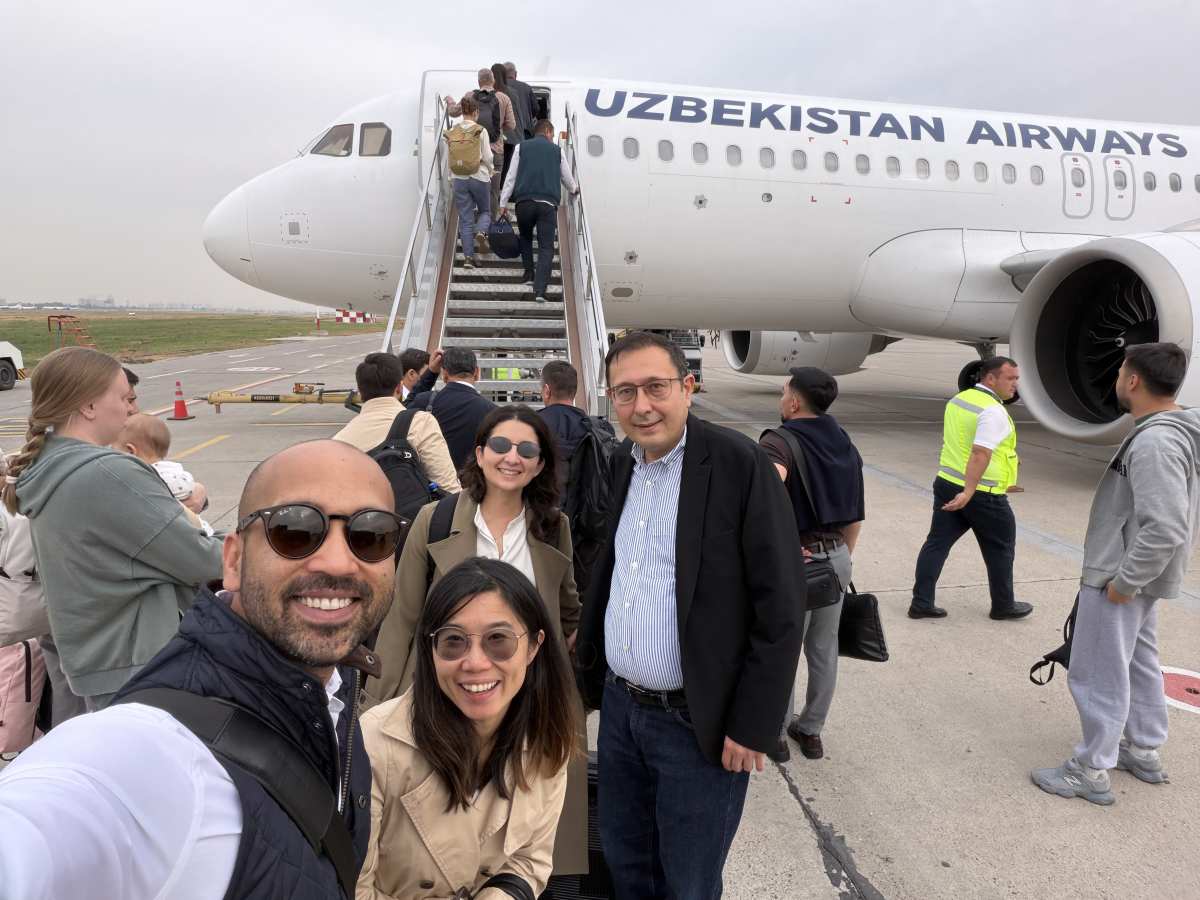
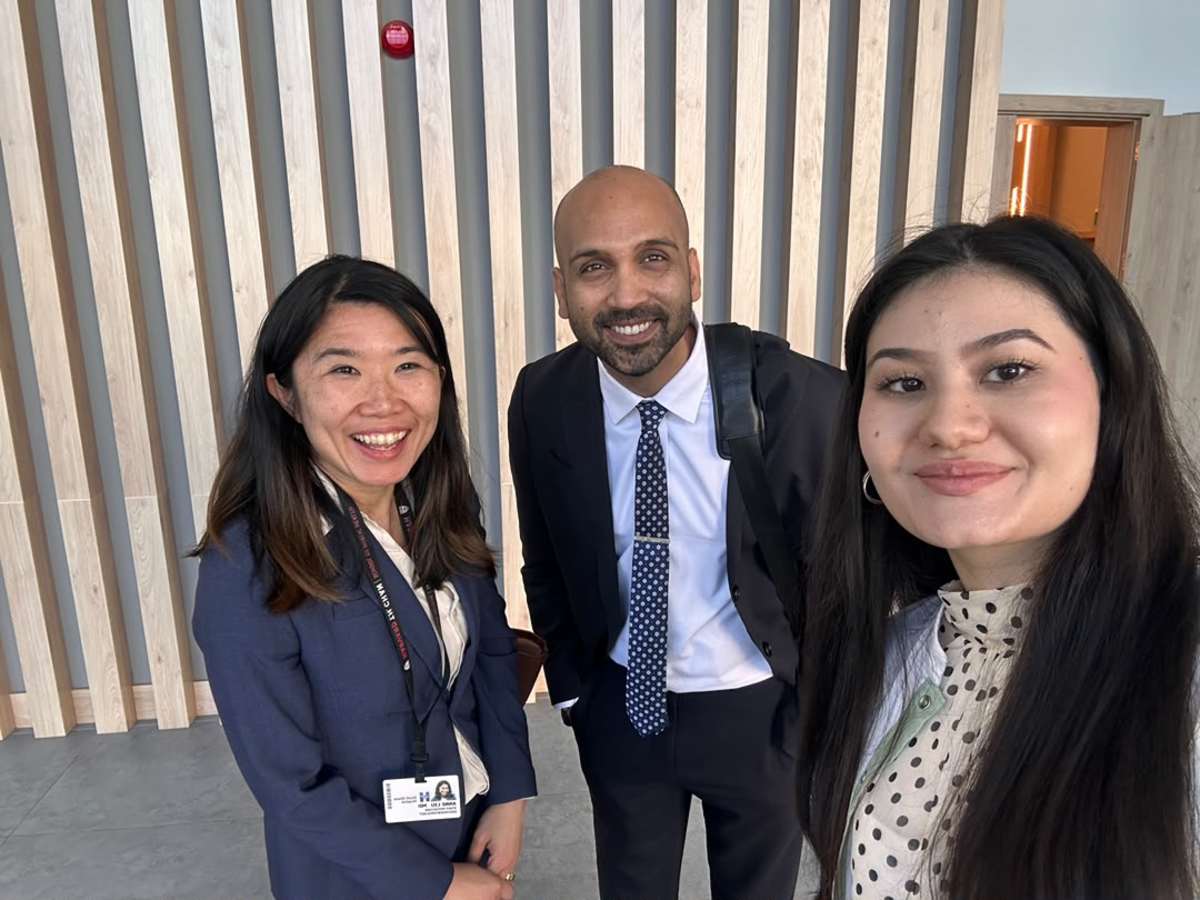
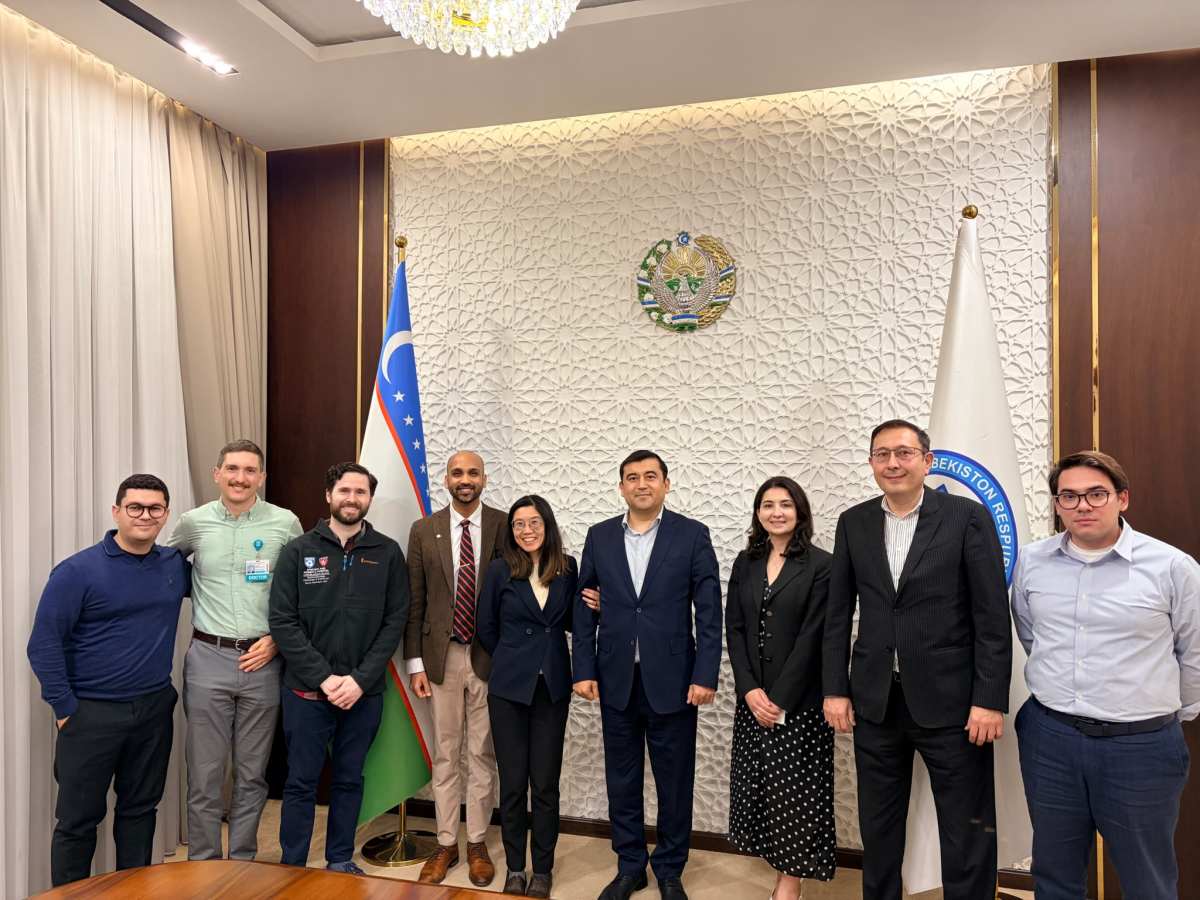
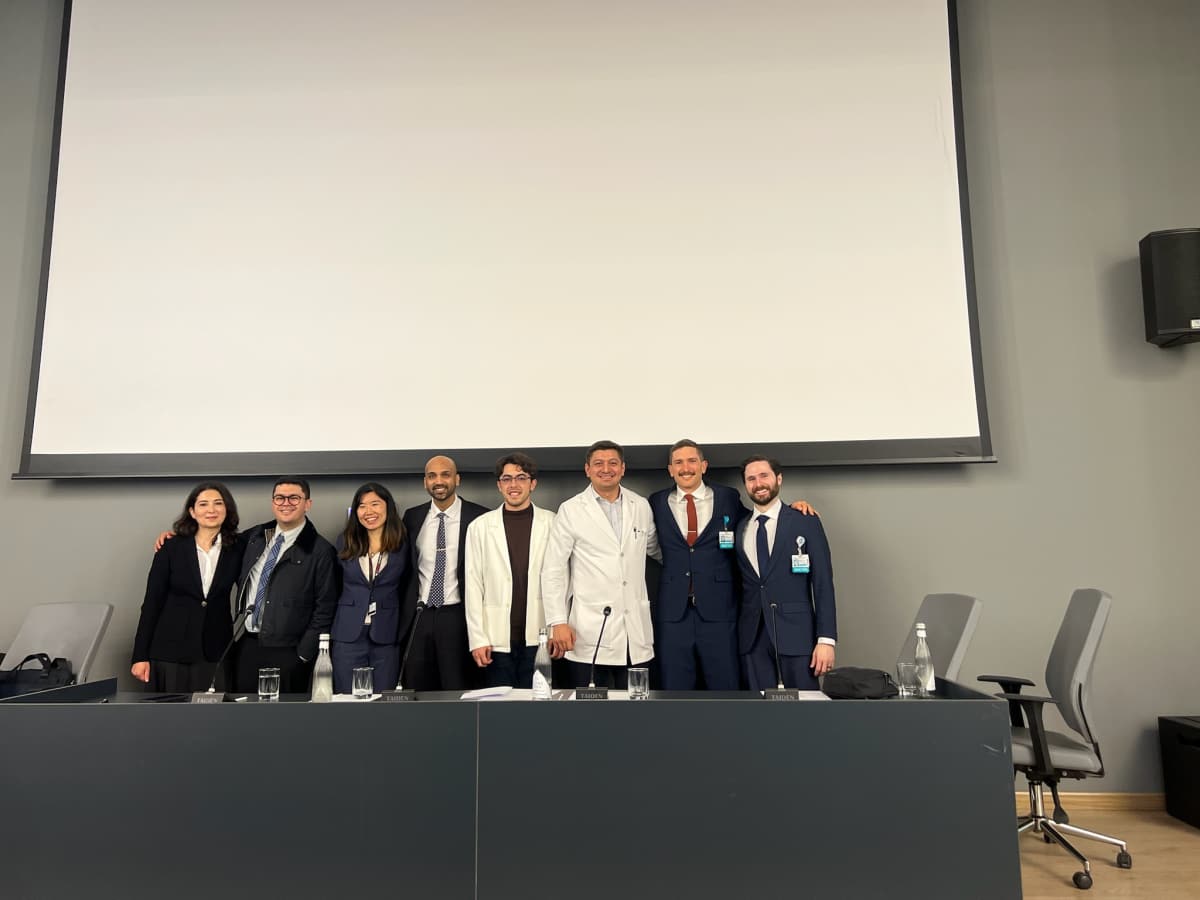
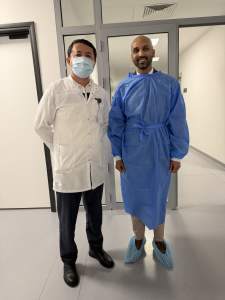
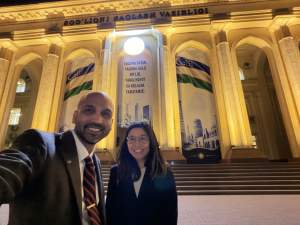
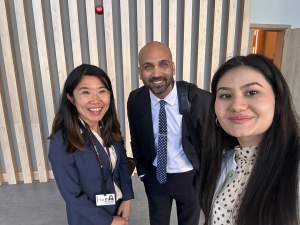
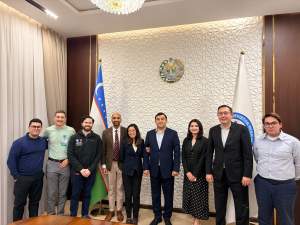
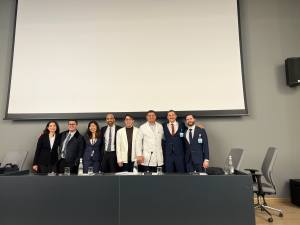
I joined Dr. Anne Liu and her team in October to help train clinicians for Uzbekistan’s new colorectal cancer screening program. In Tashkent, I helped shape the teaching slides, from the epidemiologic case for screening to how to explain sensitivity and specificity, drawing on my experience lecturing in low- and middle-income countries.
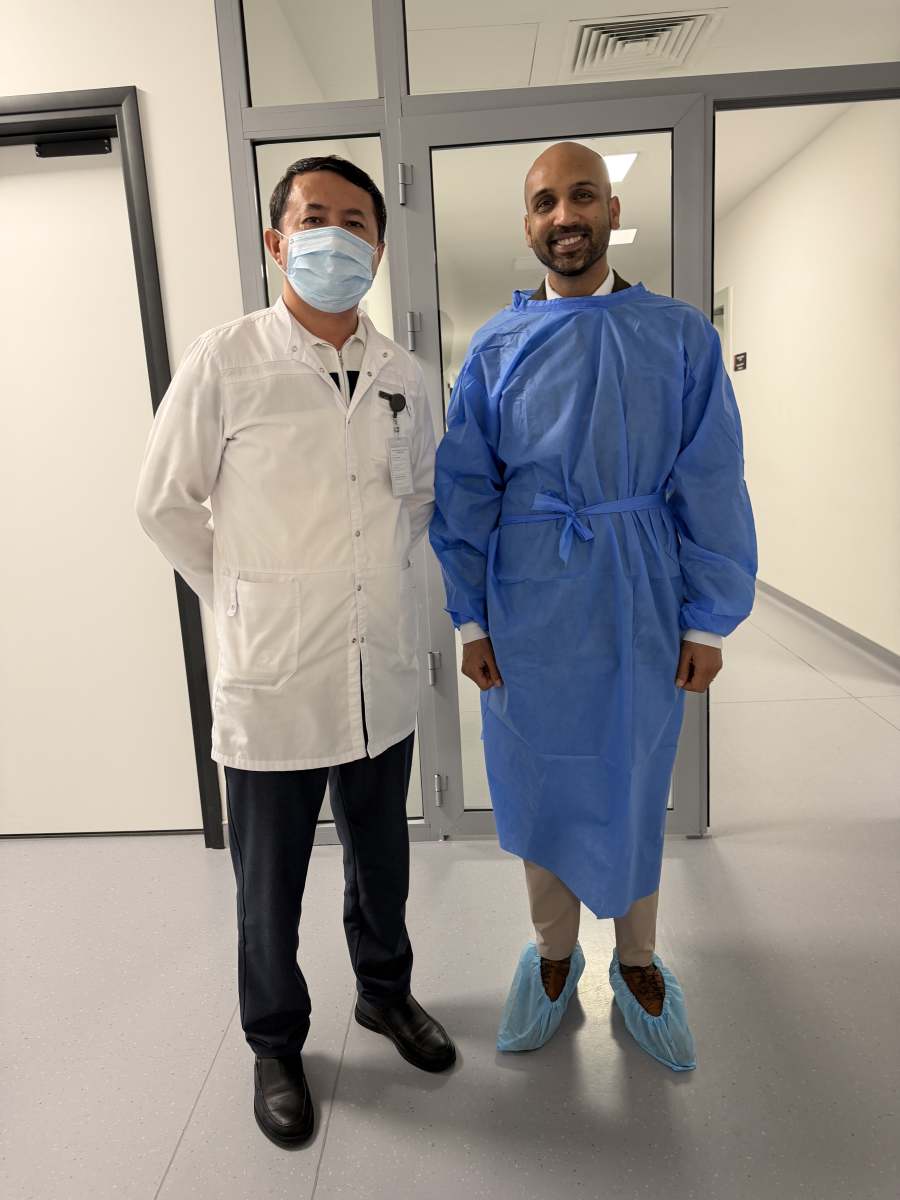
I also visited the microbiology laboratory at the Republican Specialized Scientific-Practical Medical Center of Oncology and Radiology. The center had no routine way to test for latent TB infection in patients starting immunosuppressive treatment, including CAR T-cell therapy. WHO lists Uzbekistan among the 20 countries with the most drug-resistant TB, so reactivation during cancer treatment can be deadly and hard to treat. With the center’s leadership, I helped plan a quality improvement project to measure how common latent TB infection is among patients starting cancer treatment, and to treat it. I am now mentoring Dr. Diyora Kurambaeva, a resident in Tashkent, who is working with Dr. Dilshod Egamberdiev, the center’s deputy director for strategy and public health, to expand this work.
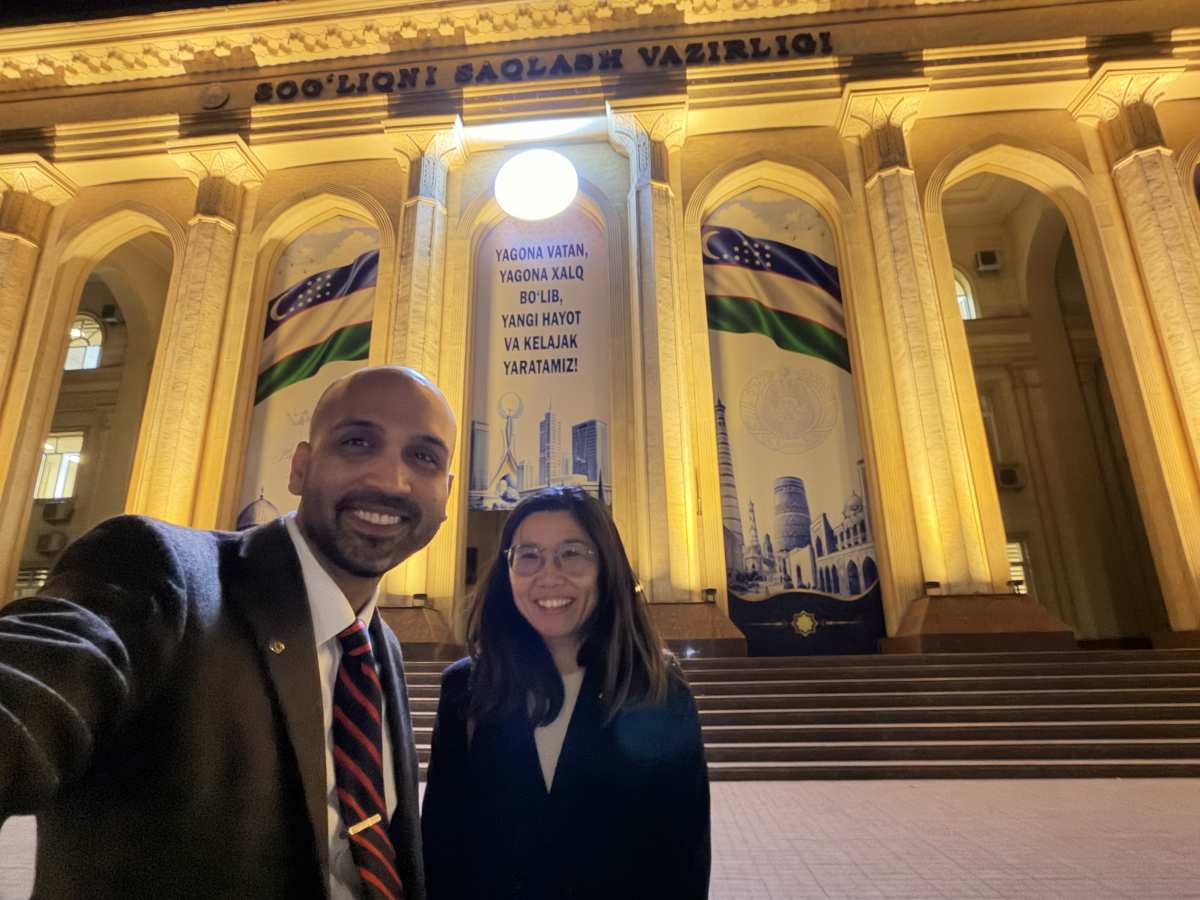
With Dr. Liu and her colleagues, I met the Deputy Minister of Health and his team. I raised two ideas. The first was to resist the spread of ultra-processed foods, which are linked to cancer and, I suspect, to infection risk as well. The second was to pair cancer screening with the country’s expanding TB case finding, so that a chest X-ray showing a mass that is not TB leads to a workup for lung cancer. Both drew interest, and the official who oversees medical innovation plans to continue the conversation with me and with colleagues at Dana-Farber.
We then flew to Fergana and drove to Andijan to teach colorectal cancer specialists and surgical oncologists. There I helped build a monitoring and evaluation protocol for the screening pilot. Dr. Liu’s team has completed 100 FIT tests and plans 500 more, and we will describe the first 600 in a short report from the field that we hope will help other programs in Central Asia.
Since returning, that mentorship has grown to include infection control. Dr. Kurambaeva and Dr. Egamberdiev are investigating a cluster of ESBL-producing Klebsiella infections at the center and starting antibiotic stewardship work, and I advise them as they go. I hope to go back with Dr. Liu’s group to help with infection control and stewardship as the oncology program grows. I am grateful to the Doximity Foundation for funding my trip.

