
Cervical cancer is the leading cause of cancer-related deaths for Rwandan women; there were over 1300 new cases of cervical cancer in 2018 and over 900 deaths from cervical cancer that year. Despite the staggering number of women affected, there is no cervical cancer screening currently available for women in Rwanda. In 2019, IOWD and Brown University initiated a cervical cancer screening program led by a team of gynecologic oncologists. The program is currently focusing on screening all women, with the ability to treat early pre-cancerous lesions using thermoablation. Training of Rwandan providers is one of the top priorities of this program and training of nurse midwives and physicians is already underway at Kibagabaga Hospital. The program also lectures and is working to train the Rwandan Ob/Gyn residents at the University Teaching Hospital of Kigali (CHUK) as these are the young doctors who are the future leaders in their field. In addition to expanding screening efforts, the program plans to train Rwandan gynecologists to perform LEEP procedures, which are procedures to treat severe pre-cancerous lesions, in order to maximize the ability to treat women and prevent a cervical cancer from forming. The impact that cervical cancer prevention can have is immense; not only on the women it affects, but also on their family, children, and society as a whole.
Women of Rwanda. Cervical cancer is the second most common cancer in Rwanda, and is the leading cause of cancer-related deaths. Literature supports the use of screening and prevention tools to help catch cervical cancer early, when it is still treatable. Through education of the providers and patients, this medical mission will provide impactful information and understanding about this disease and how to prevent it. There is no screening program for this particular population.
The expected impact will be to increase knowledge, awareness and screening in the intended population, women of Rwanda, through direct treatment and education. Through the education and training of obgyn residents and fellows, our work will continue to have impact after the finite time of our trip concludes.
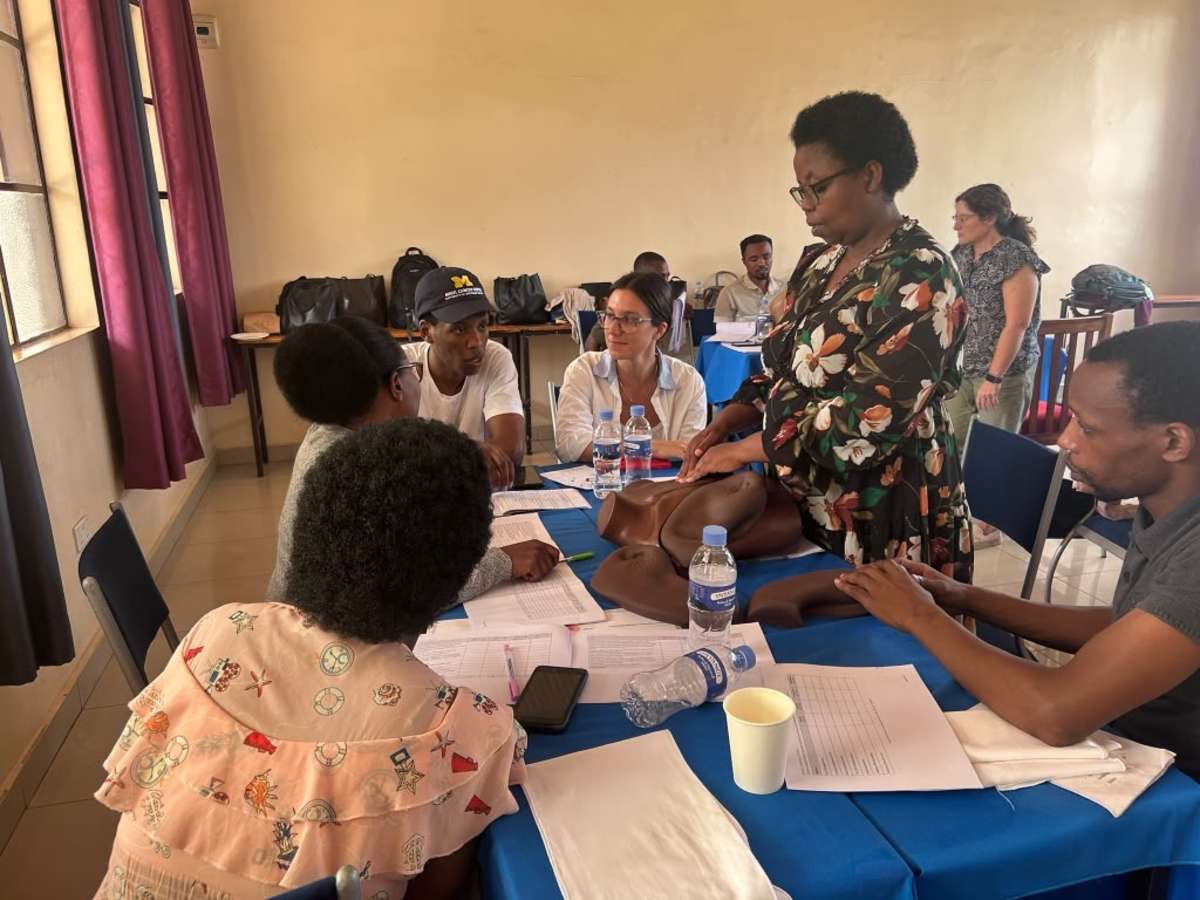
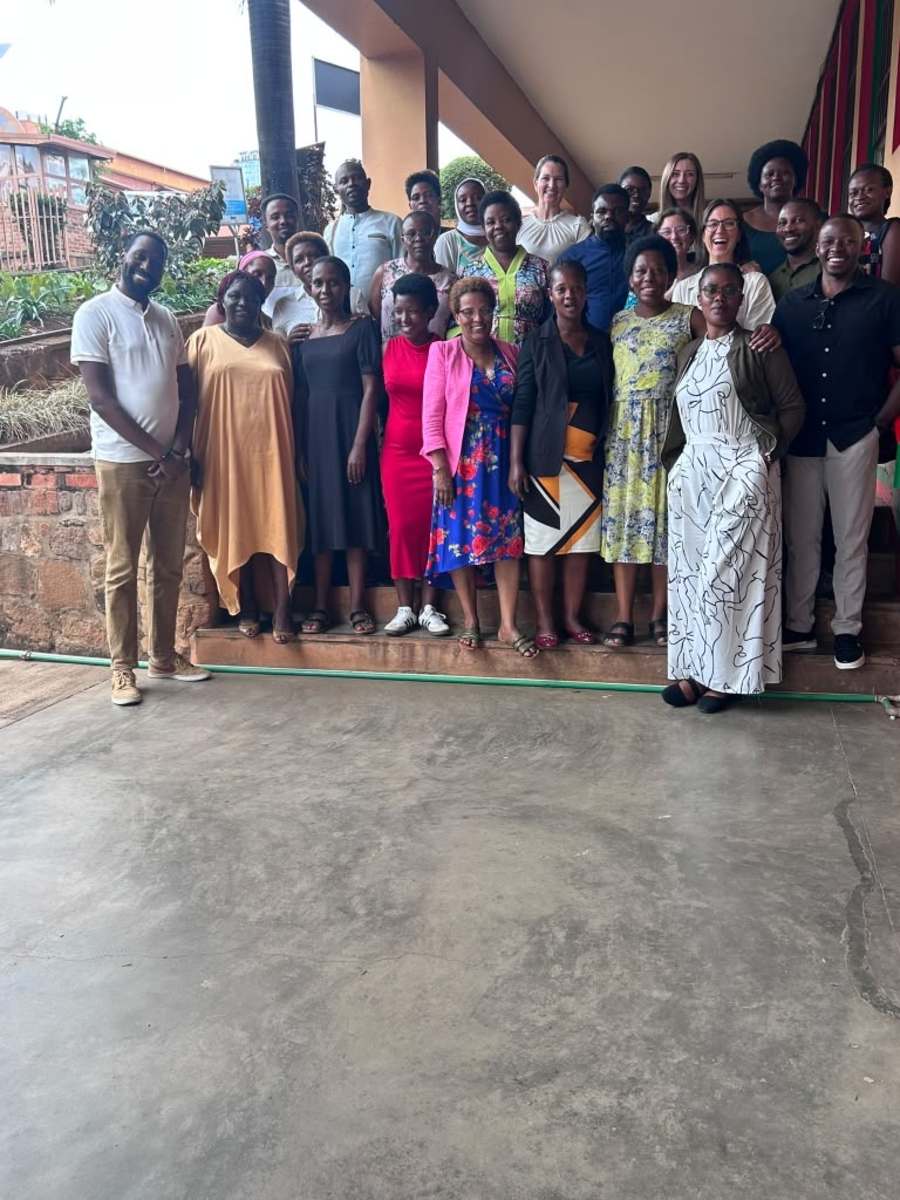


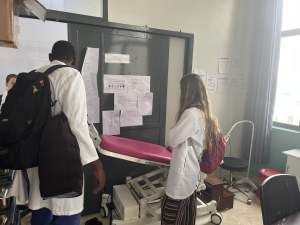
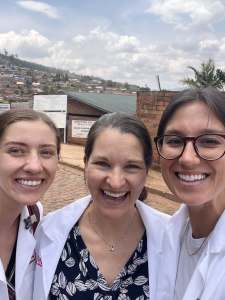
During my trip to Rwanda, I had the opportunity to work alongside a gynecologic oncology team in support of the country’s national cervical cancer prevention campaign. As part of this initiative, our team provided educational lectures and training to nurses and midwives on key strategies for cervical and breast cancer prevention and early detection. Topics included visual inspection with acetic acid (VIA), thermal ablation for eligible cervical precancerous lesions, HPV-based cervical cancer screening, clinical breast examination, and patient counseling. These educational sessions aimed to strengthen healthcare providers’ knowledge and support their critical role in delivering accessible, effective cancer prevention services. This experience reinforced the importance of education and collaboration in reducing the global burden of cervical cancer, particularly in settings where access to screening and treatment may be limited. As a gynecologic oncology fellow, I gained a greater appreciation for the role of frontline healthcare providers in cancer prevention and the importance of sharing evidence-based practices across healthcare settings. I am grateful to the Doximity travel grant for supporting this opportunity to contribute to an international cancer prevention initiative and further my commitment to improving access to cancer screening, early detection, and care.

