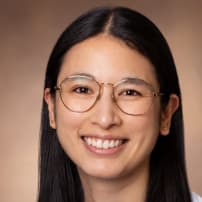
Each year, Dr. James Netterville leads a multidisciplinary team to Malindi, Kenya, for a two-week surgical training trip with the goals of providing specialized head and neck surgical care to patients with limited access to these services and to build local surgical capacity through hands-on training of Kenyan otolaryngologists. Working alongside faculty and trainees from the University of Nairobi and practicing otolaryngologists from across Kenya, the trip emphasizes education, mentorship, and collaborative learning in the management of complex head and neck disease.
I will join this trip as a resident this year, I will help coordinate patient care, facilitate educational opportunities for Kenyan trainees, support perioperative management, and contribute to ongoing research and programmatic efforts surrounding the camp. This includes assisting with pre- and postoperative care, supporting local nursing staff, helping supervise medical students, and participating in operative and clinic-based care as needed.
Beyond the immediate clinical experience, I am particularly interested in the long-term partnerships that this program has cultivated over many years. I believe meaningful global health engagement should prioritize sustainable collaboration, capacity building, and bidirectional learning rather than short-term interventions without continuity. My goal is to contribute to ongoing initiatives that evaluate educational outcomes, strengthen training opportunities, and support locally driven efforts to expand access to specialized head and neck care. Participating in this program will allow me to develop skills in culturally competent care while contributing to a model of global surgery founded on enduring relationships, shared expertise, and sustainable impact.
The primary populations served through this project are Kenyan patients with head and neck disease and the Kenyan physicians and trainees who provide their ongoing care. Kenya has approximately one otolaryngologist per 454,546 people, far below the WHO recommendation of one surgeon per 100,000 people. This shortage contributes to substantial barriers in accessing specialized head and neck care, particularly for patients living in rural regions where surgical expertise is limited. Many patients also face financial barriers to obtaining diagnostic workup and treatment, compounded by limited insurance coverage.
Equally important, this program is designed to strengthen local expertise in head and neck surgery. There are relatively few surgeons in Kenya with specialized training in head and neck oncology, making education and mentorship critical components of improving access to care. During the trip, US faculty operate alongside Kenyan surgeons and trainees, facilitating hands-on learning, case discussions, and shared problem-solving. By working within a community hospital setting using resources similar to those available throughout the country, the program aims to foster confidence and technical proficiency that can be sustained after the trip as well.
This emphasis on capacity building and long-term partnership is particularly meaningful to me. I believe global surgical initiatives should prioritize sustainable collaboration, bidirectional learning, and locally driven solutions rather than short-term interventions without continuity. I am especially interested in contributing to ongoing educational initiatives and research efforts that evaluate training outcomes and help strengthen durable systems of care. Ultimately, empowering local clinicians through education and partnership offers the greatest opportunity to improve access to specialized head and neck care for Kenyan patients over the long term.
The expected impact of this experience extends beyond the immediate clinical care provided during the surgical camp. While participating in the treatment of patients with complex head and neck disease is meaningful in itself, I am most interested in contributing to the long-term educational mission of the program and supporting sustainable partnerships that strengthen local surgical capacity.
Through direct collaboration with Kenyan surgeons, trainees, and nursing staff, I hope to gain a deeper understanding of the challenges and opportunities associated with delivering specialized care in resource-limited settings. This experience will further develop my ability to provide culturally competent care, adapt to different healthcare environments, and engage in thoughtful, collaborative global health work.
After returning, I plan to remain involved in the ongoing initiatives associated with the program, particularly efforts aimed at evaluating educational outcomes, identifying opportunities to improve training experiences, and supporting research that informs future capacity-building efforts. I am interested in helping develop tools to assess the long-term impact of these partnerships and to better understand how surgical training initiatives can most effectively support local needs.
These lessons will carry forward throughout my career as an otolaryngologist. I hope to continue participating in and helping build global health programs that emphasize continuity, mutual learning, and local empowerment. Ultimately, I believe that sustainable partnerships and investments in education have the greatest potential to improve access to specialized head and neck care long after any individual surgical mission has ended.
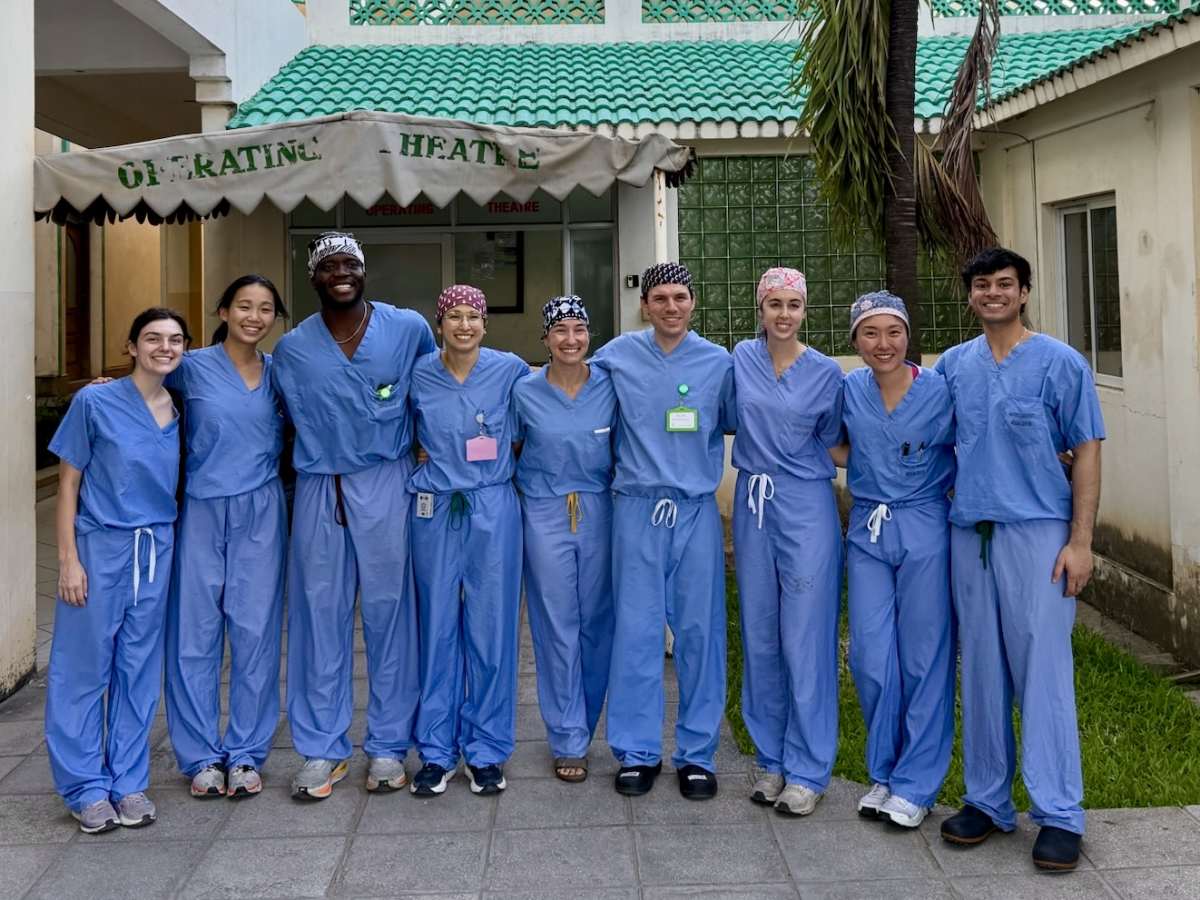

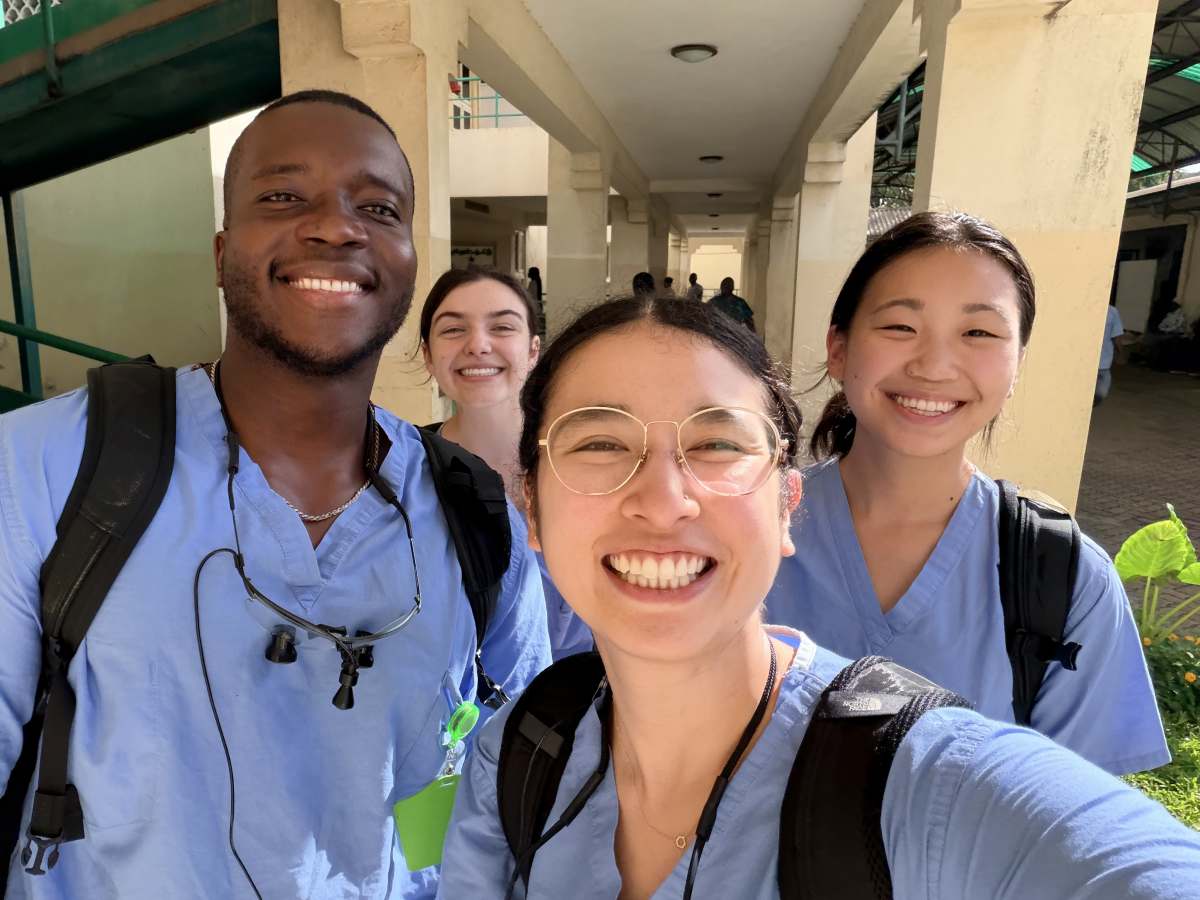

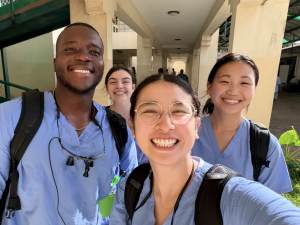
During my time in Malindi, Kenya, I had the privilege of working alongside local and visiting surgeons to provide specialized head and neck surgical care to patients who often face significant barriers to accessing these services. For many patients, the surgical camp represents an opportunity to receive care that might otherwise be difficult to obtain.
Beyond the patients we treated, I think one of the most meaningful impacts of this trip was the opportunity to collaborate with Kenyan surgeons and trainees. The program emphasizes education, mentorship, and longitudinal partnerships rather than simply providing short-term humanitarian care. By sharing surgical techniques, learning from one another, and building local surgical capacity, the impact of these trips can extend well beyond the patients treated during any individual visit.
I was particularly struck by the relationships that have developed through this program over the years and the incredible warmth with which we were welcomed into the community. It was a privilege to contribute, to a partnership that prioritizes sustainable improvements in surgical care.

