

Advancing Emergency Ultrasound Skills in Ghana

Project description
I am a PGY3 at OSU EM, and our program includes a rigorous ultrasound curriculum, which has enabled me to develop significant competence in ultrasound. During my trip to Ghana, I hope to work with physicians, trainees and other healthcare workers to provide sustainable ultrasound education in the emergency room. My main goal on this trip is to teach skills that will strengthen their foundation for using POCUS in the emergency department setting. More specifically, my teaching will include focused assessment with sonography for trauma, which can rapidly evaluate injured patients. I also hope to guide fluid resuscitation with ultrasound, use cardiac ultrasound to identify different causes of shock, and use lung ultrasound to evaluate conditions such as pneumothorax, pleural effusions, and pulmonary edema. I hope to have a well-organized approach to image acquisition, interpretation, and clinical decision-making. By focusing on common emergency complaints, I'll make these skills more adaptable for local providers and more likely to be incorporated into their daily patient care. As mentioned earlier, my main goal is to empower these clinicians to increase their independence and use of ultrasound. I also aim to provide them with a framework for ultrasound education so they can continue implementing the ultrasound techniques I shared and teach other providers. I aim to build a relationship with this institution so my colleagues can return and continue an ultrasound curriculum beyond my initial visit. Given that my parents immigrated from Ghana, going to Ghana is very near and dear to my heart. I know that beyond this trip, I will continue to make trips not only to the emergency department I visited but also to other emergency departments in Ghana to continue implementing this curriculum for ultrasound acquisition and use.
I look forward to this trip to learn about capabilities and identify what is feasible and realistic to implement in their day-to-day lives.
Population served
The population I decided to serve will be physicians, resident physicians, and other health care providers who assist with care in the emergency department. As an emergency medicine provider, I know these clinicians will be the first to evaluate and stabilize critically ill patients. I aim to help increase the ultrasound skills of these frontline providers, which will directly benefit the patients they care for daily.
Ultrasound provides physicians with an affordable and quickly available way to evaluate many sensitive emergencies that come to the Ed including trauma, shock, respiratory distress, and abdominal pain. Given that some hospitals in Ghana may be resource-limited, using ultrasound will help them diagnose and assess conditions more efficiently. The number one cornerstone of my project is sustainability; that's why choosing to work directly with the institution's medical providers was crucial. Working with the medical providers in the ED will have a lasting impact because they will be the ones who remain there. I also realize that, as someone who wants to work in Ghana in the future, by going to Ghana, I will be able to also learn from these providers and figure out ways that I can strengthen my ultrasound skills as well, so that when I return, I'll be able to help provide exquisite care.
Expected impact
This experience will strengthen the confidence and proficiency of medical providers who use ultrasound in emergency care settings. I hope bedside teaching will reinforce ultrasound applications while making them less daunting. I also hope participants will feel more at ease integrating ultrasound into daily practice and using it in clinical decision-making. My focus will be on developing practical, sustainable skills for critically ill patients, as well as for patients who may not be critically ill but can be evaluated with ultrasound. The greatest impact of my project is that it will continue beyond my visit. To enable this, I plan to create a point-of-care ultrasound handbook. In this handbook, I hope to include image examples, key ultrasound findings, tips on acquisition, and practical guidance for interpreting and using ultrasound in the common ways it is used in the emergency department. This handbook will be a useful reference for medical providers to refresh their training, support others, and teach others.
When I return to my program, I hope to carry these lessons forward by sharing what I learned with my colleagues who hope to work in global health with a focus on ultrasound. This opportunity will strengthen my ability to teach ultrasound and deepen my understanding of the challenges of using ultrasound in low-resource settings. I also hope to inspire my colleagues to provide sustainable medical education.
Trip photos & recap
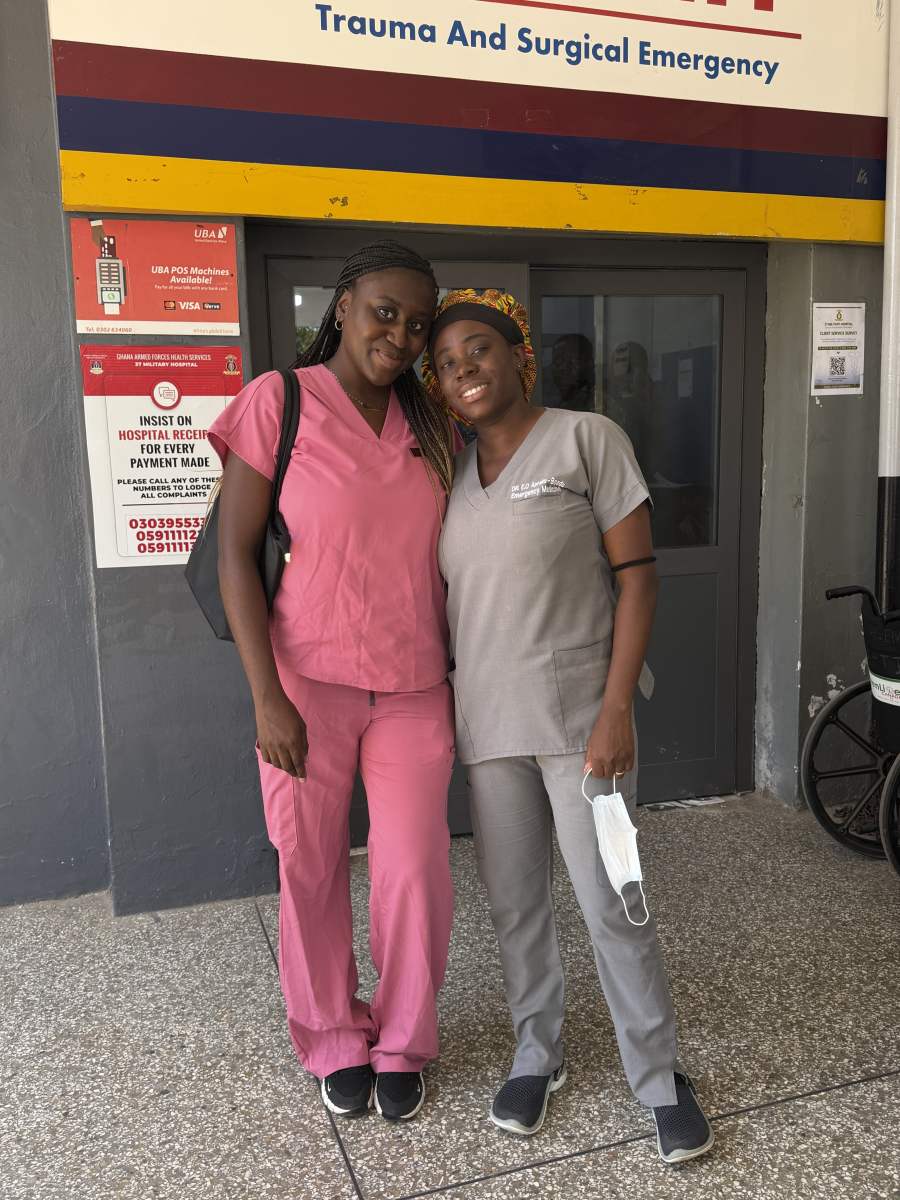

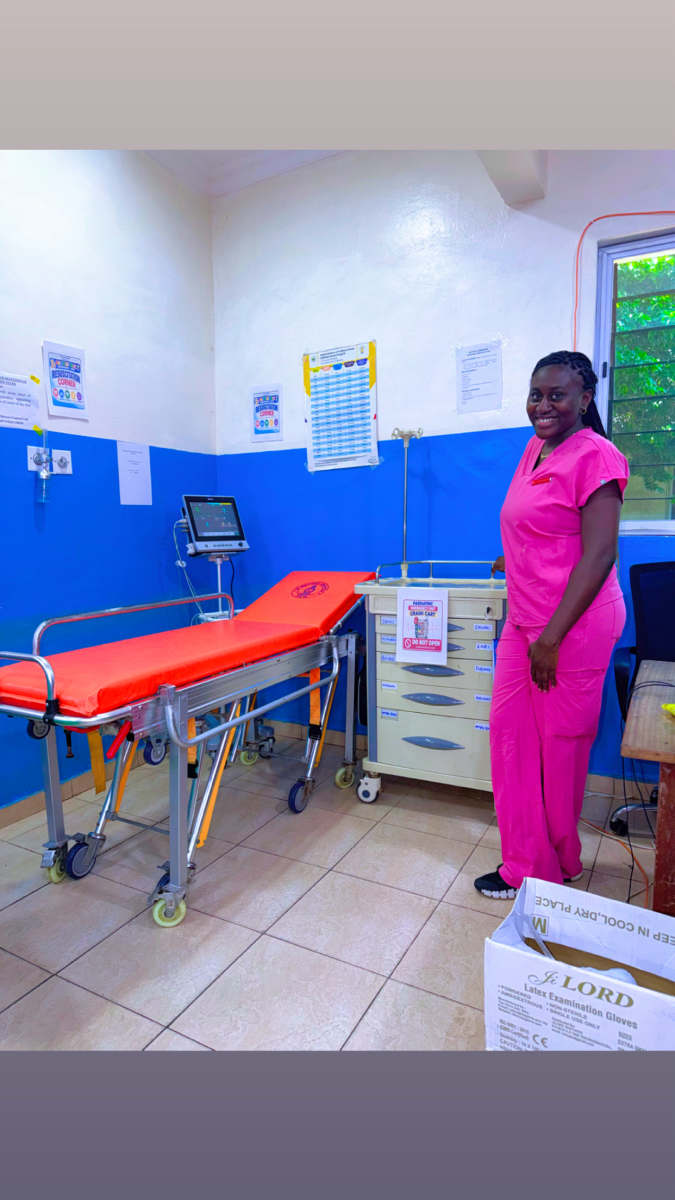
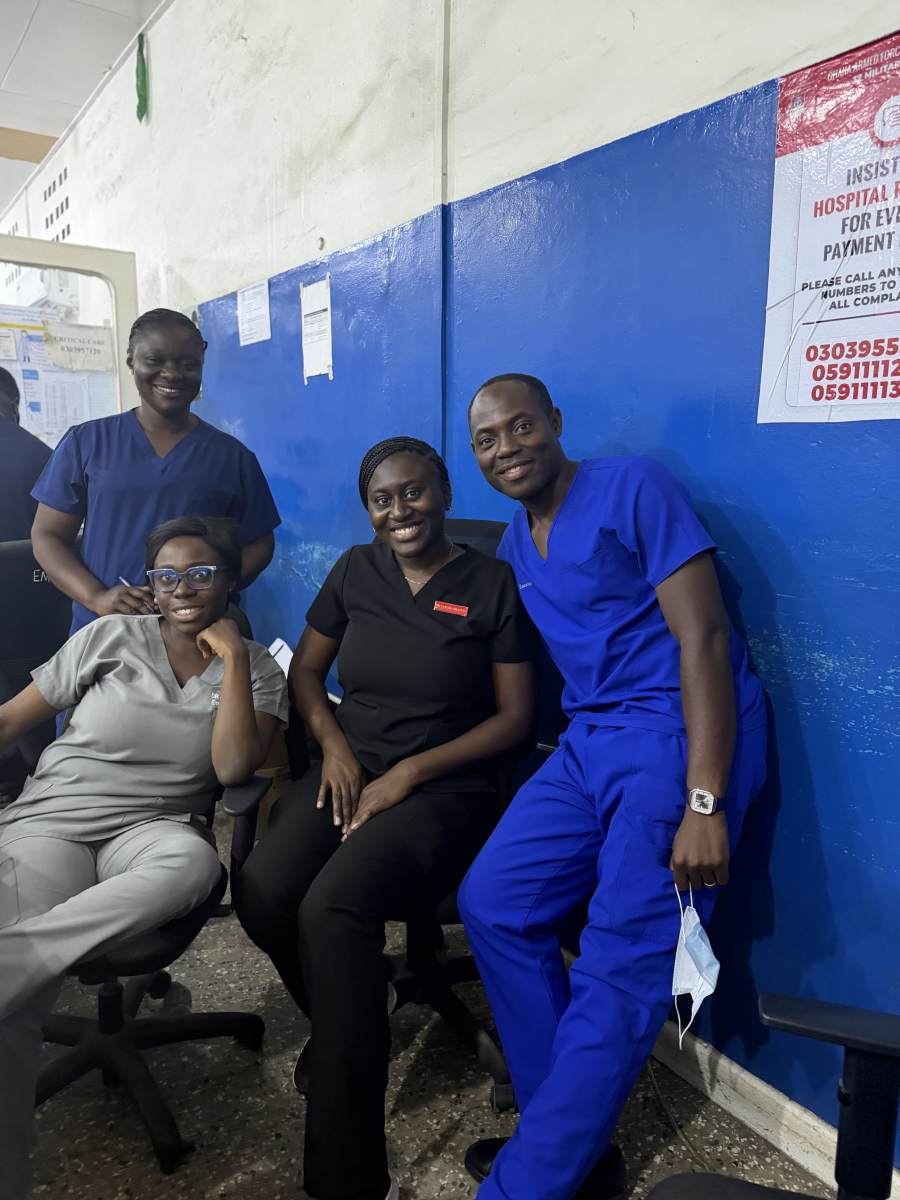
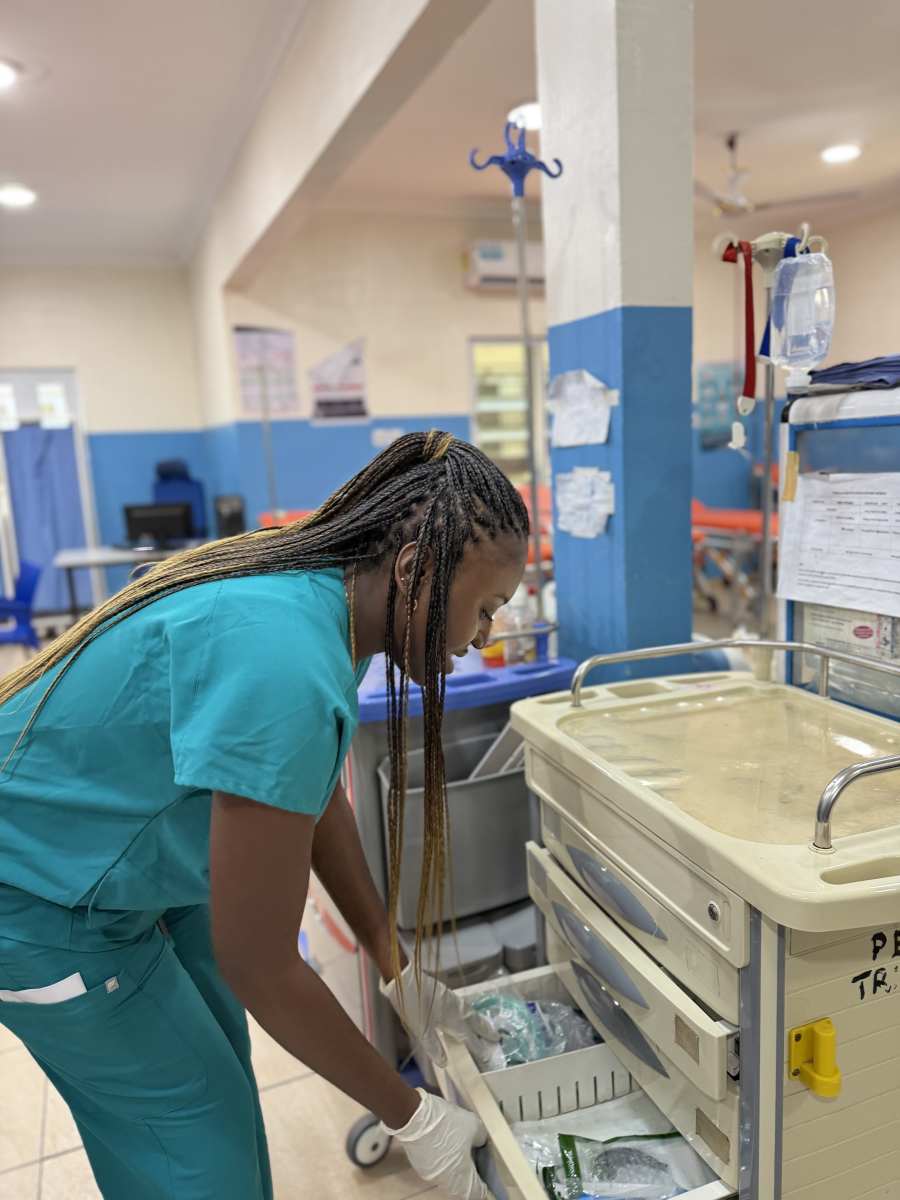
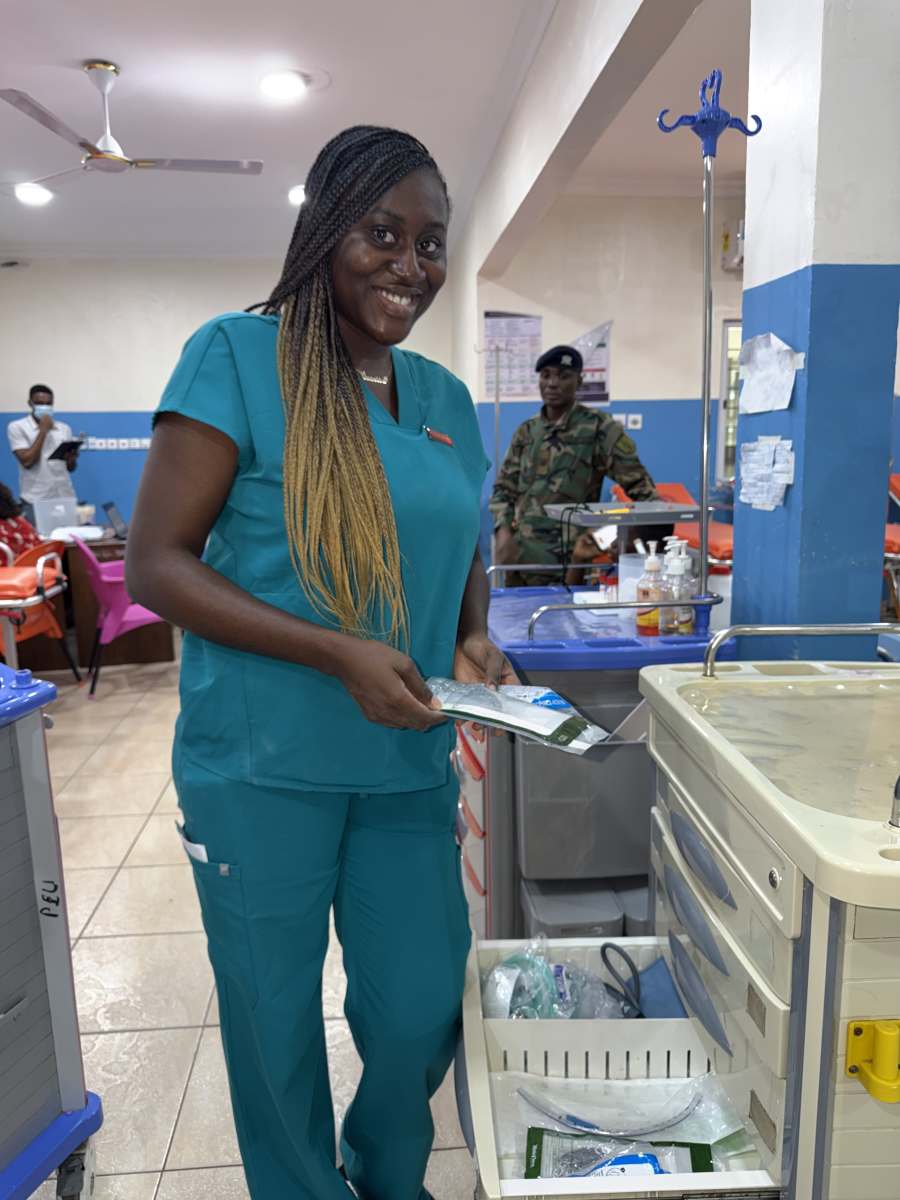
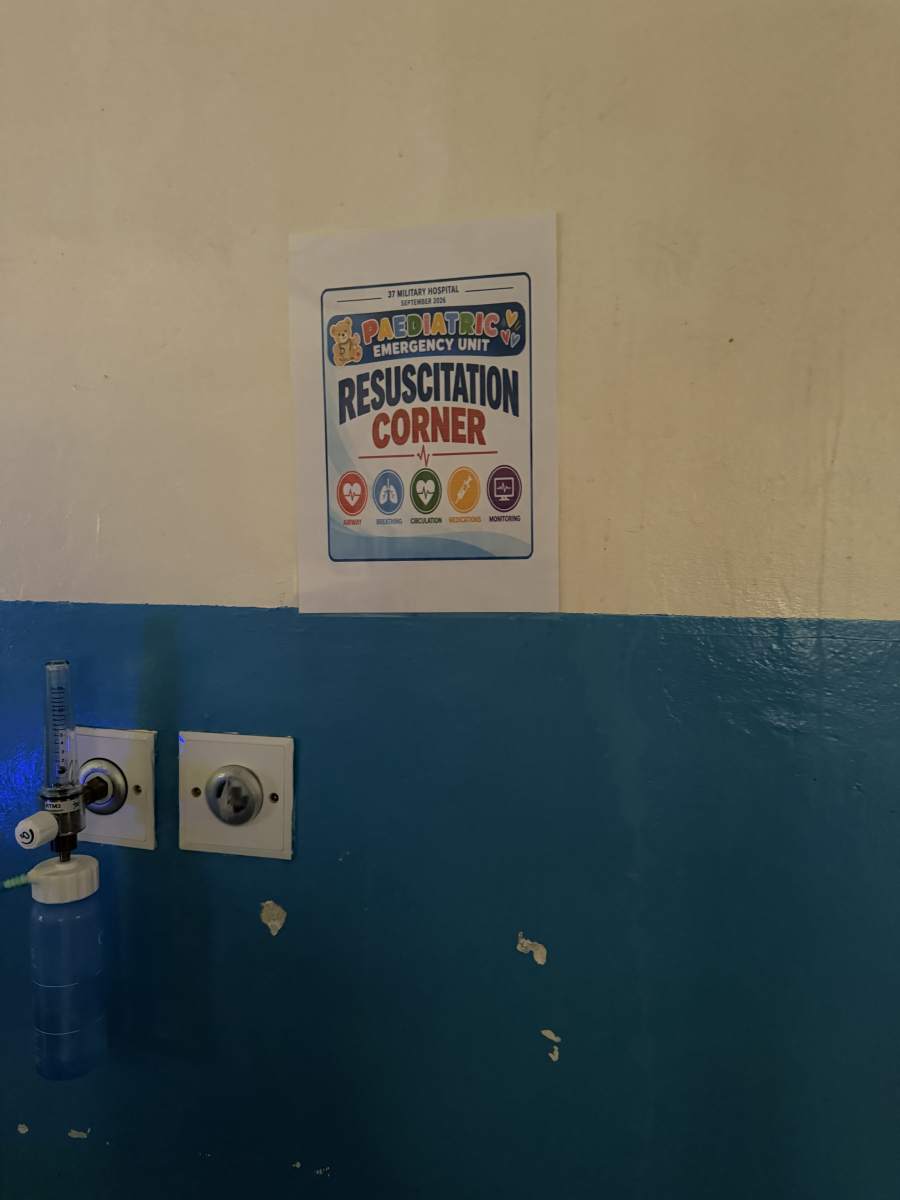
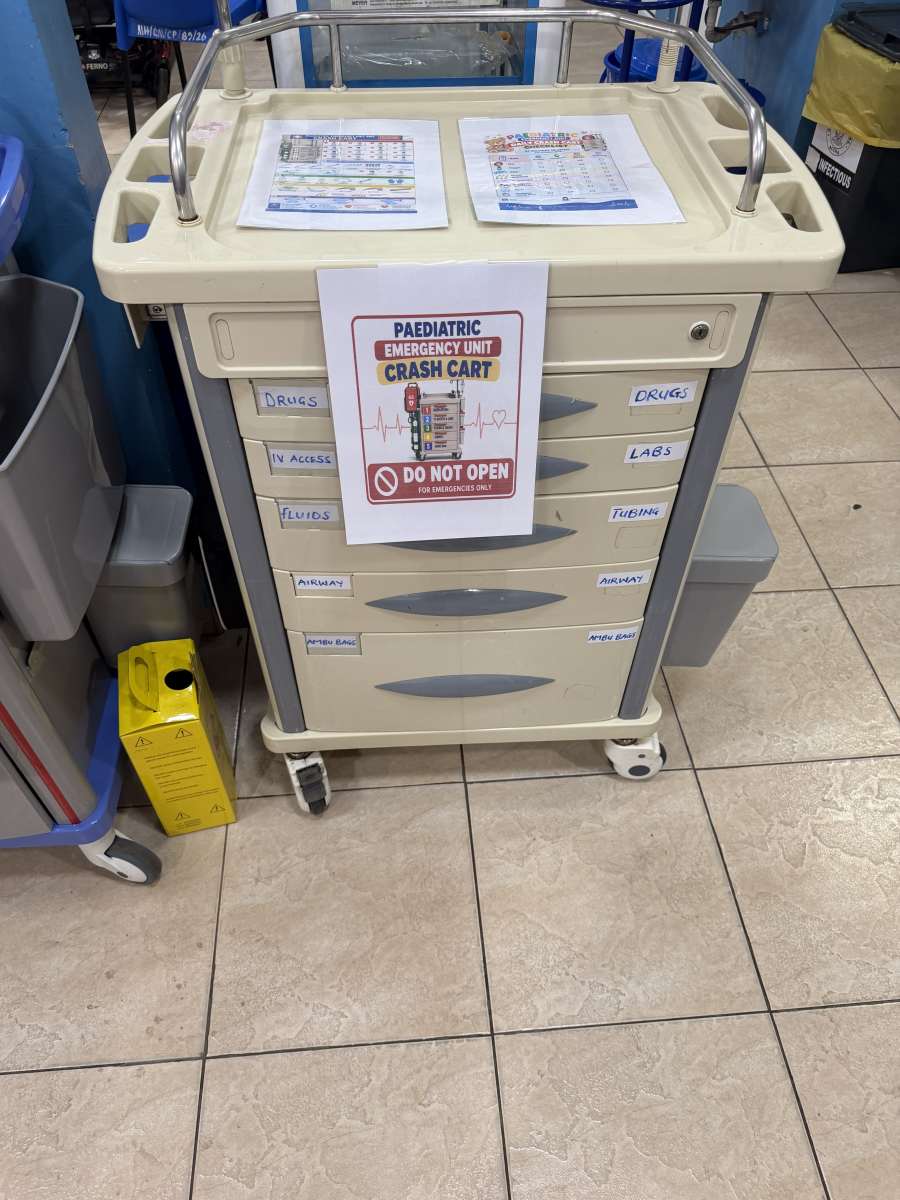
One of the most meaningful projects I worked on during my global health trip to Ghana was developing paediatric emergency crash carts for the Paediatric Emergency Medicine Unit at 37 Military Hospital.
Interestingly, this wasn't even what I initially planned to do!
When I first travelled to Ghana, my intention was to focus on ultrasound education and teaching healthcare providers some of the ultrasound skills we frequently use in Emergency Medicine. I was excited about the opportunity to share knowledge, exchange ideas, and contribute to developing emergency medicine skills in a different healthcare setting.
However, after spending time in the department, observing the workflow, and getting a better understanding of the unit's needs, I quickly realised there was another area where I could potentially make a more immediate and lasting contribution. The Paediatric Emergency Medicine Unit needed dedicated, organised emergency crash carts.
As emergency medicine physicians, we understand how important preparation is, especially when caring for critically ill children. When a child arrives in extremis, there is very little time to search for medications, gather equipment, or figure out where essential supplies are located. Every second matters. Having a properly organised crash cart with essential medications and equipment readily accessible can make a significant difference in how efficiently a team responds to a paediatric emergency.
I realised that this was an opportunity to contribute something that could potentially benefit the department long after my elective was over. So, I shifted my focus from my original ultrasound teaching plans and dedicated a significant portion of my time to developing a paediatric emergency crash cart from the ground up.
And when I say from the ground up, I mean it!
I spent time researching and identifying essential medications and supplies needed for common paediatric emergencies, considering the practical needs of the department and the resources available. I worked on organising the medications and equipment into designated drawers so that staff could easily locate what they needed during an emergency.
But I didn't want to stop at simply putting medications into a cart. I wanted to create a system that would make the carts useful, practical, and easier to maintain.
I developed accompanying paediatric emergency medication handbooks to serve as reference guides for the emergency medications included in the carts. I also created medication logs to help with documenting and tracking the emergency medications, supporting organisation, monitoring supplies, and making it easier to identify when medications needed to be replenished.
I wanted the carts to be more than just a collection of emergency medications. I wanted them to be part of a structured system that healthcare providers could refer to, maintain, and confidently utilise.
Another important part of this project was staff education. I knew that leaving behind two fully stocked and organised crash carts would only be one part of the equation. The people who would be using them needed to be familiar with their contents and organisation.
I therefore spent time training healthcare staff on the crash carts, reviewing the organisation of the drawers, identifying where essential medications and supplies were located, and discussing how the carts could be utilised during paediatric emergencies. My goal was to make sure the resources were not only available but also familiar and accessible to the people who would need them.
What initially started as an idea to create one paediatric emergency crash cart eventually turned into TWO!
I was incredibly proud to see the project come together, knowing the amount of thought, research, planning, organisation, and time that went into making it happen. From identifying the medications and supplies to creating the handbooks, developing medication logs, organising the drawers, and providing staff training, it became a much bigger project than I initially anticipated.
This experience was also a reminder of something I continue to appreciate about global health work: you have to be willing to listen, observe, adapt, and recognise that the needs of a healthcare facility may be different from what you initially envisioned.
I travelled to Ghana thinking I would spend most of my time teaching ultrasound skills, but I quickly recognised an opportunity to contribute in another way. Rather than remaining focused on my original plan, I chose to address a need that I felt could have a meaningful impact on the department.
As an Emergency Medicine resident, I spend so much of my training thinking about preparedness, resuscitation, and how we can improve the systems that support the care we provide. Being able to take some of that knowledge and apply it in a different healthcare setting was incredibly rewarding.
I also learned that meaningful global health contributions don't always have to be complicated or involve introducing something entirely new. Sometimes, it is about recognising an existing gap, working alongside the local team, and developing practical resources that can make everyday clinical care more organised and efficient.
Most importantly, I hope these crash carts, medication handbooks, and medication logs continue to serve the department and support the healthcare providers caring for some of their sickest little patients.
I am so grateful for the opportunity to have contributed to this project and for the healthcare providers who welcomed me, shared their experiences, and allowed me to learn from them throughout my time in Ghana.
I went into this experience with one plan and came away having completed something I hadn't initially imagined. Two paediatric emergency crash carts, accompanying medication handbooks, medication logs, and staff training.
A reminder that sometimes the most meaningful part of the journey is being willing to change direction when you recognise where you are needed most.