I will be partnering in a multi-day point-of-care ultrasound (POCUS) training workshop for healthcare providers at Robert Reid Cabral Hospital (RRC) in Santo Domingo, Dominican Republic. The program will feature a combination of interactive lectures, hands-on bedside instruction, and simulation-based training. A central component of the curriculum is a collaborative “teach-alongside” approach, empowering local clinicians to serve as co-educators throughout the workshop and promoting long-term program sustainability. This initiative represents an ongoing partnership at RRC Hospital, Medical College of Wisconsin, and Yale School of Medicine. Participants will strengthen and expand their POCUS competencies, enhancing their ability to deliver timely, accurate, and comprehensive care to pediatric patients.
We will begin by reviewing ultrasound studies performed by our Dominican colleagues and providing individualized feedback to strengthen image acquisition and interpretation skills. The workshops will also include hands-on, small-group POCUS training, peer-to-peer practice, and sim models to reinforce techniques. Our educational focus is on clinicians working in high-acuity settings, including the emergency department, pediatric intensive care unit, and operating rooms, where rapid diagnosis and intervention are critical. This trip will focus on central venous line (CVL) placement, which is often a necessary intervention in critically ill children due to high-risk medications and monitoring needs. POCUS use during CVL placement allows for direct visualization of anatomy, increases rate of first attempt success by up to 57%, and leads to faster procedure time. Ultrasound also drastically impacts complication rates, reducing risk of arterial puncture by 80% and risk of pneumothorax by 98%. Equipping bedside clinicians with skills to place CVLs with ultrasound will directly impact care of a vulnerable pediatric population.
The target audience for this program includes pediatric emergency medicine and pediatric critical care clinicians at all levels of training, including attending physicians, fellows, residents, and medical students. These providers care for children at a large tertiary pediatric referral center in Santo Domingo, Dominican Republic, which serves patients from throughout the country as well as neighboring Haiti. The hospital supports a medically complex and resource-limited population that has already demonstrated substantial benefit from preliminary POCUS educational initiatives. This group was selected because of its strong interest in expanding POCUS expertise and its proactive outreach to our institution seeking additional training opportunities. Importantly, the hospital possesses the clinical infrastructure necessary to act on ultrasound findings and translate them into meaningful patient interventions. The participating clinicians have also demonstrated a commitment to ongoing POCUS development through longitudinal learning objectives, collaborative educational exchanges, and reciprocal case-based learning. Ultimately, this initiative serves the children within the Dominican Republic as this provider group learns and disseminates skills that will directly support pediatric care through a new modality that will improve diagnostic capabilities and minimize time to intervention. Given the combination of enthusiastic learners, institutional support, and a high-need patient population, this setting offers an exceptional opportunity for educational resources to produce lasting improvements in both provider capabilities and patient outcomes.
Participation in this workshop will enhance providers’ POCUS knowledge and capabilities in several meaningful ways. First, participants will build confidence and proficiency in performing real-time bedside diagnostic ultrasound, a tool that can directly influence patient diagnosis and management and minimize medical errors related to interventions. This skill is particularly valuable in resource-limited settings where access to other imaging modalities, such as radiography or CT, may be restricted. Beyond improving clinical assessment skills, the workshop will also provide participants with experience in POCUS education, enabling them to teach and mentor colleagues locally and thereby broaden the program’s impact. A key focus of the curriculum will be a collaborative teaching and train-the-trainer approach designed to strengthen the expertise of emerging local POCUS champions and support sustainable capacity building. Following the workshop, I will maintain ongoing collaboration with our partner institution through virtual case reviews, case sharing, and continued educational discussions to reinforce learning and support continued growth in POCUS utilization.
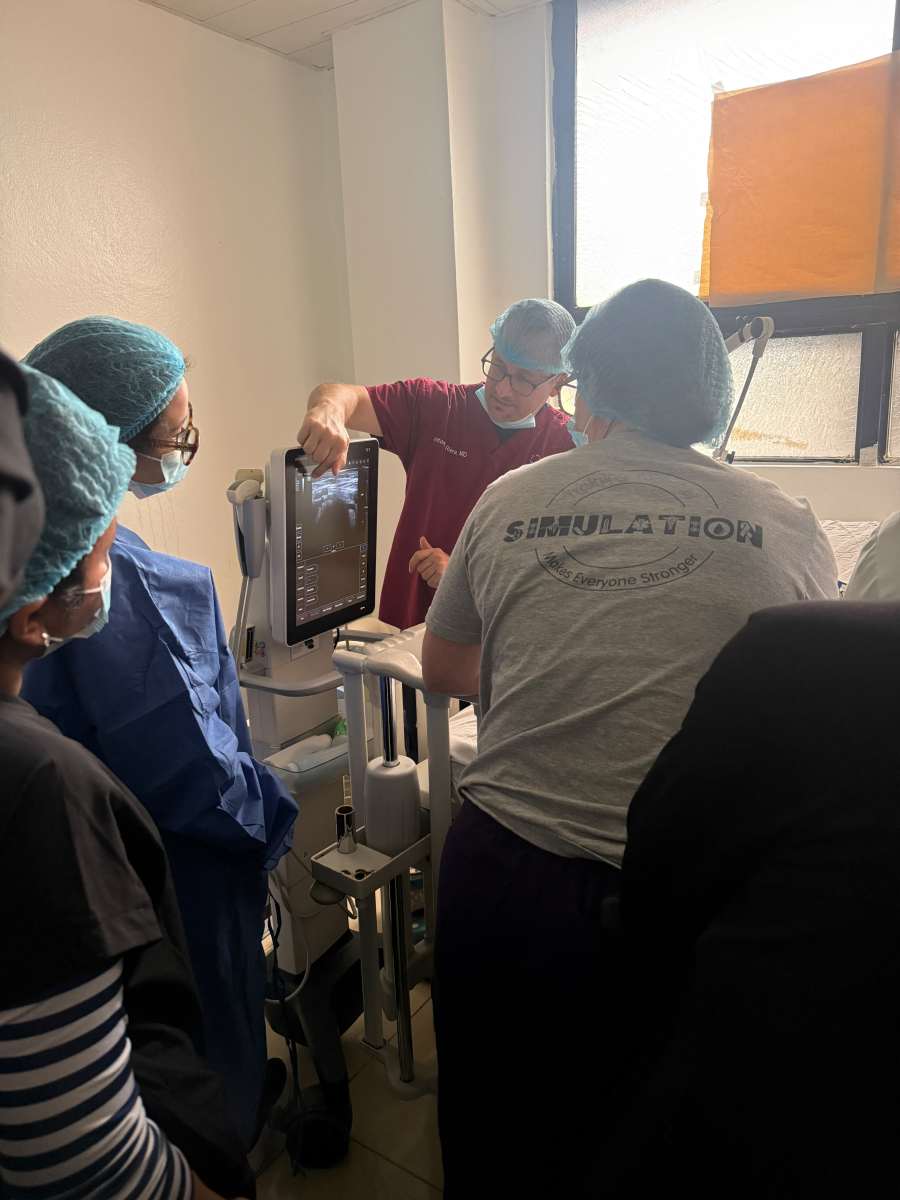

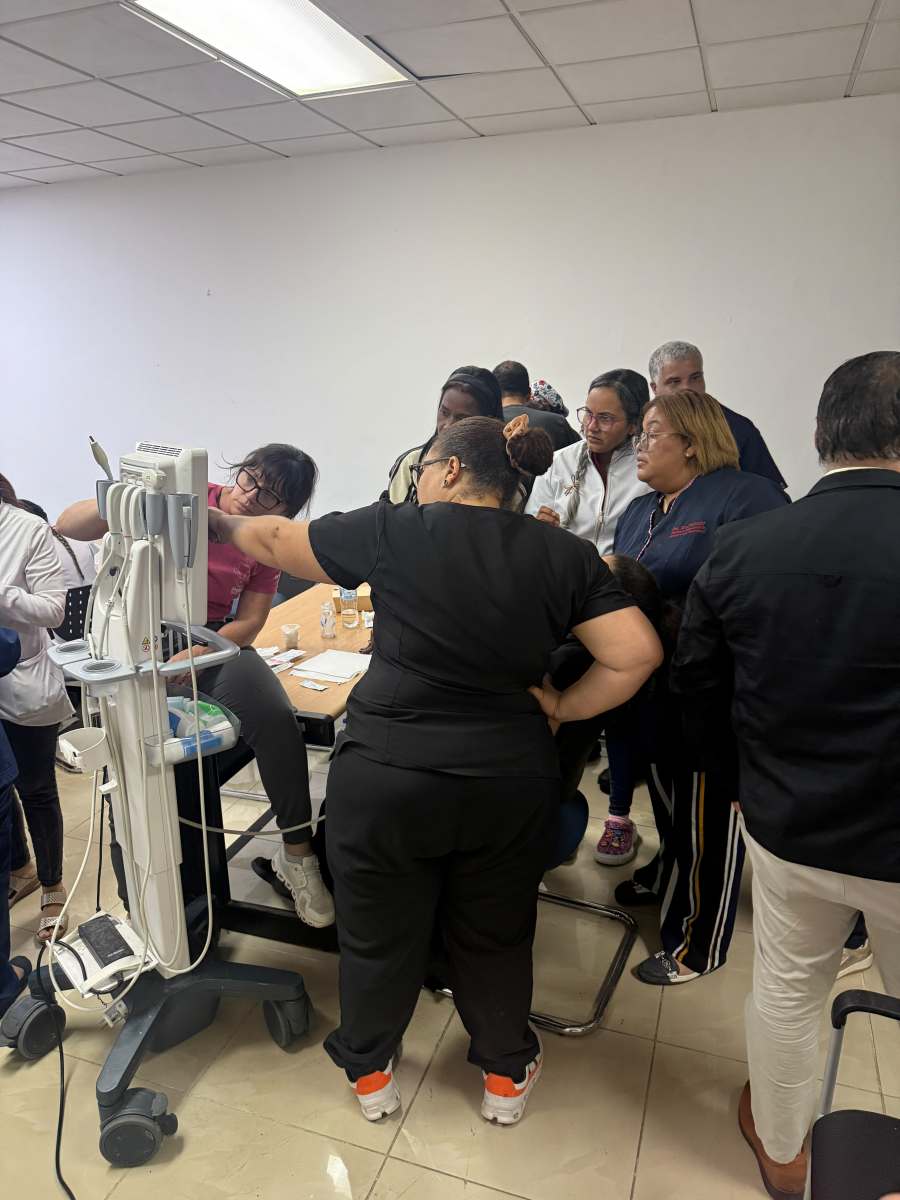
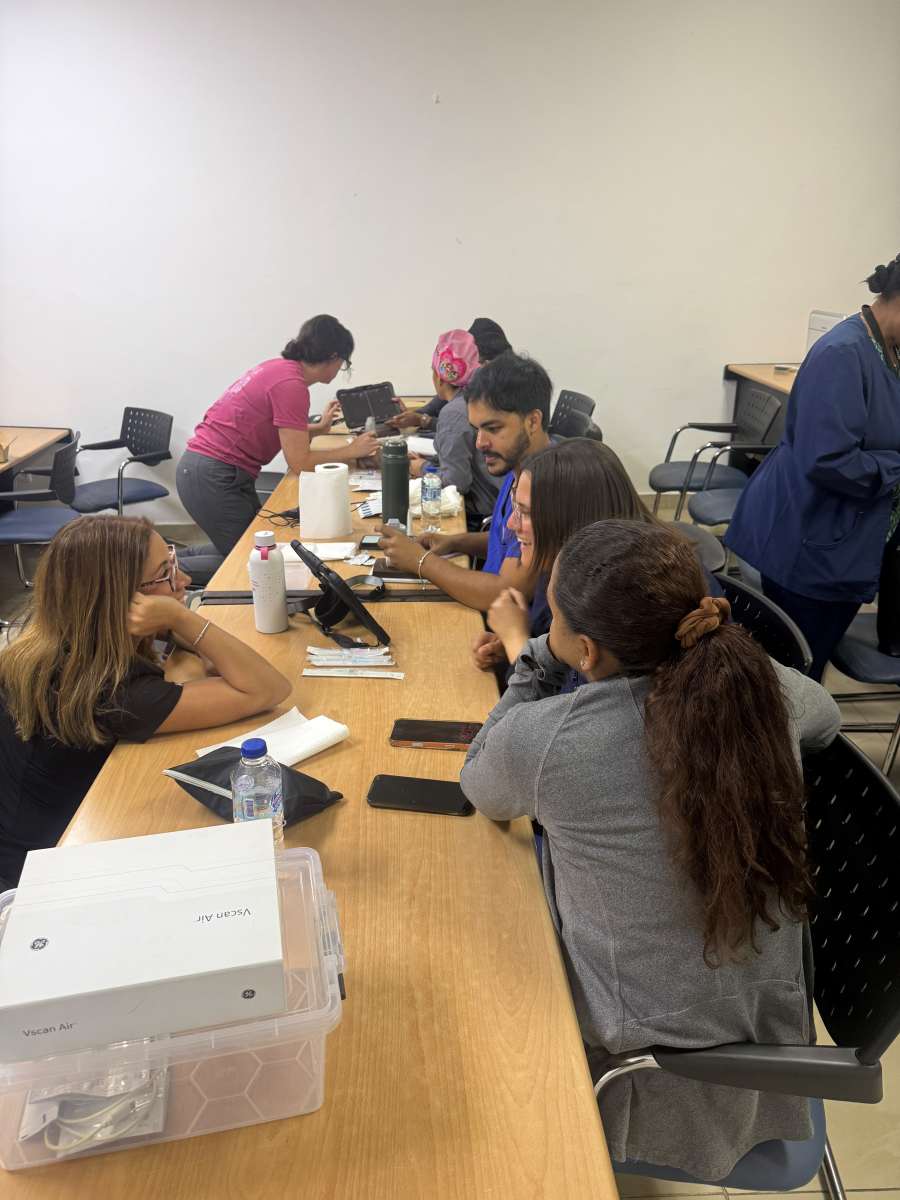
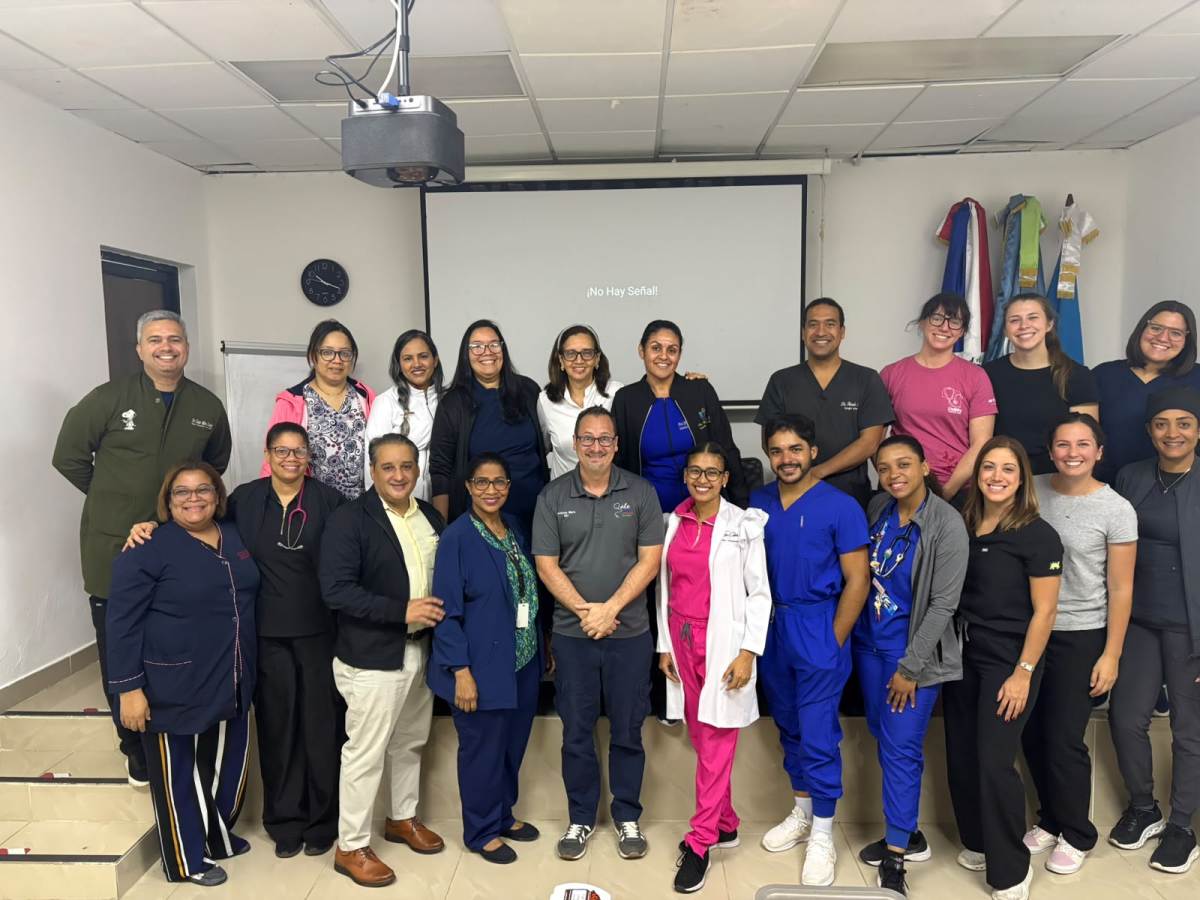
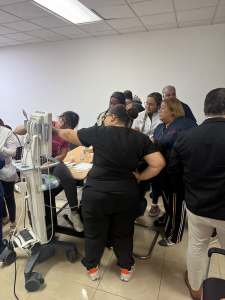
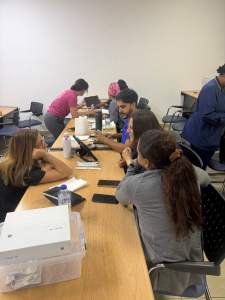
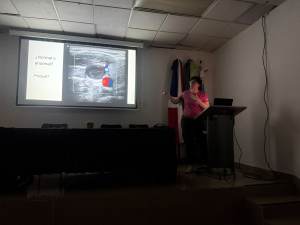
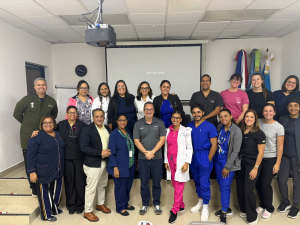
This trip represented far more than a series of educational workshops. It demonstrated the power of sustainable international collaboration and highlighted how focused, hands-on training can directly improve patient care for critically ill children.
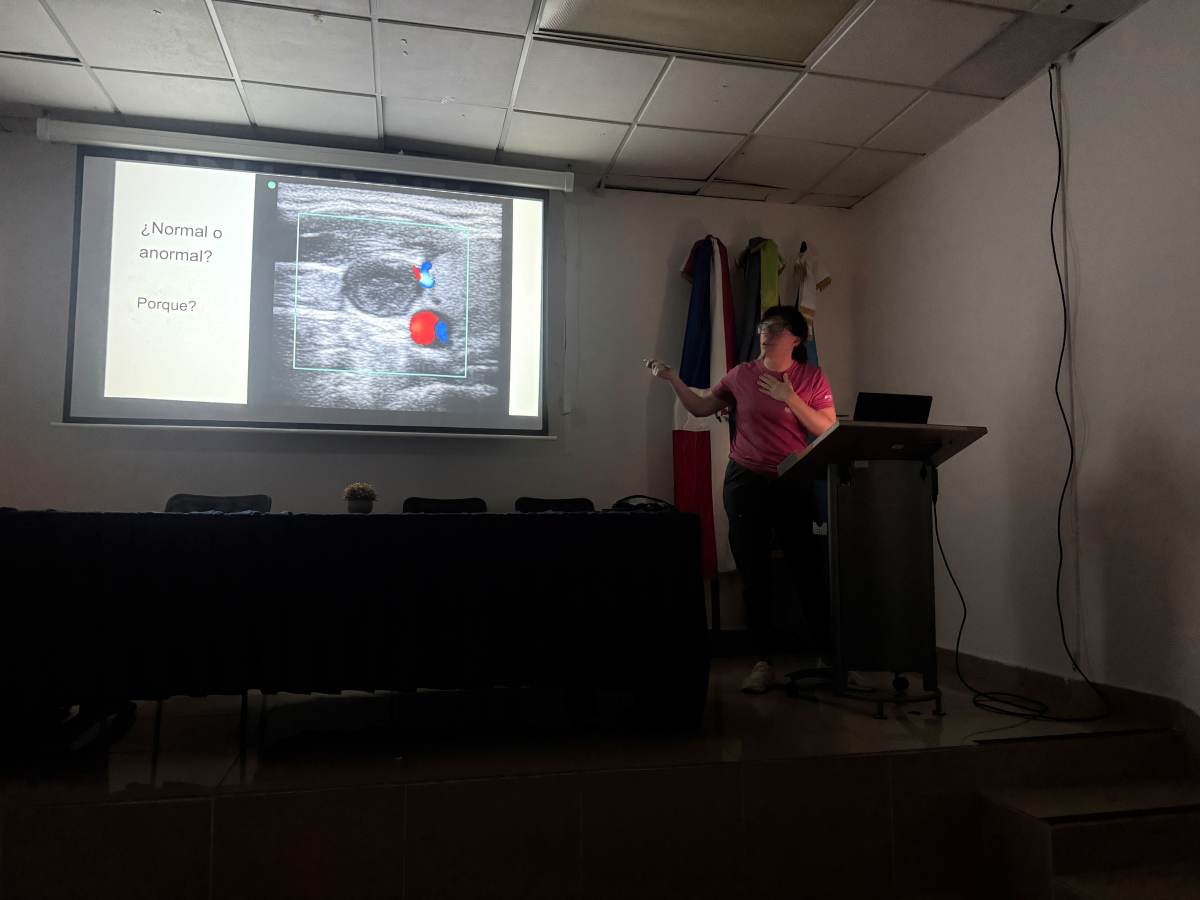
As part of an ongoing partnership between Robert Reid Cabral Hospital (RRC), the Medical College of Wisconsin, and Yale School of Medicine, we participated in a multi-day point-of-care ultrasound (POCUS) training program designed to strengthen the skills of healthcare providers caring for pediatric patients in high-acuity settings. Through a combination of didactic lectures, hands-on bedside instruction, simulation-based training, and image review sessions, we worked alongside residents, fellows, and attending physicians to build confidence and competency in the use of ultrasound at the bedside.
One of the most meaningful aspects of the trip was the enthusiasm and engagement demonstrated by the Dominican clinicians. Participants were eager to learn, actively sought feedback, and embraced opportunities to practice new skills. The collaborative “teach-alongside” model fostered a true exchange of knowledge, with local providers serving as co-educators and champions for future training efforts. This approach not only strengthened learning during the workshop but also promoted long-term sustainability and local ownership of the program.
A major focus of this year's training was ultrasound-guided central venous line (CVL) placement. While simulation and practice sessions were valuable educational tools, the most impactful moments occurred when we were able to demonstrate the benefits of POCUS in real time at the bedside. Working alongside clinicians in the Pediatric Intensive Care Unit and Emergency Department, we helped teams successfully use ultrasound guidance during CVL placement in critically ill children. These experiences transformed abstract concepts into tangible clinical benefits, allowing providers to directly observe how ultrasound improves visualization, increases procedural success, and enhances patient safety.
Beyond the technical skills acquired, this trip appeared to mark a meaningful shift in both knowledge and attitudes toward POCUS. Clinicians increasingly viewed ultrasound valuable tool that can improve diagnostic accuracy, procedural success, and patient outcomes. The excitement generated by seeing ultrasound successfully applied in real clinical scenarios reinforced its value and created momentum for continued adoption across departments.
The impact of this work extends beyond the patients treated during our visit. By equipping local clinicians with practical ultrasound skills and empowering them to teach others, the benefits of the training will continue to multiply long after the workshop has ended. Each successful ultrasound-guided procedure, each bedside diagnostic assessment, and each future learner trained by these providers represents an ongoing return on this investment in education.
Ultimately, this trip reinforced the transformative potential of POCUS in healthcare environments. This experience strengthened an ongoing international partnership, supported the continued growth of local ultrasound expertise, and reinforced our shared commitment to improving care for children. Witnessing the enthusiasm of the participants and the immediate clinical impact of ultrasound use made it clear that this collaboration is helping to build lasting capacity and improve pediatric healthcare delivery in the Dominican Republic.

