
University of California San Diego (UCSD) Department of Anesthesiology collaborates with the Department of Anesthesiology at Maputo Central Hospital (MCH) in Maputo, Mozambique by working together on research projects and providing education for the anesthesiology residents there. In this capacity, during this trip, I will be leading a team of an UCSD anesthesia resident and a critical care fellow to provide education about point of care ultrasound (POCUS) and regional anesthesia for the anesthesiology residents at MCH. The residency program at MCH does not have a dedicated regional anesthesia curriculum, so the application of one can help improve perioperative safety and outcomes. Additionally, the application of POCUS skills can assist with decision-making perioperatively and in the ICU. These are necessary skills for all anesthesiologists, especially those in countries with limited resources. We will also be working on research projects in the ICU and with obstetrics. In the ICU we are planning to assess the clinical profile of patients admitted in diabetic ketoacidosis (DKA) who don’t have a typical type 1 diabetes profile. These patients have an unknown mortality at MCH (given that there is no recorded data), but enough patients who would otherwise be productive members of society are dying due to DKA. By characterizing the epidemiology and outcomes of DKA in Maputo, this study aims to inform clinical management, guide public health interventions, and support future research tailored to the local context, ultimately contributing to improved care and outcomes for diabetic patients. The other project we are planning on starting is to improve post-partum hemorrhage outcomes for patients at MCH by instituting a modified massive transfusion protocol during cesarean sections. In Maputo, 25% of maternal mortality is due to post-partum hemorrhage, so this multidisciplinary project will help decrease that percentage. We will be working with obstetricians, nursing/operat
Mozambique is a country of 36 million people, with MCH being one of the two large public referral hospitals in the country of Mozambique. Thus, there are thousands and potentially millions of people who could benefit from our projects. Most people live in rural areas, however when critical care services are needed, people travel long distances to get to MCH. We will be specifically serving adult patients who present themselves or are brought to MCH. This population is critical to serve because chronic and noncommunicable disease processes are seen more frequently in countries with limited resources, thus serving this population may help improve outcomes as MCH is the main referral center for half of the country.
I expect that this trip, which is one of multiple trips our department conducts per year, will help improve the training of local Mozambican anesthesia residents and help promotion of local faculty given the scholarly projects we will be working on while there. Patients will benefit as well due to application of evidence-based initiatives and practices with our clinical projects. I expect learning to carry forward by regular follow up with the anesthesiology residency program director and incorporating regional anesthesia into their yearly curriculum. We plan to leave a portable ultrasound probe in Maputo so that other attendings and residents can continue to practice their ultrasound skills and teach others as they become more technically skilled. We are working very closely with local intesivists and internal medicine doctors to continue the work on the DKA research project, including data collection and analysis.
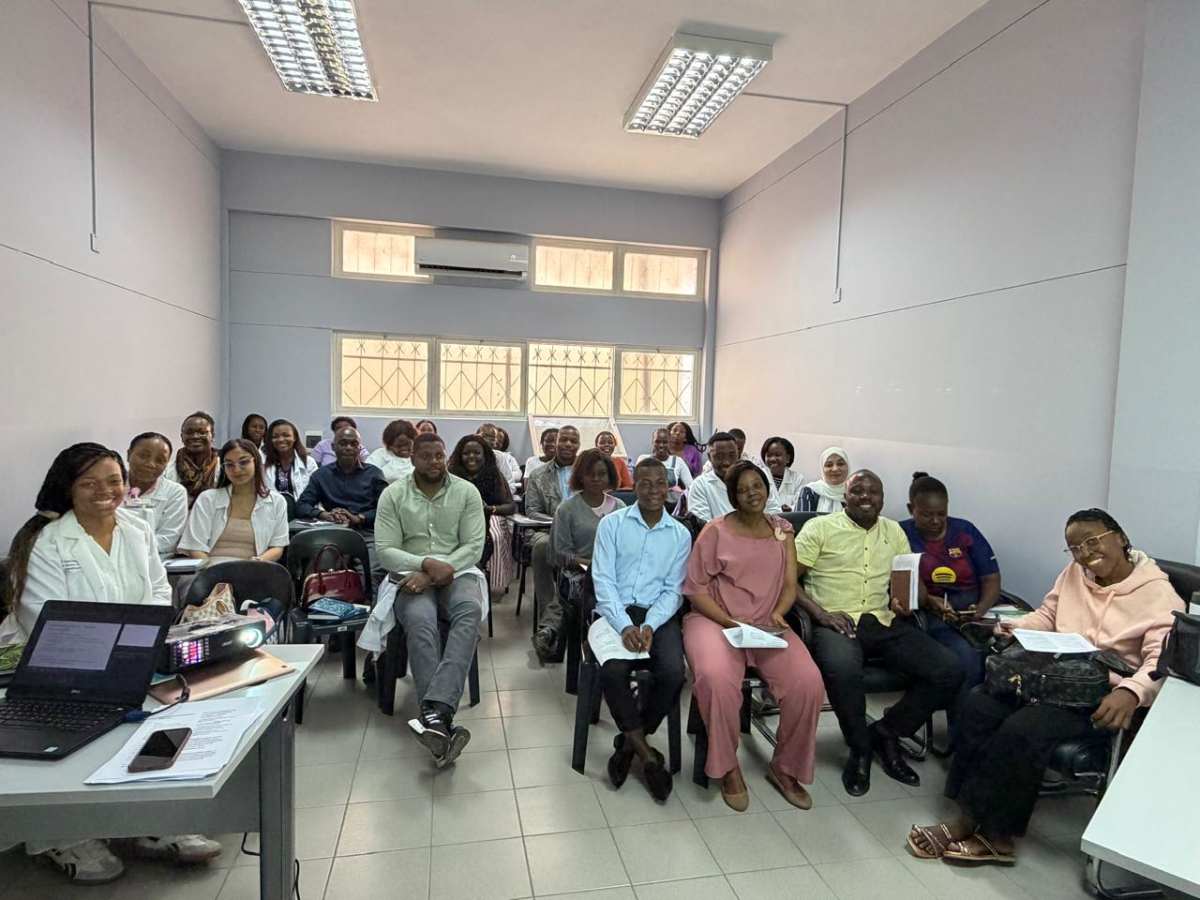
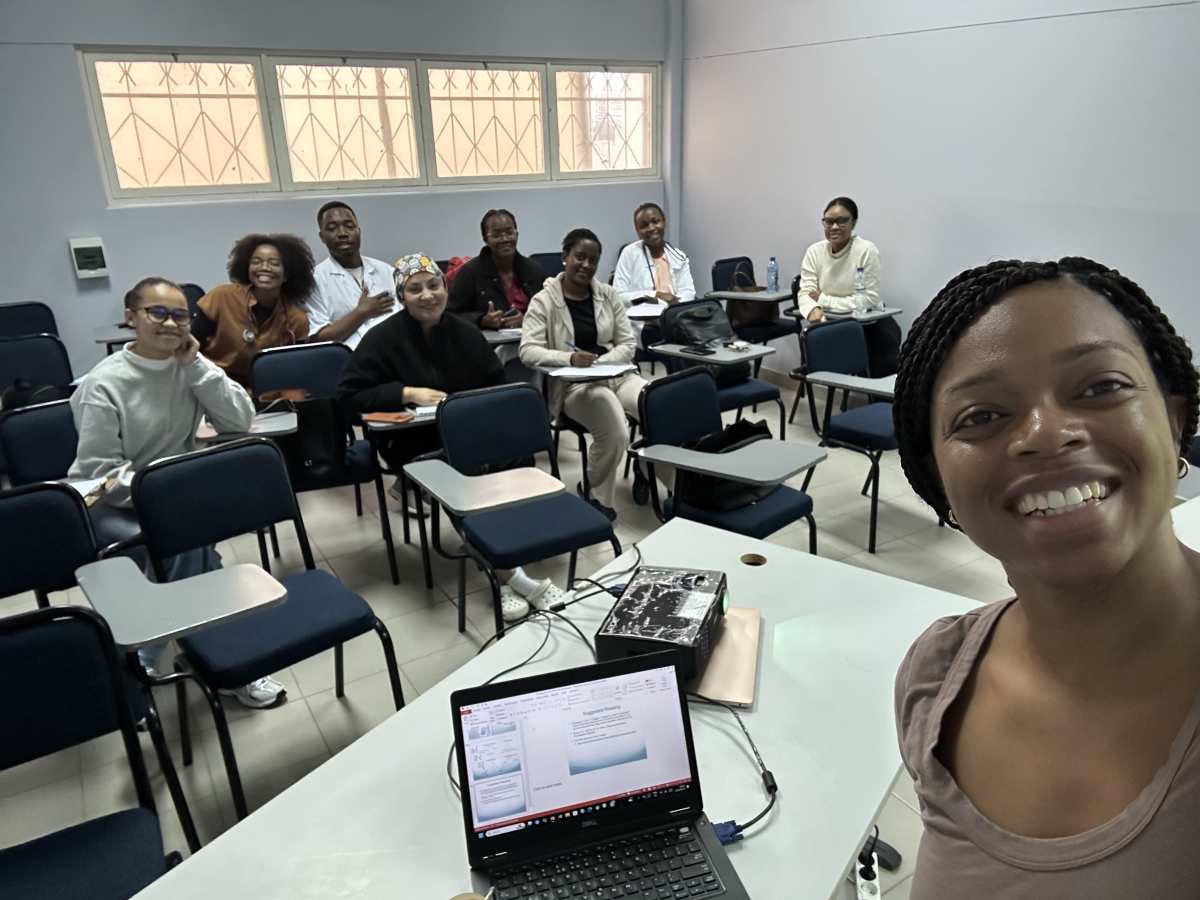
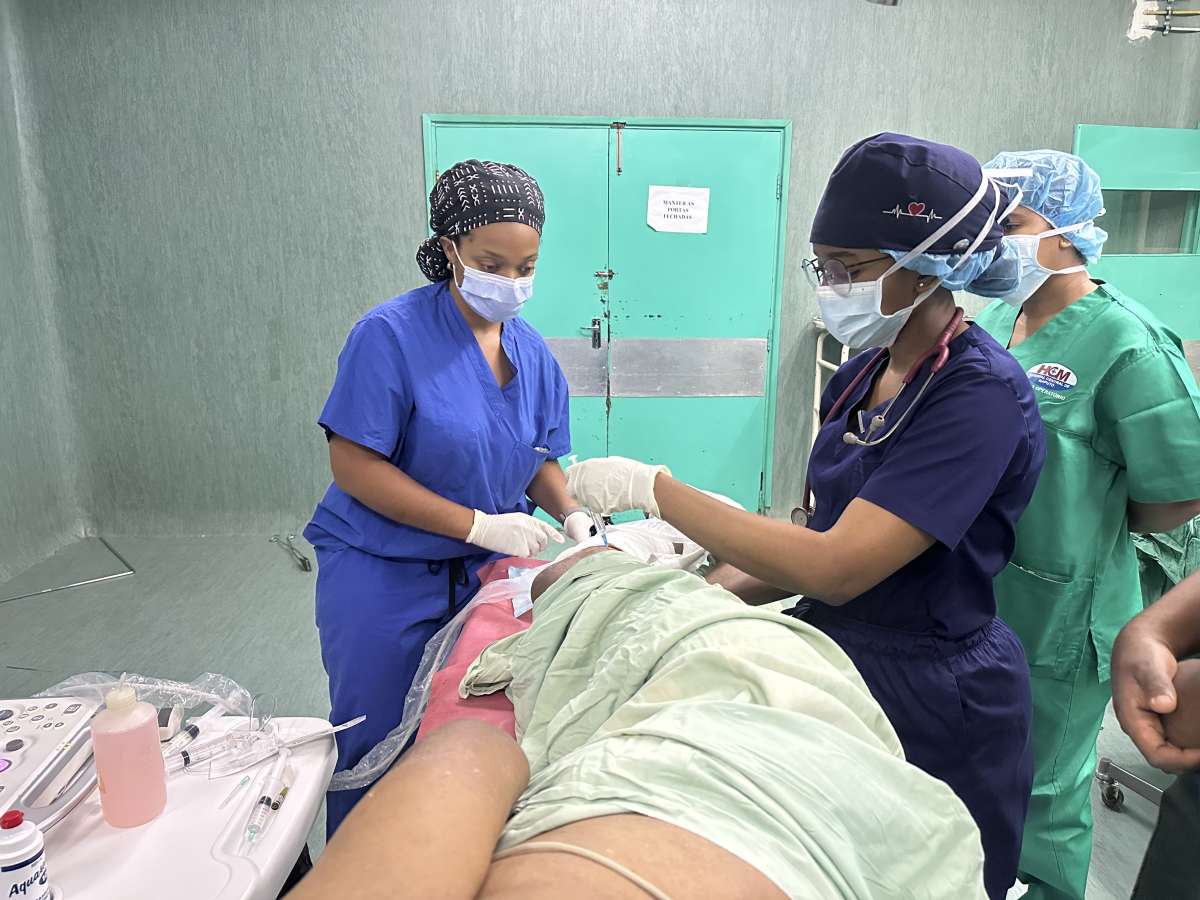

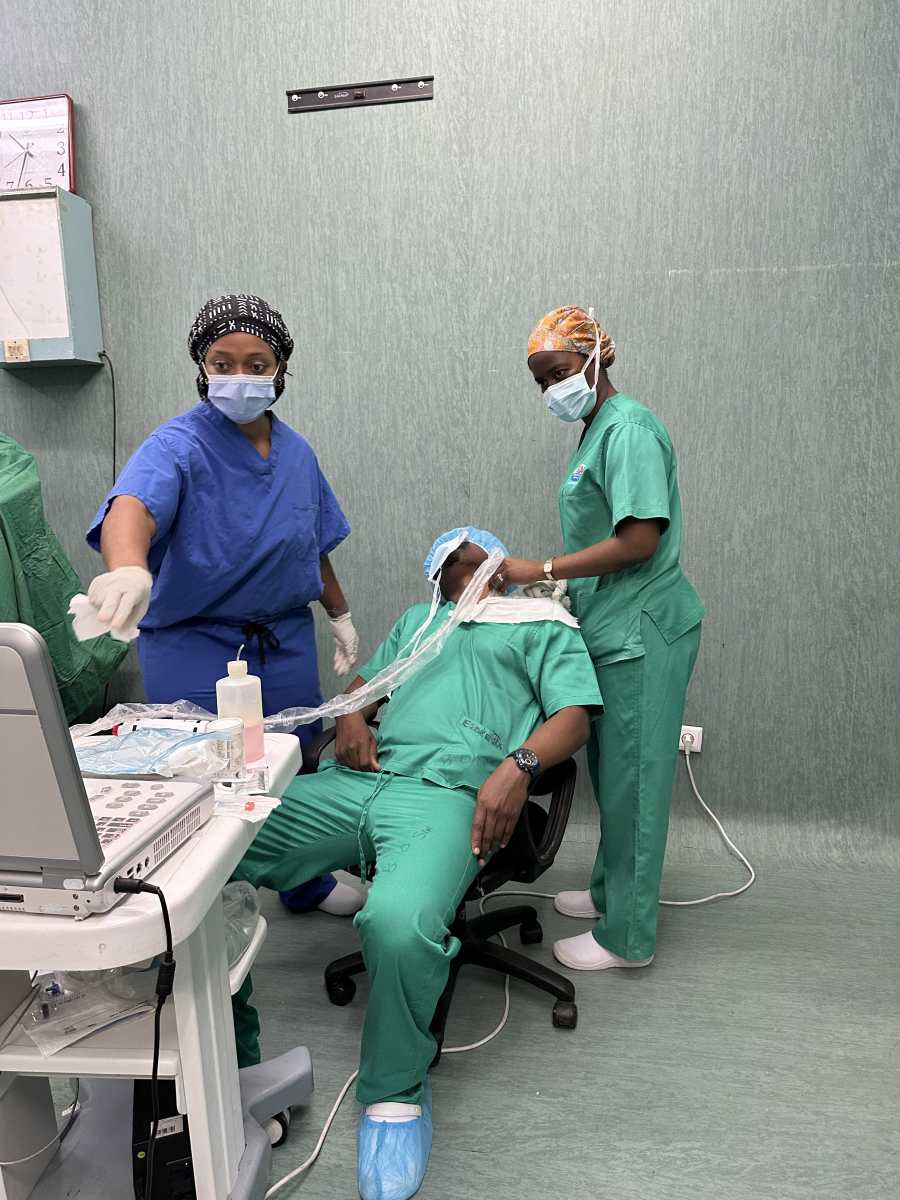
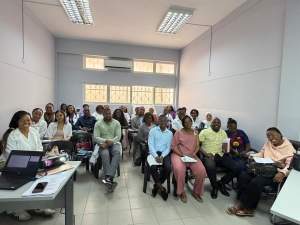
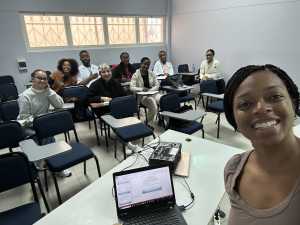
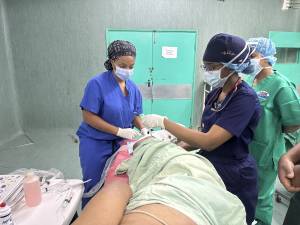
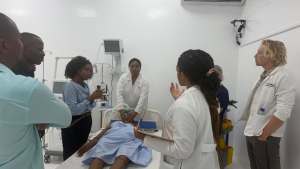

There were two main areas that the department of anesthesiology in Maputo wanted to focus on this trip: regional and obstetric anesthesia. We taught basic concepts about upper and lower extremity nerve blocks and reinforced some concepts about ultrasound. During our time there, there was a shortage of opioids for post-operative analgesia so performing peripheral nerve blocks was very impactful for patients. We focused also on discussing obstetric complications and anesthetic management of an obstetric emergency. We trained medical staff through simulation sessions of obstetric emergencies, complete with pre- and post-tests and debrief sessions to ensure comprehension. Our impact was broad, since we trained anesthesiologists, anesthesiology residents, anesthesia technicians, nurses and an emergency medicine resident. I also reached OB/GYN residents through lectures on trauma and emergency care in the obstetric patient. Throughout the trip there was an emphasis on teamwork and adjusting workflow to improve patient care and outcomes.

