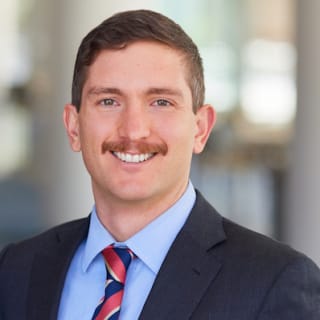
I will be traveling with a group from Brigham and Women's Hospital and Dana Farber Cancer Institute to Tashkent and the Andijan region of Uzbekistan to build Uzbekistan’s first colorectal cancer screening program. We will provide specialized consultations and treatments for patients with gastrointestinal and liver diseases, perform diagnostic and therapeutic endoscopies and colonoscopies, conduct hands-on training for faculty and clinical staff, and provide lectures on specialized topics in gastroenterology and hepatology to enhance the knowledge and skills of local healthcare professionals. We will assess and ensure the functional status of FIT (fecal immunohistochemistry test) and endoscopy equipment across participating hospitals in Uzbekistan. Additionally, medical material and equipment donations will be brought in to support the event.
Our program structure is to perform initial screening with FIT, which is a noninvasive, low-cost screening test for colorectal cancer, to identify patients with high likelihood of colorectal polyps or cancer and perform colonoscopies on those patients to resect high risk lesions. We will work with healthcare providers in Uzbekistan to share endoscopic skills and knowledge, lead didactic sessions teaching concepts in gastroenterology, and build outreach programs to broaden awareness of colorectal cancer and screening. We will work with public health administration in Uzbekistan to build colorectal and gastric cancer screening programs for the people of Uzbekistan.
These interventions will make a difference by instituting a program to detect early colorectal cancer, spread awareness of colorectal cancer, strengthen Uzbekistan’s public health infrastructure, and directly reduce morbidity, mortality, and cost associated with a leading cause of cancer death.
The direct population served by our project is the people of the Andijan region of Uzbekistan, the pilot site for our proposed colorectal cancer screening program which is a rural area without the same resources of the capital Tashkent. Access to cancer screening resources and skilled endoscopists is extremely limited in Andijan. Socioeconomic and cultural barriers combine with low awareness of cancer prevention strategies to further suppress interactions with the healthcare system that could result in early identification of cancerous lesions. Patients often present with late-stage colorectal cancer (in contrast to in the US, where robust screening programs identify pre-cancerous lesions to prevent progression of disease). Mortality from colorectal cancer is therefore significantly higher in Uzbekistan compared to the US and causes great strain on the public health system. Patients with lower socioeconomic status often cannot afford treatment for colorectal cancer. Each colonoscopy that we will perform will thus be expected to prevent substantial morbidity, mortality, and cost on an individual scale.
Furthermore, spreading our work in Andijan across the rest of Uzbekistan will extend that impact at the population level. The government of Uzbekistan is invested in building national cancer screening programs to protect its citizens’ health and improve the efficiency of the public health system. Our work will therefore benefit the population of the entire country by developing a system that will prevent widespread mortality from colorectal cancer. By educating gastroenterologists and other healthcare providers in Andijan and Tashkent, we will also be improving the expertise of the country’s healthcare system.
Our project is aimed at building a colorectal cancer screening program that can persist after our mission is complete and ultimately scale across the entire country. Our pilot program in Andijan will include a robust infrastructure for population-level FIT, a cohort of skilled endoscopists who can safely perform colonoscopies on patients with positive FIT screening, and a local society with increased awareness and enthusiasm for colorectal cancer screening. We will execute these goals through didactic sessions and demonstrations with local healthcare providers and gastroenterologists, providing hands-on instruction on endoscopic skills.
The impact will compound as our colorectal screening program is implemented in other regions of Uzbekistan. As more patients are offered FIT screening, more positive tests will lead to colonoscopy and resection of cancerous or precancerous lesions. More morbidity, mortality, and cost will be prevented. As we teach more local endoscopists, they will be able to share their skills and develop endoscopy training programs to bring expertise to additional regions of the country, broadening colonoscopy capacity. Our ultimate goal is a self-sufficient colorectal cancer screening program that reaches every region of Uzbekistan to screen the entire population and perform follow-up colonoscopy at local endoscopy centers.

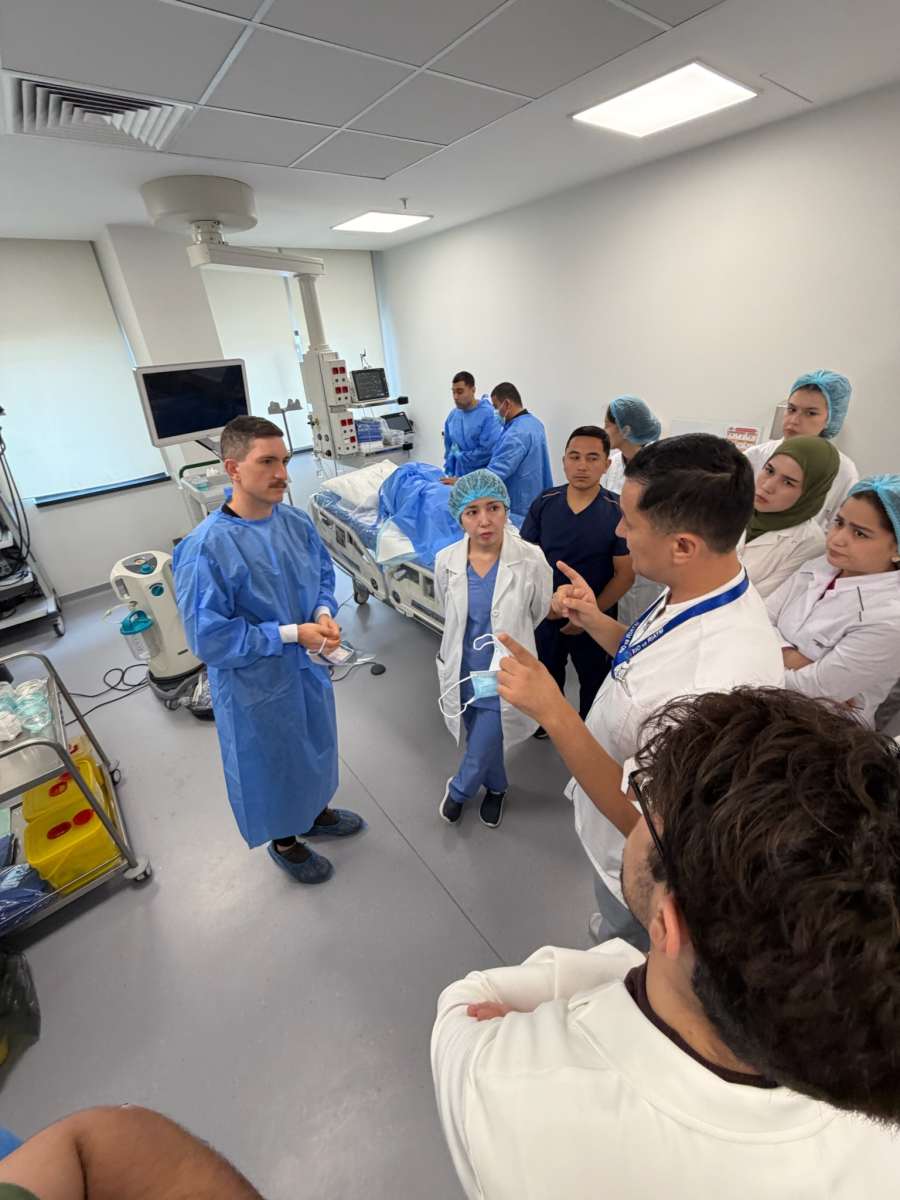
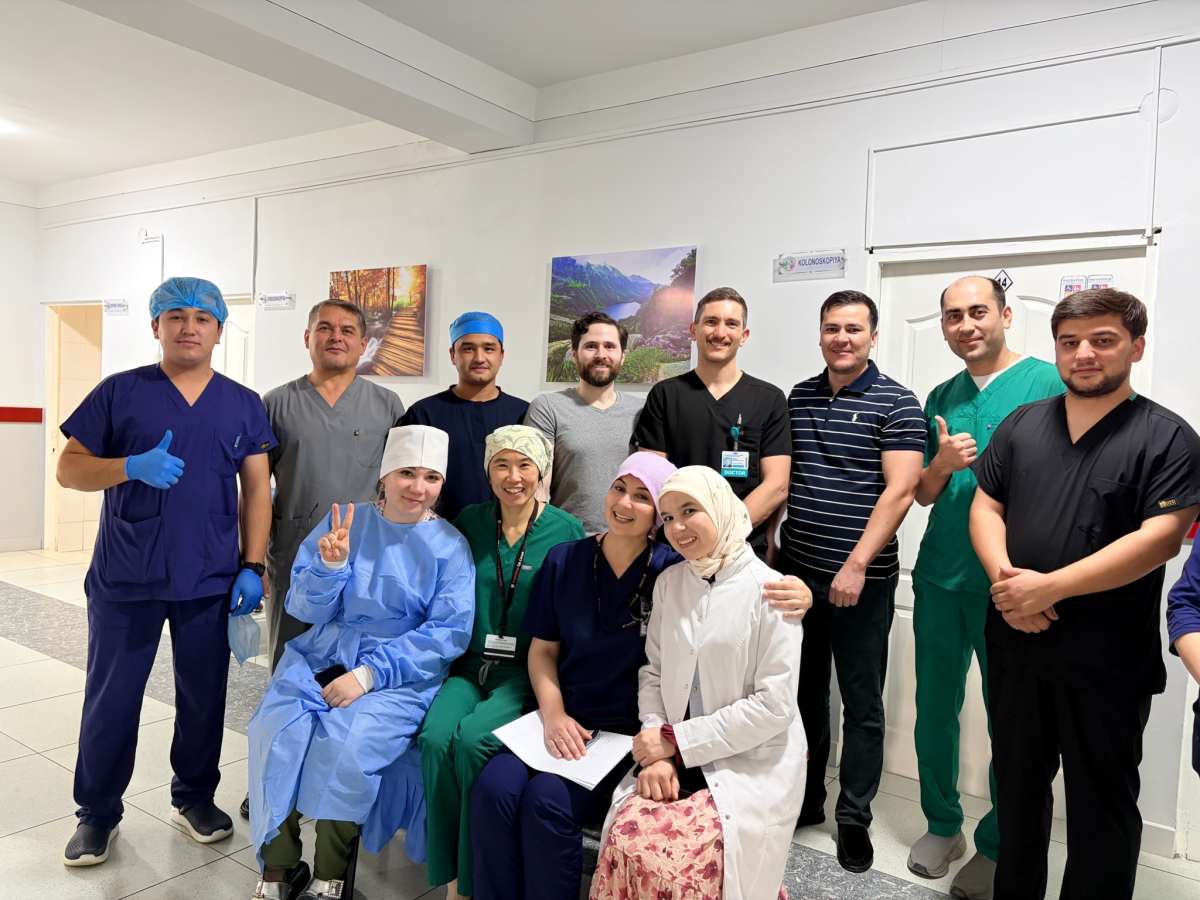
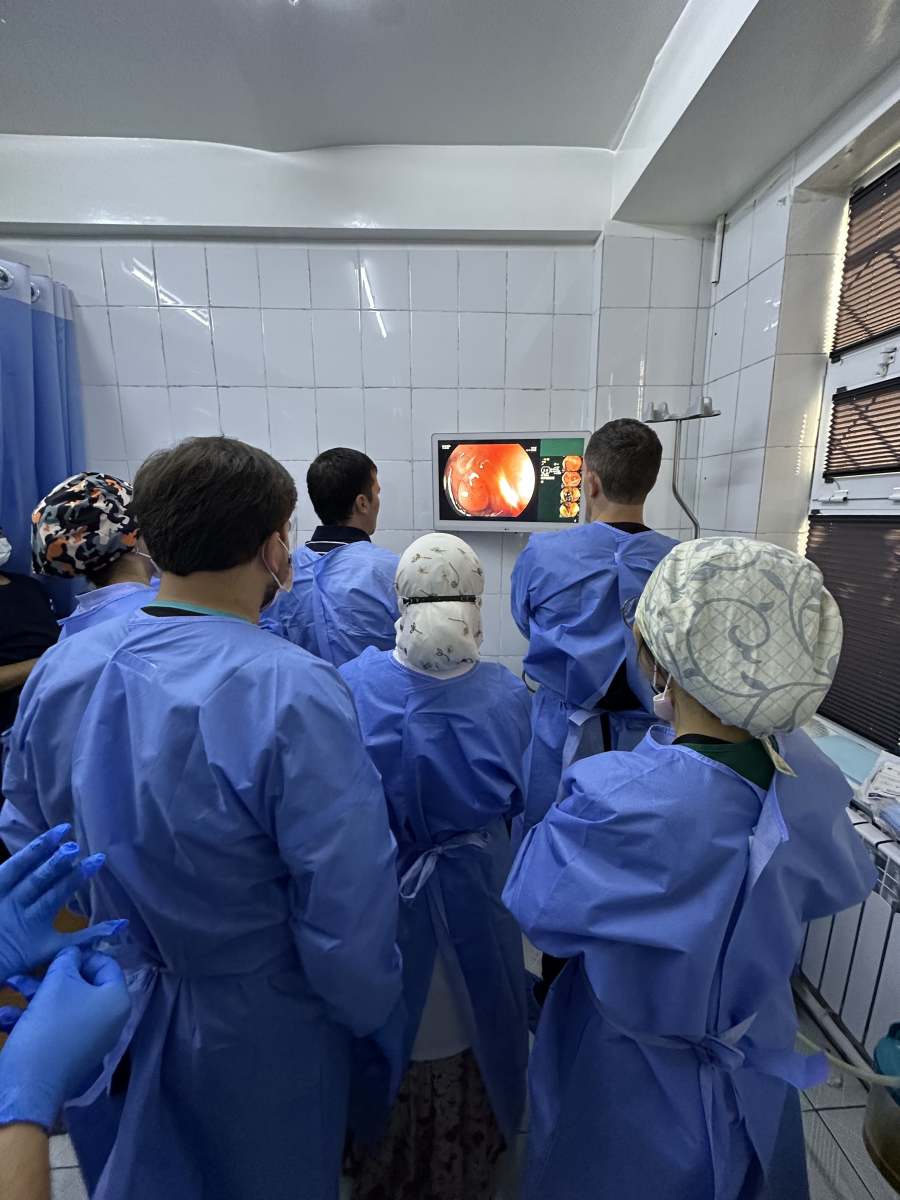
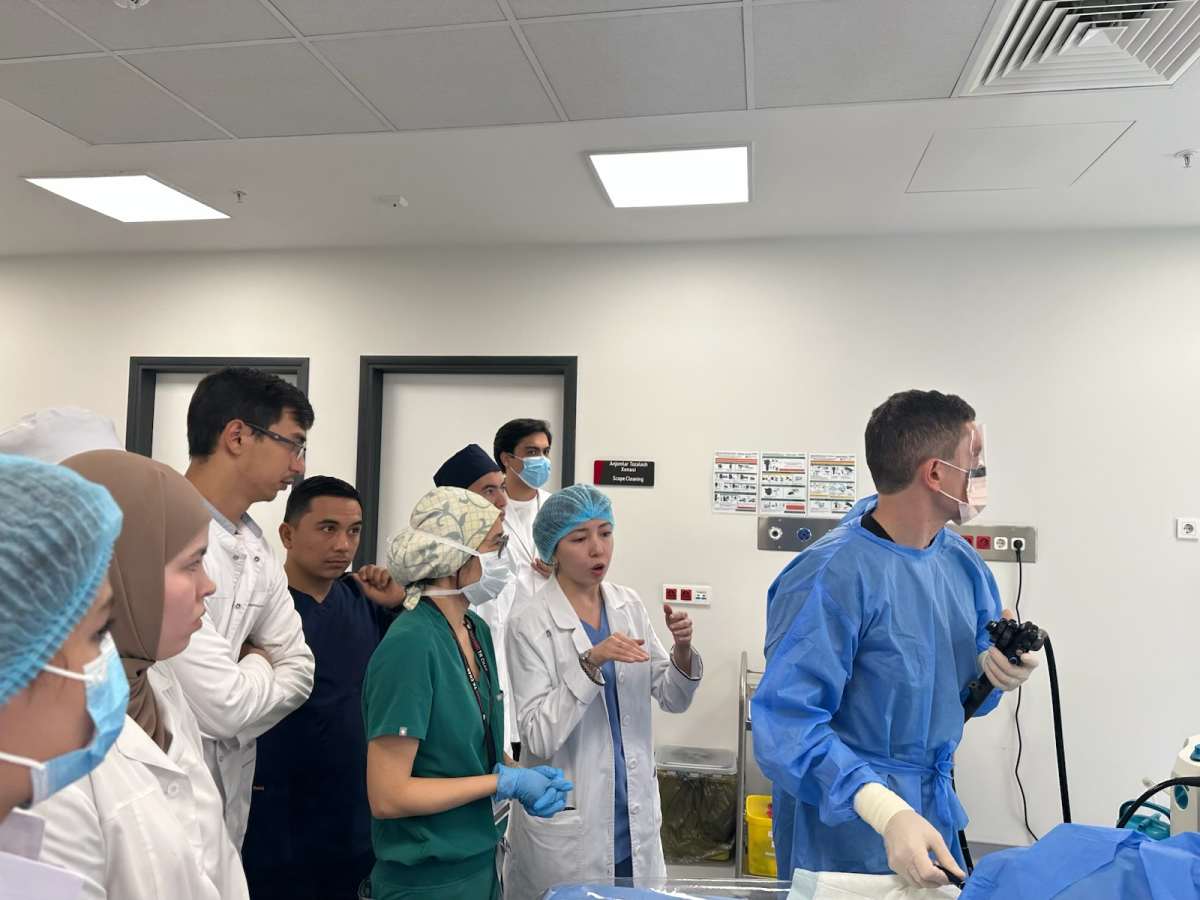
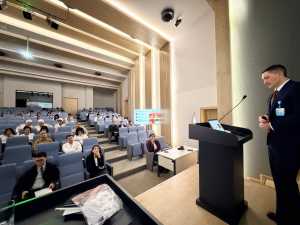

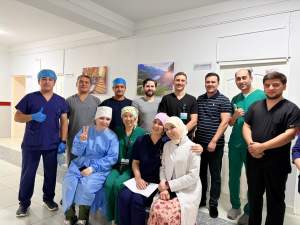
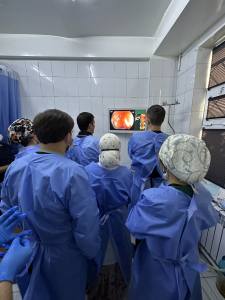
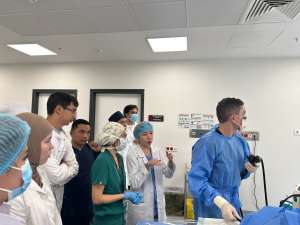
Uzbekistan does not have any formal cancer screening programs, and colorectal and gastric cancer have a high incidence with a very high mortality rate as most cases are caught in advanced stages. Dana Farber Cancer Institute partnered with the Uzbekistan Ministry of Health to develop cancer screening programs for colorectal, gastric, prostate, breast, cervical, and lung cancers. Our mission comprised phase 2 of our project to develop a screening program for colorectal cancer. We began in Tashkent, where we were hosted by the onco-proctology department at the Republican Medical Center of Oncology and Radiology. We gave a platform presentation to students and providers at the Medical Center outlining the structure of our screening program (initial fecal immunohistochemistry test (FIT) screening, followed by colonoscopy for positive FIT). My segment of the presentation instructed proper colonoscopy and polypectomy technique and the features of a high-quality colonoscopy. We then performed endoscopies and colonoscopies with the endoscopists at the Medical Center, demonstrating proper technique. We met with the Deputy Minister of Health to share our thoughts on the state of colonoscopy and colon cancer prevention in Uzbekistan.
We then traveled to Andijan, a city in the Eastern part of Uzbekistan, and visited the Andijan Regional Multidisciplinary Medical Center, whose resources and expertise are far more limited than in Tashkent. We began with a similar presentation and proceeded with more hands-on training in endoscopy and colonoscopy. Andijan is our pilot site, where we had distributed 100 FITs, and we called in all the patients with a positive FIT for colonoscopy.
During our time in Uzbekistan, we were able to identify many areas for improvement, including patient education, anesthesia administration, effective bowel preparation, colonoscopy technique, polypectomy strategies, and access to colonoscopy. Our hands-on clinical training sessions will hopefully have bolstered the skills of local endoscopists to better provide effective colonoscopies to the local population. We hope to continue our partnership with the Uzbekistan Ministry of Health to scale our colon cancer screening program to other regions across the country, develop a national colonoscopy standard to improve colonoscopy quality, and return to provide additional clinical training in Tashkent, Andijan, and other cities.

