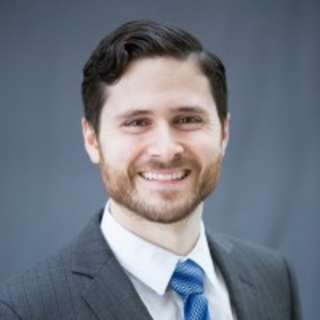
I will be traveling to the Andijan Region in Uzbekistan in collaboration with the Dana-Farber Cancer Institute Center for Global Health to be a part of Uzbekistan’s first structured colorectal cancer (CRC) early-detection program. At present, Uzbekistan has not yet implemented an organized CRC screening program at the primary care level, with diagnosis and treatment pathways currently focused around advanced disease. This project will assist with supplying and instituting a standardized program revolving around Fecal Immunochemical Testing (FIT), which represents a low-cost, non-invasive screening test with the potential to transform CRC screening with improved adaptation. This initiative is supported greatly by the government of Uzbekistan; in a decree issued on June 24th, 2026, President Mirziyoyev announced the creation of a National Cancer Control Program with a dedicated plan to improve screening protocols and clinical pathways. In this decree, he formalized the grant project titled “National Early Detection Program for Cancer in Uzbekistan” in formal partnership with Harvard University Affiliated Hospitals and the Dana Farber Cancer Institute.
As a gastroenterology follow and board-certified internal medicine physician, my role would be to provide education on FIT testing logistics and implementation, teaching regarding colorectal cancer management pathways, and didactic and hands on education on endoscopy and colonoscopy technique. This trip would also afford the unique opportunity for coordinated meetings with Uzbekistani public health officials.
The above work will make a difference in improving cancer screening in an underserved country, supported by both a blossoming infrastructure and eagerness for support and education. We feel this partnership will ultimately form the backbone of a robust screening and surveillance system with pathways with immense potential to develop longstanding and clinically significant care pathways.
The primary beneficiaries of this project will be the residents of Uzbekistan’s Andijan Region, where the national colorectal cancer early detection program is being piloted, and ultimately the country’s population of approximately 35–39 million as the initiative expands nationwide. Cancer represents a significant and increasing public health challenge in Uzbekistan. In 2020, 20,855 people died from cancer, and the World Health Organization projects that annual cancer deaths will increase by approximately 81%, surpassing 37,000 by 2040. In the absence of an organized primary care screening program, colorectal cancer is often diagnosed at an advanced stage. Many patients in Uzbekistan present with Stage II disease or later, contributing to preventable mortality and placing additional strain on the healthcare system. It was this unfortunate reality that inspired the initial partnership between the Andijan Region of Uzbekistan with the Dana-Farber Cancer Institute Center for Global Health.
This population faces multiple barriers to timely screening and diagnosis. Screening services are concentrated in specialized oncology centers rather than being integrated into primary care, while trained endoscopy specialists remain limited in number and unevenly distributed across the country. Sociocultural and gender-related factors further reduce participation in screening programs, and limited public awareness of cancer prevention contributes to delayed diagnosis.
In addition to patients, we hope to likewise provide invaluable skills and education to local clinicians, nurses, and other healthcare workers that will allow them to continue to provide care to patients after we leave. By starting this network locally, we anticipate it will continue to grow throughout the greater region and, ultimately, across Uzbekistan.
The expected impact of this project is the successful early implementation of a colorectal cancer screening program that is safe, standardized, and capable of expanding nationwide. In the near term, my work will contribute tangible outcomes, including improved provider knowledge and confidence in FIT-based colorectal cancer screening, enhanced endoscopy skills, and strengthened treatment pathways.
The long-term impact extends beyond the initial rollout of the program. As FIT-based screening identifies more patients requiring diagnostic colonoscopy, demand for high-quality endoscopic services will continue to increase, creating an ongoing need for provider education, technical training, and quality improvement. By helping establish a sustainable foundation for endoscopy training and standardized clinical practice, this initiative can support the continued expansion of colorectal cancer screening. Over time, earlier detection and treatment should lead to measurable reductions in advanced-stage colorectal cancer and associated mortality.
As a gastroenterology fellow, participating in the early development of a national colorectal cancer screening program represents a unique opportunity to develop as both a clinician and an educator. Teaching colorectal cancer screening strategies and endoscopic techniques in a resource-limited setting will strengthen my ability to communicate complex procedural concepts, adapt training to diverse clinical environments, and implement evidence-based quality improvement initiatives. Exposure to the challenges of delivering high-quality care in resource-constrained environments will strengthen my clinical judgment, adaptability, and appreciation for efficient, patient-centered care, all of which represent attributes that I will bring back to my institution and apply to improving access, quality, and safety for patients in the United States.
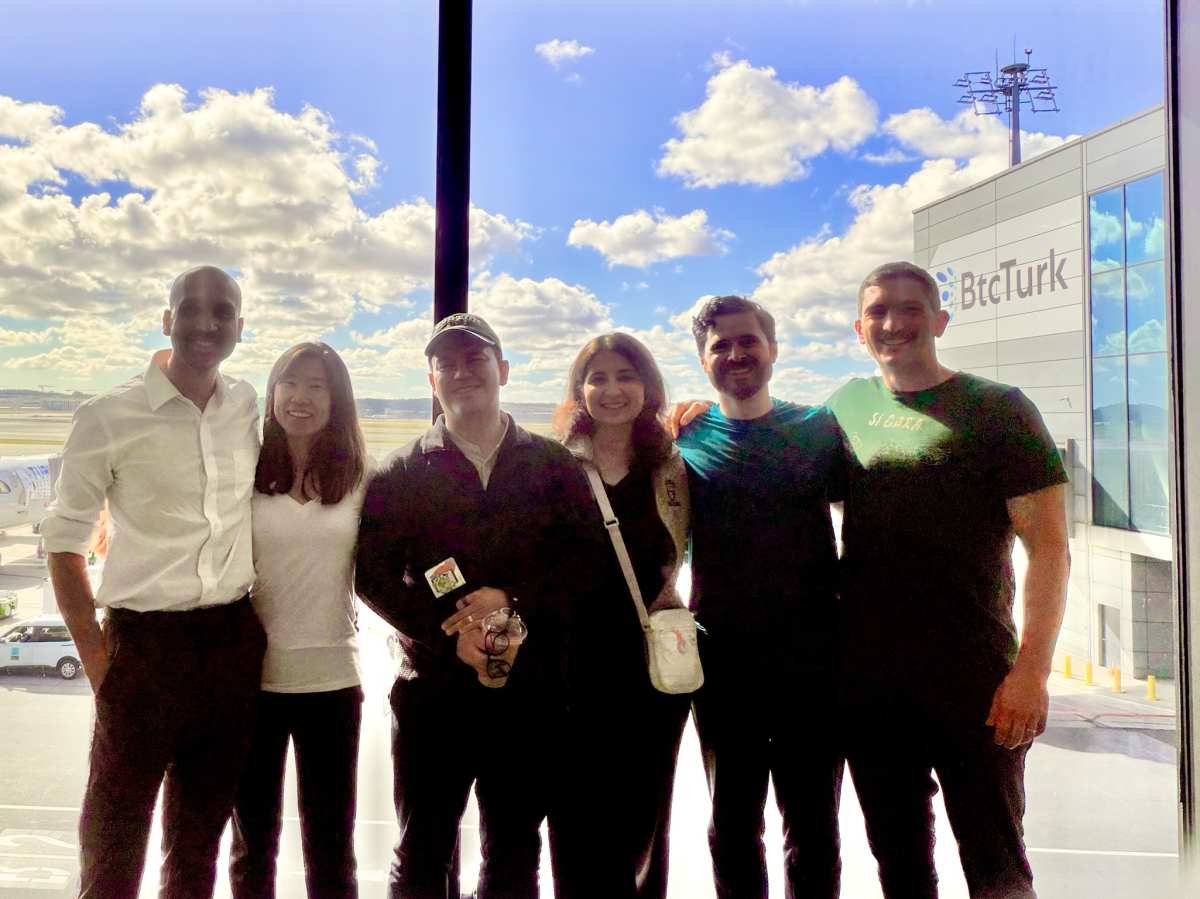
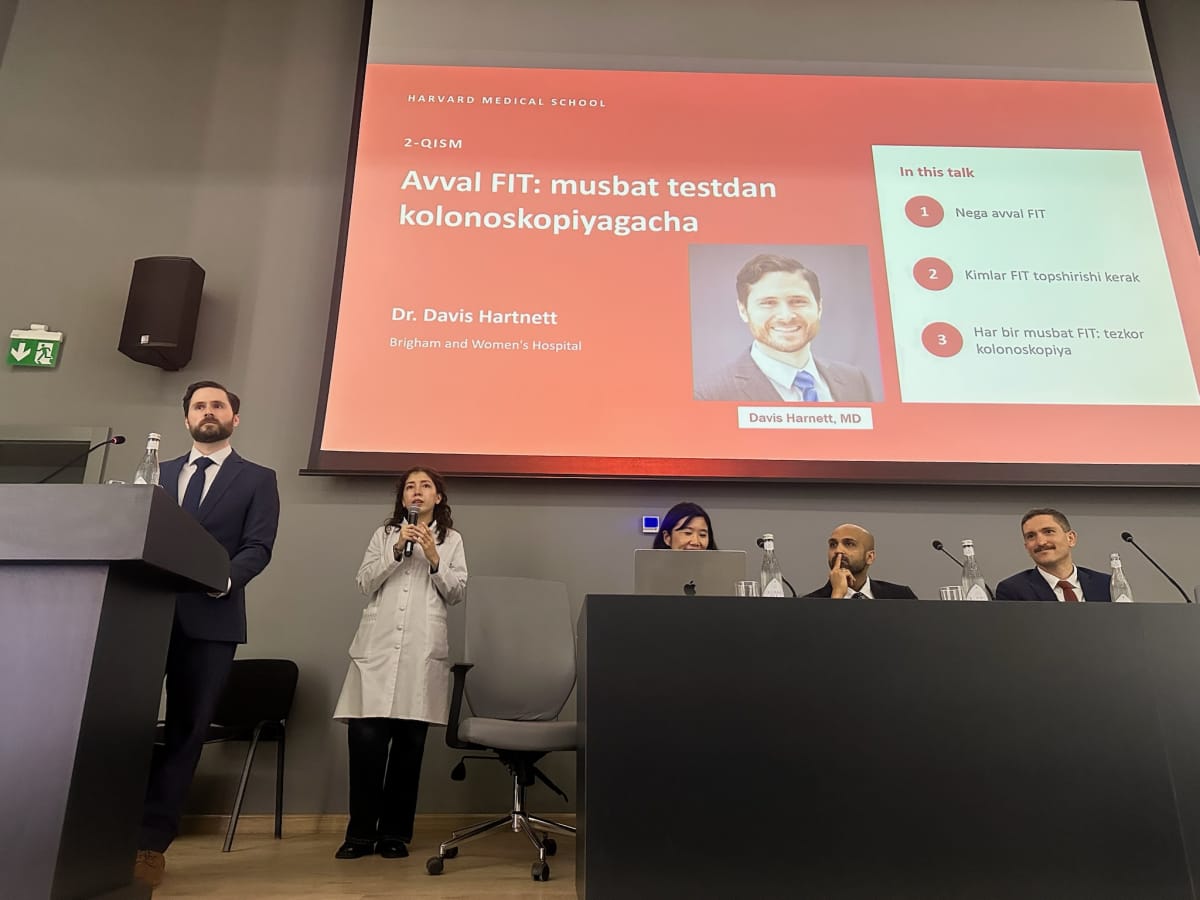
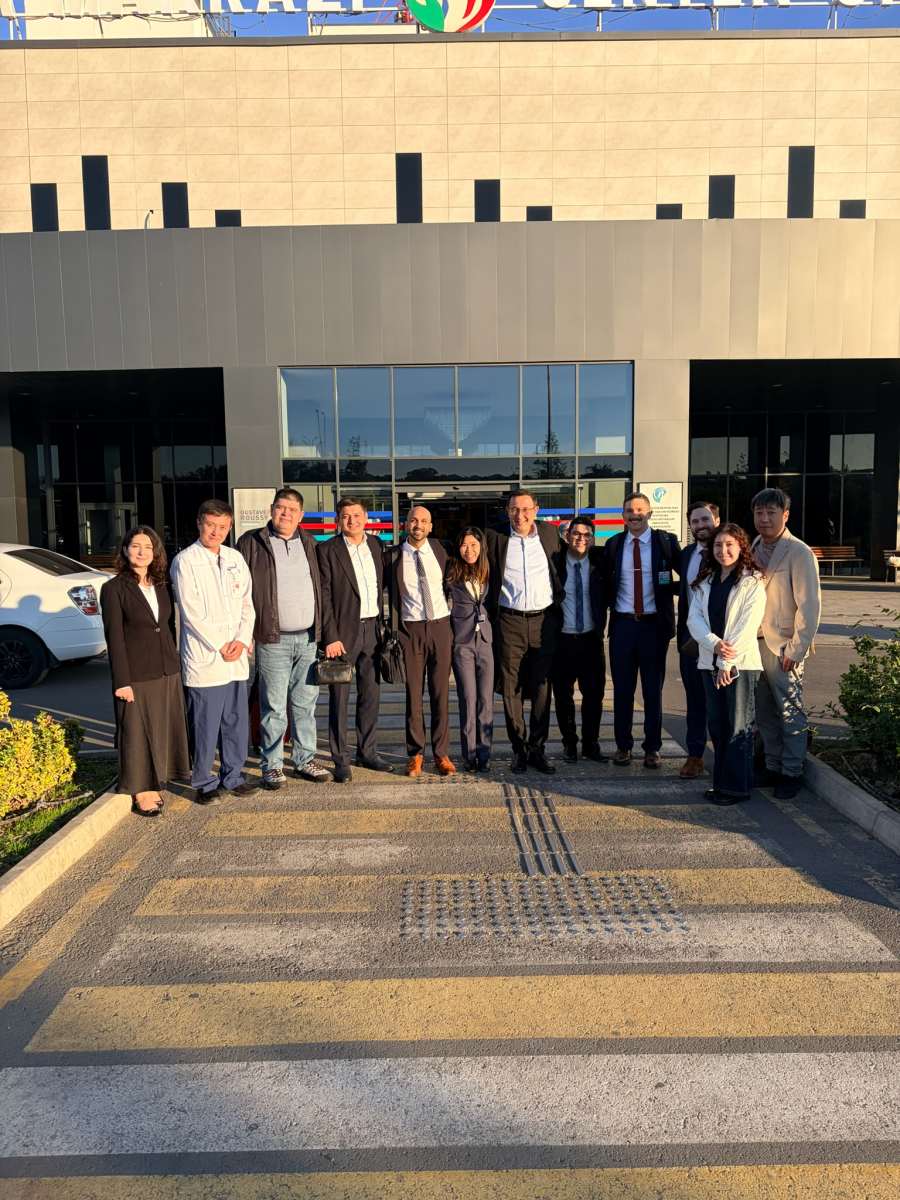


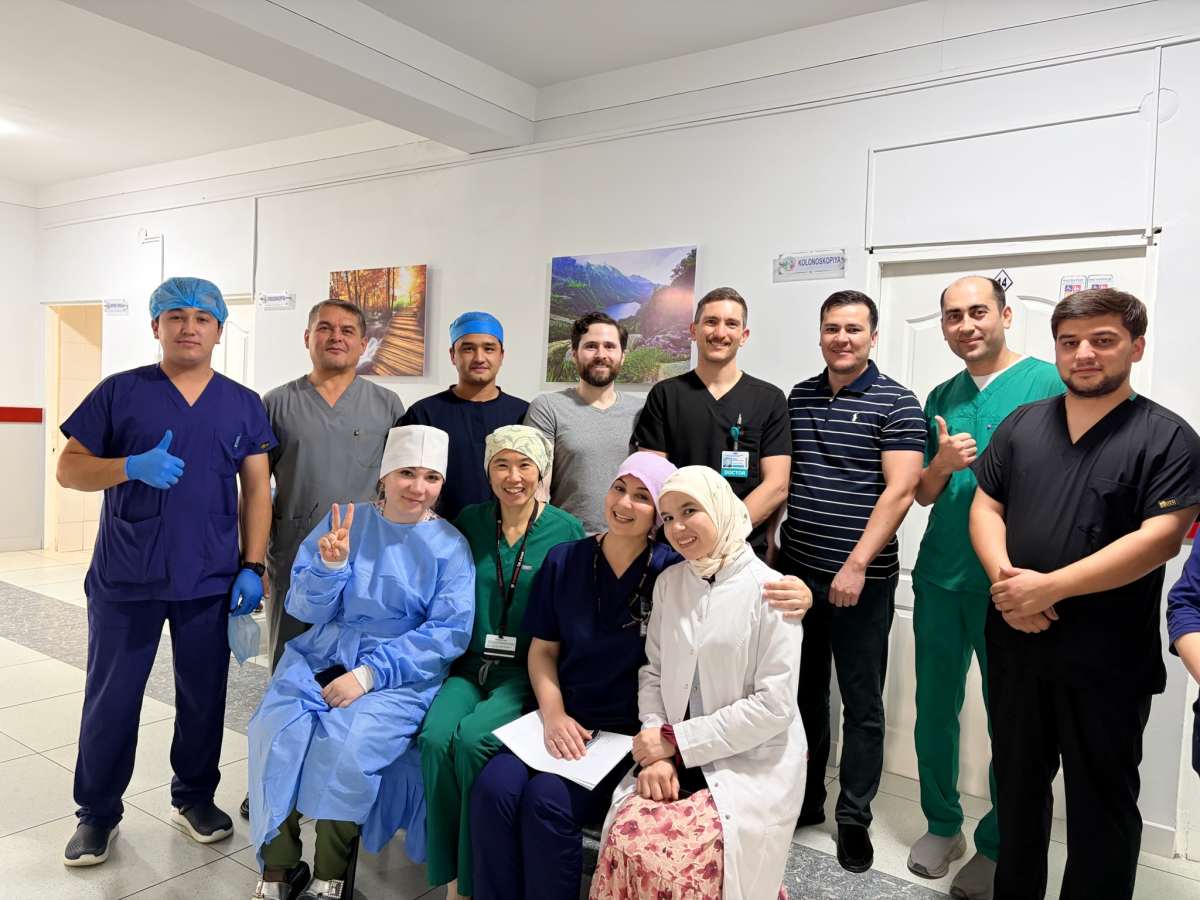

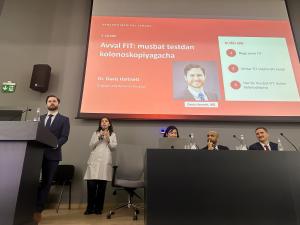

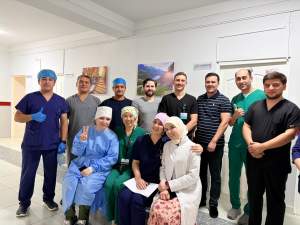
Uzbekistan does not have any formal cancer screening programs, and colorectal and gastric cancer have a high incidence with a very high mortality rate as most cases are caught in advanced stages. Dana Farber Cancer Institute partnered with the Uzbekistan Ministry of Health to develop cancer screening programs for colorectal, gastric, prostate, breast, cervical, and lung cancers. Our mission comprised phase 2 of our project to develop a screening program for colorectal cancer. We began in Tashkent, where we were hosted by the onco-proctology department at the Republican Medical Center of Oncology and Radiology. We gave a platform presentation to students and providers at the Medical Center outlining the structure of our screening program (initial fecal immunohistochemistry test (FIT) screening, followed by colonoscopy for positive FIT). My segment of the presentation instructed proper colonoscopy and polypectomy technique and the features of a high-quality colonoscopy. We then performed endoscopies and colonoscopies with the endoscopists at the Medical Center, demonstrating proper technique. We met with the Deputy Minister of Health to share our thoughts on the state of colonoscopy and colon cancer prevention in Uzbekistan.
We then traveled to Andijan, a city in the Eastern part of Uzbekistan, and visited the Andijan Regional Multidisciplinary Medical Center, whose resources and expertise are far more limited than in Tashkent. We began with a similar presentation and proceeded with more hands-on training in endoscopy and colonoscopy. Andijan is our pilot site, where we had distributed 100 FITs, and we called in all the patients with a positive FIT for colonoscopy.
During our time in Uzbekistan, we were able to identify many areas for improvement, including patient education, anesthesia administration, effective bowel preparation, colonoscopy technique, polypectomy strategies, and access to colonoscopy. Our hands-on clinical training sessions will hopefully have bolstered the skills of local endoscopists to better provide effective colonoscopies to the local population. We hope to continue our partnership with the Uzbekistan Ministry of Health to scale our colon cancer screening program to other regions across the country, develop a national colonoscopy standard to improve colonoscopy quality, and return to provide additional clinical training in Tashkent, Andijan, and other cities.

