
From September 20–25, I will participate in an international surgical mission with Operation International at Hospital Obras Sociales del Santo Hermano Pedro in Antigua, Guatemala. Working alongside a multidisciplinary team of surgeons, anesthesiologists, nurses, and local healthcare professionals, we will provide specialized surgical care to patients who otherwise have limited access to safe and timely operations.
The mission will focus on treating a broad range of conditions, including cleft lip and palate deformities, pediatric surgical diseases, urologic disorders, large thyroid goiters, oncologic conditions, abdominal wall hernias, and reconstructive plastic deformities. In addition to performing surgical procedures, our team will provide comprehensive preoperative evaluations, postoperative care, patient education, and collaborate closely with local healthcare providers to ensure continuity of care.
This mission aims to reduce barriers to essential surgical services, improve patient quality of life, relieve pain and disability, and restore function and dignity for individuals whose conditions may have gone untreated due to financial or geographic limitations. By partnering with local clinicians, we also hope to strengthen healthcare capacity through knowledge sharing and collaborative patient care.
This project will serve underserved and economically disadvantaged patients from Antigua and surrounding regions of Guatemala who have limited access to specialized surgical care. Many patients experience prolonged delays in receiving treatment because of financial hardship, shortages of surgical specialists, or limited availability of advanced surgical services.
The mission will care for children born with cleft lip and palate, pediatric patients requiring general surgical procedures, adults with complex urologic conditions, patients suffering from large thyroid goiters, individuals requiring cancer surgery, patients with symptomatic hernias, and those with congenital or acquired deformities requiring reconstructive plastic surgery.
These conditions often cause chronic pain, impaired function, nutritional difficulties, social stigma, reduced ability to work or attend school, and significant decreases in quality of life. Providing safe surgical care can restore normal function, improve long-term health outcomes, and allow patients to return to productive lives while reducing preventable disability within their communities.
This mission is expected to provide immediate, life-changing surgical care for patients who might otherwise remain untreated. Successful operations will alleviate pain, restore function, improve appearance when appropriate, and enhance overall quality of life for patients and their families. For many individuals, surgery will enable them to return to work, attend school, eat and speak more normally, and participate more fully in their communities.
Equally important, the mission promotes sustainable global health partnerships through collaboration with physicians, nurses, and healthcare staff at Hospital Obras Sociales del Santo Hermano Pedro. Sharing surgical techniques, perioperative management strategies, and multidisciplinary approaches helps strengthen local capacity while fostering long-term professional relationships.
As a participant, I will bring the clinical experience and lessons learned back to my home institution by incorporating best practices in resource-conscious surgical care, cross-cultural collaboration, and global surgery into my daily practice. I also plan to share these experiences with colleagues and trainees through educational discussions and future humanitarian outreach, helping extend the impact of this mission well beyond the week spent in Guatemala.


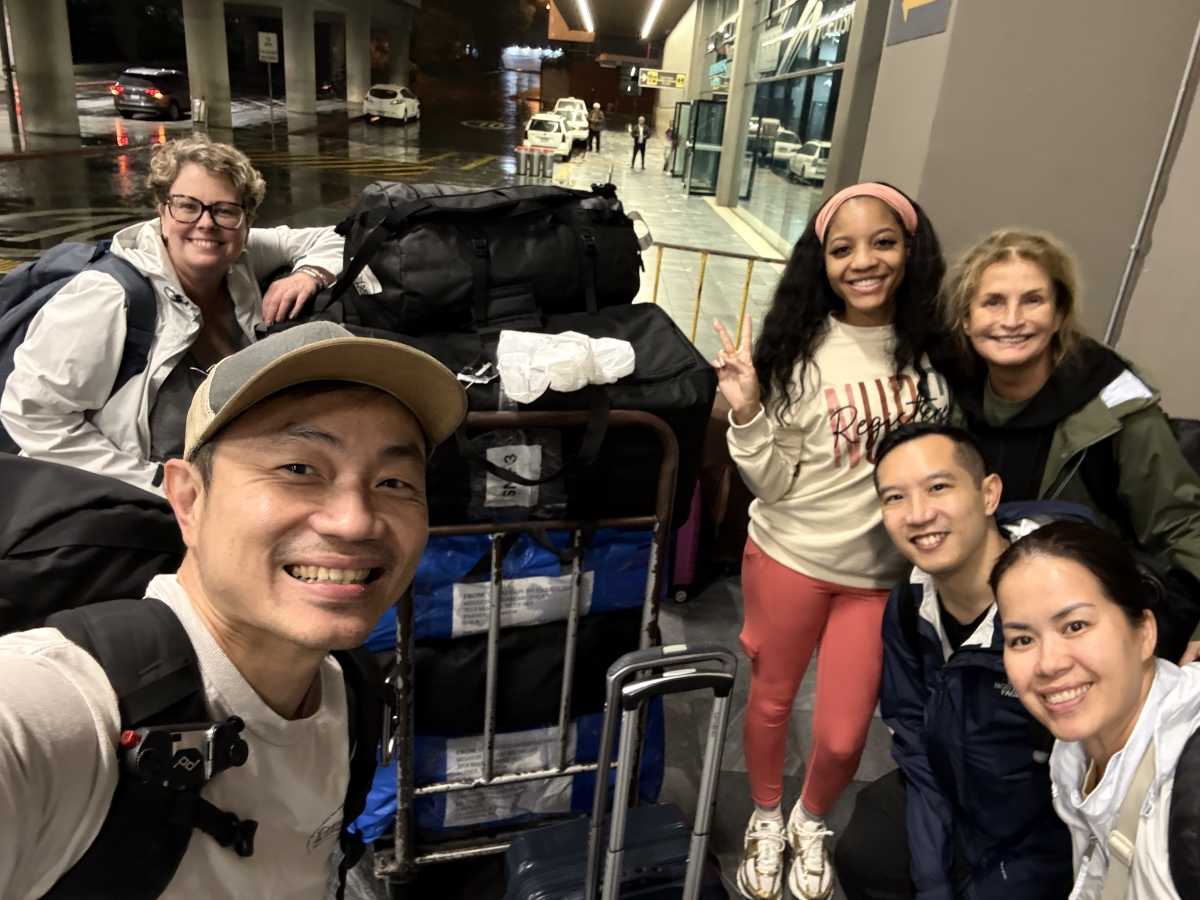




With the generous support of the Foundation, our surgical team traveled to Antigua, Guatemala, to provide much-needed surgical care at Hospital Obras Sociales del Santo Hermano Pedro. The mission brought together surgeons, anesthesia providers, nurses, and other healthcare professionals with a shared goal: to provide safe, high-quality surgical care to patients who otherwise may have had limited or delayed access to treatment.
The impact of this mission was immediate and deeply meaningful. During our week in Guatemala, we cared for patients across a wide range of ages and surgical conditions, from children with congenital abnormalities to adults who had lived with debilitating conditions for many years.
Children with Cleft Lip and Palate
One of the most significant areas of impact was the care provided to approximately 20 children with cleft lip and/or cleft palate. These conditions affect far more than appearance. They can interfere with feeding, speech, dental development, social interaction, and a child's confidence and ability to participate fully in school and community life.
For these children and their families, corrective surgery can be transformative. Beyond repairing an anatomical problem, these procedures can improve a child's ability to eat, communicate, grow, and interact with others. Seeing children and their families move through surgery and recovery was one of the most rewarding parts of our mission.
Thyroid Masses and Neck Cancer
Our team also treated patients with large thyroid masses and neck cancers, conditions that can become increasingly difficult to manage when access to specialized surgical care is limited. These operations can relieve symptoms caused by large tumors while also providing potentially definitive treatment for serious disease.
For patients who may have lived with a progressively enlarging neck mass for months or years, receiving surgical treatment can have a profound effect on comfort, function, appearance, and overall quality of life.
Expanding Minimally Invasive Surgery
We were also able to perform four laparoscopic cholecystectomies for patients with symptomatic gallbladder disease. Performing these operations laparoscopically allows patients to benefit from smaller incisions, less postoperative discomfort, and generally faster recovery compared with traditional open surgery.
This was also an important opportunity to work alongside our Guatemalan colleagues and share approaches to minimally invasive surgery, perioperative care, and surgical decision-making. This collaboration helps extend the value of the mission beyond the individual patients treated during our visit.
A Life Changed After 17 Years
One patient experience particularly demonstrated why access to surgical care matters. Our team was able to help a woman who had been living with urinary incontinence for 17 years.
For nearly two decades, this condition had affected her daily life, dignity, independence, and quality of life. Conditions such as urinary incontinence can create physical limitations as well as significant social and emotional burdens, particularly when treatment is inaccessible.
Being able to provide treatment after she had lived with the condition for so many years was a powerful reminder that the impact of surgery cannot always be measured simply by the number of procedures performed. For an individual patient, one operation can potentially change years of daily life.
Impact Beyond the Operating Room
The mission's impact extended beyond the patients who underwent surgery. Every patient is part of a family and a community. When a parent is able to return to work, a child can participate more fully in school, or an individual regains function and independence, the benefits extend to caregivers and family members as well.
An equally important part of the mission was our partnership with the physicians, nurses, anesthesia providers, and hospital staff at Hospital Obras Sociales del Santo Hermano Pedro. Rather than functioning independently, our team worked side by side with local healthcare professionals throughout patient evaluation, surgery, anesthesia, postoperative management, and recovery.
This collaboration allowed us to exchange surgical techniques, perioperative strategies, and approaches to delivering high-quality care in a resource-conscious environment. These professional relationships help build local capacity and create a more sustainable model of global surgical care.
Bringing the Experience Home
The lessons from Guatemala also returned home with each member of our team. Working in a different healthcare environment reinforces the importance of adaptability, teamwork, thoughtful use of resources, and cross-cultural communication.
We will continue sharing these experiences with colleagues, trainees, and future mission participants. In this way, the knowledge gained during one week in Guatemala can influence clinical practice, education, and future humanitarian efforts long after the mission has ended.
Thank You
We are extremely grateful to the Foundation for supporting this mission. Your sponsorship helped make it possible for our team to bring specialized surgical care to patients who may otherwise have continued living with untreated or undertreated conditions.
The true impact is represented by the people behind the numbers: children receiving cleft lip and palate repair, patients receiving treatment for thyroid masses and cancer, individuals benefiting from minimally invasive surgery, and a woman finally receiving care after living with urinary incontinence for 17 years.
These patients and their families are the reason this work matters.
Thank you for investing in our team, our partnership with our Guatemalan colleagues, and—most importantly—the patients and families we had the privilege to serve. Your support helped turn the mission's expected impact into meaningful care for real people and communities in Guatemala.

