
From September 20–25, I will participate in an international surgical mission with Operation International at Hospital Obras Sociales del Santo Hermano Pedro in Antigua, Guatemala. Working alongside a multidisciplinary team of surgeons, anesthesia providers, nurses, and local healthcare professionals, we will deliver specialized surgical care to patients who otherwise have little or no access to safe, timely operations.
Our team will treat a wide range of conditions, including cleft lip and palate deformities, pediatric surgical diseases, urologic disorders, large thyroid goiters, oncologic conditions, abdominal wall hernias, and complex reconstructive plastic surgery cases. In addition to performing surgery, we will provide comprehensive preoperative evaluations, postoperative care, patient and family education, and collaborate closely with local healthcare providers to promote continuity of care after the mission concludes.
The primary goal of this mission is to reduce barriers to essential surgical care for underserved patients while improving quality of life, relieving pain and disability, restoring function, and offering hope to individuals whose conditions have often gone untreated because of financial or geographic barriers. By partnering with local clinicians, we also aim to strengthen long-term healthcare capacity through education, knowledge sharing, and collaborative patient care, creating benefits that extend well beyond the week of the mission.
This project will serve underserved and economically disadvantaged patients from Antigua and surrounding regions of Guatemala who have limited or no access to specialized surgical care. Many patients face prolonged delays—or are unable to receive treatment at all—because of financial hardship, geographic barriers, shortages of surgical specialists, and limited access to advanced surgical services.
The mission will provide care for children born with cleft lip and palate, pediatric patients requiring general surgical procedures, adults with complex urologic conditions, patients with large thyroid goiters, individuals requiring oncologic surgery, patients with symptomatic abdominal wall hernias, and those with congenital or acquired deformities requiring reconstructive plastic surgery.
Without treatment, these conditions can result in chronic pain, disability, impaired function, nutritional challenges, social stigma, and lost educational and employment opportunities. By providing safe, high-quality surgical care, this mission aims to restore function, relieve suffering, improve long-term health outcomes, and enable patients to return to their families, schools, and communities with renewed health and dignity.
This mission is expected to provide immediate, life-changing surgical care for patients who might otherwise go without treatment. By delivering safe, high-quality surgical and anesthesia services, we aim to relieve pain, restore function, improve quality of life, and reduce preventable disability. For many patients, successful surgery will enable them to return to work or school, improve their ability to eat and speak, regain independence, and participate more fully in their families and communities.
Beyond the direct care provided, the mission seeks to strengthen sustainable global health partnerships through collaboration with physicians, anesthesia providers, nurses, and healthcare staff at Hospital Obras Sociales del Santo Hermano Pedro. By sharing surgical techniques, perioperative management strategies, and multidisciplinary approaches, we hope to enhance local clinical capacity and foster lasting professional relationships that continue to benefit patients after the mission concludes.
As an anesthesia provider, I will bring the clinical experience and lessons learned back to my practice by incorporating resource-conscious perioperative care, cross-cultural collaboration, and global health perspectives into the care I provide. I also plan to share these experiences with colleagues and trainees through education and future humanitarian outreach, extending the impact of this mission beyond Guatemala and encouraging continued service to underserved populations.

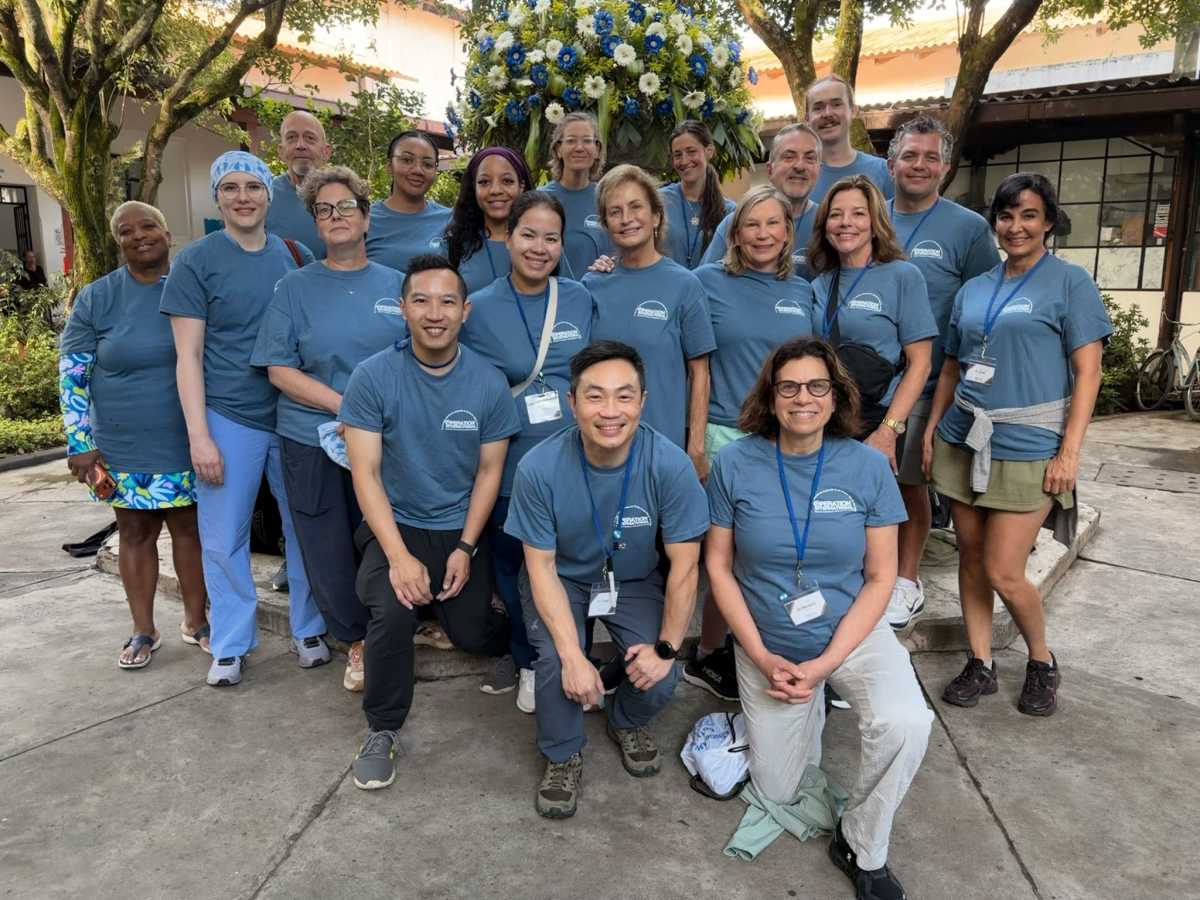
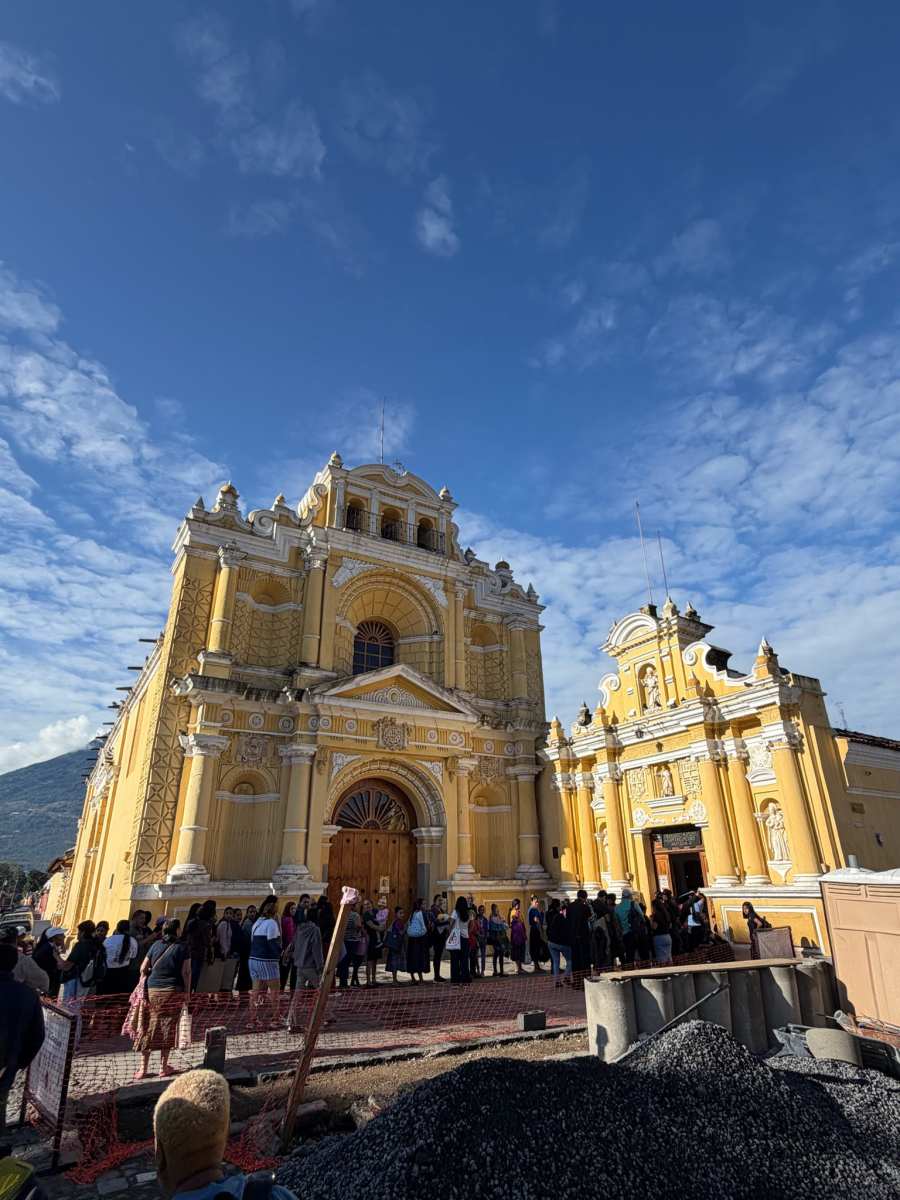




I recently had the privilege of traveling to Guatemala with Operation International as part of a medical mission team providing surgical care to patients who otherwise may have limited access to the care they need.
Our team worked at Hospital Obras Sociales del Santo Hermano Pedro in Antigua, where we cared for 64 patients undergoing a wide variety of procedures, including cleft lip and palate repair, general surgery, urologic procedures, thyroid surgery, hernia repairs, and reconstructive surgery.
As a CRNA, my role included evaluating patients before surgery, providing anesthesia and perioperative care, assisting with postoperative care and patient education, and working closely with our surgeons, nurses, and other volunteers. Many of the patients and families we met had traveled significant distances for an opportunity to receive surgical care.
What impacted me most was seeing how much could be accomplished when a group of people brought their skills together for a common purpose. We came from different backgrounds and specialties, but everyone was there for the same reason—to serve.
After more than 20 years working in medicine, this trip reminded me why I chose healthcare in the first place. It was incredibly rewarding to be able to use the skills I have developed throughout my career to help people who might not otherwise have access to this level of surgical care.
I returned home grateful for the patients who trusted us, the Guatemalan healthcare professionals who welcomed and worked alongside us, and the friendships formed within our team. I have found myself telling people about the experience over and over, and already thinking about when I can return.
I am extremely grateful to the Dox Foundation for supporting my airfare and helping make this mission possible. Their generosity allowed me to contribute my time and anesthesia expertise to this effort, and I hope sharing this experience encourages other healthcare professionals to consider using their own skills to serve communities in need.

